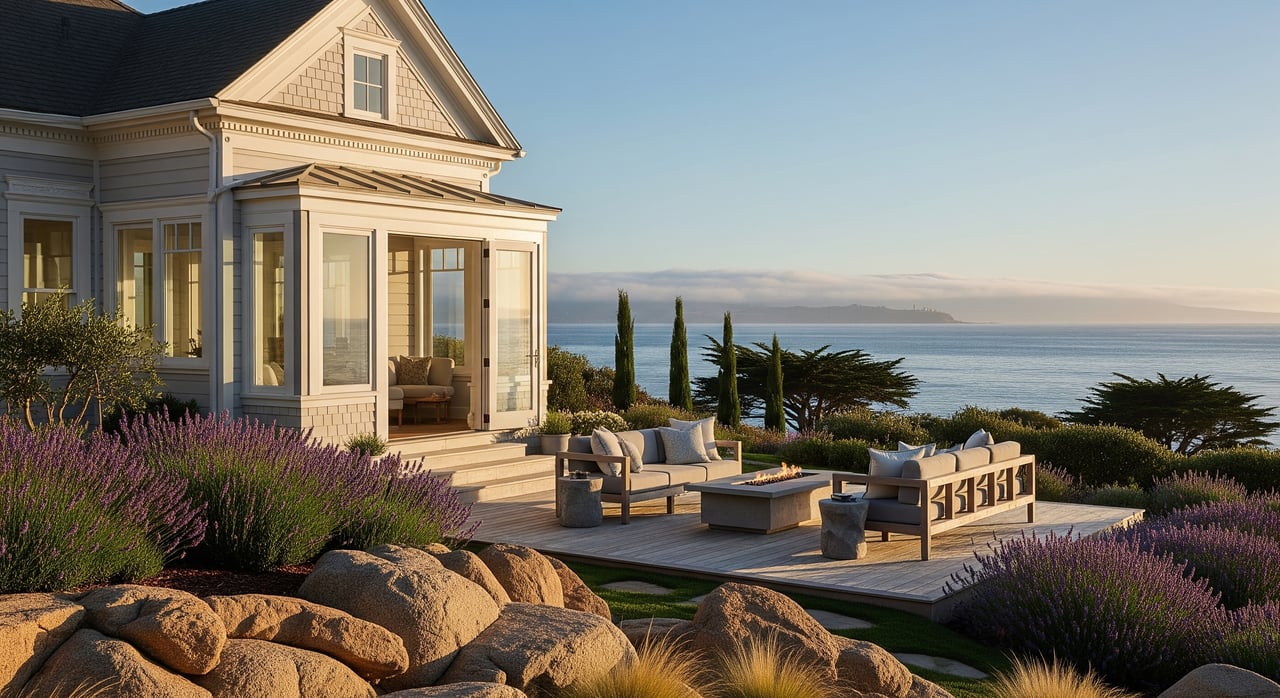
Ever dream of owning a storybook Victorian by the sea, only to wonder what the rules and repairs might look like? You are not alone. Pacific Grove’s charm comes with unique preservation standards, historic features, and coastal conditions that reward thoughtful buyers. In this guide, you will learn what makes these homes special, what approvals and inspections to expect, and how to plan financing, insurance, and timelines with confidence. Let’s dive in.
Why Pacific Grove stands out
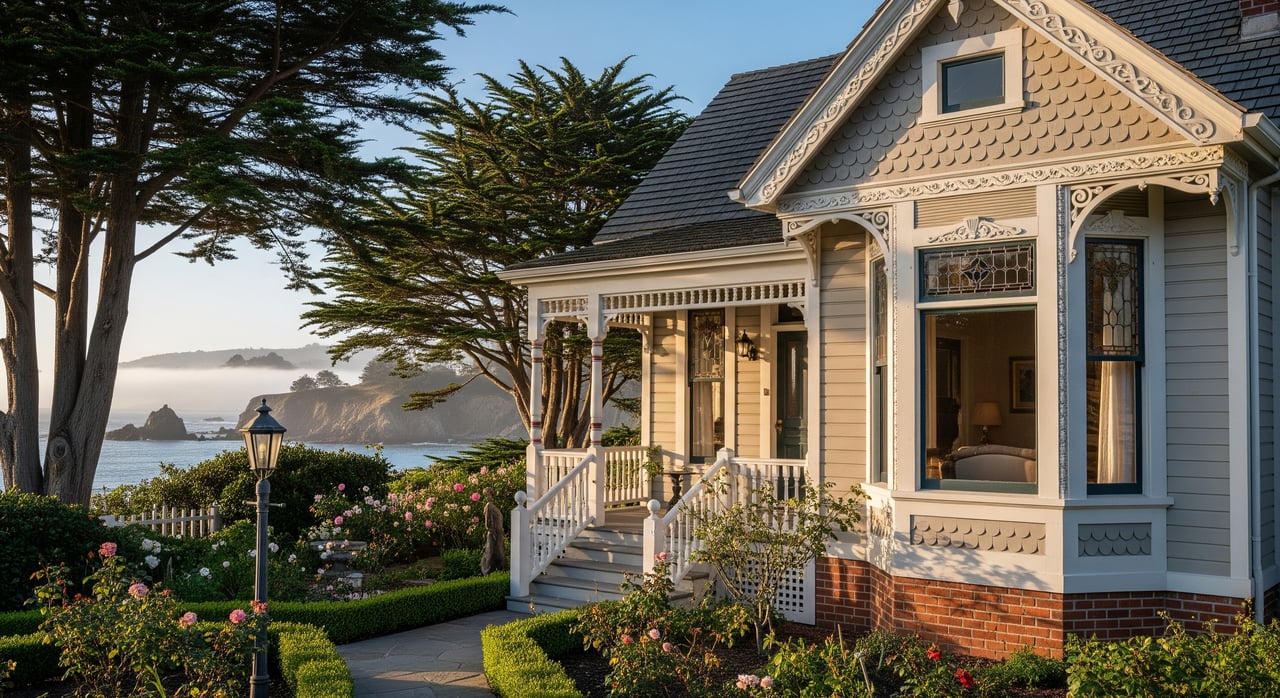
Pacific Grove has a high concentration of late 19th and early 20th century homes. You will see Victorian cottages, early Craftsman and Edwardian influences, and blocks that feel like living history. Because the city values this character, more properties fall under historic inventories, districts, or local design review than you might find elsewhere.
If you plan exterior changes, it is smart to talk with city planning and historic resources staff early. Local review often focuses on street-visible alterations, additions, and materials. A quick conversation before you write an offer can clarify what is feasible and how long approvals might take.
What makes a home “historic”
Historic designation and review typically focus on the parts of a house that define its character. In Pacific Grove, you will often encounter:
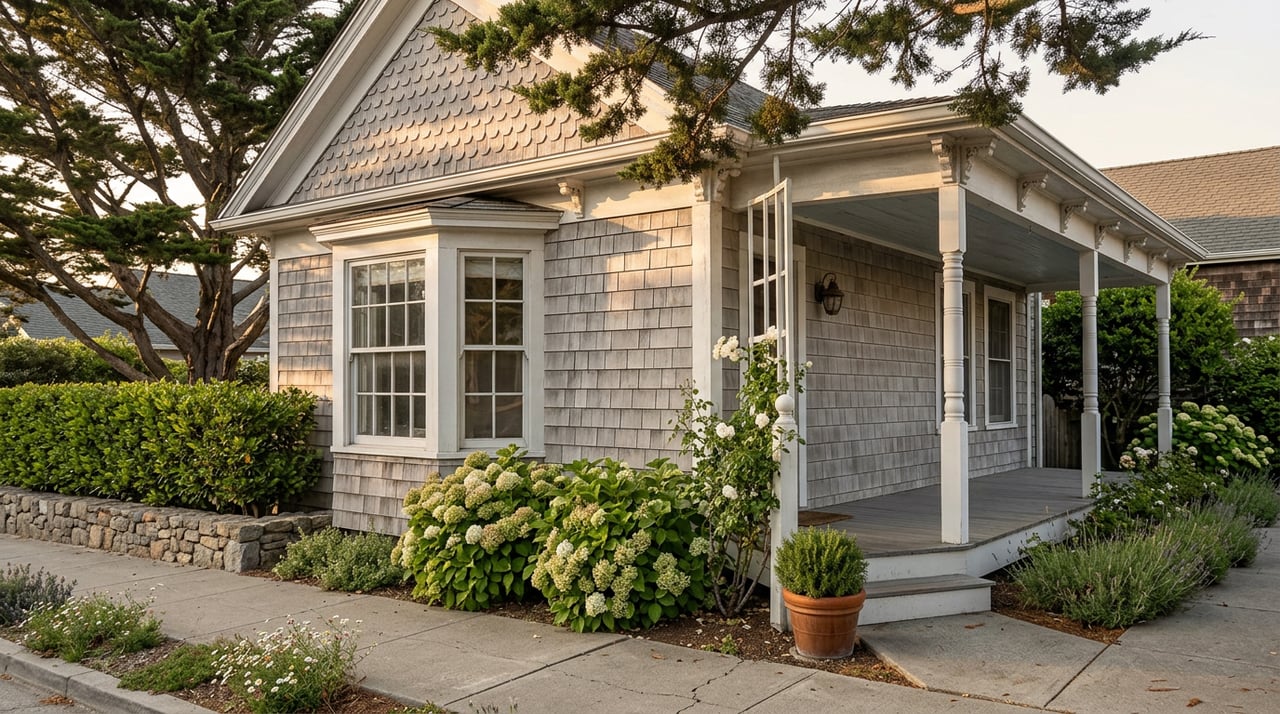
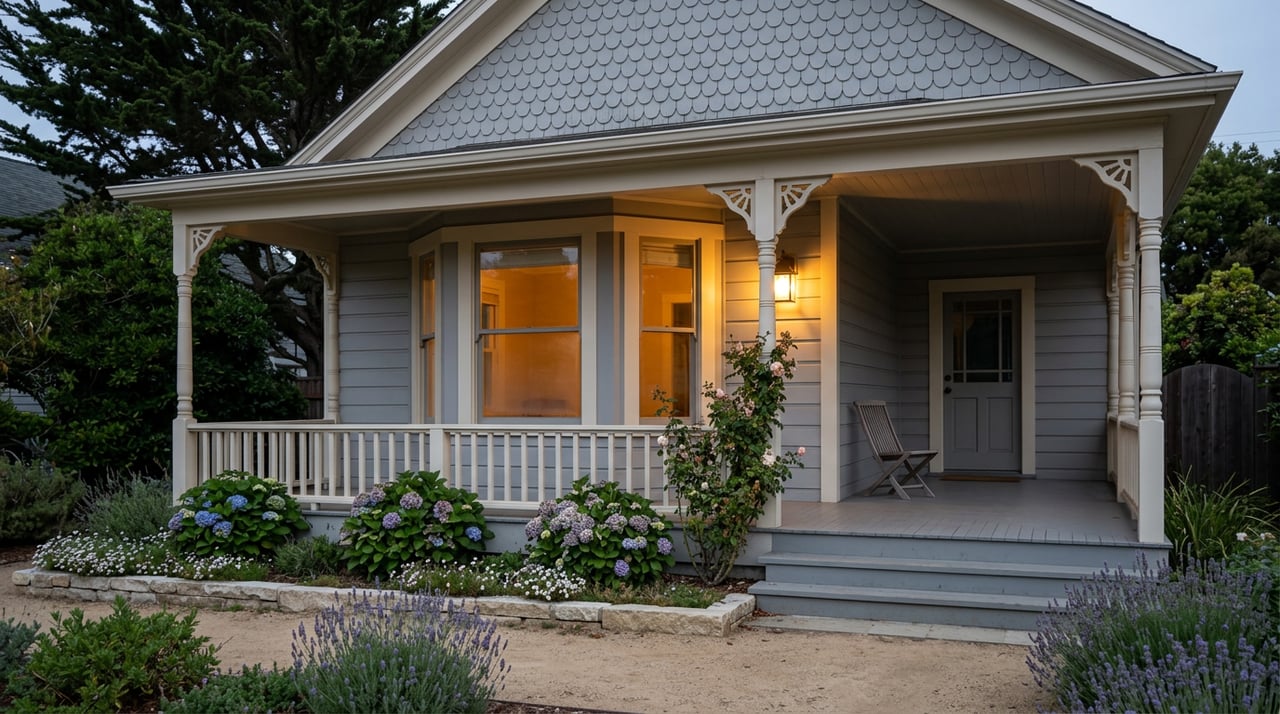
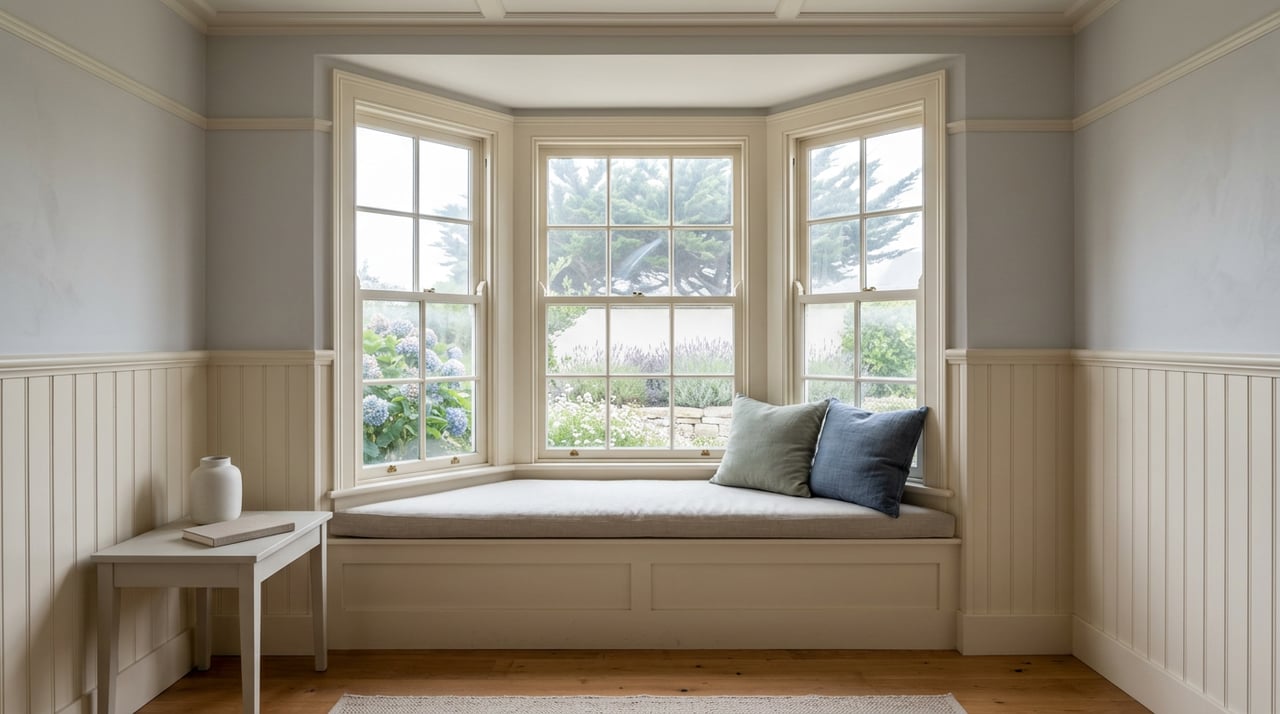
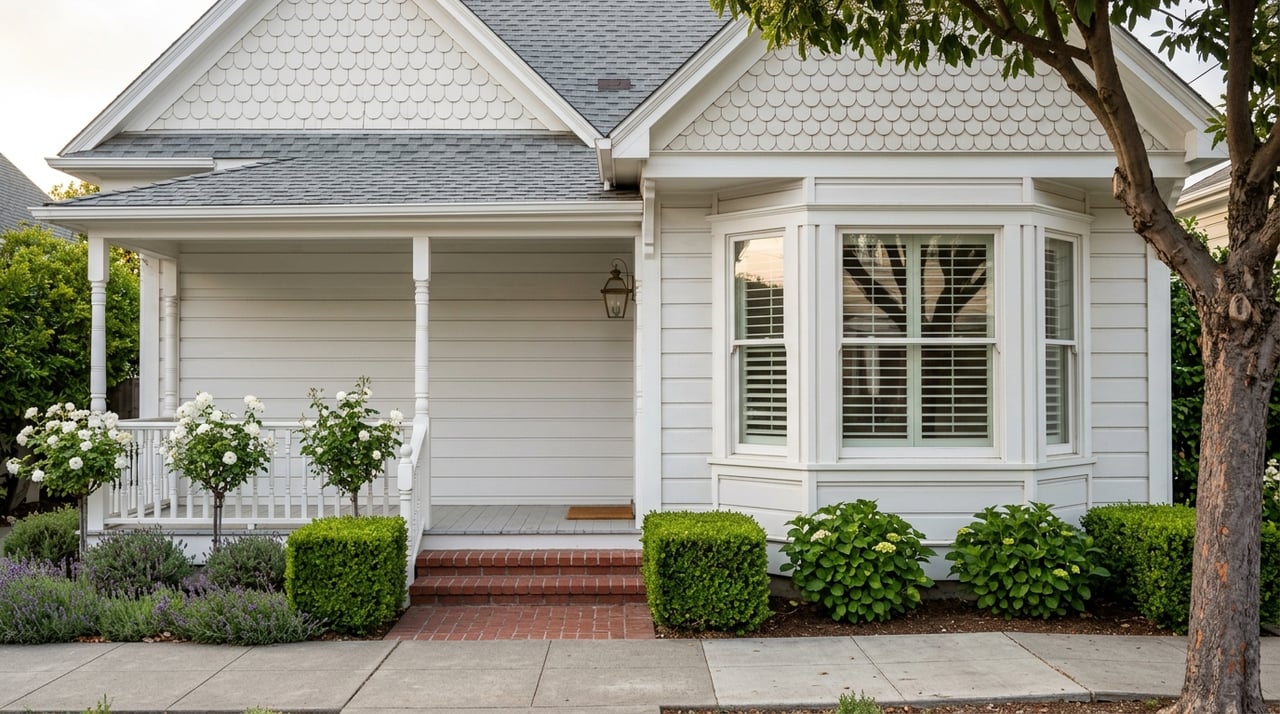
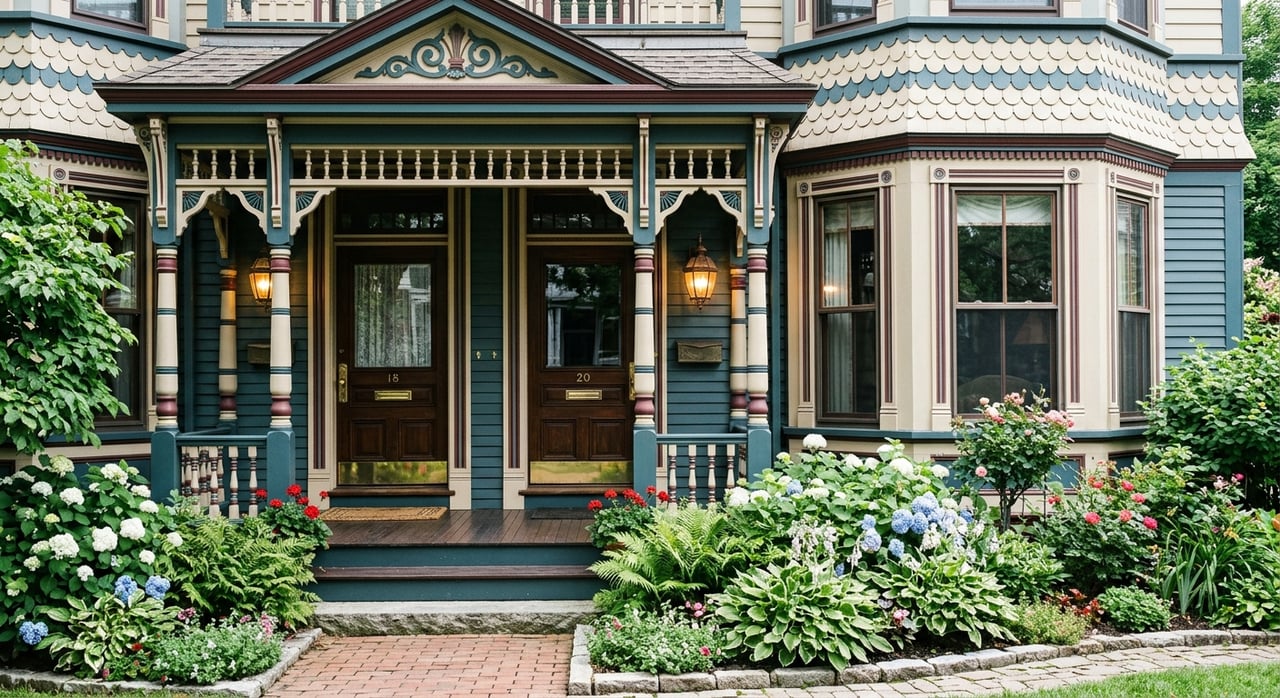
- Victorian cottages and Queen Anne styles with asymmetrical facades, gables, bay windows, decorative trim, and porches.
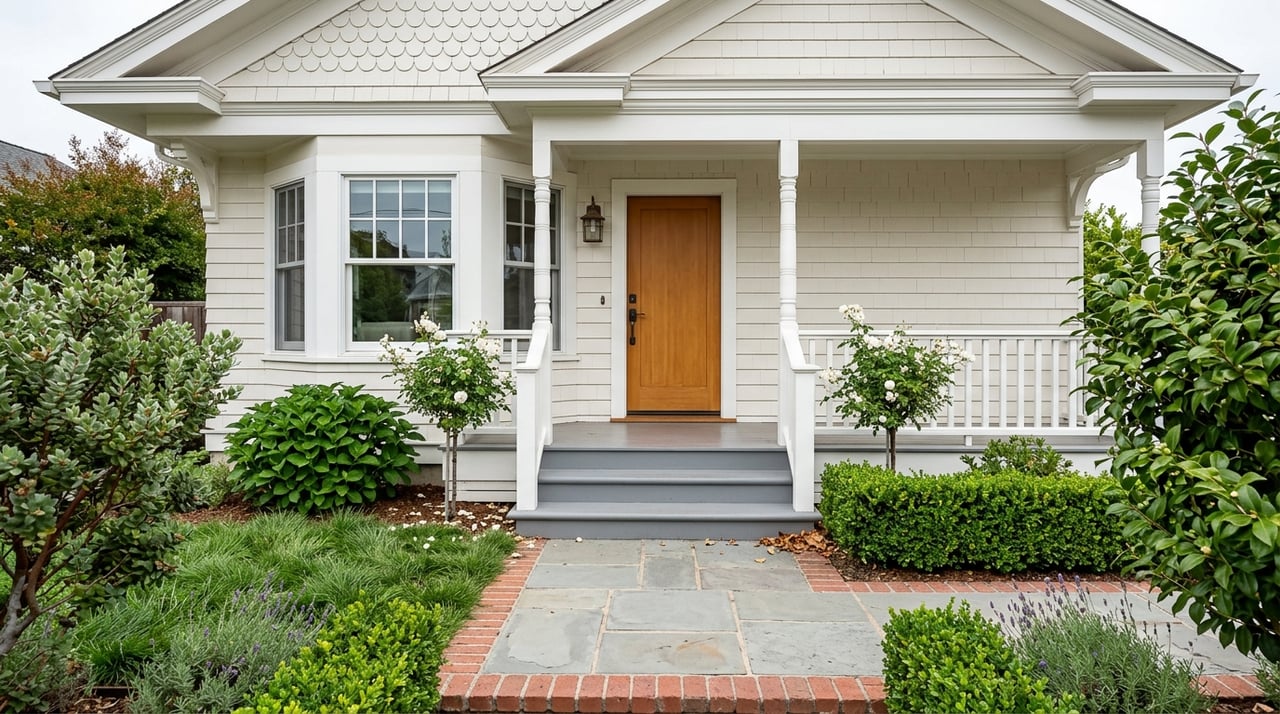
- Transitional early 1900s homes with simpler massing, exposed rafter tails, tapered porch columns, and wood sash windows.
- Period materials like wood lap or shingle siding, original doors and hardware, and masonry or stucco chimneys.
Character-defining elements that are commonly protected include the primary roof form, porches, bay windows, historic windows and muntin patterns, decorative trim and cornices, original doors, siding and shingles, and chimneys. Design review often requires you to preserve these or replace them in kind.
For broad guidance on how to update while keeping historic character, see the Secretary of the Interior’s Standards for Rehabilitation from the National Park Service. The standards outline best practices for repairs, replacement in kind, and compatible additions, and they are frequently used by cities and review boards. You can read them here: Secretary of the Interior’s Standards for Rehabilitation.
How preservation rules affect plans
Historic properties can be recognized at several levels:
- Local designation or inventory listing often triggers a Certificate of Appropriateness or design review for exterior changes visible from the street.
- State or National Register listing is mostly honorary at the federal level unless federal or state permits or funding are involved. It can help with eligibility for certain incentives.
Expect city planning staff and a historic preservation or design review body to evaluate visible exterior changes, additions, materials, and massing. If your project involves safety or accessibility upgrades, the California Historic Building Code may offer flexible alternatives specific to historic buildings, administered by the local building department.
If you are exploring incentives, the Mills Act can reduce property taxes for qualified historic properties where the city participates and accepts new contracts. Learn how the Mills Act works at the California Office of Historic Preservation. Verify local availability and caps with city staff before assuming eligibility.
Demolition or major alteration of designated or contributing structures is often restricted and may require public hearings or delay periods. Even non-designated homes in historic neighborhoods can require design review for visible changes.
Due diligence and inspections
A standard home inspection is essential, but older homes deserve a deeper look. Consider the following before you finalize an offer:
- Hire a home inspector familiar with older wood-frame construction and crawlspace foundations.
- Bring in a structural engineer if you see settlement, sagging floors, or unreinforced chimneys, or if you plan additions or seismic upgrades.
- Order a wood-destroying organism report and check for dry rot, common in coastal climates.
- Test for lead-based paint in pre-1978 homes and evaluate for asbestos in older materials. For lead disclosure rules, see the EPA’s real estate disclosure guidance.
- Assess roofs, gutters, and exterior envelopes with a historic-sensitive approach, especially if original materials remain.
- Inspect plumbing and electrical for obsolete systems like galvanized supply lines or knob-and-tube wiring.
- Consider a preservation architect or contractor estimate if you plan to restore period features.
Coastal homes face salt, wind, and moisture. Expect more maintenance for wood trim, sash windows, and porch elements. Foundations may include raised systems with cripple walls and unanchored sill plates that benefit from seismic anchoring.
Also check coastal risk and insurability. Use FEMA’s portal to review flood maps for your parcel: FEMA Flood Map Service Center.
Budget, timelines, and scope
Preserving character often means custom millwork and period-appropriate profiles, which can cost more than modern off-the-shelf replacements. Build a realistic scope that separates immediate safety items from medium-term preservation work. Add contingency for hidden conditions like rot or outdated wiring concealed behind finishes.
Expect approvals to take longer when design review is involved. Documenting existing and proposed conditions to meet preservation standards can add time. Planning your permit sequence up front helps reduce surprises once you are in escrow.
Financing and insurance basics
Historic homes are financeable. Conventional loans are common, but lenders focus on habitability and safety. If your target needs updates, a renovation loan can combine purchase and rehab funds. The FHA 203(k) is a widely used option for owner-occupants. Learn more at HUD’s page for the program: FHA 203(k) Rehabilitation Mortgage.
Insurers will look closely at the age and condition of the roof, electrical, plumbing, and foundation. Older or obsolete systems can lead to higher premiums or limited coverage until upgrades are made. Coastal exposure adds wind and salt considerations, and some areas may require flood insurance. For risk and coverage guidance, start with the California Department of Insurance and check your property’s flood status through FEMA’s map portal.
Ask about replacement cost coverage that reflects custom materials and craftsmanship and about code upgrade endorsements that help pay for required improvements during a claim. The California FAIR Plan can be a backstop if private carriers decline coverage, but it has limits and often needs a companion policy.
Smart steps before you write an offer
Use this quick checklist to make your path smoother:
- Request the seller’s documentation on any historic designation, prior permits, and recent inspections.
- Confirm whether the home is in the city’s historic inventory or a local district and ask staff about typical review steps.
- Schedule specialized inspections: structural, pest, hazardous materials, and system-specific reviews.
- Check FEMA flood maps and local coastal hazard information.
- Discuss financing with your lender, including renovation loan options based on anticipated repairs.
- Get an early read on insurability from an agent experienced with historic and coastal homes.
- If you plan changes, ask about applicability of the Secretary’s Standards and the California Historic Building Code.
- Explore Mills Act eligibility with the city using the OHP’s program overview, and verify current local participation and caps.
- Obtain bids from contractors who work with period materials and restoration.
Working with a local, integrated team
Buying a historic home on the Monterey Peninsula is as much about stewardship as it is about style. You benefit from a team that understands Pacific Grove’s review process, has trusted inspectors and contractors for older structures, and can help you plan both the purchase and the long-term care of your home.
With an integrated sales and property management platform, you get practical support beyond closing. That can mean guidance on maintenance priorities, vendor coordination, and seamless oversight while you are away. If you want a Victorian or early 1900s cottage that feels effortless to own, the right local partner makes all the difference.
Ready to explore historic homes with a clear plan for approvals, inspections, and ownership? Schedule a local consultation with Carmel Coast Realty and take your next step with confidence.
FAQs
What makes a Pacific Grove home “historic” for review?
- Local review usually focuses on character-defining elements visible from the street, guided by the Secretary of the Interior’s Standards.
Do I need approval to replace windows in a historic district?
- Often yes if windows are visible from public ways; cities typically require repair or in-kind replacement to maintain historic patterns and profiles.
How does the Mills Act help Pacific Grove owners?
- If the city participates and accepts new contracts, eligible owners can receive property tax reductions in exchange for maintaining the home; verify details with city staff and the OHP overview.
What inspections matter most for a Victorian near the coast?
- Pair a standard inspection with structural, pest, and hazardous materials assessments, and review coastal risks using FEMA’s flood maps.
Can I finance renovations when I buy a historic home?
- Yes. Options include renovation loans like the FHA 203(k); discuss scope and contractor requirements with your lender.
How do insurance carriers view older Pacific Grove homes?
- Carriers evaluate roof, electrical, plumbing, and foundation conditions, and may require upgrades; see the California Department of Insurance for guidance on coverage and coastal risks.