Buying in a small city like Del Rey Oaks can feel deceptively simple until you realize how much changes from one block to the next. You want a quiet street, practical commute, and a home with potential that fits your plans. This guide shows you how to read Del Rey Oaks at the street level, what to expect from local homes and lots, and how to build a smart shortlist that saves time. Let’s dive in.
How Del Rey Oaks is organized
Del Rey Oaks is compact, which makes micro-areas matter. Think in terms of pockets, not hard boundaries, and verify details with maps before you shortlist streets.
- Central residential core. You’ll find compact single-family lots, short blocks, mature trees, and sidewalks near city facilities and a neighborhood park. Expect calmer local streets and easy access to community spaces.
- Older post-war subdivisions. Single-story ranches and cottages on level lots are common. Many are candidates for kitchen and bath updates, small additions, and ADUs with local permitting.
- Transitional and infill pockets. A mix of renovated older homes and newer two-story builds can appear on the same block. You’ll trade original character for newer square footage and a bit more density.
- Edges and arterial-adjacent blocks. Closer to higher-traffic corridors with quicker access to shopping and regional routes. Useful for shorter drives, though on-street parking and traffic noise can feel higher.
- Greenbelt and hillside edges. Near open space, trail corridors, or small slopes. You may gain views or easy trail access, with added attention to slope, erosion, and drainage.
Tip: Use satellite and street-level views to compare blocks that look similar on paper. A single cross street can change lot shapes, sidewalk presence, and overall feel.
Home and lot basics
Housing types
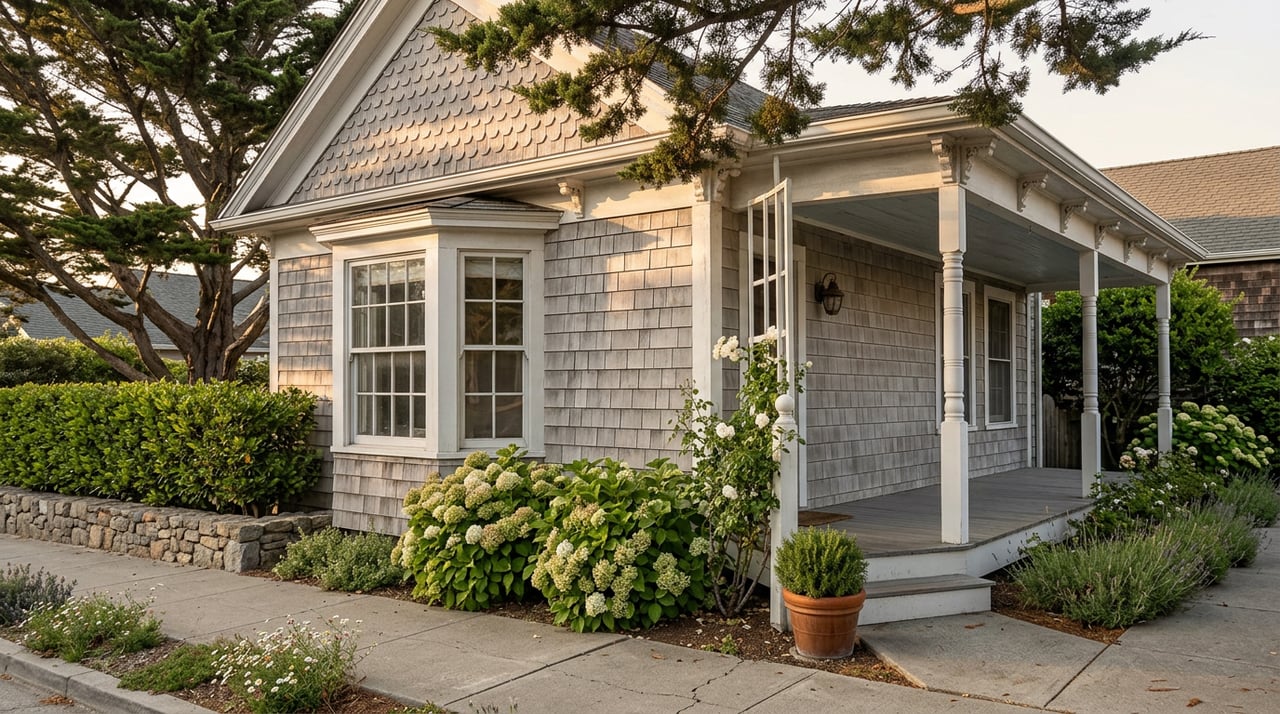
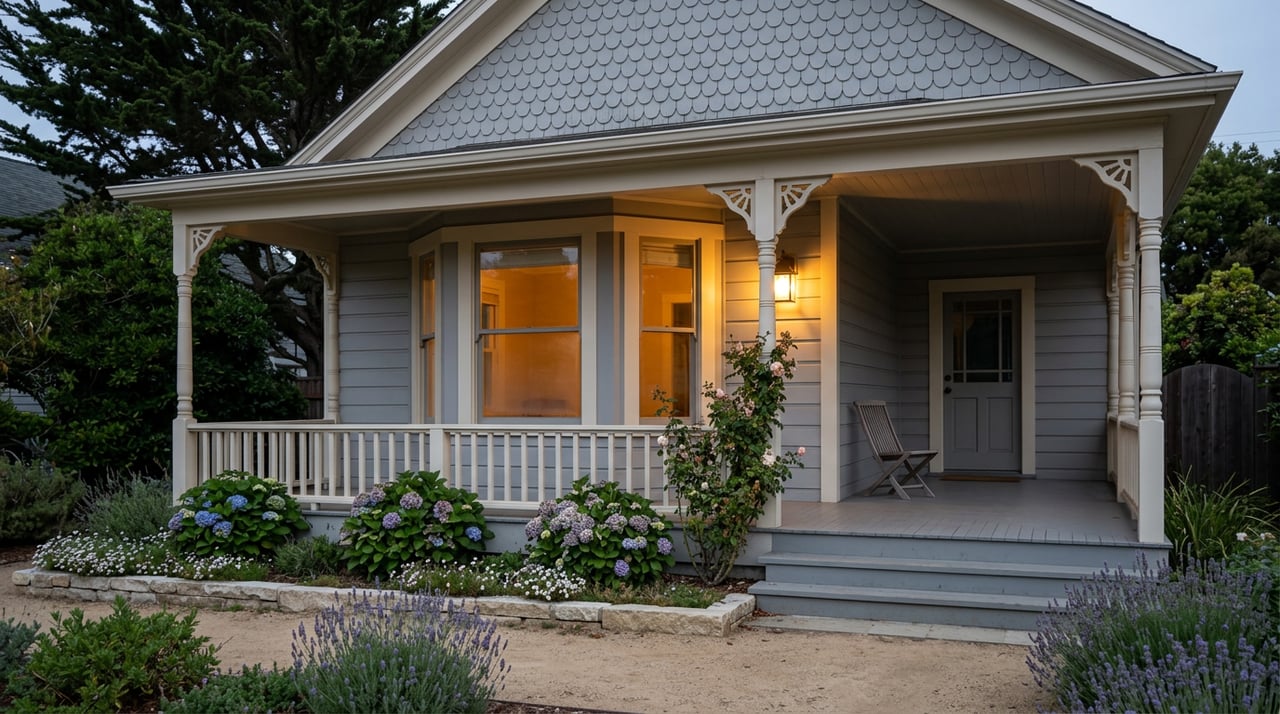
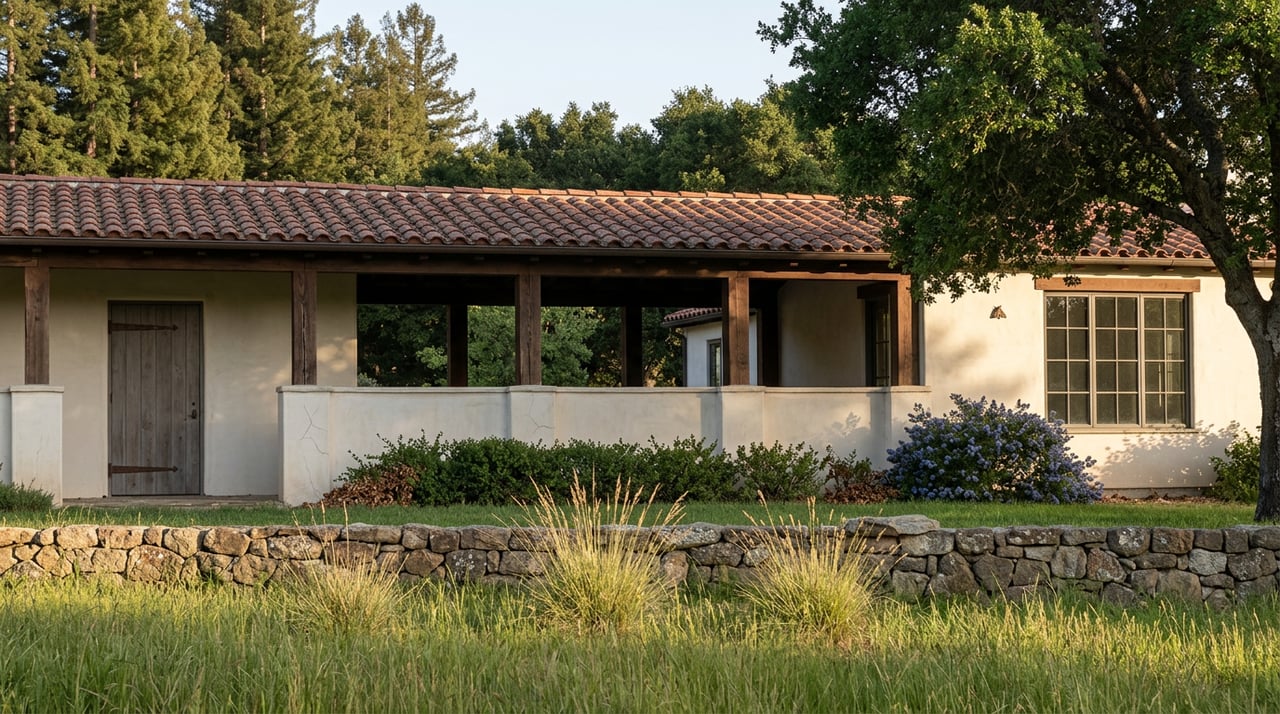
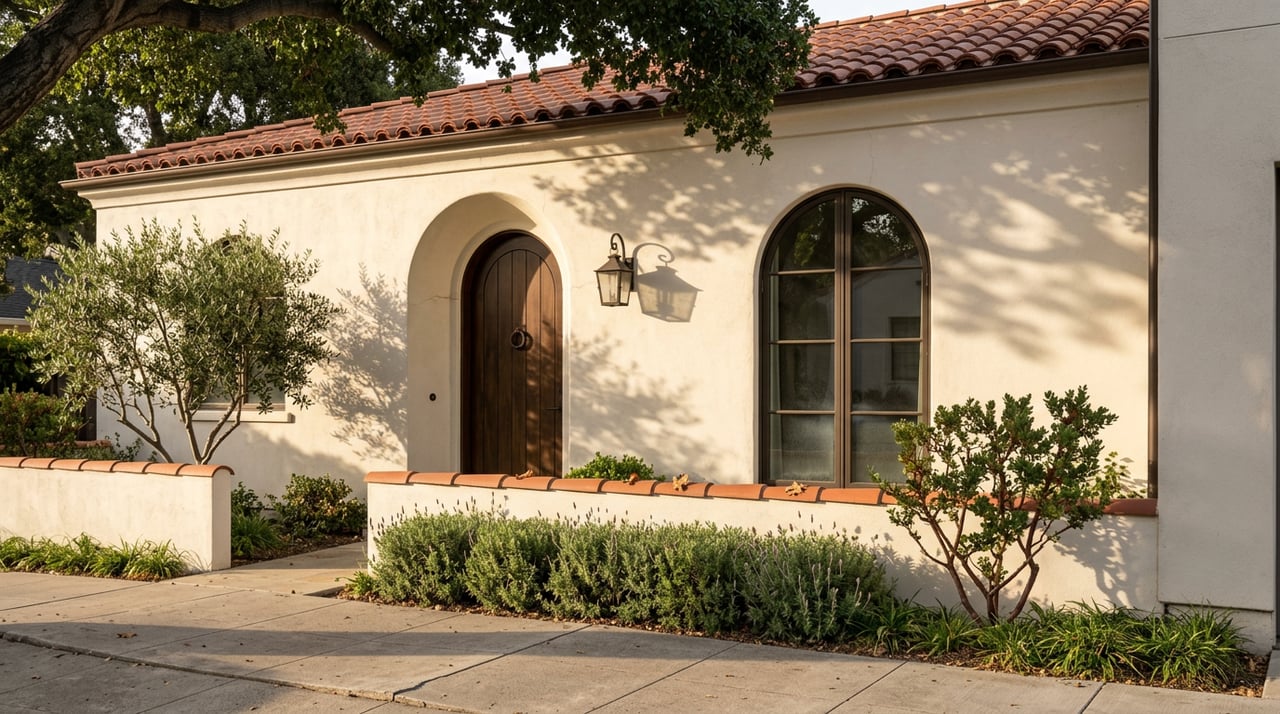
- Predominantly single-family detached houses, many one-story ranches and post-war cottages.
- Expect pockets of two-story or more recent construction where remodels and infill have occurred.
Lots and yards
- Lots are generally small to midsize for the Peninsula and often rectangular.
- Most homes have private rear yards suitable for outdoor living or future improvements.
- Always confirm lot square footage, shape, and easements using assessor data when you get serious.
Age and condition
- A substantial share of homes date from the mid-20th century with waves of renovation since.
- Inventory ranges from cosmetic fixers to fully remodeled properties on the same block.
Parking and garages
- Most homes include on-site parking with a garage and driveway. Some older houses have single-car garages or carports.
- On-street parking conditions vary by block. Check curb width and parking patterns during evening hours.
Utilities and drainage
- Verify water, sewer, and storm drainage service when planning remodels or ADUs.
- Parcels near drainage channels or low areas may have specific floodplain or drainage considerations. Review FEMA maps and local drainage studies if a property sits near a channel or low spot.
Zoning basics
- Standard single-family zoning is common, with local setback, height, and design review requirements.
- Confirm zoning overlays and any design review triggers with city planning before you budget a project.
ADUs and expansion potential
California ADU policy is generally permissive, and many Del Rey Oaks lots are good candidates for ADUs or small additions. Local rules determine siting, design, and utility connections.
- Check setbacks, height, coverage, and design review requirements with Del Rey Oaks planning.
- Confirm sewer and water capacity early to avoid surprises.
- Use parcel maps to understand lot depth and access, since rectangular lots and usable rear yards often simplify ADU placement.
Commute and mobility snapshot
Del Rey Oaks offers central Monterey Peninsula access for work, shopping, and recreation.
- Driving: Identify the nearest arterials to each street. Evaluate peak-time noise and traffic before you commit.
- Transit: Regional bus service serves the Peninsula. Confirm routes and stop locations close to the streets you like.
- Biking and walking: Check bike lanes, sidewalk continuity, and crossing points as part of your shortlist.
Quick tip: Test your commute at both peak and off-peak times. A five-minute difference can change how a street feels day to day.
Parks and everyday amenities
- Expect a local neighborhood park or community green within a short walk or drive from many blocks.
- Larger regional parks, beaches, and trail networks are within a short drive across the Monterey Peninsula.
- Daily shopping, restaurants, and services are often found in adjacent Monterey and Seaside corridors. Proximity to those corridors is a common selling point.
Build your street shortlist
Use a two-step method that combines maps and on-the-ground checks.
Pre-screen with maps
- Overlay parcels with city parks, arterial roads, and transit stops to find sweet spots near green space but off main traffic.
- Filter by lot size and shape using assessor data. Rectangular lots with deeper rear yards often offer better ADU or addition options.
- Note possible drainage channels, slopes, or low spots and compare with FEMA flood layers.
On-the-ground criteria
- Sidewalks and street trees. Streets with continuous sidewalks and trees often feel more walkable.
- Street width and curb parking. Check for comfortable two-way flow and evening parking availability.
- Garage orientation and driveway length. Front-facing garages and longer driveways can simplify daily parking.
- Proximity to arterials. Walk the block and listen for traffic at commute hours.
Street shortlist template
- Micro-area label: central core, post-war, infill, edge, or greenbelt.
- Nearest park and distance: verify with city maps.
- Nearest arterial and distance: verify on a map, then listen on-site.
- Housing style: ranch, cottage, or mixed.
- Typical lot notes: rectangular vs irregular, depth, and rear-yard usability.
- Quick pros/cons: closer to amenities vs increased activity or parking pressure.
On-site viewing checklist
Bring this list to every showing and open house:
- Day and time. Visit during a weekday commute and a weekend afternoon for contrast.
- Noise and activity. Note traffic, delivery routes, and late-day patterns.
- Sun and shade. Track morning and afternoon sun in main rooms and the backyard.
- Landscaping and drainage. Look for slope, ponding after rain, and street drainage conditions.
- Utilities. Spot sewer cleanouts, water meters, and whether utilities are overhead or underground.
- Renovation signs. Newer roof, updated siding, additions, or second stories that may affect future expansion.
Permits and due diligence
Before you move forward with an addition or ADU, line up the essentials:
- Zoning and setbacks. Get written confirmation from the planning department.
- Sewer and water. Confirm availability and capacity for new fixtures or units.
- Design review. Understand any design guidelines or review steps early.
- Overlays and constraints. Check for drainage, hillside, or other overlay requirements.
How we help
If you want a home that fits your lifestyle now and your plans later, a street-level approach matters. Our team pairs local market knowledge with practical, operations-minded advice for improvements, ADUs, and resale. For second-home owners and investors, we also offer integrated property management and vacation-rental services so you can acquire, monetize, and steward your property through one trusted partner.
Ready to build a smart Del Rey Oaks shortlist and see the right streets in person? Schedule a local consultation with Carmel Coast Realty.
FAQs
What types of homes are common in Del Rey Oaks?
- Mostly single-family houses, often one-story ranches and post-war cottages, with occasional two-story or newer infill homes on some blocks.
How big are typical lots in Del Rey Oaks?
- Lots are generally small to midsize for the Peninsula and are often rectangular, with private rear yards that can suit outdoor living or future projects.
Is Del Rey Oaks good for ADUs or additions?
- Many lots are strong candidates given California’s ADU framework, but you should confirm setbacks, design review, and utility capacity with city planning before you plan a project.
What should I check for commute and transit access?
- Identify the nearest arterial and any bus stops, then test real conditions at peak times to evaluate drive times, noise, and transit convenience.
Are there parks and trails near most streets?
- Many blocks sit within a short walk or drive of a neighborhood park, with larger coastal and regional recreation areas accessible across the Monterey Peninsula.