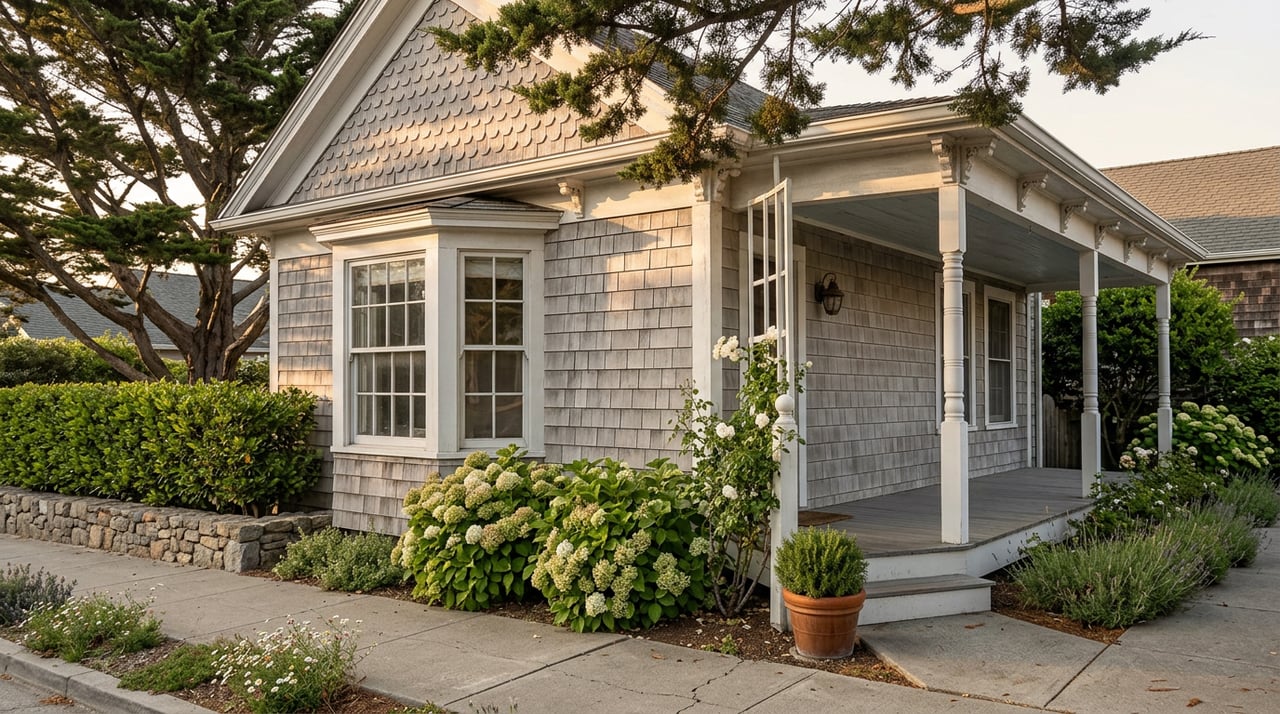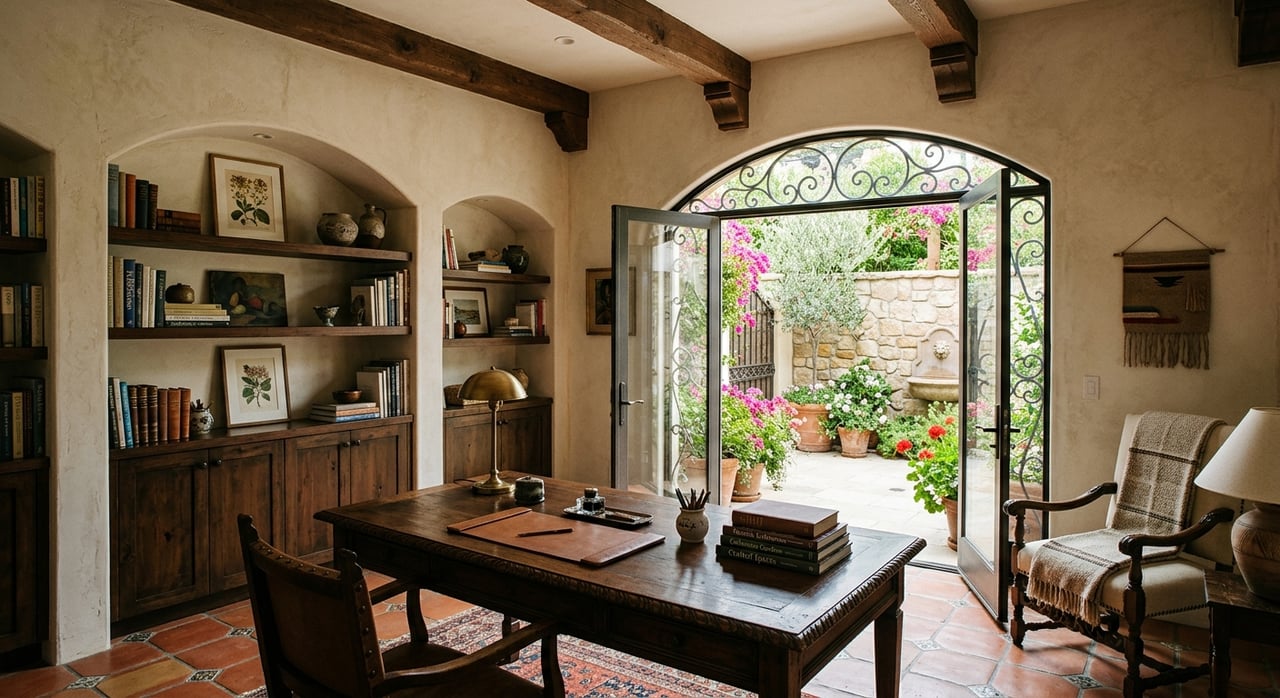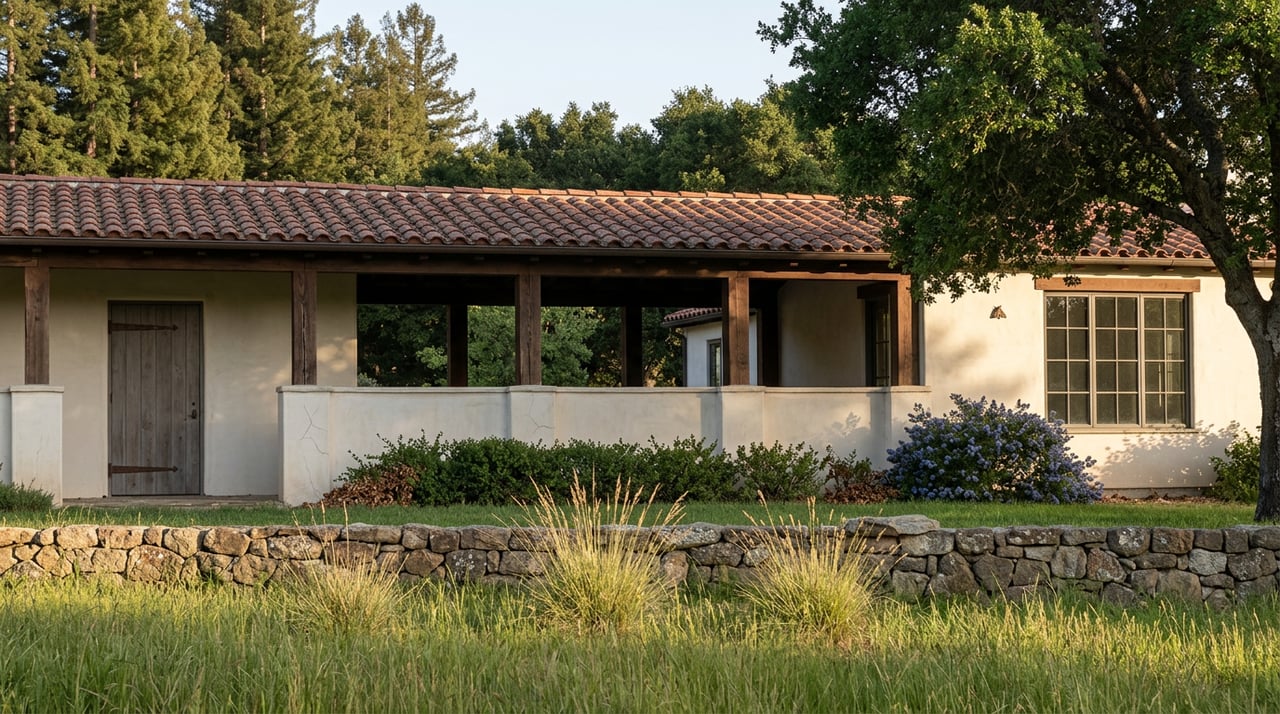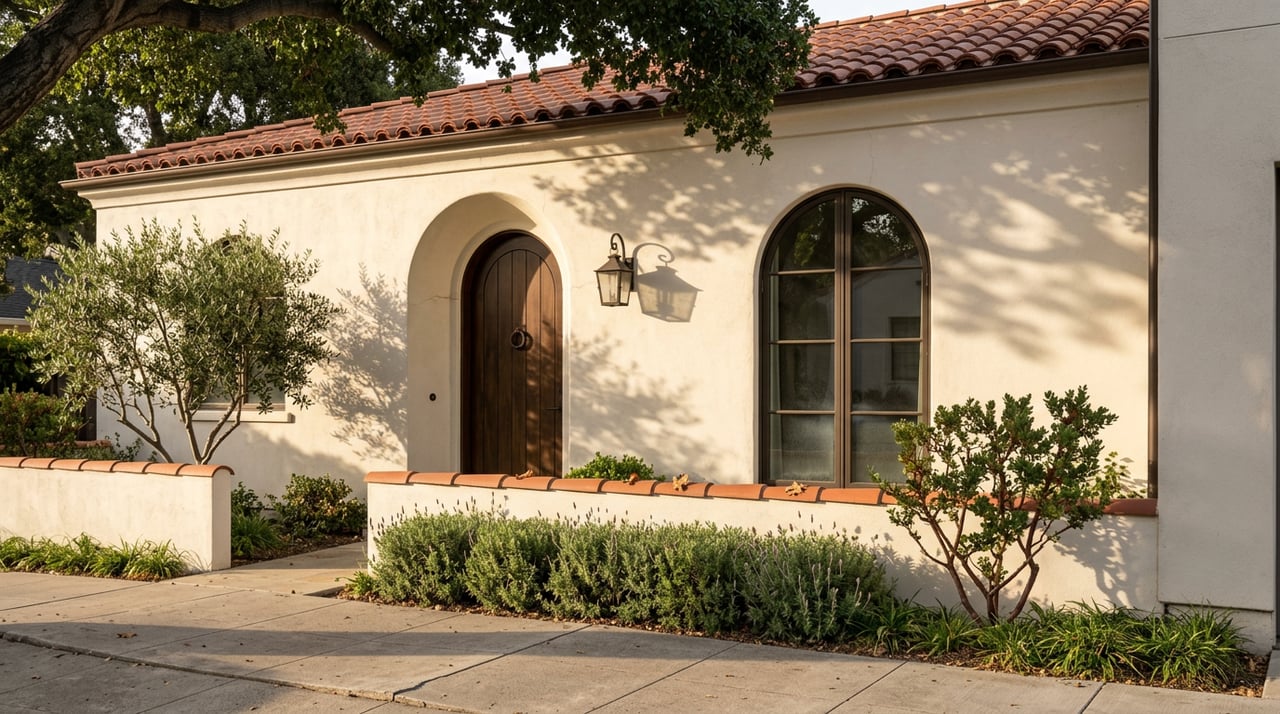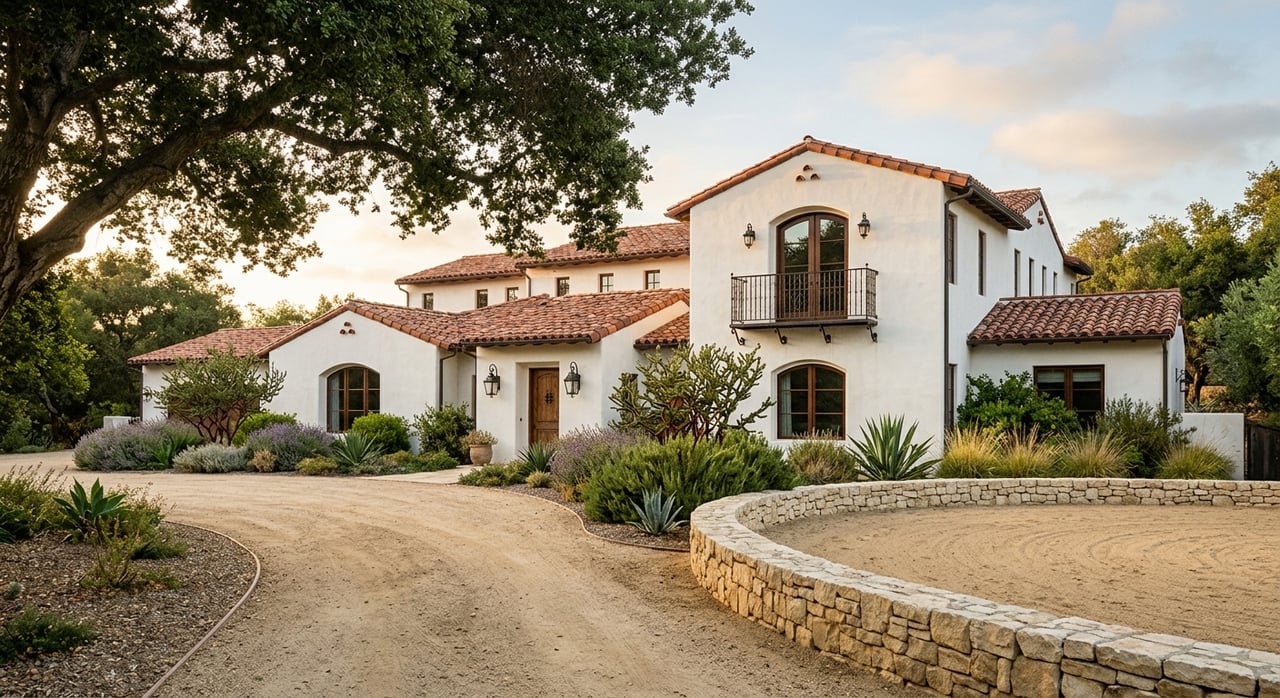
Thinking about buying in Carmel Valley but unsure if an HOA community or a non-HOA rural parcel fits your lifestyle best? You are not alone. The valley offers everything from lock-and-leave neighborhoods to private acreage with vines, barns, and big skies. In this guide, you will learn how each option works in Carmel Valley, what it costs to maintain, and the specific due diligence that protects you before you buy. Let’s dive in.
Carmel Valley housing at a glance
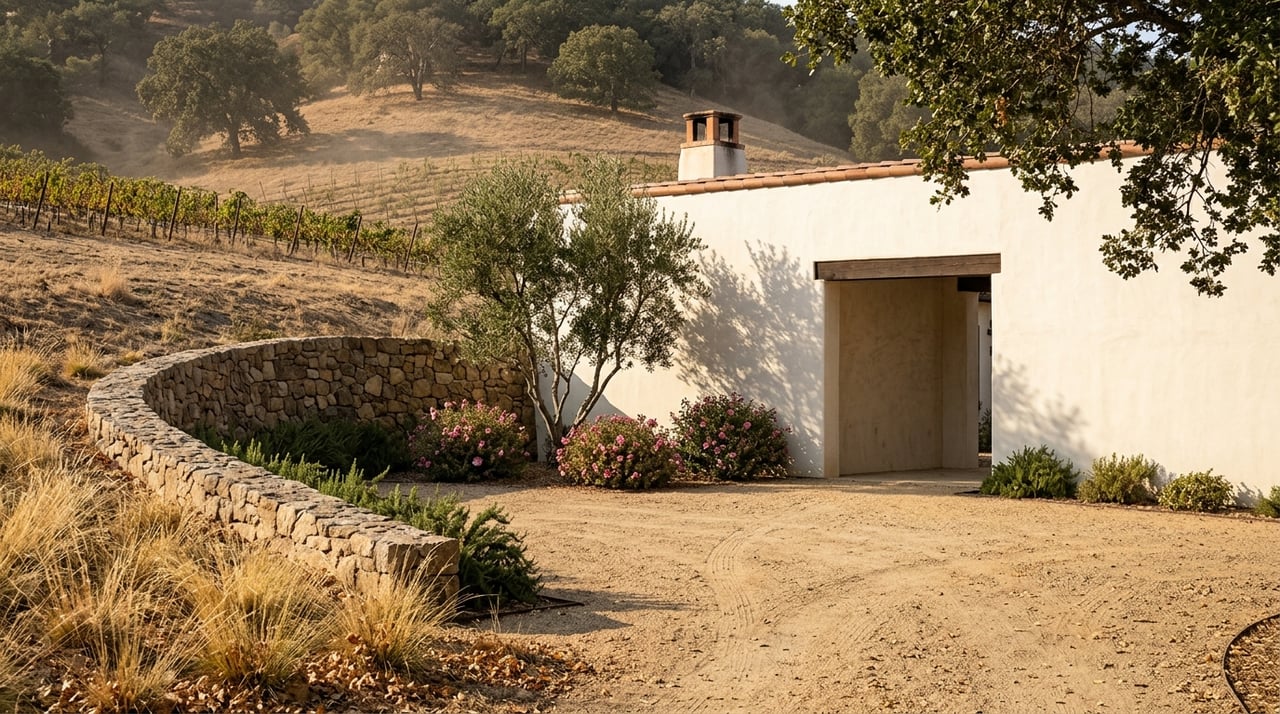
Carmel Valley stretches inland across hills, vineyards, and the Carmel River corridor. You will find village-scale neighborhoods, small gated subdivisions, and larger rural parcels. Lot size and density vary widely, which shapes the services you get and the upkeep you handle.
Closer to the village, homes are more likely to have public utilities like sewer and municipal water. As you move farther out, many properties rely on private systems such as wells, septic, and private roads. County planning and zoning rules guide what can be built and how land is used throughout the valley.
Wildfire risk, water availability, septic capacity, and floodplain factors are common threads across the area. These local realities affect both HOA and non-HOA properties, and they should be part of any buying plan.
What HOA living offers
Typical HOA features
Most HOAs use recorded Covenants, Conditions and Restrictions (CC&Rs), bylaws, and community rules. Communities may provide shared amenities like pools, trails, landscaping, and sometimes private roads or community water systems. You pay recurring dues, and the association manages budgets, reserves, and maintenance of common areas.
Advantages you may value
Shared amenities and landscaping reduce day-to-day chores and support a consistent neighborhood look. Architectural review helps maintain design standards, which can support long-term appeal. In areas without public services, an HOA may operate private roads or a community water system, centralizing upkeep that individual owners would otherwise handle alone.
Tradeoffs to consider
HOAs limit autonomy. CC&Rs can restrict exterior colors, fencing, visible storage, RVs, accessory structures, and other uses. Dues are ongoing, and special assessments may occur if reserves are not adequate. Governance can be a source of friction if you disagree with board decisions or rule enforcement. Many HOAs also restrict rentals, which can affect investment plans.
Local nuances in Carmel Valley
HOA communities here tend to cluster in denser pockets or planned enclaves, sometimes with gates and shared open space. Where public utilities are limited, some associations run private water or private roads, which shifts both responsibility and risk to the HOA budget. Given regional wildfire exposure, associations may adopt stricter vegetation rules than county minimums, so confirm what fuel-reduction work is required.
What non-HOA rural living offers
Autonomy and land use
Non-HOA parcels appeal if you want privacy and room to create. You can add outbuildings, explore vineyard or hobby farm uses, or build equestrian facilities. County zoning and permits still apply, but private CC&Rs do not govern your day-to-day choices.
Responsibilities and systems
With freedom comes responsibility. You maintain private driveways, roads you share with neighbors, fencing, and vegetation. Many rural homes rely on wells for water and septic systems for wastewater, which need testing, maintenance, and eventual replacement at your expense.
Regulatory and safety realities
County permits, setbacks, and environmental rules still guide what you can develop. Parcels near creeks or the river may fall within flood zones that affect insurance and building plans. You are also responsible for defensible space and vegetation management, which are important for safety and insurance access in wildfire-prone areas.
Costs, risk, and insurance
Your cost picture will look different depending on the property type. In an HOA, dues fund common-area services, reserves, and sometimes private infrastructure like roads or shared water. The association’s financial health matters because underfunded reserves can lead to special assessments.
On a non-HOA parcel, you should budget for private system upkeep, including well and septic work, driveway and road maintenance, tree work, and vegetation management. Wildfire and water realities are key across the valley. Parcels in or near flood zones may need additional planning and insurance. Understanding these risks up front will help you align the right property with your long-term budget and comfort level.
Due diligence checklists
For HOA properties
- Current CC&Rs, bylaws, rules, and architectural standards.
- Association budget, recent financials, and any available reserve study.
- Dues history, any recent or pending special assessments, and any pending litigation.
- Board meeting minutes from the past 12–24 months to spot planned projects.
- Insurance information for the master policy and owner responsibilities.
- Maintenance scope in dues: roads, water systems, septic, landscaping, and amenities.
- Rules on rentals, pets, agricultural uses, and exterior changes.
- Physical inspection of common amenities, drainage, and private roads.
For non-HOA rural parcels
- Well documentation: well log, pump test, depth, yield, and permits.
- Septic documentation: permit, pumping records, maintenance, and any repair permits.
- Access and easements: recorded rights, maintenance obligations, and constraints.
- Flood and riparian data: FEMA flood status and stream setback requirements.
- Fire risk and mitigation: defensible-space compliance and recent vegetation work.
- Utility availability: electricity, internet options, propane or other fuels, trash service.
- Soil and land factors: slope, erosion risk, and agricultural suitability.
- Title and boundary surveys to verify lot lines and recorded restrictions.
Questions every buyer should ask
- Who is responsible for road, water, and septic maintenance today and long term?
- Are there recorded restrictions or easements that limit planned uses, including rentals?
- What are typical annual costs beyond your mortgage for this specific property type?
- Are there any pending legal actions, special assessments, or capital projects?
- Which local services and emergency response times apply at this address?
- Is the property in a mapped wildfire threat zone or floodplain, and what does that imply?
- What are the actual water, septic, and power capacities for planned improvements?
Which fit is right for you?
If you want a low-maintenance lifestyle near village amenities, an HOA community that handles landscaping and shared spaces may suit you. Design-conscious buyers often prefer HOA oversight for consistent streetscapes. If you prioritize privacy, land use, or equestrian and agricultural hobbies, non-HOA acreage offers flexibility guided by county rules rather than private CC&Rs.
If you focus on operating costs, compare the HOA’s reserve health and dues trends with the likely maintenance curve of wells, septics, roads, and vegetation on a private parcel. Both paths can work well in Carmel Valley. The right choice depends on how you want to live, how much autonomy you want, and how hands-on you plan to be.
Common surprises to avoid
Buyers are often surprised by the condition or capacity of private water systems and wells, the cost of septic repairs or upgrades, and unclear private road maintenance obligations. Informal neighbor agreements that are not recorded can create risk. On the HOA side, underfunded reserves and pending litigation can lead to assessments that change your cost picture. Fire-mitigation work, especially on larger parcels, can also cost more than expected if not scoped early.
Next steps
Carmel Valley offers a rich mix of neighborhoods and rural parcels. A careful review of utilities, access, wildfire exposure, and governance can help you buy with confidence. If you plan to rent seasonally or long term, factor in HOA rental rules and the practical demands of managing guests or tenants alongside routine maintenance.
If you want a clear, local plan for your search, we can help you compare HOA amenities with private-systems ownership and map out due diligence for the exact parcels you are considering. For owners and investors, our integrated sales and property-management platform helps you buy, operate, and resell with less friction. Ready to start? Schedule a local consultation with Carmel Coast Realty.
FAQs
What does HOA living in Carmel Valley typically include?
- Many communities provide shared amenities, landscaping, and governance under CC&Rs, with dues that fund common areas and sometimes private roads or community water.
What should you verify about wells and water on non-HOA parcels?
- Request the well log, pump test, depth, yield, and permits, and confirm any community or private water system responsibilities and costs.
How does wildfire risk affect buying in Carmel Valley?
- Expect defensible-space requirements, potential HOA vegetation rules, and insurance considerations that influence maintenance budgets and planning.
Can you rent out a home in an HOA community?
- Many HOAs restrict rentals or short-term stays; review CC&Rs and rules early so you understand your options before you buy.
Who maintains private roads on rural properties?
- Maintenance may fall to owners through recorded agreements or easements, so confirm responsibilities and cost-sharing before closing.