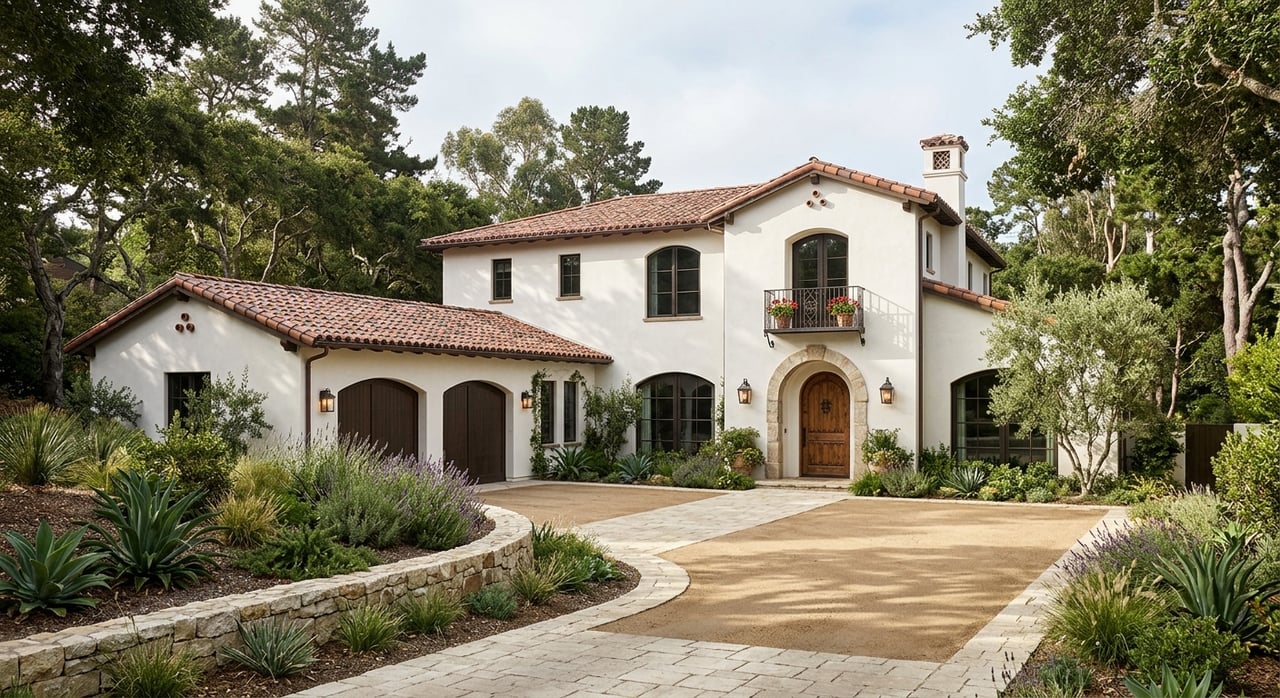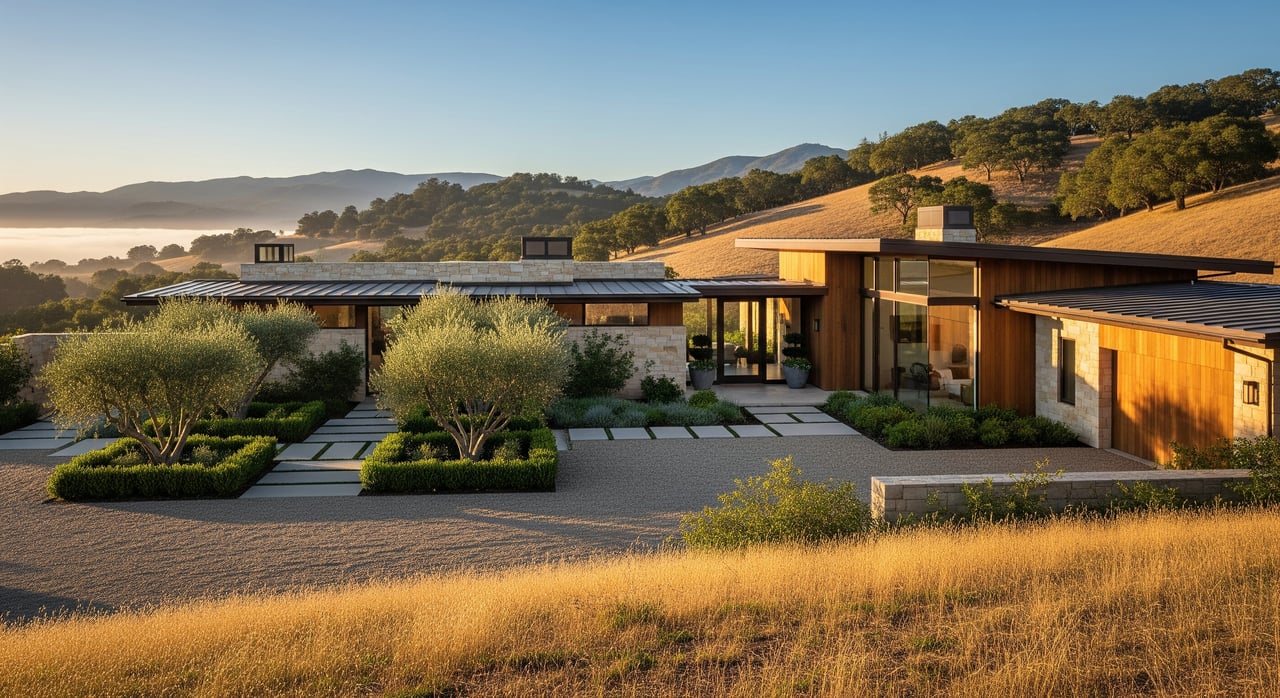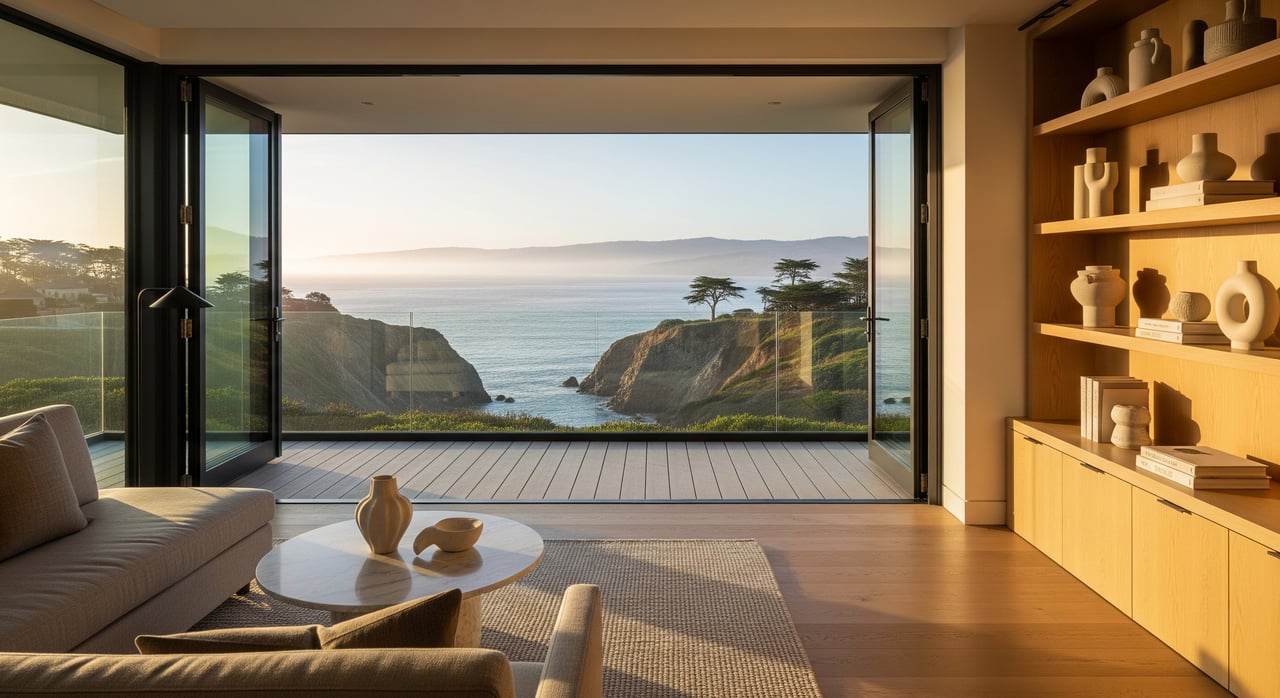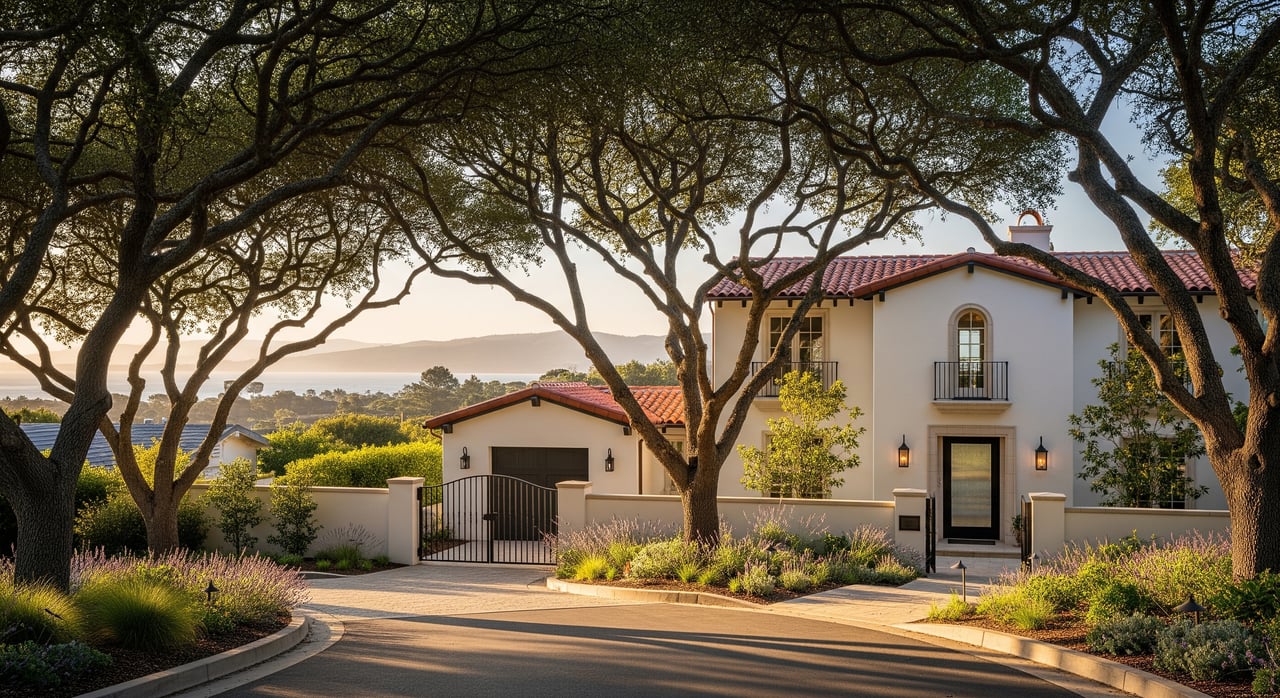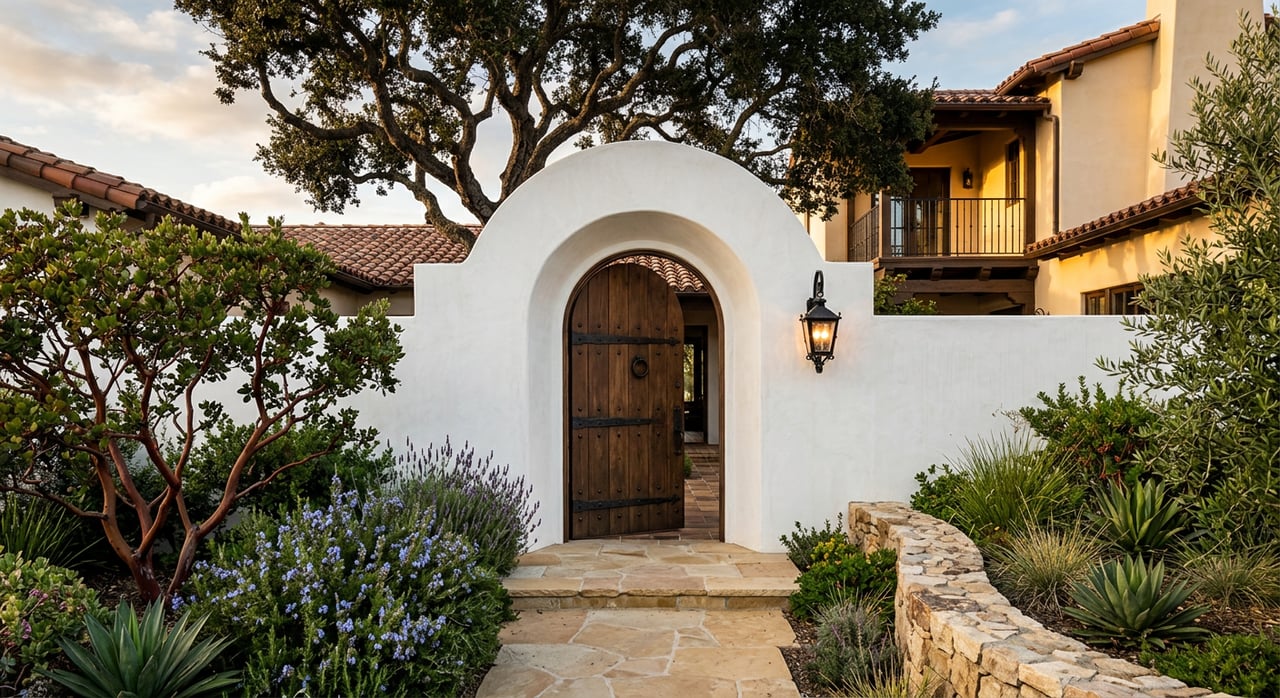
Thinking about buying inside The Santa Lucia Preserve? It is one of the most unique ownership experiences on the Monterey Peninsula, and it differs in key ways from a typical Carmel purchase. You want privacy, open space and access to world-class amenities, but you also need clarity on easements, design approvals, membership rules and ongoing obligations. This guide gives you the essentials so you can move forward confidently and structure a smart offer. Let’s dive in.
What makes the Preserve different
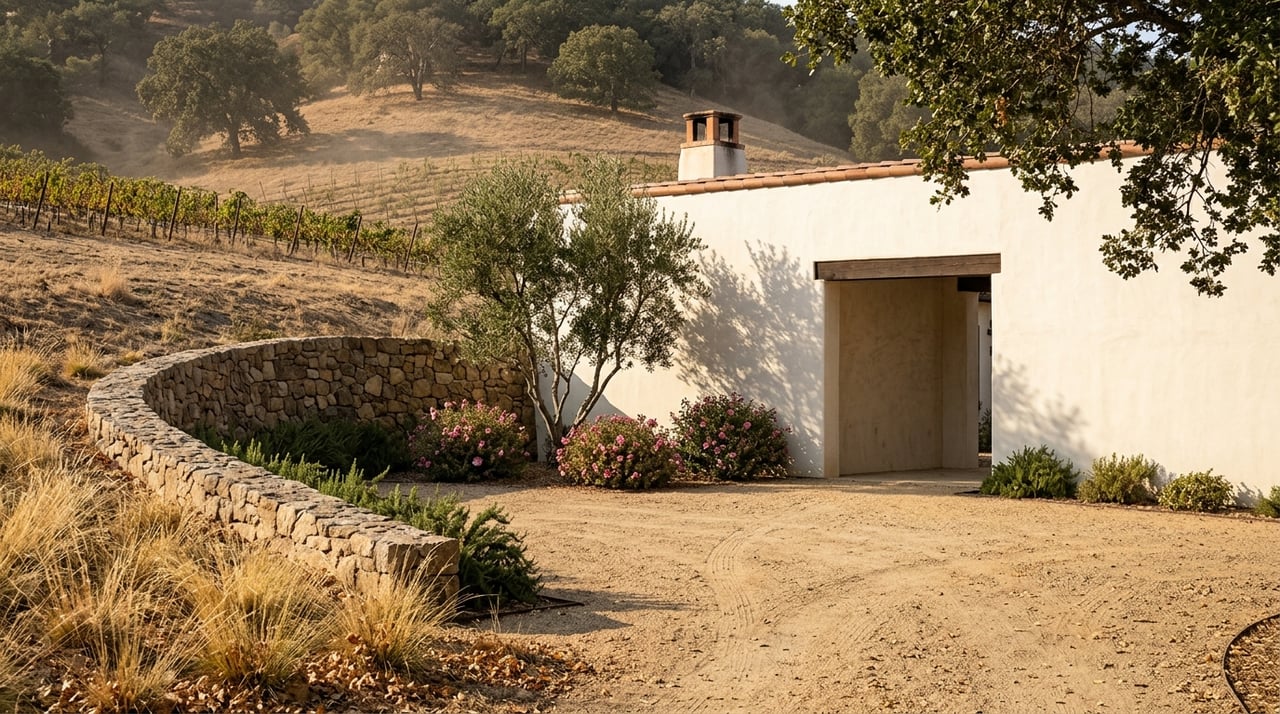
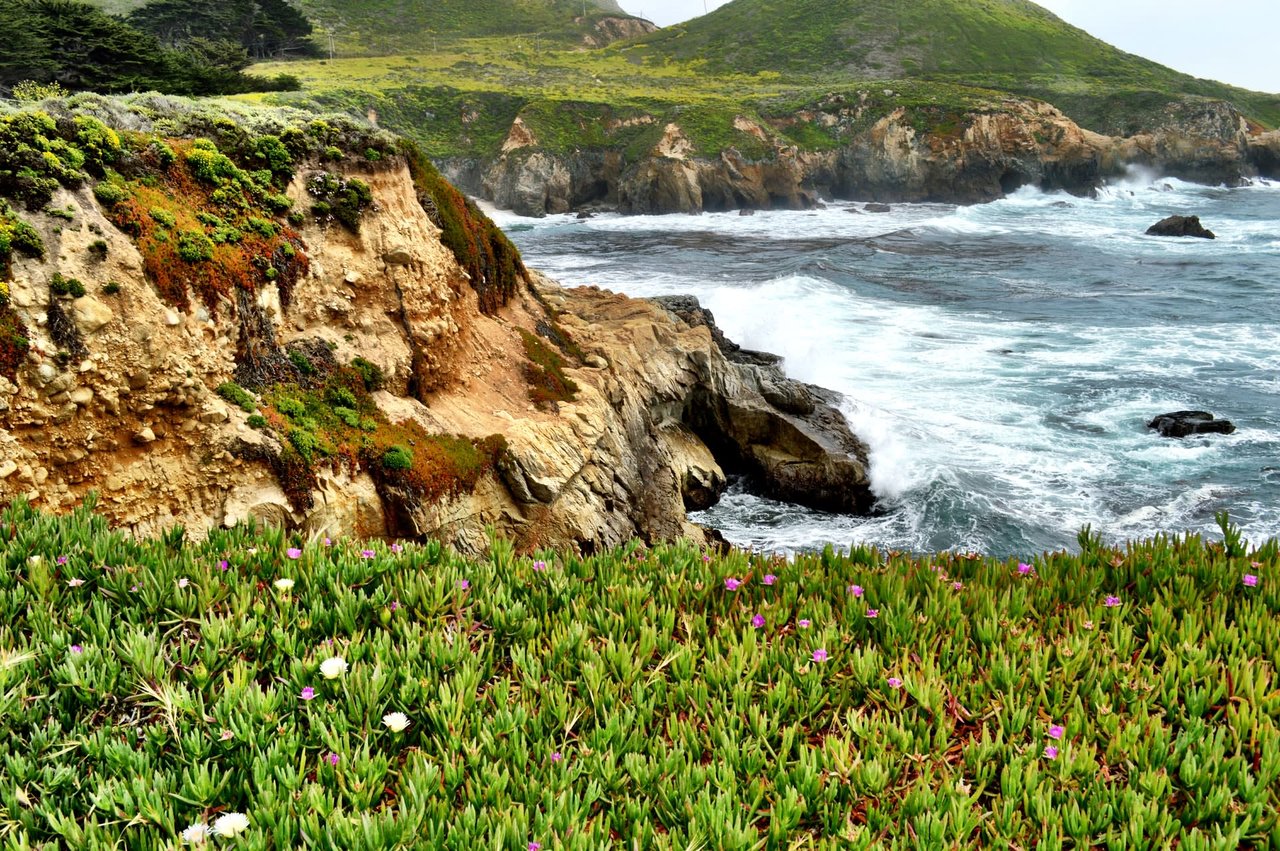
The Santa Lucia Preserve is a private, gated conservation community of about 20,000 acres, with roughly 18,000 acres permanently protected and fewer than 300 homesites overall. That scale and scarcity shape value and lifestyle inside the gates. You can confirm the community overview and acreage on the Preserve’s official site at the Santa Lucia Preserve.
What truly sets the Preserve apart is the conservation-first framework. The Santa Lucia Conservancy holds conservation easements that travel with the land and protect natural resources in perpetuity. These easements, combined with recorded Declarations and the Design Review Board process, make the Preserve very different from a standard HOA. Learn more about easements and protected values from the Conservancy’s overview of Openlands conservation easements.
Ownership of a lot or home is also separate from club membership. Access to golf, equestrian, sports, dining and lodging is governed by membership documents, not by the deed itself. You should confirm exactly which rights transfer with a sale and what requires a separate application or fee.
Who does what: key stakeholders
Santa Lucia Conservancy (SLC)
The Conservancy is an independent land trust. It holds and enforces the conservation easements on Openlands and participates in reviews where protected values are affected. It also sets policies for stewardship and fuel management in coordination with the community.
Santa Lucia Preserve Association and DRB
The Association administers recorded Declarations that function like CC&Rs. The Design Review Board (DRB) reviews architecture, siting and landscaping for compliance with Design Guidelines. DRB approvals are typically required before County permits and are coordinated with the Conservancy.
Community Services District (CSD)
The Santa Lucia Community Services District operates critical infrastructure and services, including potable water, wastewater systems, roads, gate security and refuse. It collects property-related fees and assessments that affect carrying costs. You can review system information on the CSD’s water and infrastructure page.
Clubs and Monterey County
The Ranch Club and the Preserve Golf Club operate amenities and set separate membership rules. Monterey County is the land-use authority that issues building and related permits. Many projects require both DRB approvals and County permits, often in that order.
Land use rules you must know
Homeland vs Openlands
Each lot has a designated building envelope known as the Homeland. Most land outside the Homeland is Openlands or Wildlands under conservation easements that restrict development and vegetation removal. Before you write an offer, confirm the recorded Homeland boundary for the specific parcel and review any Openlands restrictions. The Conservancy explains the framework for Openlands in its guide to conservation easements.
Design Guidelines and DRB workflow
The Preserve uses a staged DRB process that can include pre-sale consultations, pre-design, conceptual, preliminary and final reviews, plus construction monitoring. If you plan to build or remodel, factor DRB timelines into your schedule and budget. You can get an overview of expectations under the Preserve’s building and design resources.
Easement permanence
Conservation easements are intended to be permanent. The Conservancy’s Easement Amendment Policy allows changes only under narrow public-interest conditions and includes stewardship costs. Do not assume you can move a Homeland boundary or relax an easement. Review the Easement Amendment Policy to understand the standard.
Amenities and membership realities
The Preserve’s amenities are a major draw: a Tom Fazio golf course, Equestrian Center, Sports Center, pool, dining, lodging and Moore’s Lake. Access depends on your membership category and club rules, which are separate from fee simple title. The golf club offers multiple categories, including options available to certain non-residents. Confirm initiation fees, dues, transfer rules and any wait lists directly with the club. Start with the Preserve’s golf and club information.
Some Openlands areas also carry recorded “Ranch Club reserved rights” that outline permitted Ranch uses on or near certain parcels. Ask for the exact reservations recorded against the APN you are considering. The Conservancy provides helpful landowner resources that explain stewardship and documents to review.
Utilities, wildfire and ongoing costs
Water, wastewater, roads and fees
The CSD runs water production and delivery, the central wastewater system in certain areas, private roads, gate/security and refuse. Owners pay related assessments and fees that affect carrying cost. Before you commit, request the property’s CSD account history, connection status and any pending assessments. The CSD outlines services and contact points on its water and infrastructure page.
Sewer vs septic
Some parcels connect to the central sewer grid, while many rely on individually accepted septic systems. Confirm which applies to your lot, ask for recent septic inspection and pump records if applicable, and verify whether any upgrades are required for renovations or additions.
Wildfire and fuel management
The Preserve enforces robust Fuel Management Standards and typically requires a Conservancy-approved Lot-Specific Fuel Management Plan as part of the DRB process. Expect ongoing vegetation management and defensible-space duties that are stricter than many suburban neighborhoods. Review the community’s Fuel Management Standards so you understand materials, clearances and approval workflows.
Association and club budgets
Your total monthly or annual spend can include SLPA assessments, CSD fees, and club dues if you choose or are required to maintain memberships. Ask for the latest budgets, estoppel letters and meeting minutes to understand upcoming capital projects or special assessments. The CSD posts key records in its document library.
Resale dynamics and pricing drivers
Inventory is limited with fewer than 300 homesites, which supports premium pricing. At the same time, the buyer pool is specialized. Many prospects are seeking a conservation lifestyle, privacy and curated amenities. Turnover can be lower and sales cycles can take longer than in central Carmel. See the Preserve’s real estate overview to understand the niche and available inventory at The Preserve real estate resource.
Carrying costs matter in underwriting. CSD fees, SLPA assessments and club dues affect net yield and long-term affordability. Membership initiation or transfer fees can be significant and are set by club agreements rather than recorded title. Build these numbers into your comparisons early so you do not have to renegotiate late in escrow.
What to request before you write an offer
Gather these documents and confirmations up front so you can write clean, confident terms:
- Recorded deed, legal description and a current title report with all easements and liens.
- The recorded Declarations for Homelands and Openlands, plus any amendments.
- The parcel’s recorded conservation easement deed and any Baseline Documentation Report or Openlands plan.
- Any recorded Ranch Club reserved rights affecting the lot. You can learn what to request from the Conservancy’s landowner resources.
- The full DRB file for the property, including all approvals, conditions and construction monitoring notes.
- Current Design Guidelines and recent DRB minutes affecting the lot. See the Preserve’s building and design resources.
- Any Lot-Specific Fuel Management Plan and the community’s Fuel Management Standards.
- CSD records: account statements for water and wastewater, sewer or septic confirmation, septic inspection records if applicable, and any pending assessments. Start with the CSD’s water and infrastructure page.
- SLPA estoppel letter, budgets, audited financials, reserve study if available, and any notices of violation or special assessments. The CSD’s document library is a useful reference for public documents.
- Club documents: bylaws, membership agreements, transfer rules, initiation fees, dues and any waiting list information. Begin with the golf and club information.
- County permit and map history for the parcel, including the recorded Homeland boundary and any prior amendments.
- An ALTA or boundary survey confirming improvements are within the Homeland.
- Insurance history and any wildfire retrofit or home-hardening requirements.
Key questions to ask while you collect documents:
- Is the Homeland boundary recorded exactly as shown on the seller’s plans, and have any map amendments been processed with the County?
- Which conservation easement deed encumbers the parcel, and has the Conservancy issued any notices or required remediation in the past?
- Is the property on central sewer or an accepted septic system, and are there pending CSD assessments that will affect the buyer?
- Which memberships are included or transferable, what are the initiation or transfer costs, and who must approve the transfer?
- Are there any open DRB conditions, construction punch items or landscaping compliance issues?
How to structure a preserve-friendly offer
You can use standard contingencies, then layer in Preserve-specific items and timing:
- Title review and preliminary report: 7 to 14 days.
- SLPA disclosures and estoppel review: 7 to 14 days.
- CSD account and utility confirmation: 7 to 14 days.
- Physical inspections: structural, pest, septic and wildfire-hardening assessment: 10 to 21 days.
- DRB review contingency if you plan to remodel or build. Allow extra time. The DRB is multi-stage and any change that touches Openlands can require Conservancy input. Build in additional weeks or months as needed.
If you are an investor or plan significant renovations, schedule a preliminary DRB consultation during the conditional period and ask the CSD to confirm capacity or connection feasibility before you waive contingencies. This early diligence helps avoid re-trades and delays.
Next steps
Buying inside The Santa Lucia Preserve is rewarding when you understand the rules of the road. Focus on three essentials: conservation easements, DRB design controls and club membership terms. With the right team and documents in hand, you can protect your timeline, control costs and enjoy an exceptional lifestyle.
If you are considering a move, we can help you organize due diligence, coordinate with the Conservancy, the DRB and the clubs, and structure a clean offer that reflects Preserve realities. Schedule a local consultation with Carmel Coast Realty.
FAQs
What is the Homeland vs Openlands inside the Preserve?
- The Homeland is your pre-defined building envelope for structures and immediate landscaping, while Openlands are protected areas under conservation easements that strictly limit development and vegetation removal.
Do amenities and club access transfer automatically when you buy?
- Not always. Access to golf, equestrian, sports and dining depends on separate club membership agreements, categories, fees and approval rules that you must confirm during due diligence.
How does the Design Review Board process affect my build or remodel?
- Most exterior work goes through staged DRB review, often before County permits. Expect conceptual through final approvals and construction monitoring, and plan extra time in your schedule.
Which utilities and services does the CSD provide to owners?
- The CSD operates potable water, parts of the wastewater system, roads, gate security and refuse services, and it collects related fees and assessments that affect carrying costs.
What wildfire requirements should I expect as an owner?
- The Preserve enforces Fuel Management Standards and typically requires a Lot-Specific Fuel Management Plan, defensible space and compatible materials, with ongoing vegetation management duties.