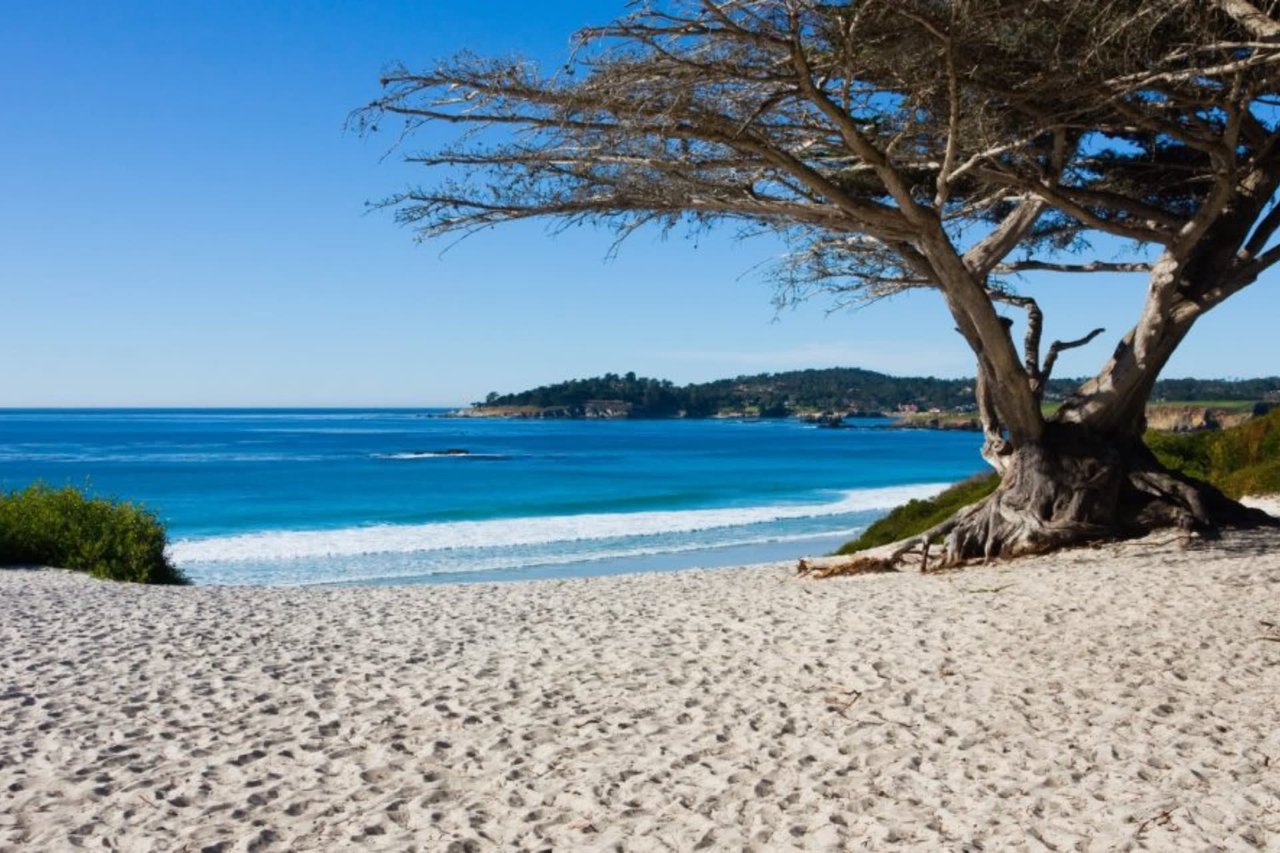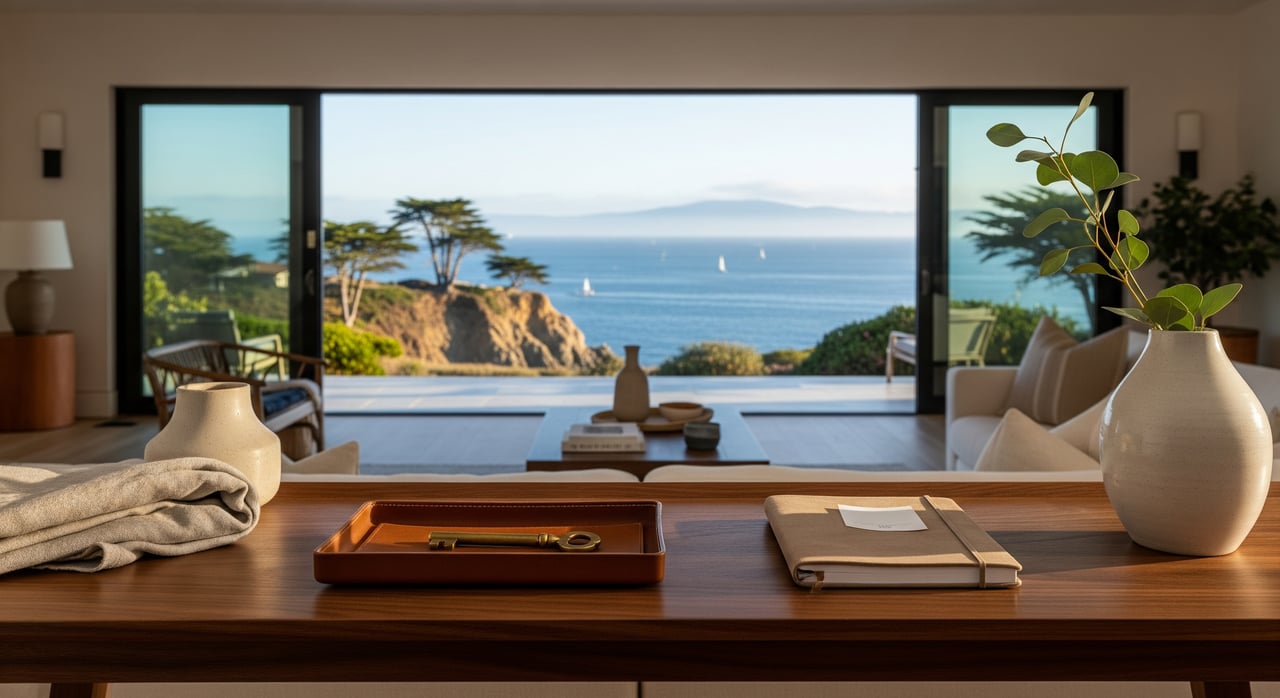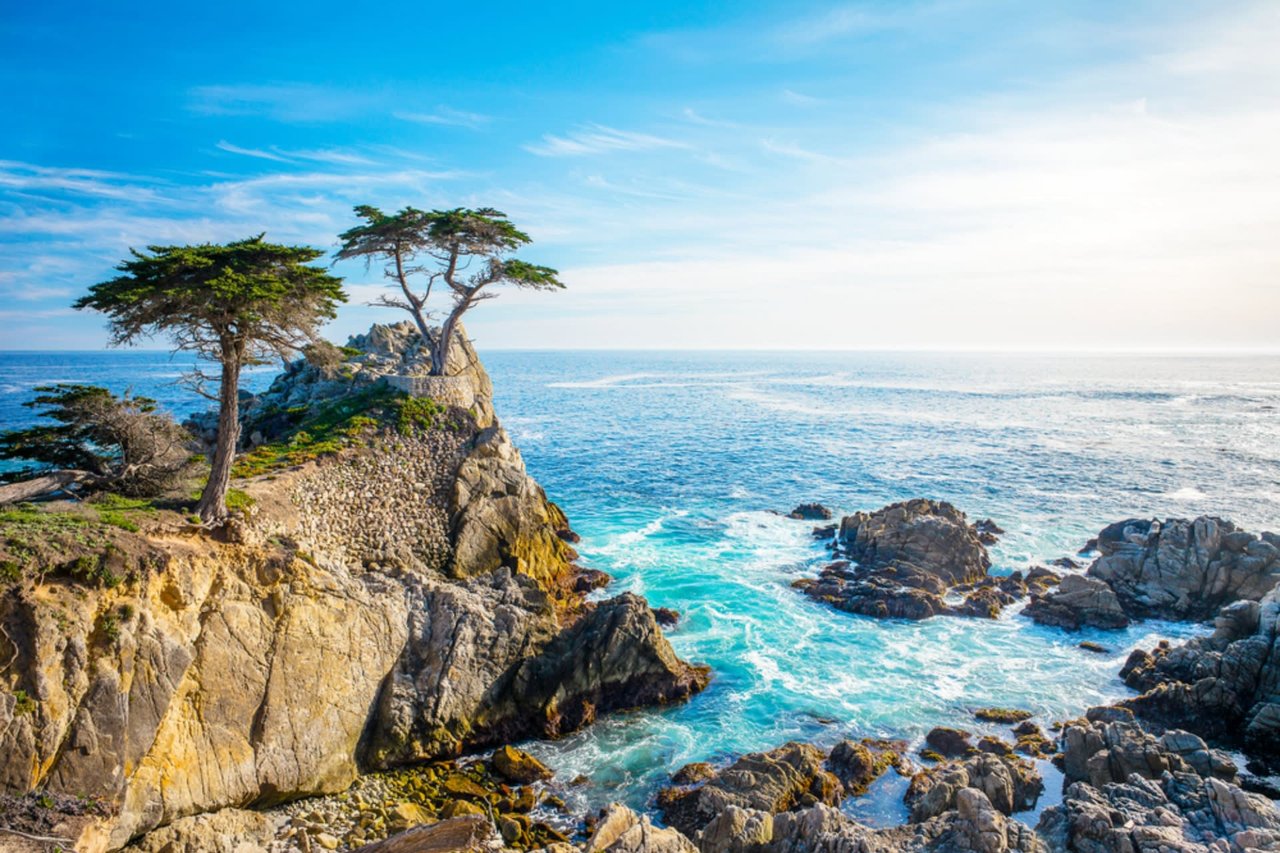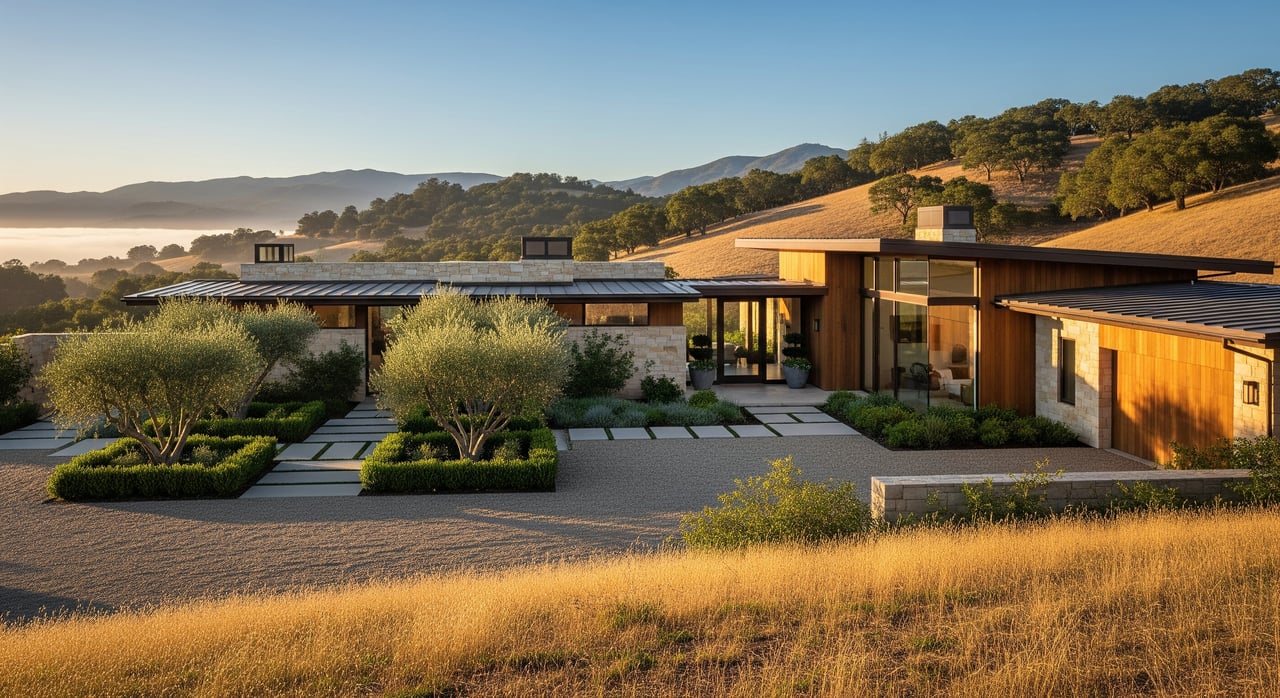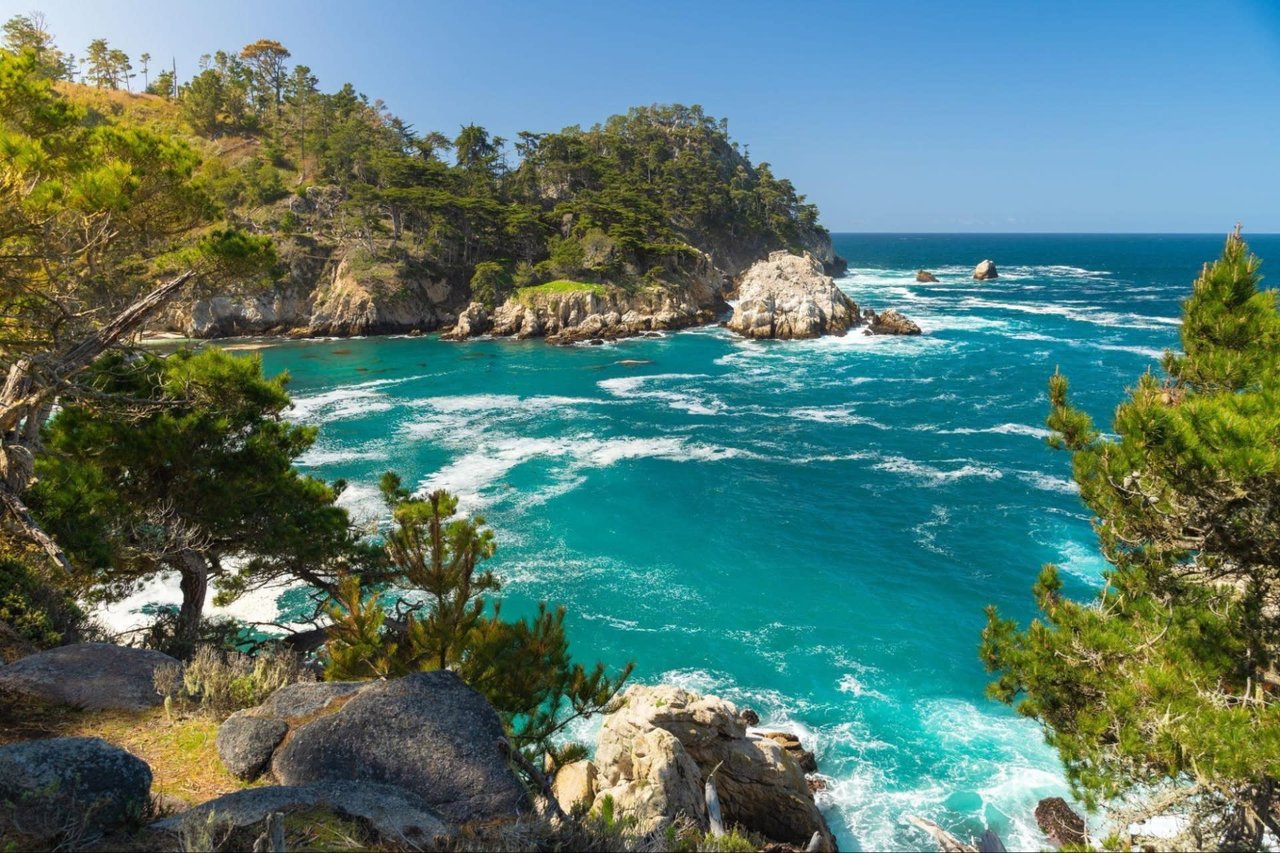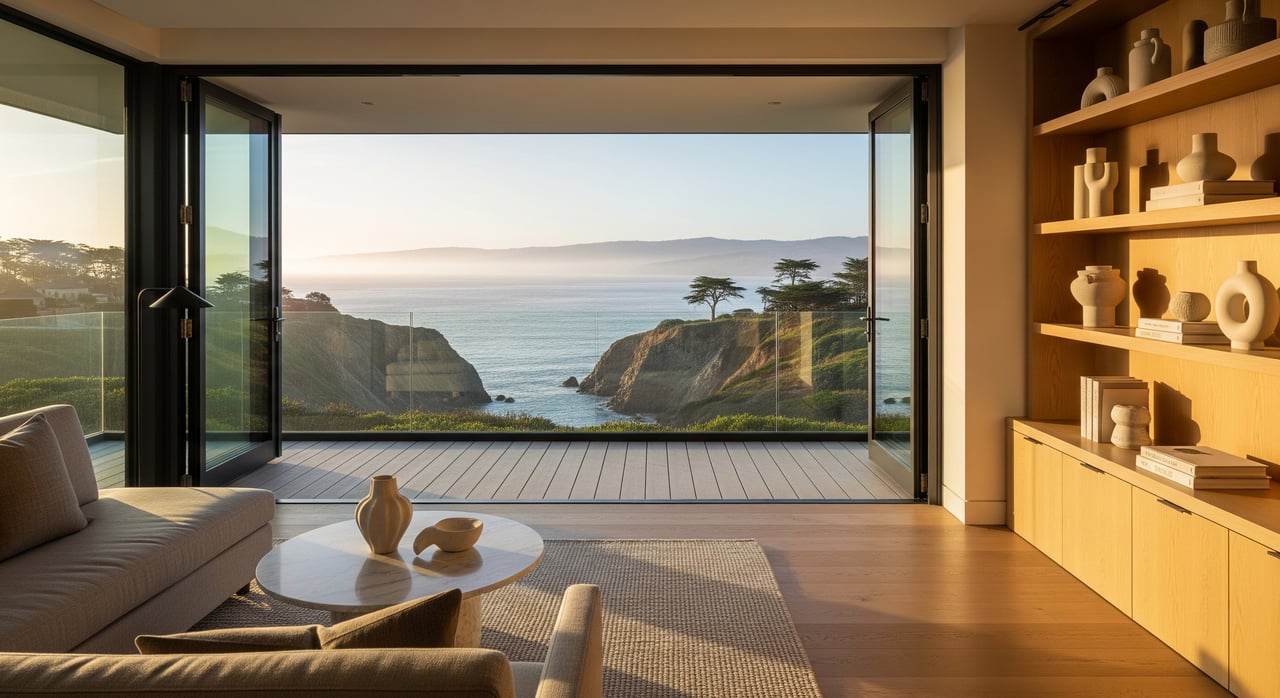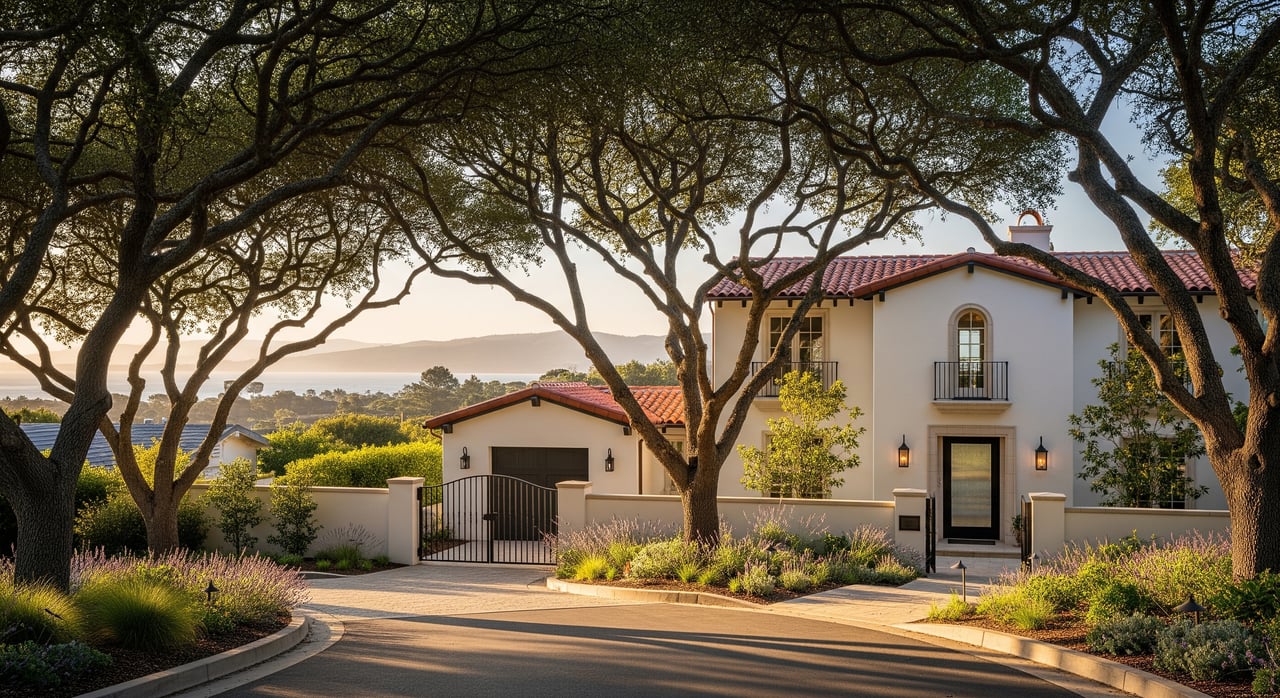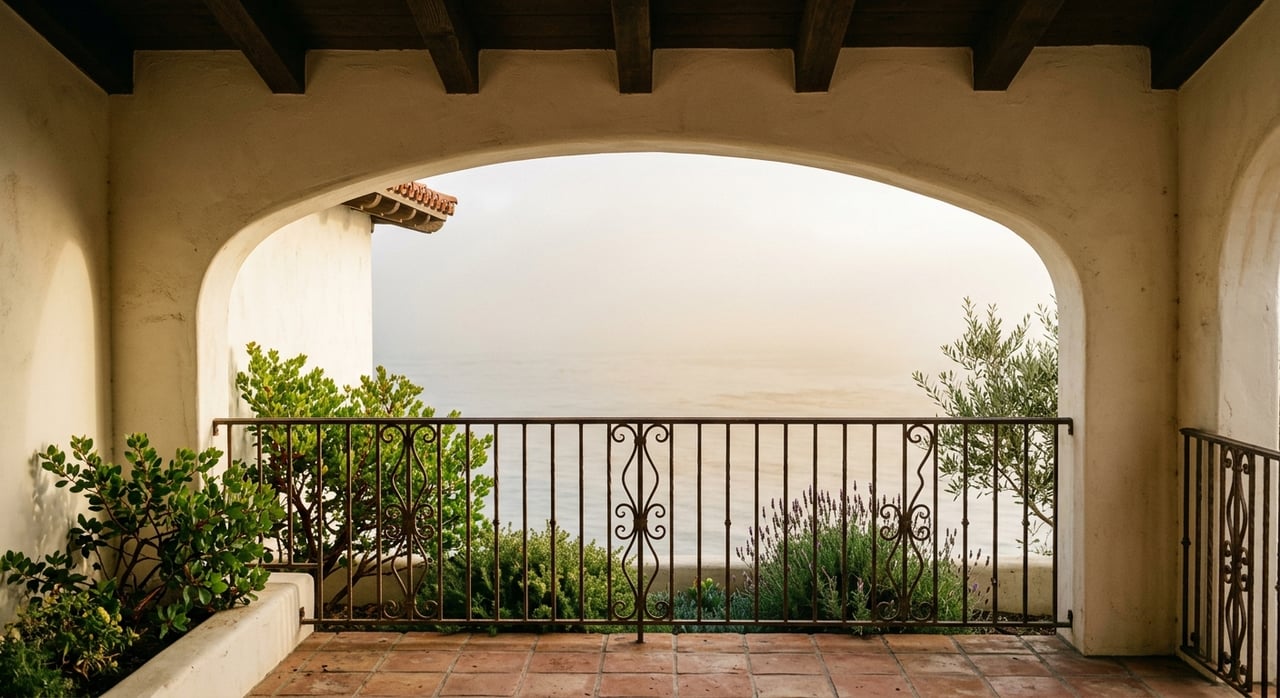
If you picture your ideal coastal escape, one question matters more than almost anything else: do you want convenience with drama, or seclusion with drama? That choice sits at the heart of deciding between Carmel Highlands and Big Sur for an oceanfront retreat. Both offer spectacular shoreline settings, mild coastal weather, and homes shaped by the landscape, but the day-to-day ownership experience can feel very different. Let’s dive in.
Carmel Highlands vs Big Sur at a glance
If you are comparing these two Monterey County locations, the biggest difference is not beauty. It is how connected or remote you want your retreat to feel.
Carmel Highlands sits just south of Carmel-by-the-Sea along Highway 1 and generally benefits from the broader Carmel and Monterey service network. Big Sur offers a more remote, self-reliant coastal experience, with extremely limited cell service in some areas and a stronger emphasis on rural support systems and local emergency coordination.
Choose Carmel Highlands for easier access
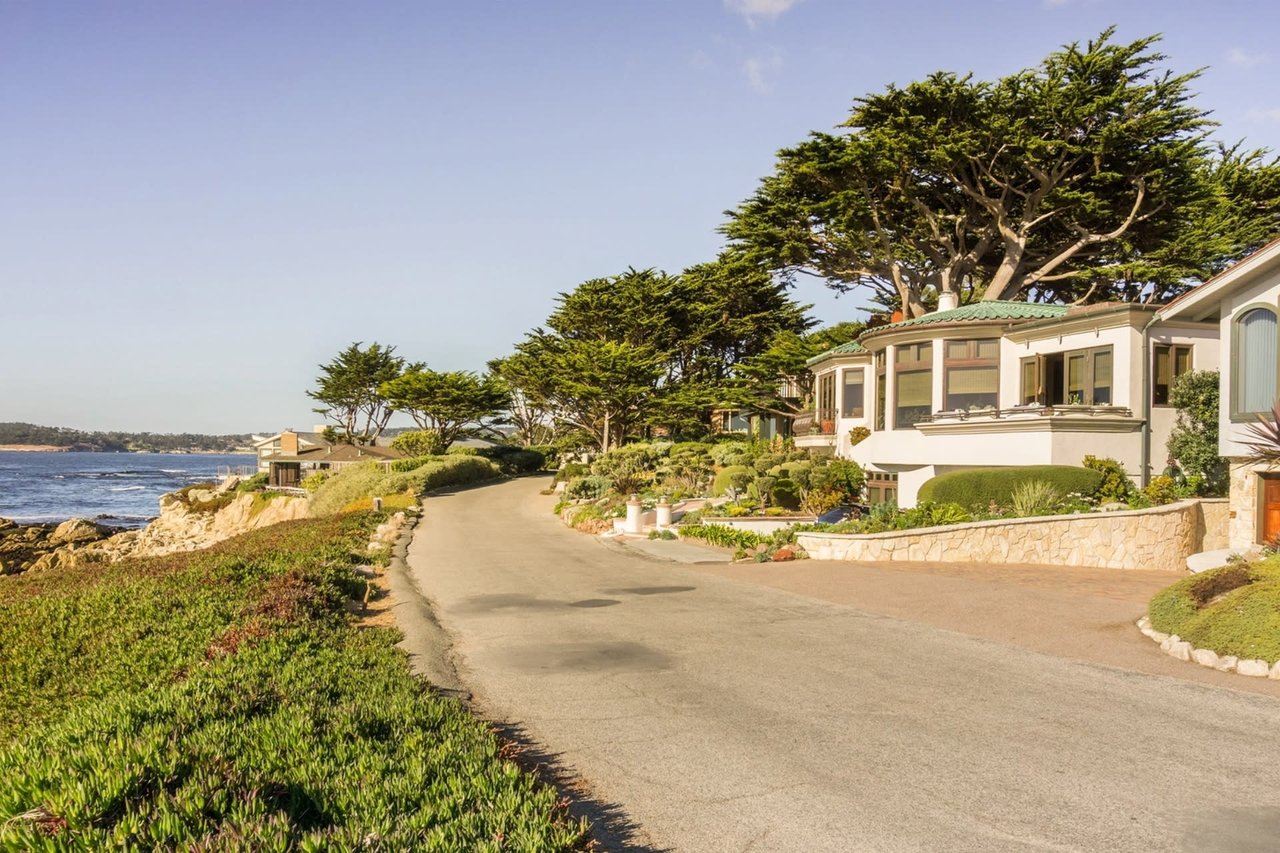
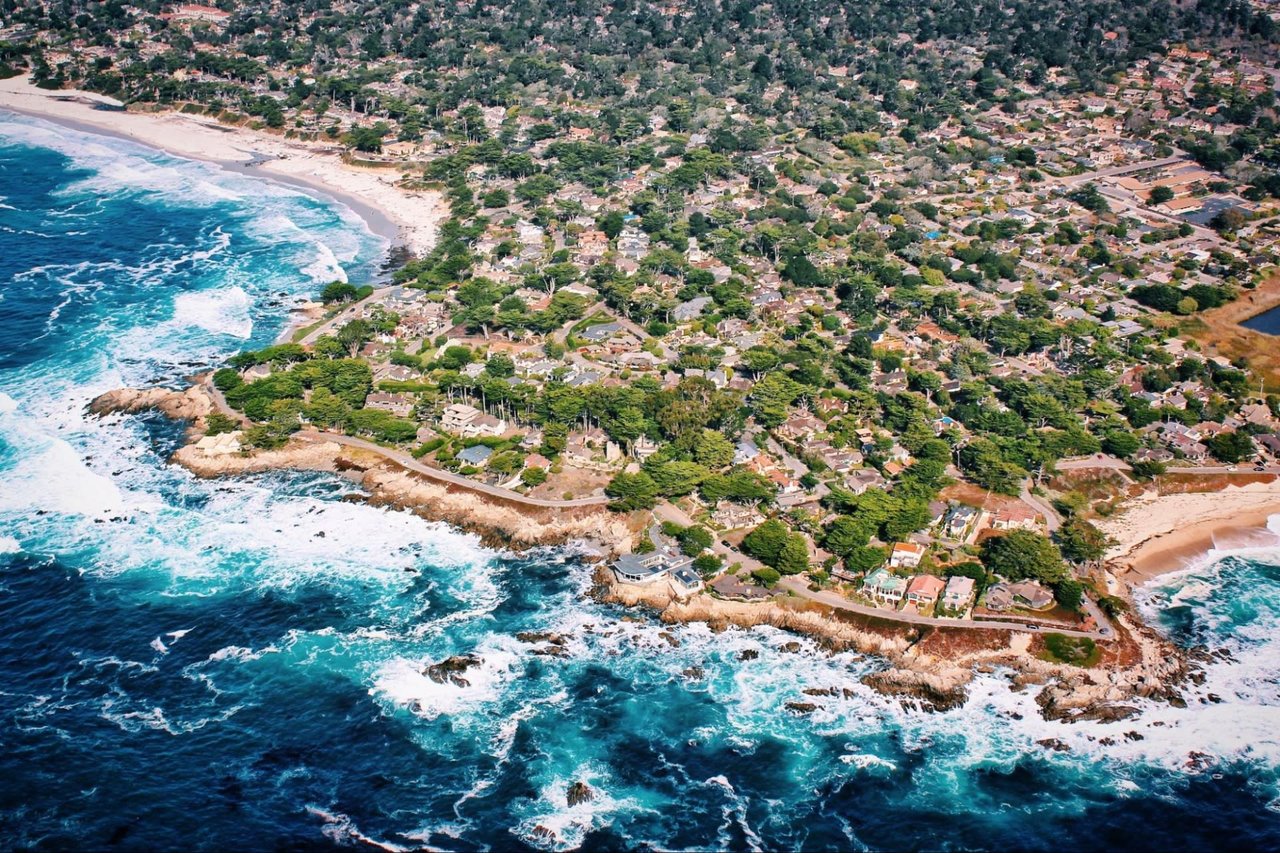
Carmel Highlands tends to fit buyers who want dramatic ocean views without stepping too far away from everyday conveniences. Its location near Carmel-by-the-Sea means you are closer to restaurants, hotels, and the larger visitor-services ecosystem that supports the Monterey Peninsula.
That difference can matter more than buyers expect. If you plan to use your property often, host visiting friends, or want a second home that feels easier to reach and manage, Carmel Highlands usually offers a more conventional ownership experience.
What daily life may feel like
In practical terms, Carmel Highlands often feels tied into the Peninsula’s broader rhythm. You are near the services and activity centered around Carmel and Monterey, while still getting the cliffside, ocean-view character that draws people to this stretch of coast.
That can make ownership simpler for part-time residents. If you live out of the area and want a retreat that feels special without feeling too isolated, Carmel Highlands may strike a comfortable balance.
Emergency and service support
Carmel Highlands Fire Protection District provides fire protection and emergency paramedic services through a CAL FIRE contract. For many buyers, that adds to the sense that Carmel Highlands is connected to a more established local support network.
No coastal property is maintenance-free, especially in wildfire-prone areas, but Carmel Highlands can feel more straightforward for owners who want easier access to services and response resources.
Choose Big Sur for maximum retreat feeling
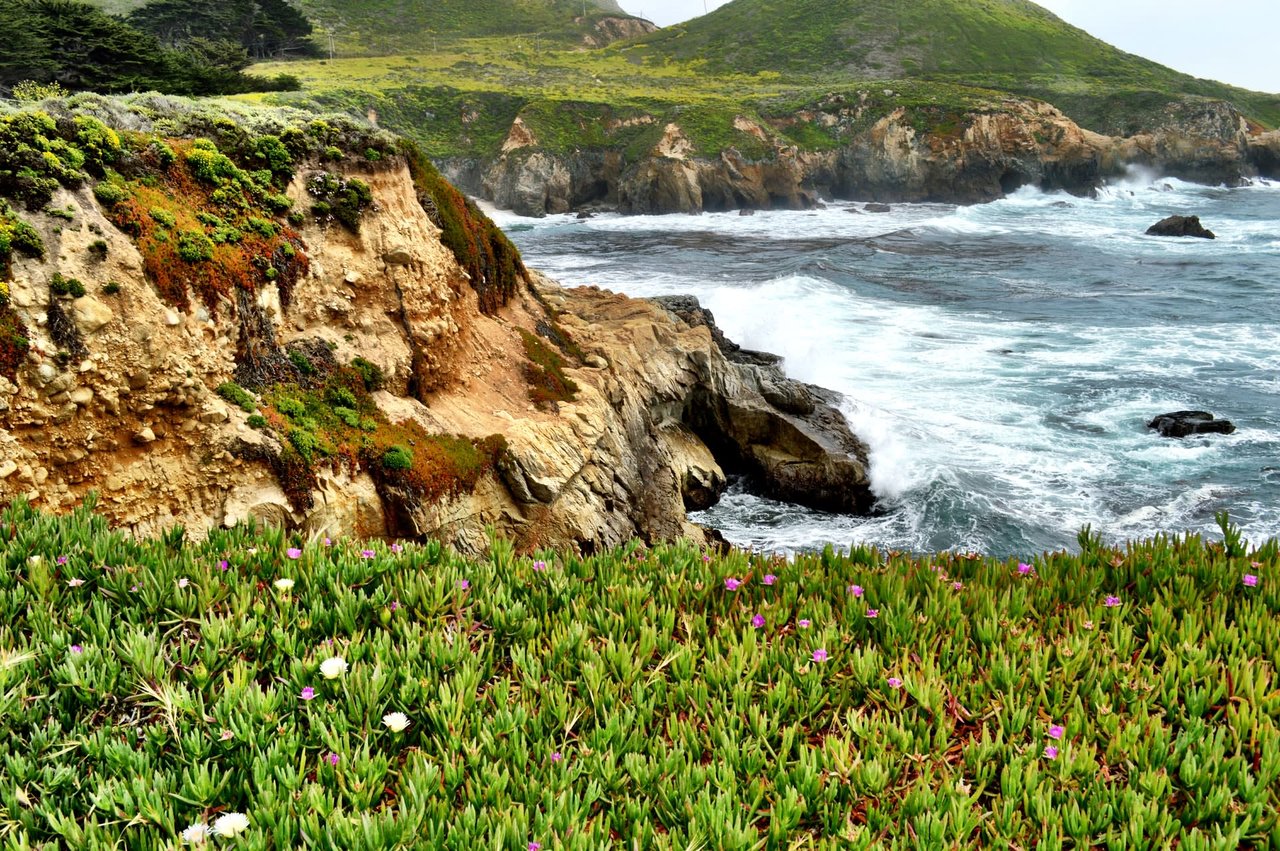
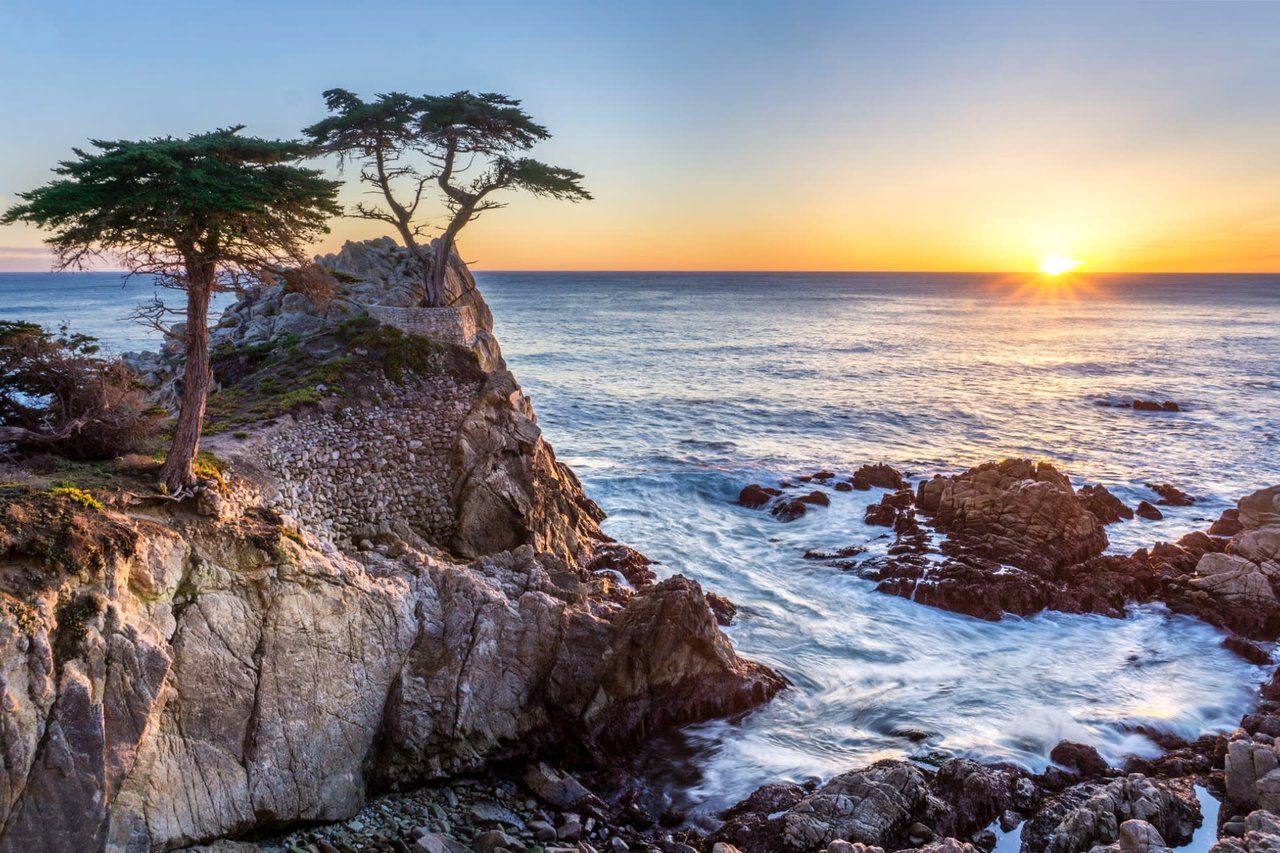
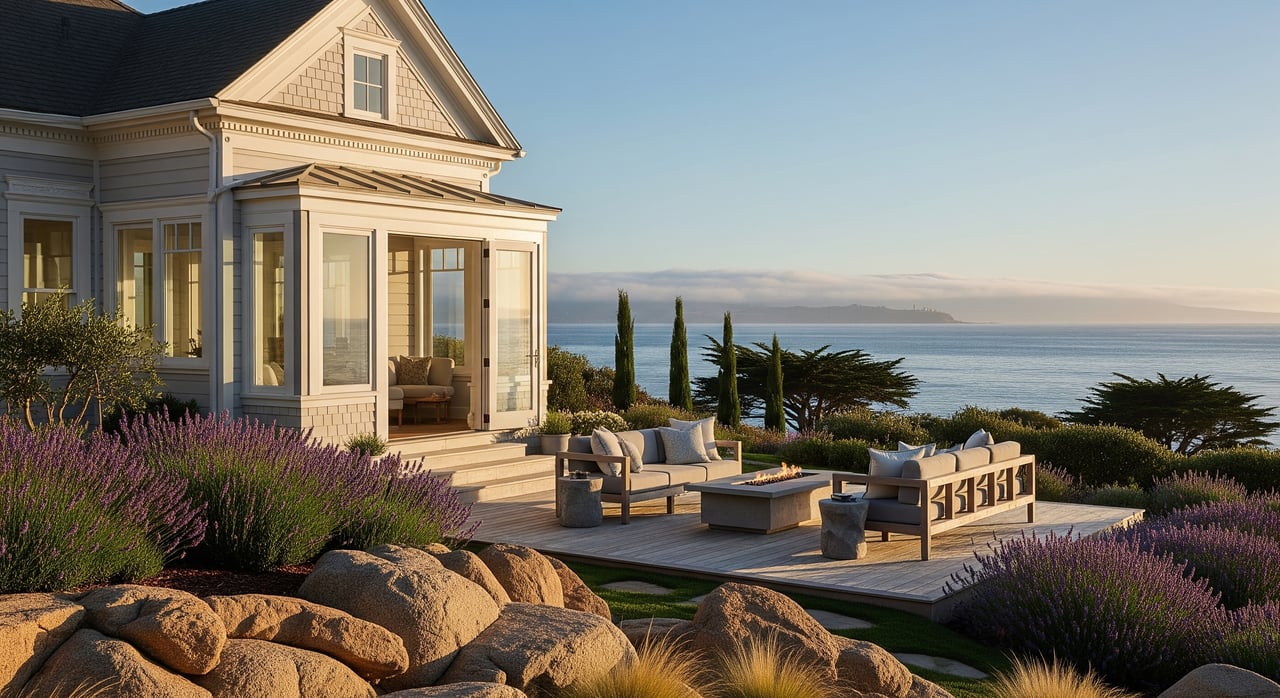
Big Sur is the choice for buyers who want a retreat that feels truly removed from the everyday. The landscape is iconic, the properties can be more private and acreage-oriented, and the overall experience leans more strongly toward seclusion.
That seclusion comes with tradeoffs. California State Parks notes that Big Sur Station serves as an information center and emergency coordination location for the community and visitors, and cell phone service is extremely limited there.
What makes Big Sur distinct
Big Sur often appeals to buyers who want space, privacy, and a deeper sense of escape. Public listing examples show a market that can include rustic cabins, barn-style homes, contemporary retreats, and larger compound-like properties shaped by the terrain.
If your goal is to disconnect, protect privacy, and immerse yourself in the landscape, Big Sur can deliver a retreat experience that feels hard to replicate elsewhere.
Emergency response and local systems
Big Sur Fire describes itself as the primary 911 emergency response organization for Big Sur, with wildfire, medical, technical rescue, and hand-crew capacity. The broader community also includes local support systems such as a health center with urgent-care services, a public library with high-speed internet, and a K-5 school.
Still, these services are built around a rural coast. Buyers considering Big Sur should be comfortable with a more self-reliant ownership mindset.
Highway 1 matters more in Big Sur
For many buyers, access becomes the deciding factor. Caltrans reports that the Regent’s Slide emergency project closed a 6.8-mile segment of Highway 1 in Monterey County before reopening on January 14, 2026, after emergency repairs tied to geologic activity and adverse weather.
That does not mean Big Sur is off-limits. It does mean that road conditions and route disruptions are part of the ownership reality, especially compared with Carmel Highlands.
Why access affects your retreat lifestyle
If you plan frequent weekend use, need predictable travel times, or want easier coordination for maintenance and property oversight, Carmel Highlands may feel less complicated. If you are comfortable planning around the road and treating access as part of the tradeoff for privacy, Big Sur may still be the better fit.
This is one of the clearest distinctions between the two locations. The farther you lean toward solitude, the more important it becomes to think honestly about logistics.
Home styles and property character
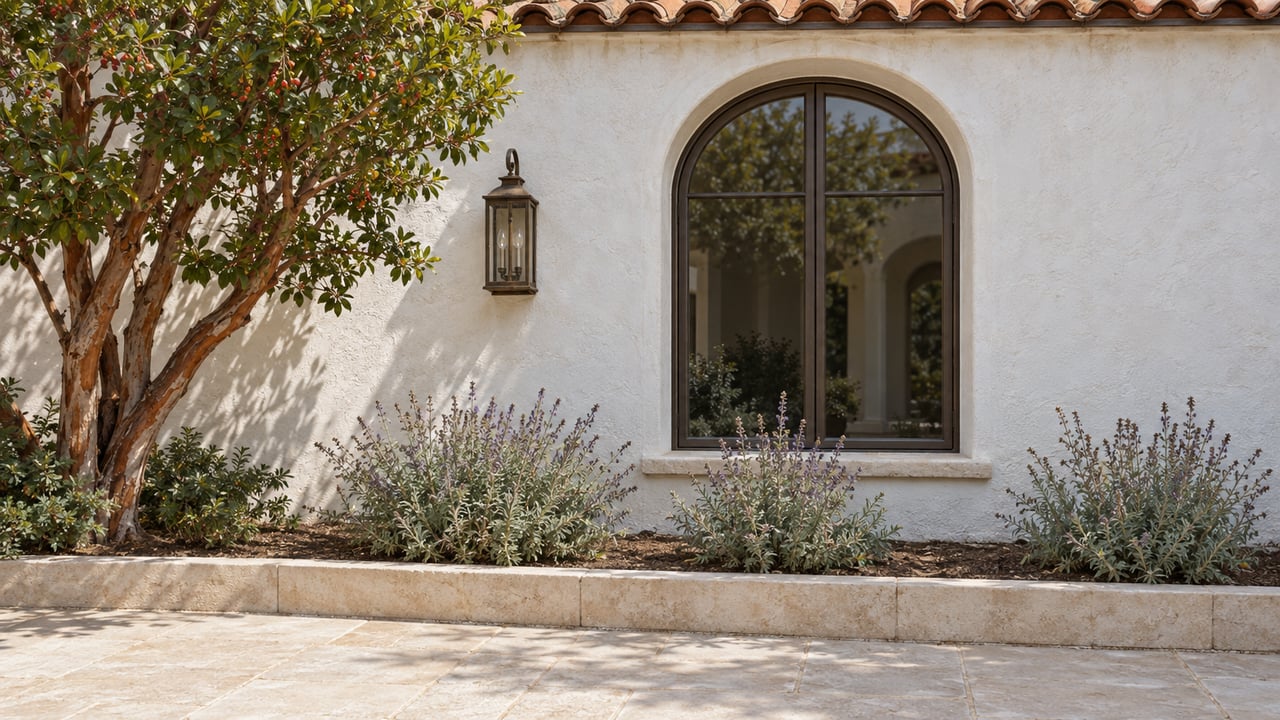
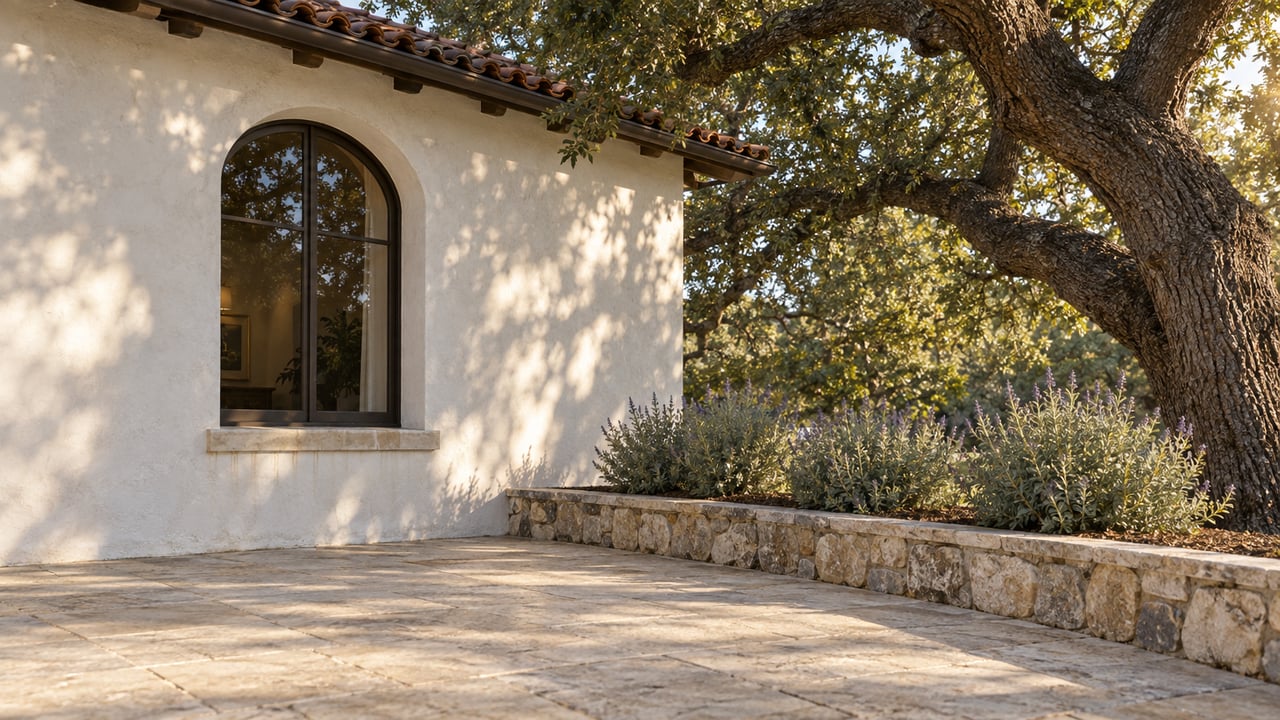
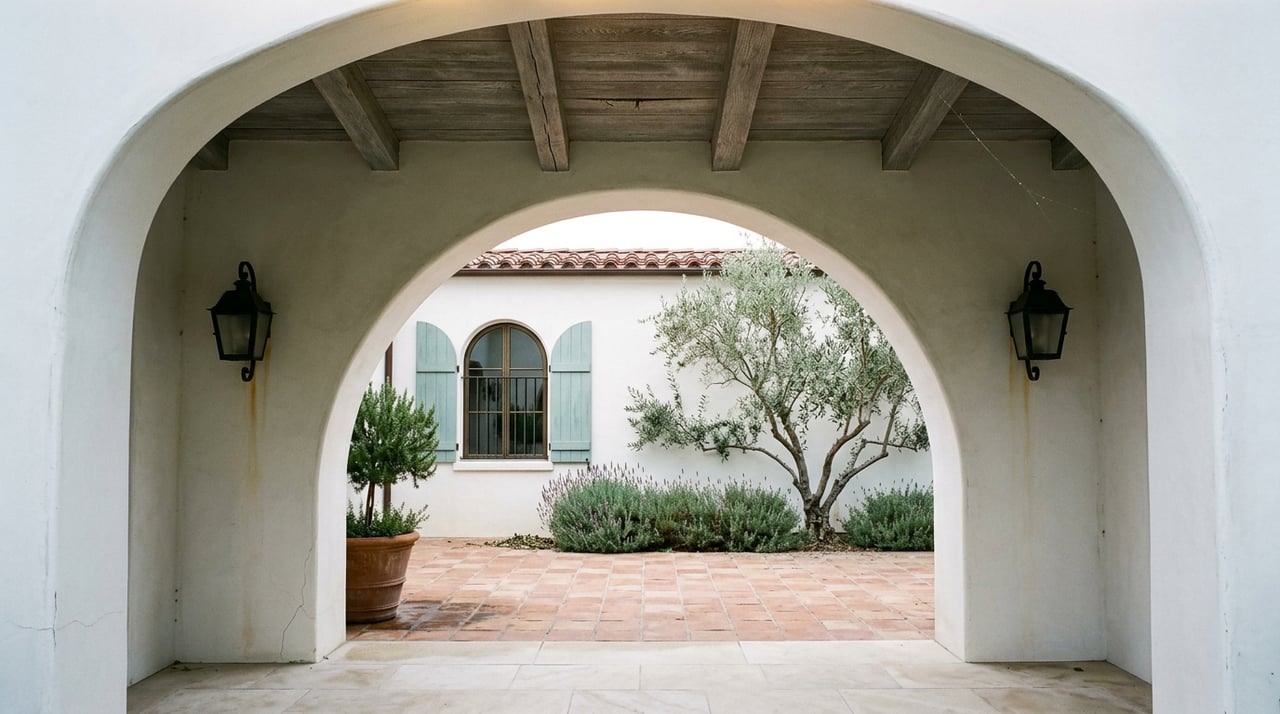
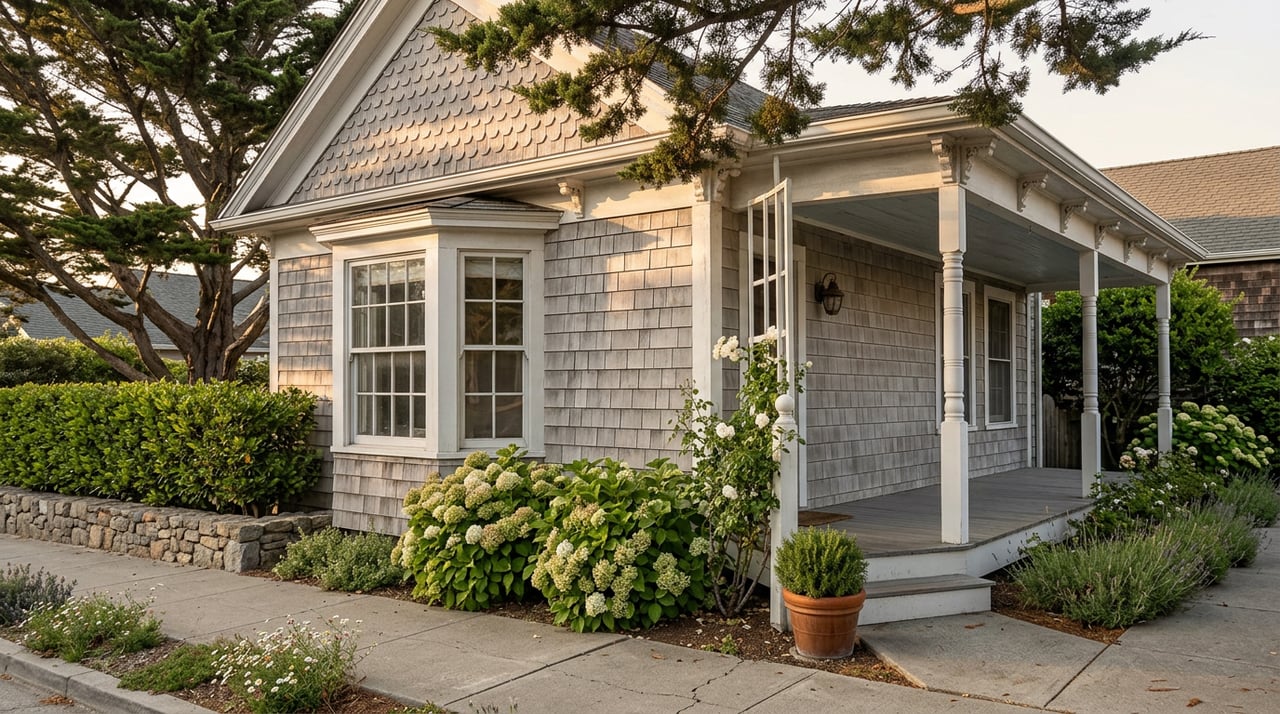
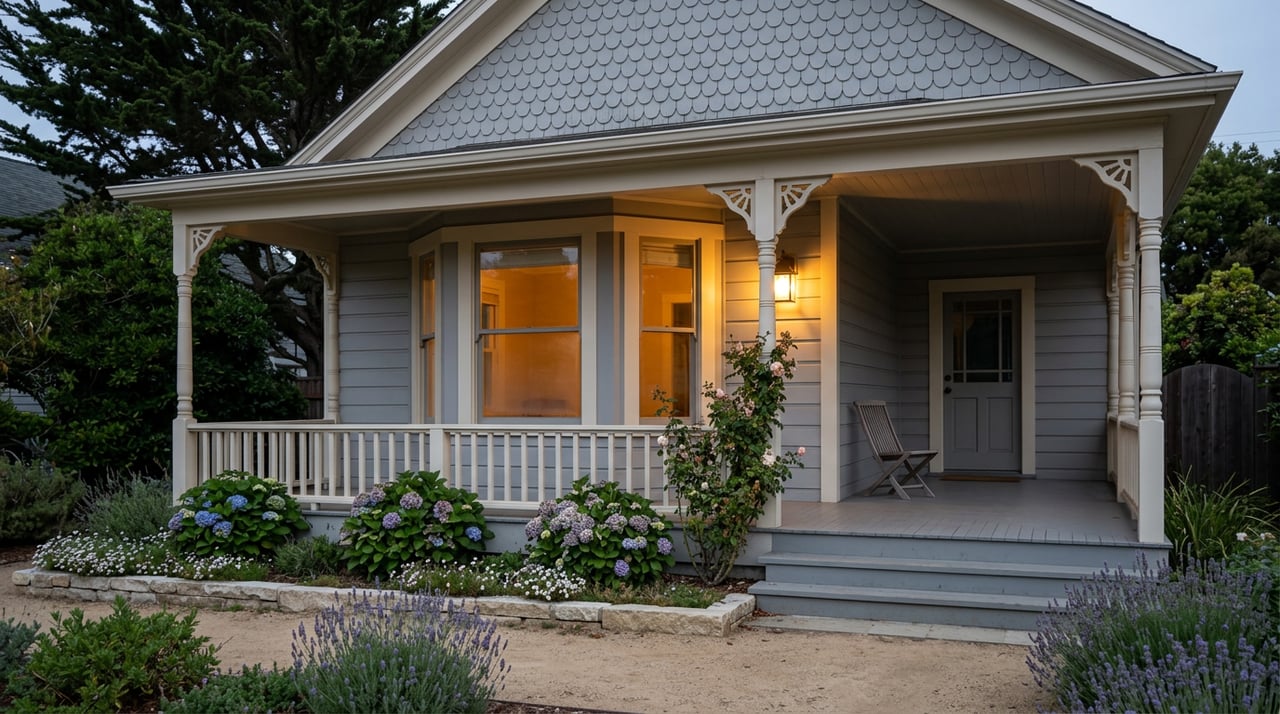
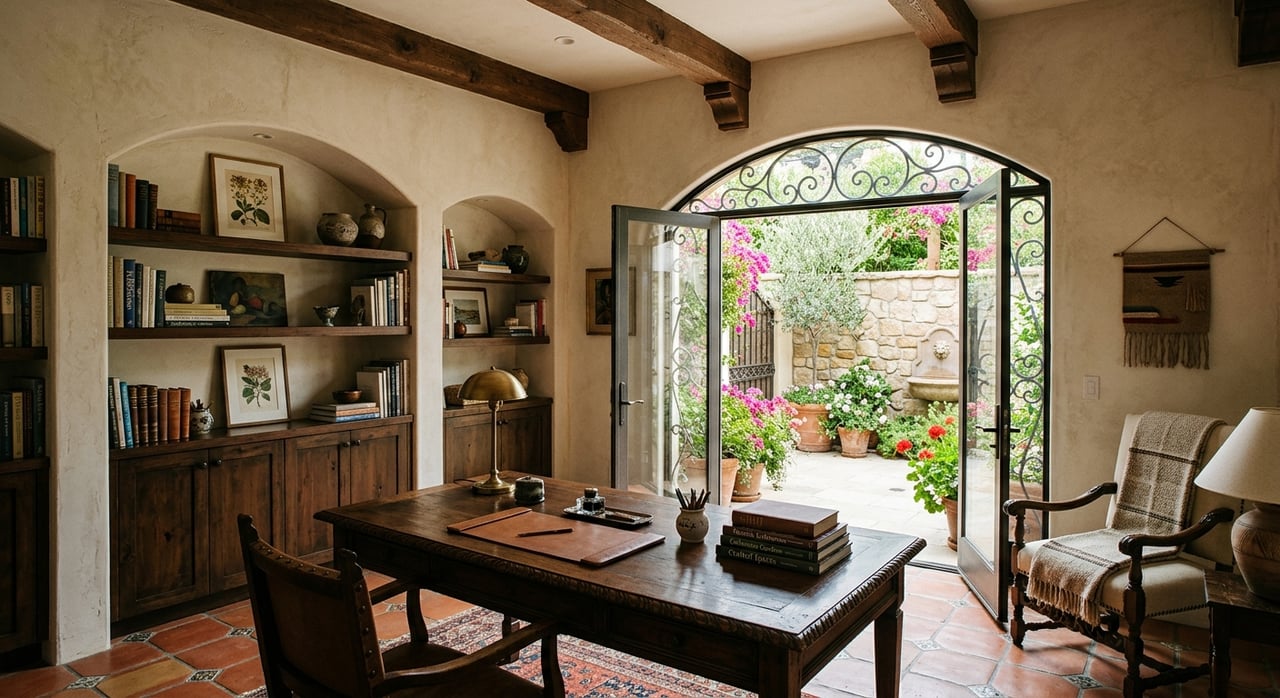
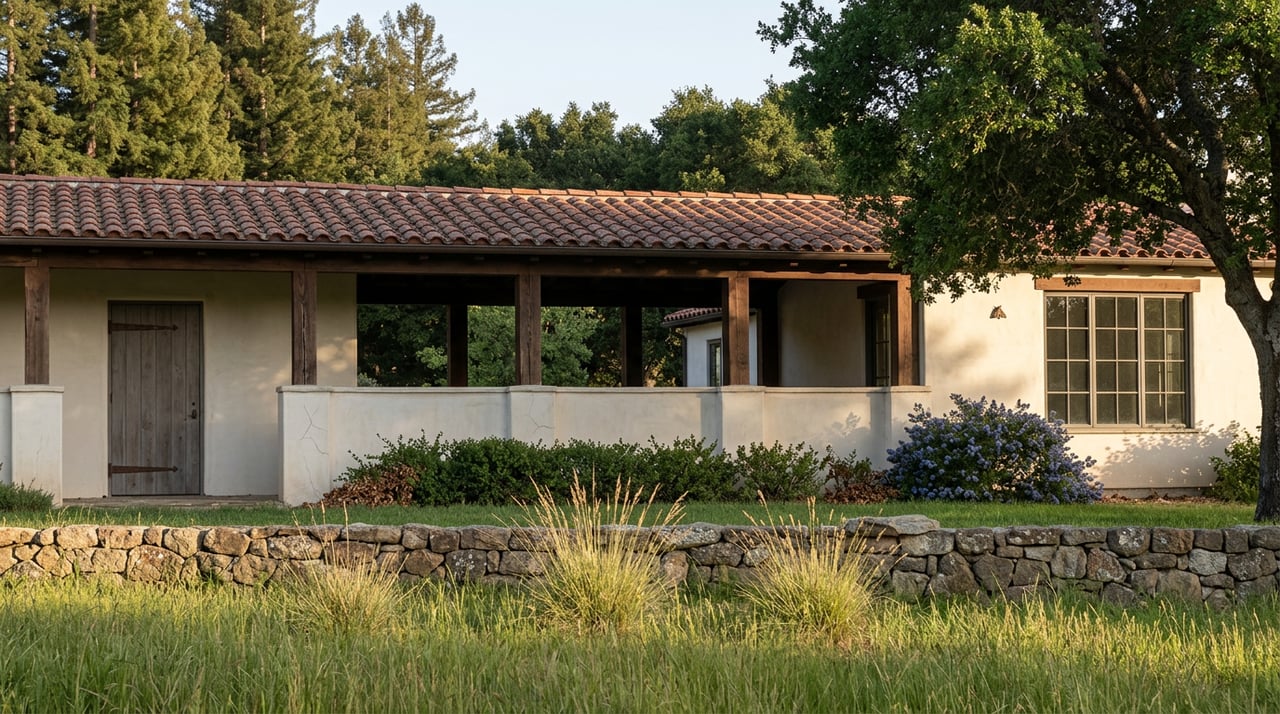
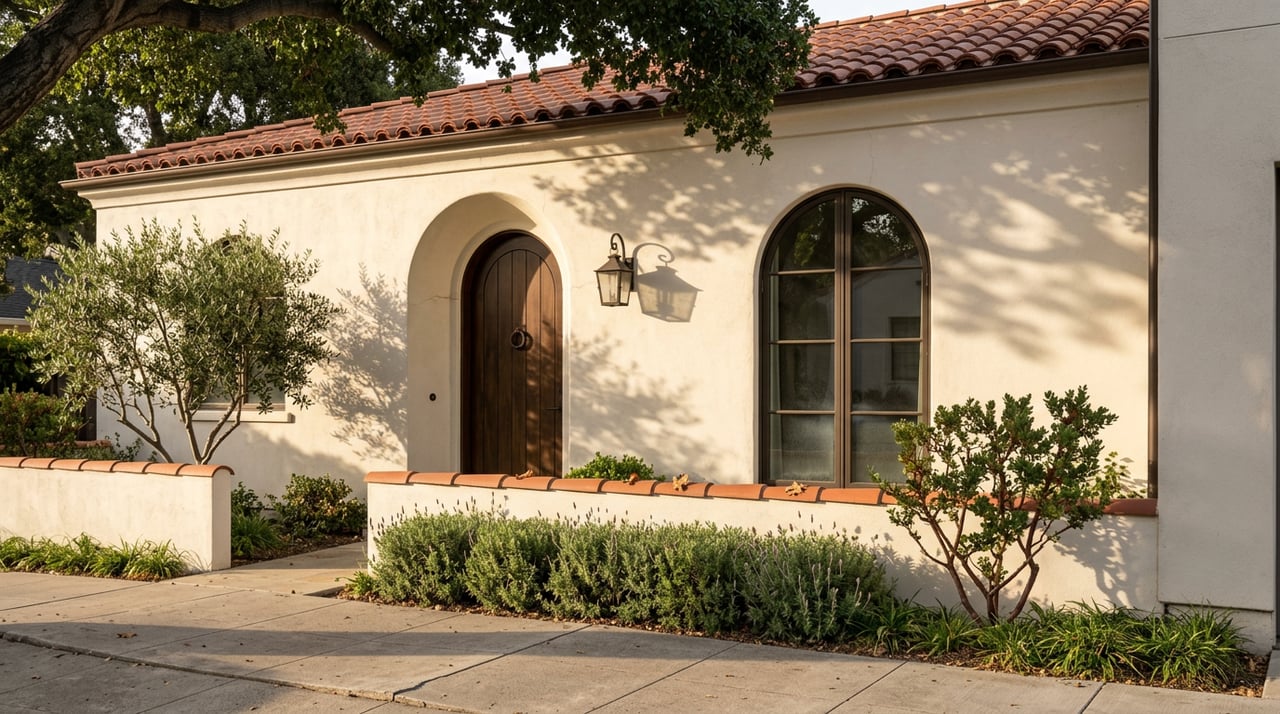
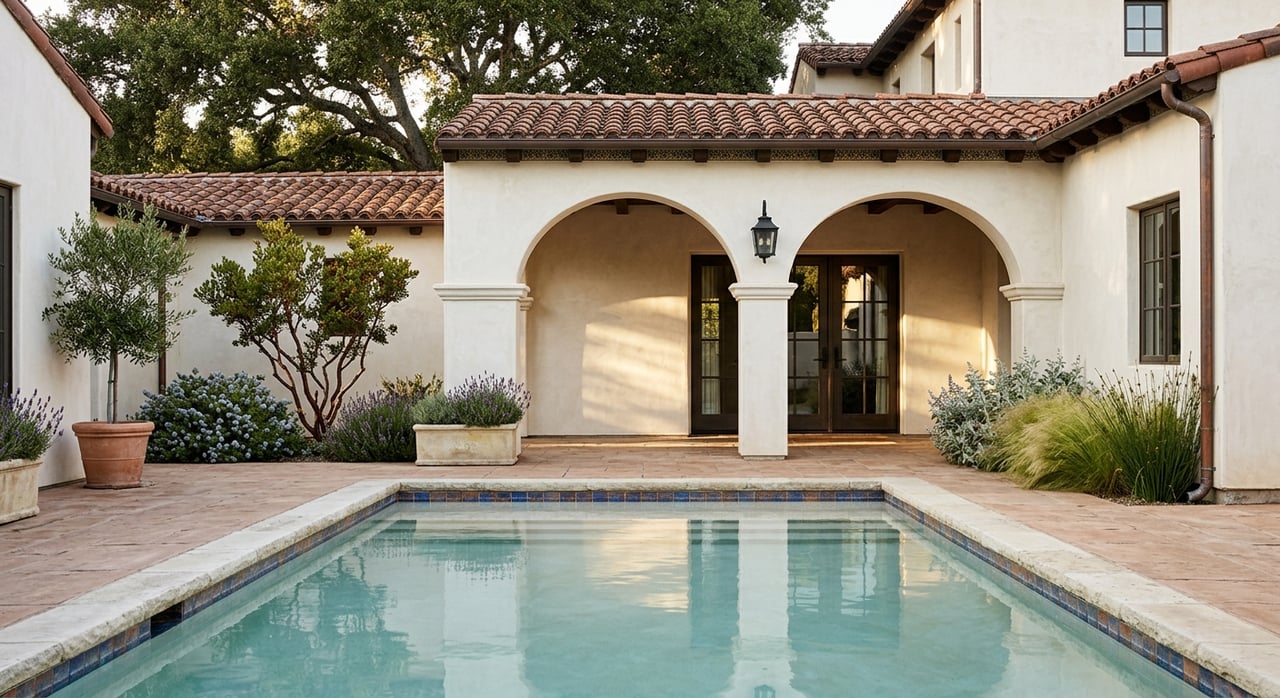
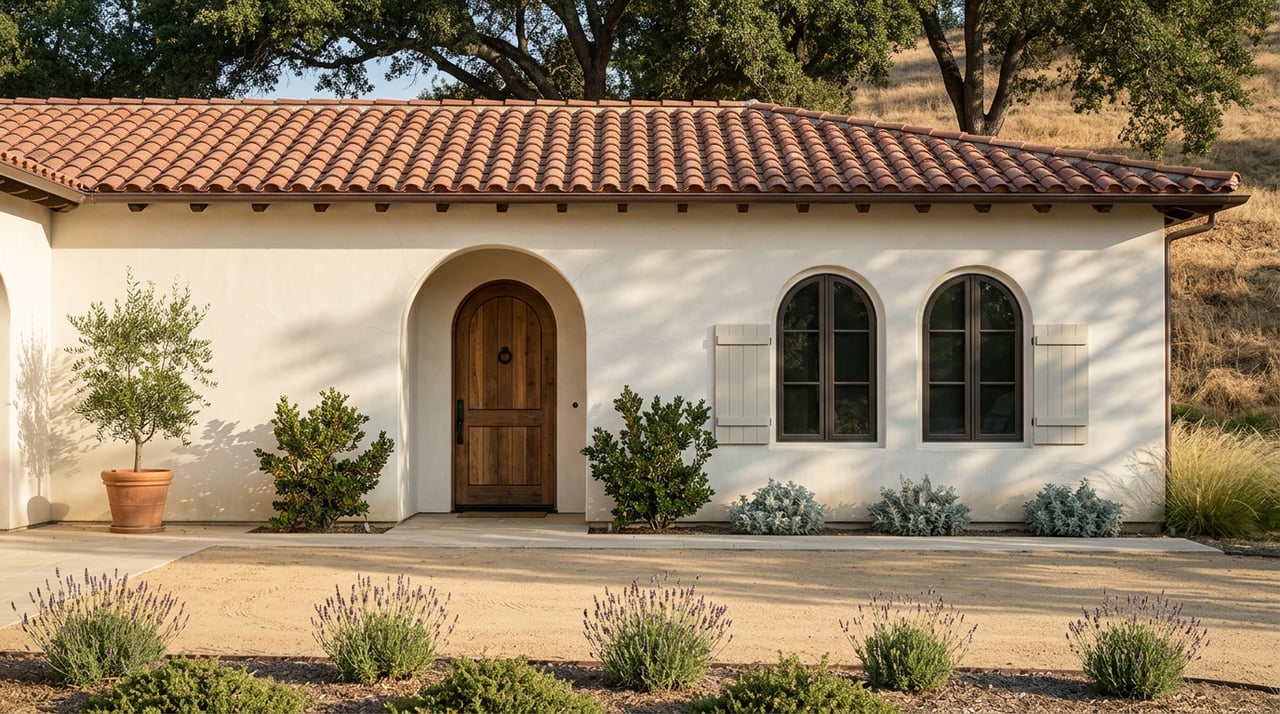
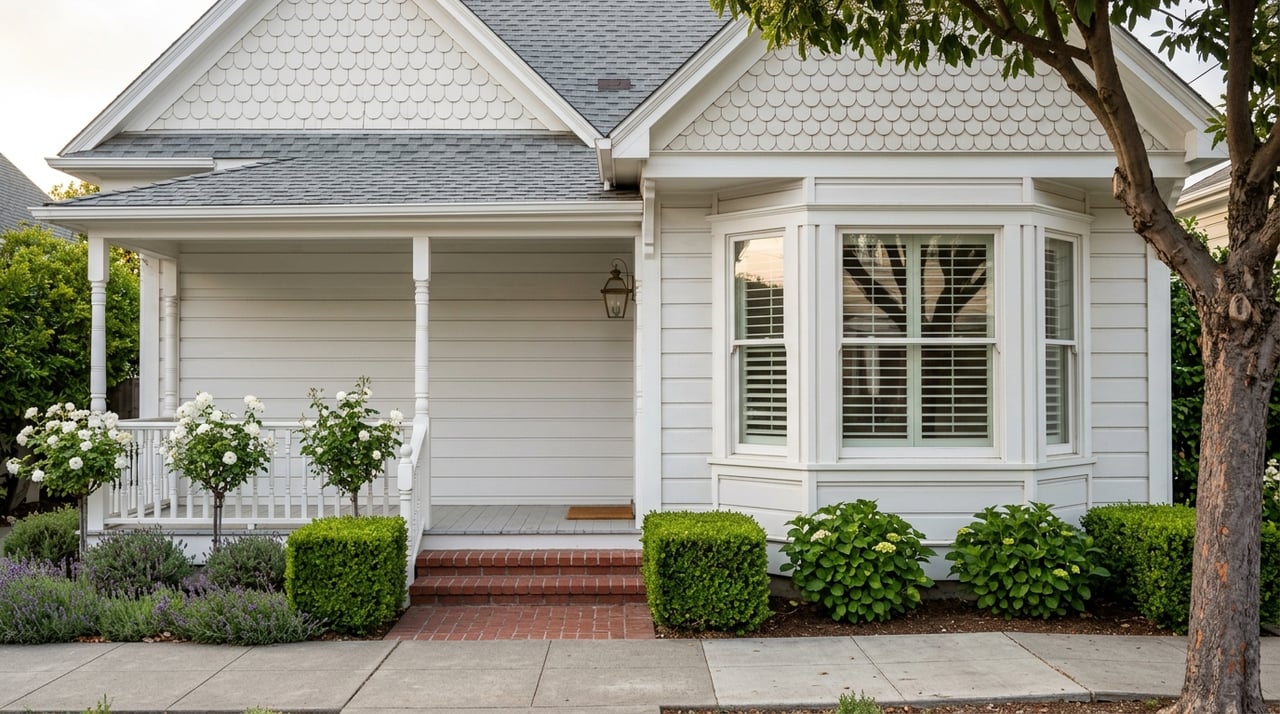
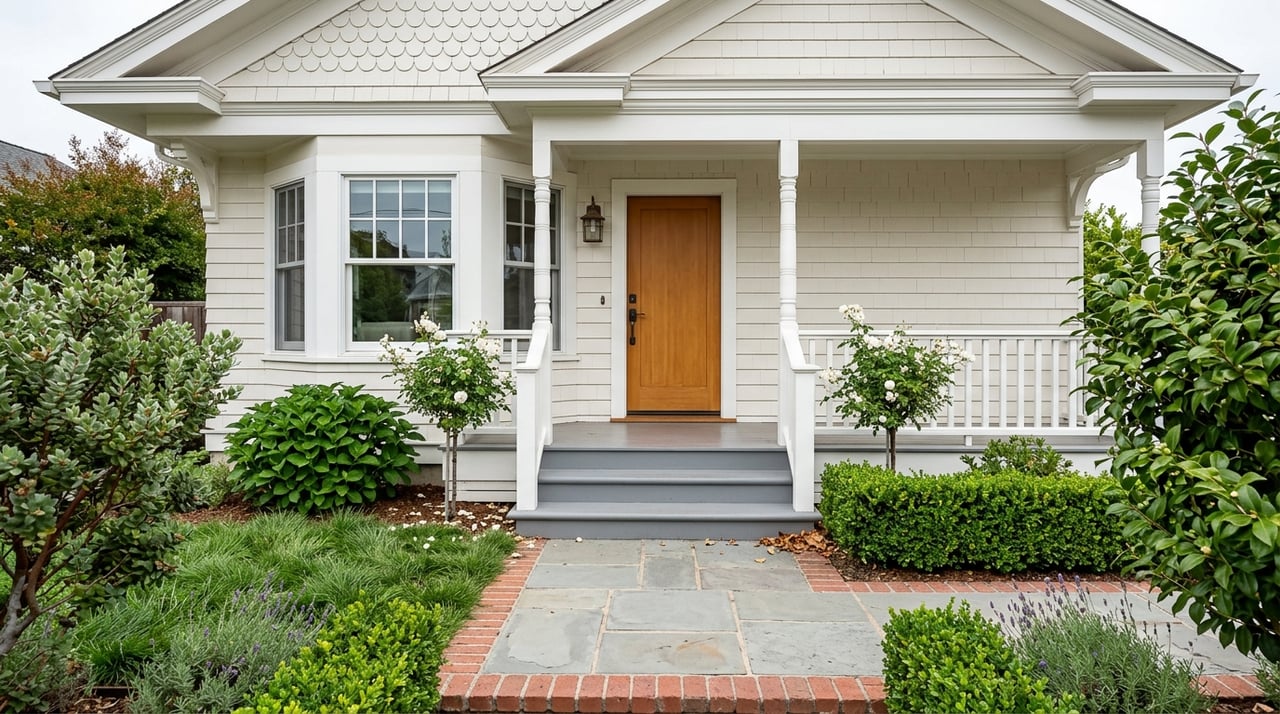
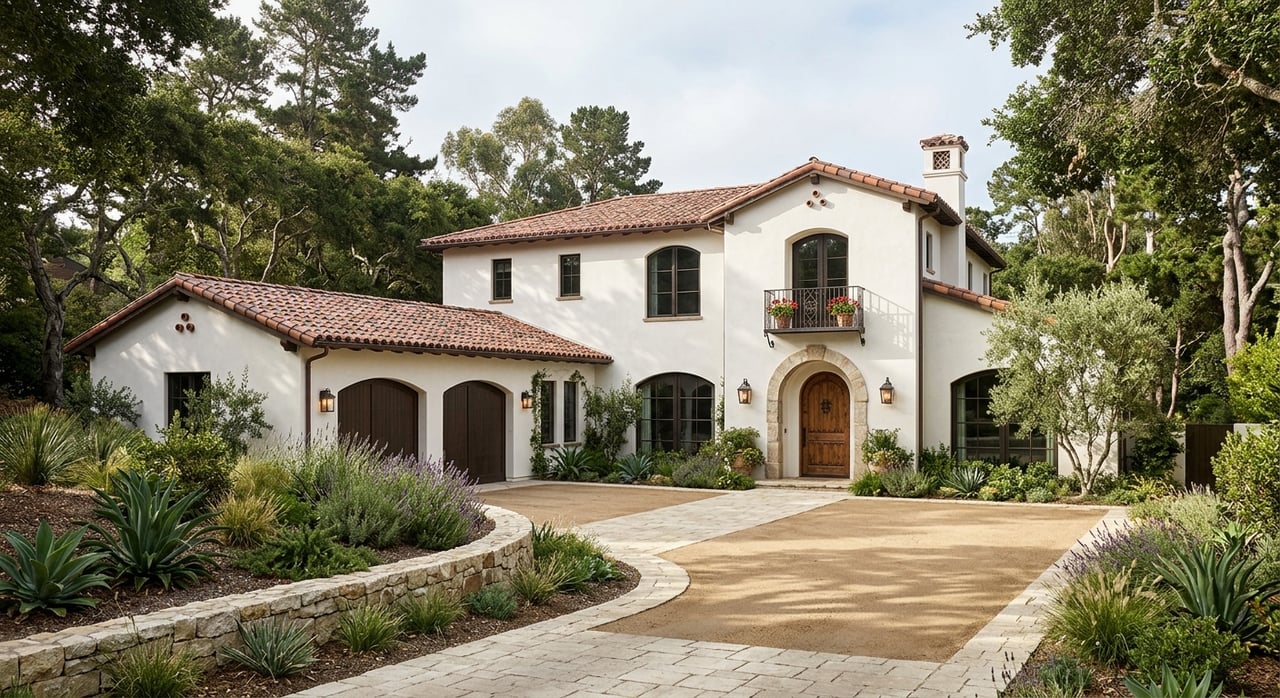
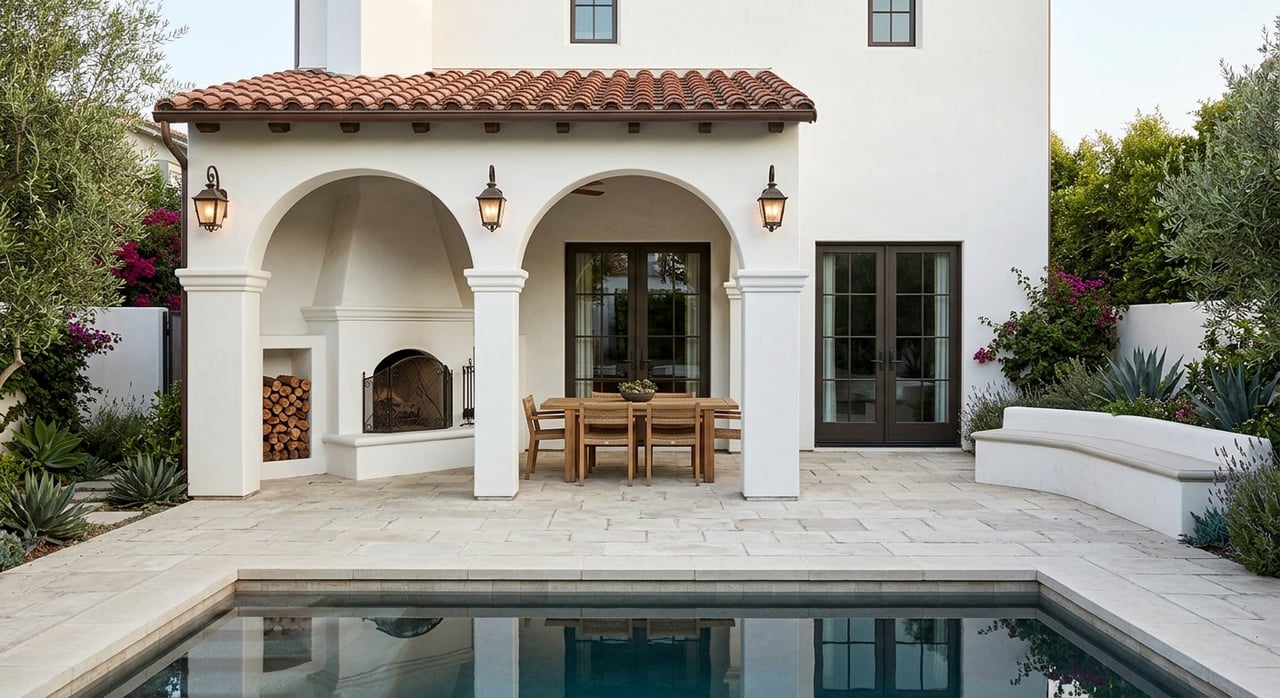
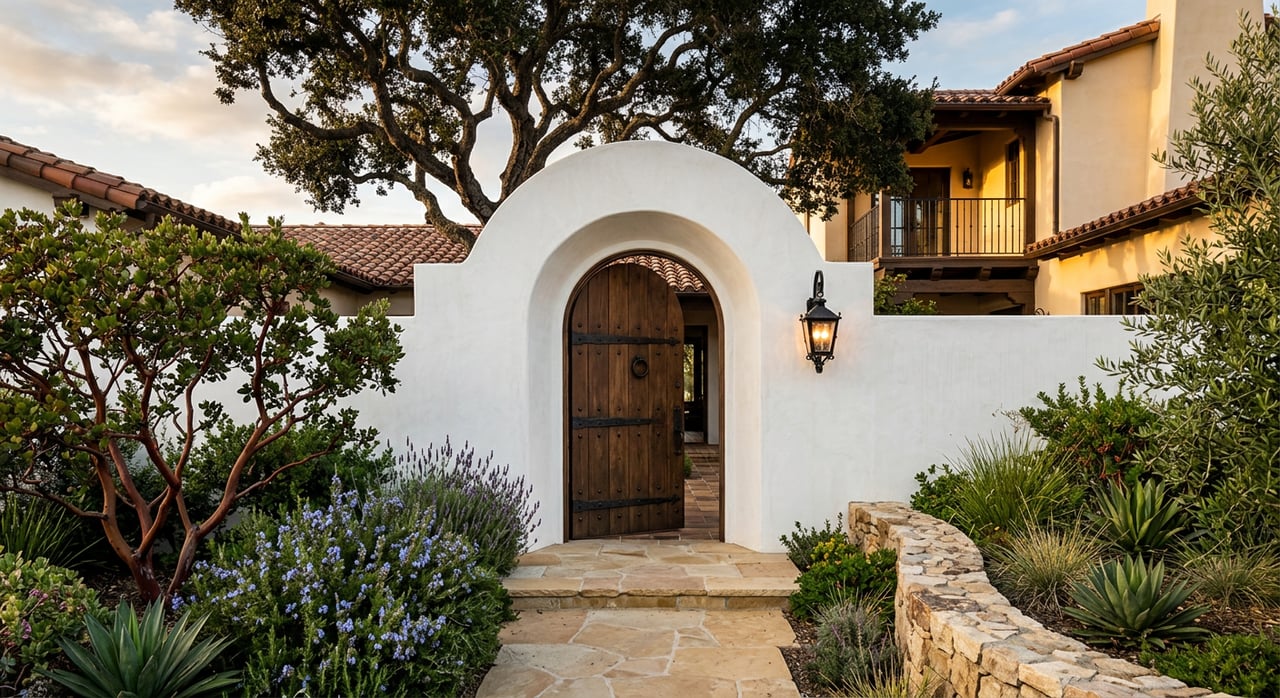
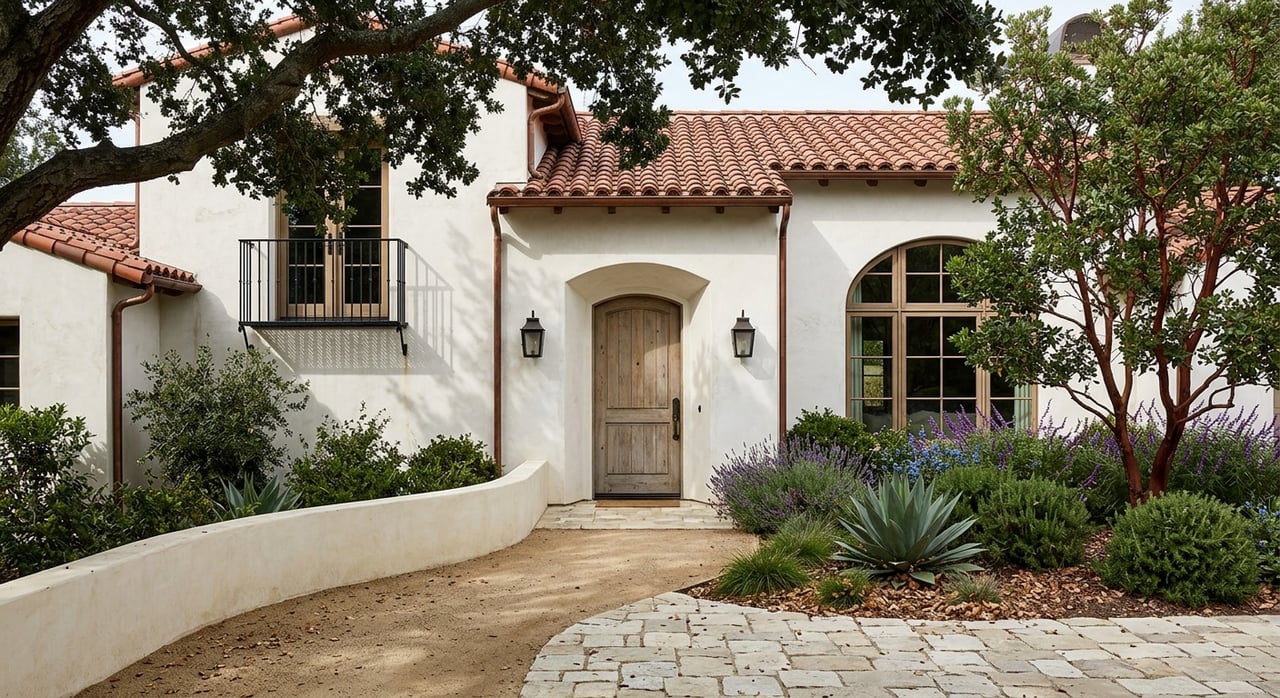
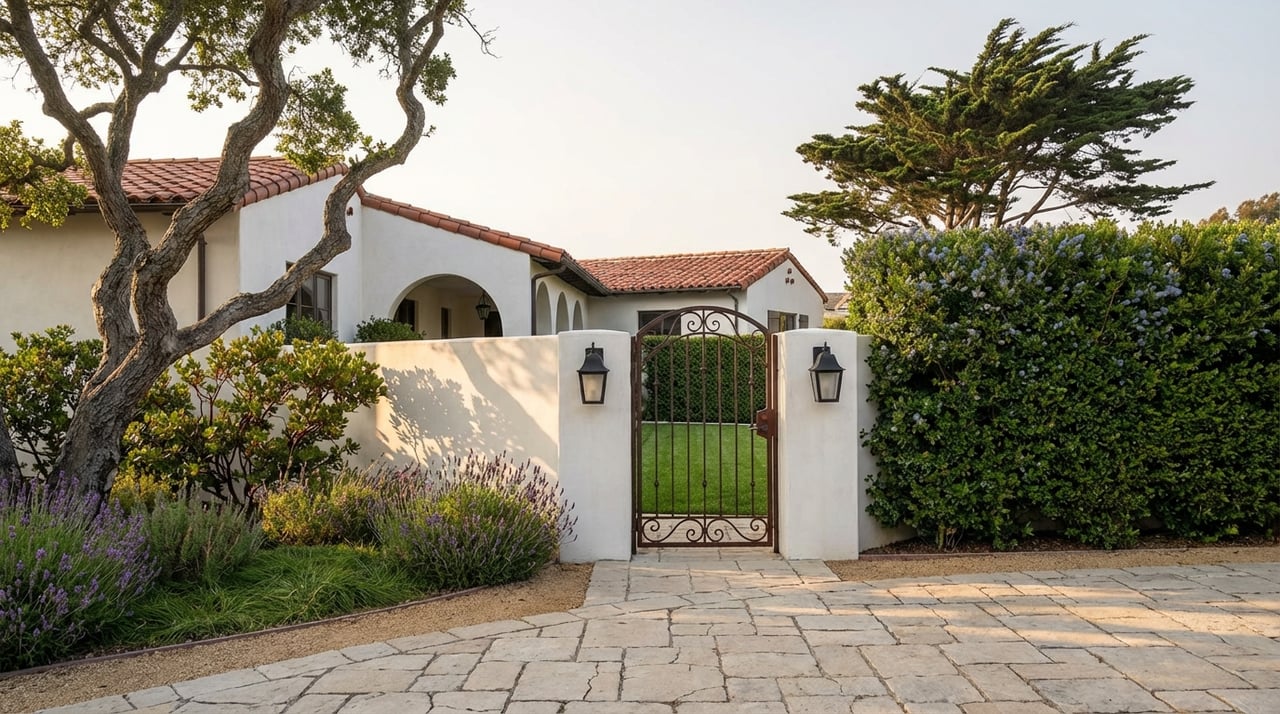
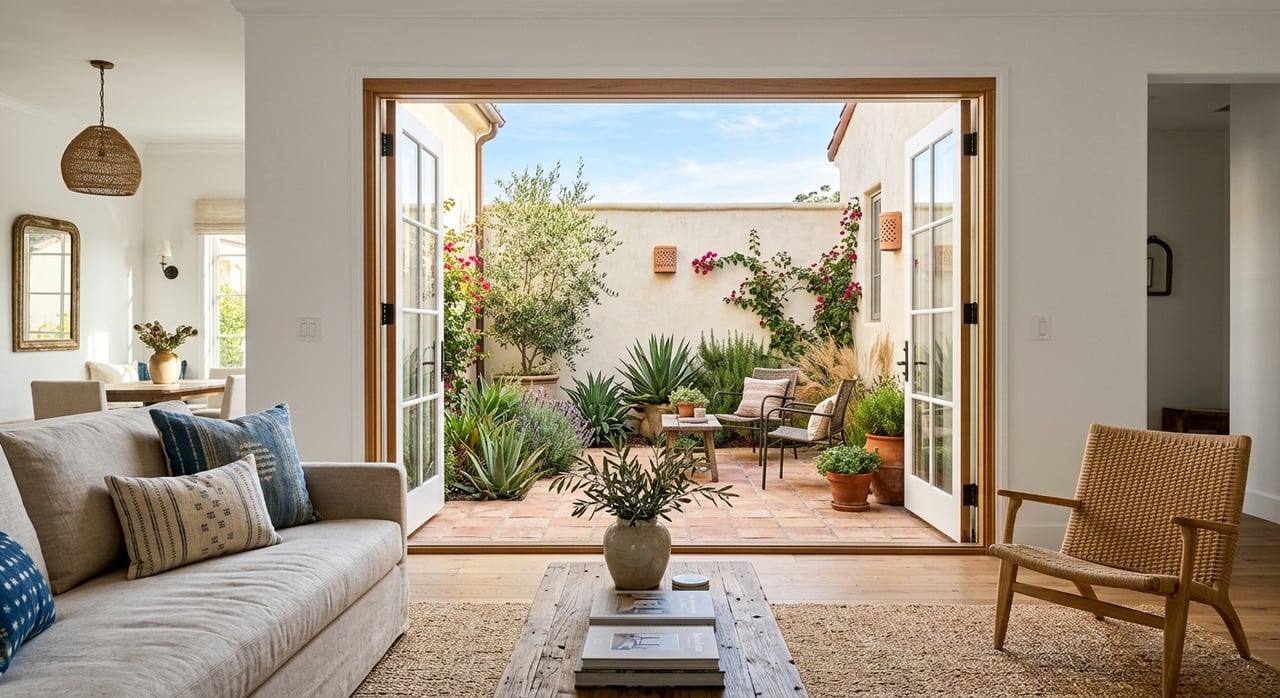
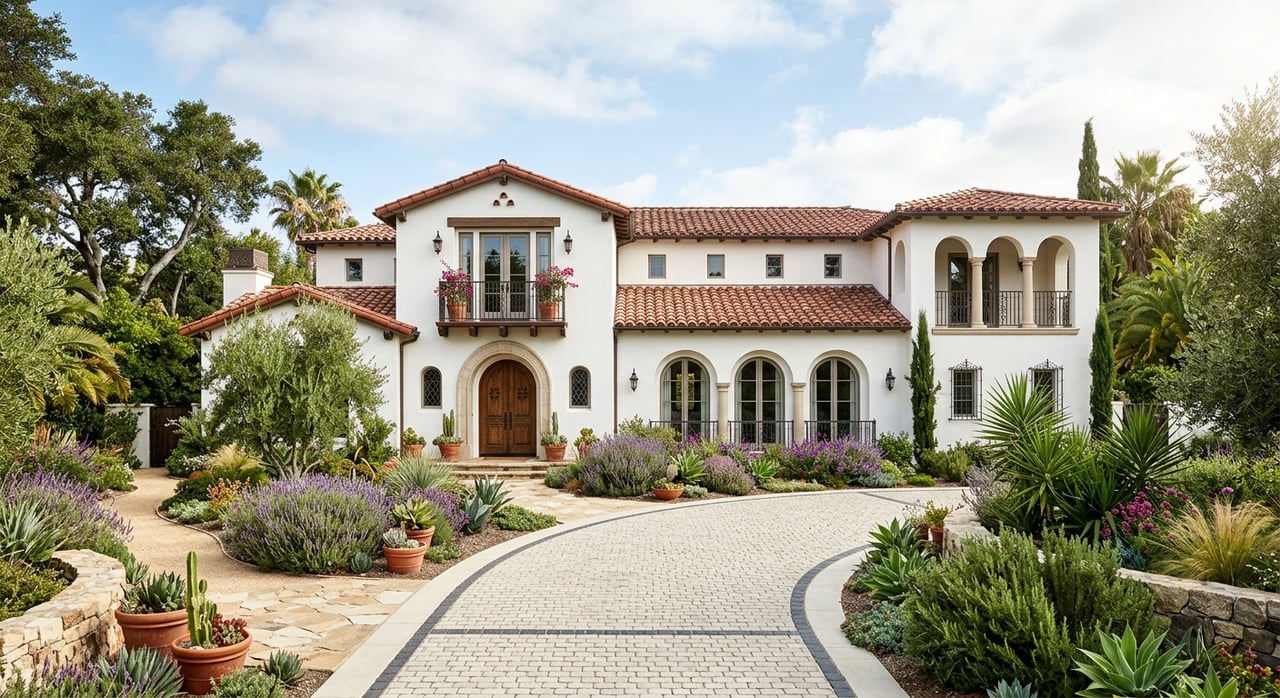
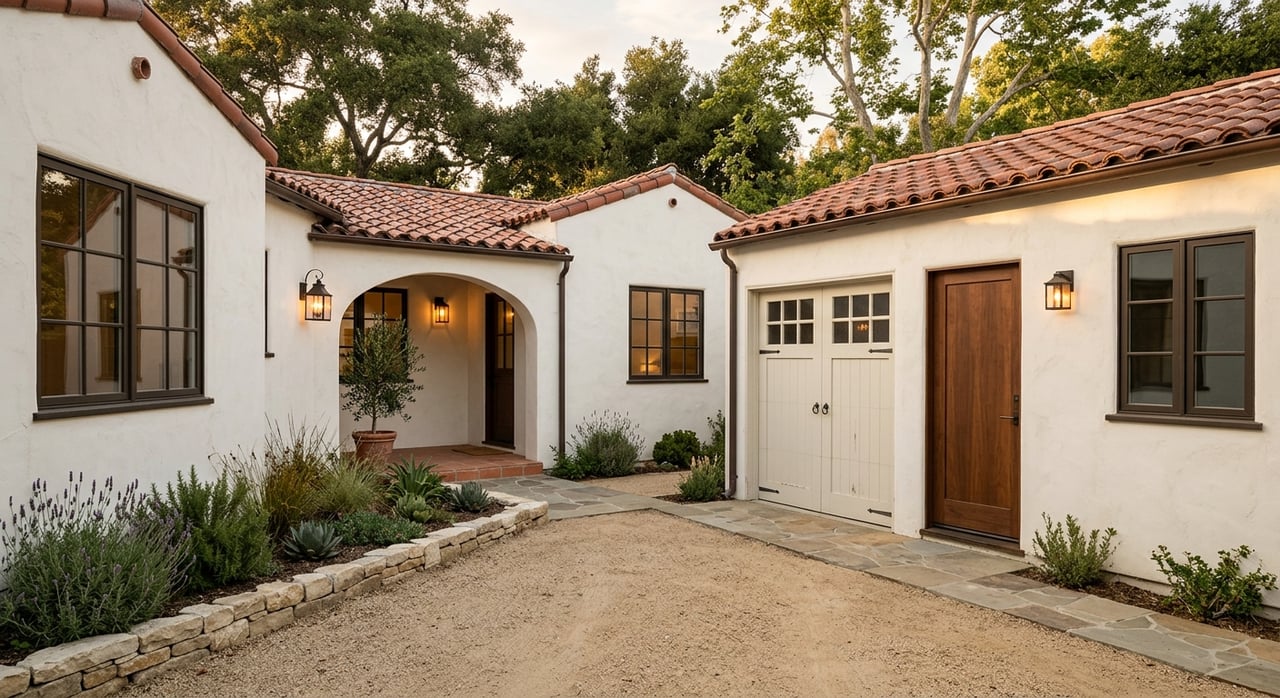
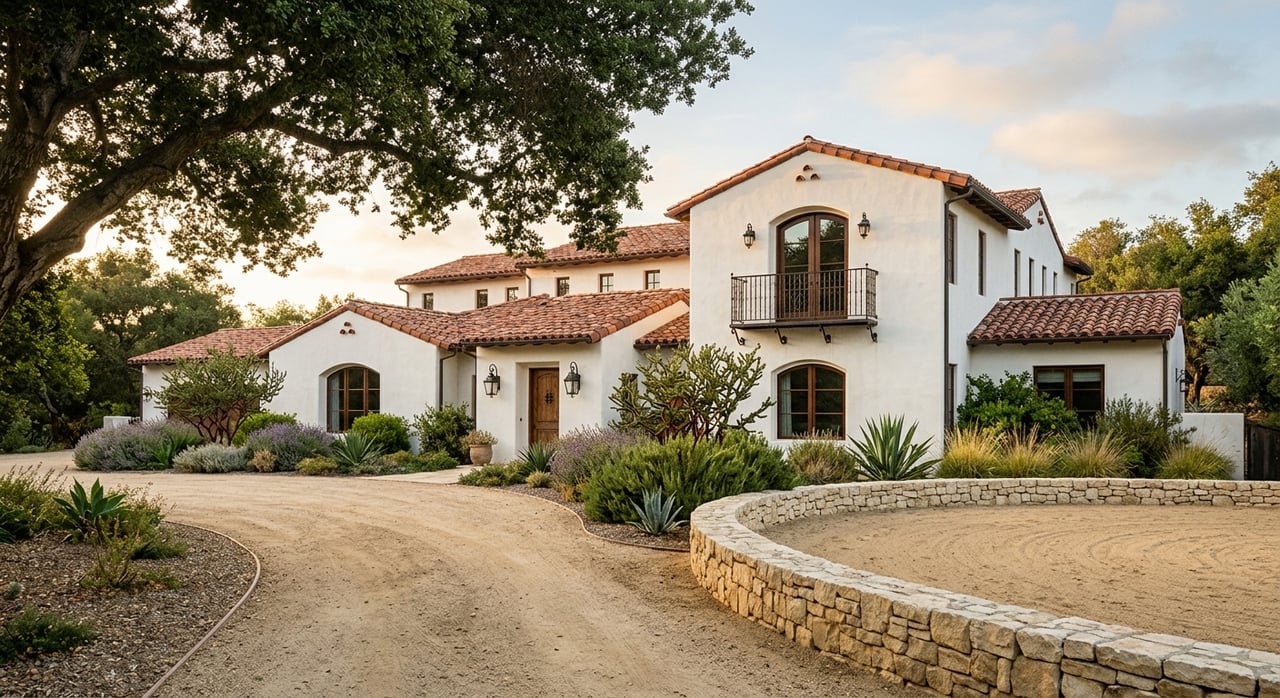
These two markets often feel different in the kinds of homes they offer. Carmel Highlands public examples tend to show established coastal homes with classic California character, including Spanish-style homes, cottage-cabin designs, and remodeled mid-century coastal bungalows.
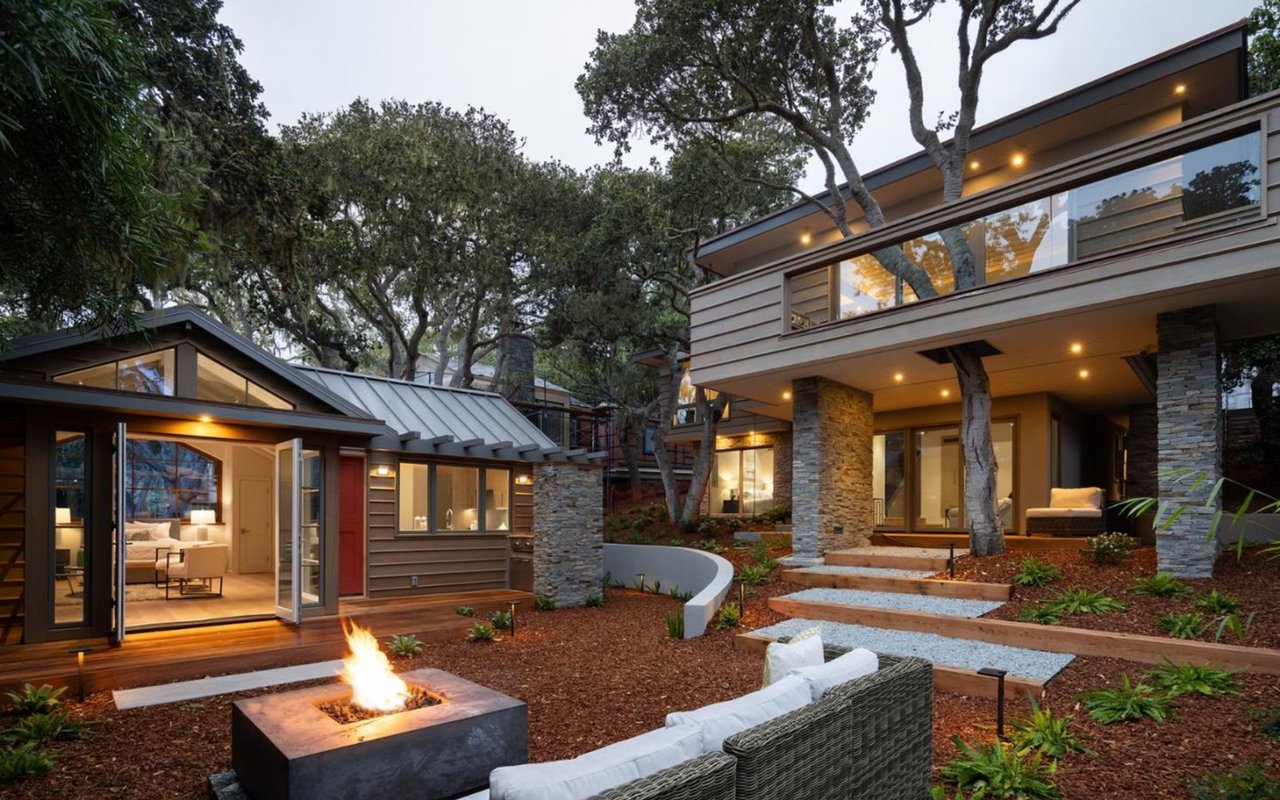
Big Sur public examples lean more rustic, modern, and retreat-like. Current listings illustrate everything from a contemporary tower house to a barn-style home on acreage, a rustic ridge cabin, and a mid-century oceanfront home.
Carmel Highlands design feel
In Carmel Highlands, many homes appear shaped around views, cliffside settings, and a more established residential pattern. For buyers who like classic coastal character and a polished neighborhood feel, that can be a strong draw.
The housing stock can also feel more familiar to second-home buyers who want a refined Peninsula base with ocean drama.
Big Sur design feel
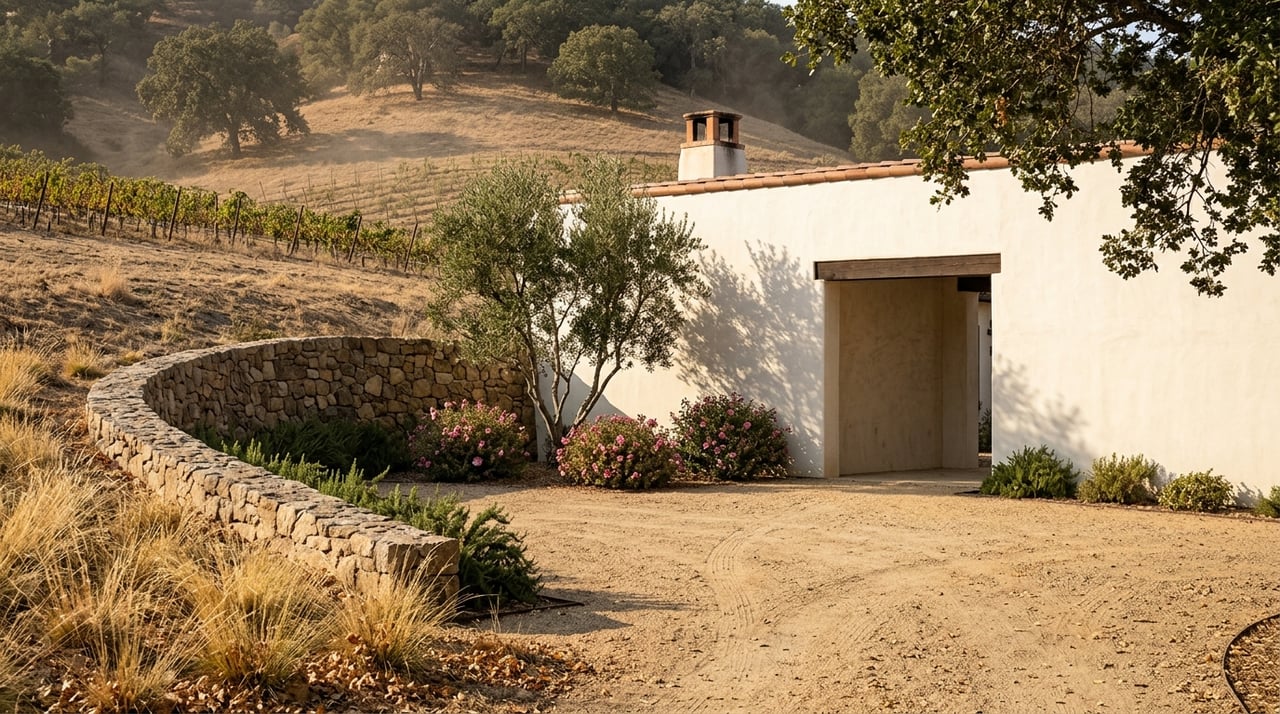
In Big Sur, design often feels driven by privacy, land, and immersion in the natural setting. The homes can read more as standalone retreats or compounds, with the surrounding landscape playing a bigger role in the experience of the property.
If you want your home to feel like a destination in itself, Big Sur may better match that vision.
Prices and value expectations
Public pricing samples suggest Carmel Highlands homes often cluster in the mid-$2 million range, with examples around $2.4 million, $2.56 million, and $2.85 million. Nearby Carmel public market pages show a median listing price near $2.9 million, while Zillow’s Carmel-by-the-Sea page showed a median list price of $2.55 million as of March 31, 2026.
Big Sur’s Zillow home-value index averaged $1,697,245 as of March 31, 2026, but public listing samples still ranged widely from about $1.08 million for rustic homes to $4.36 million for contemporary estates. In other words, Big Sur can present a broader spread depending on privacy, acreage, design, and access.
What buyers should take from the numbers
Carmel Highlands may offer a more consistent pricing band tied to its Peninsula proximity and established coastal identity. Big Sur may offer more variation, with lower entry points in some cases and very high pricing for exceptional retreat properties.
For second-home buyers and investors, this makes local guidance especially important. Two homes with similar views can offer very different ownership demands depending on where they sit.
Weather and maintenance realities
Both areas benefit from mild maritime conditions, but nearby NOAA climate normals suggest Big Sur is wetter. Big Sur Station averages 44.54 inches of annual precipitation, while Monterey averages 17.11 inches.
That weather difference can shape ownership in practical ways. More rainfall generally means more attention to drainage, slope stability, and exterior maintenance, especially on a rugged coastal site.
Wildfire readiness is essential in both
Both Carmel Highlands and Big Sur require wildfire awareness. Carmel Highlands Fire Protection District offers a chipping program and resident fire-inspection resources.
Big Sur Fire runs a hand crew, a chipping program, firebreak work, and emergency access-route maintenance. That points to a heavier maintenance burden in Big Sur, where conditions and infrastructure can demand more hands-on stewardship.
Tourism feels different in each place
Tourism plays a role in both markets, but not in the same way. Visit Carmel says tourism is Carmel-by-the-Sea’s leading industry and generates $6 million to $7 million in hotel-tax revenue annually.
Big Sur’s destination stewardship plan says stakeholders estimate 4.6 million vehicle trips to 7 million visitors annually, with peak visitation stretching across much of the year and creating traffic and safety pressure. Carmel Highlands benefits from nearby Peninsula tourism, while Big Sur is itself a major destination zone.
Why that matters to owners
If you want an oceanfront retreat that feels close to an active coastal destination without being fully inside it, Carmel Highlands may feel more balanced. If you are comfortable owning in a place that draws heavy visitor attention because of its iconic setting, Big Sur may still be a strong fit.
This is not just about traffic. It is also about how much you want your retreat to feel plugged into a broader coastal community versus set apart from it.
Which oceanfront retreat fits you best?
Choose Carmel Highlands if you want:
- Dramatic ocean views with easier access
- Closer connection to Carmel and Monterey services
- A more conventional second-home ownership experience
- Established coastal homes with classic Peninsula character
Choose Big Sur if you want:
- Maximum privacy and seclusion
- A stronger retreat atmosphere
- More land or a compound-style setting
- A property experience that prioritizes landscape over convenience
For many buyers, the right answer comes down to how you define luxury. If luxury means simplicity, access, and polished coastal living, Carmel Highlands may be the better match. If luxury means privacy, silence, and a deeper sense of escape, Big Sur may be worth the added complexity.
Buying along this coastline is rarely just about the view. It is about choosing the ownership experience that best fits the way you want to live, visit, and care for the property over time. If you want help comparing specific homes, evaluating access and maintenance realities, or thinking through long-term stewardship, Carmel Coast can help you navigate the choice with local insight.
FAQs
Is Carmel Highlands or Big Sur better for a second home near Carmel?
- Carmel Highlands is generally better if you want easier access to Carmel and Monterey services, plus a more conventional ownership experience.
Is Big Sur too remote for an oceanfront retreat?
- Big Sur can be a great fit if you want seclusion, but you should be comfortable with limited cell service, Highway 1 disruptions, and a more self-reliant ownership experience.
Are home prices higher in Carmel Highlands or Big Sur?
- Public pricing samples show Carmel Highlands often clustering in the mid-$2 million range, while Big Sur shows a wider spread from about $1.08 million to $4.36 million depending on the property.
Does Big Sur have more maintenance than Carmel Highlands?
- In general, yes. Big Sur is wetter, more remote, and supported by more rural infrastructure, which can mean more attention to access, drainage, wildfire readiness, and exterior upkeep.
What home styles are common in Carmel Highlands and Big Sur?
- Carmel Highlands public examples often show established coastal homes with Spanish, cottage, and mid-century influences, while Big Sur examples lean more rustic, modern, acreage-oriented, and retreat-like.