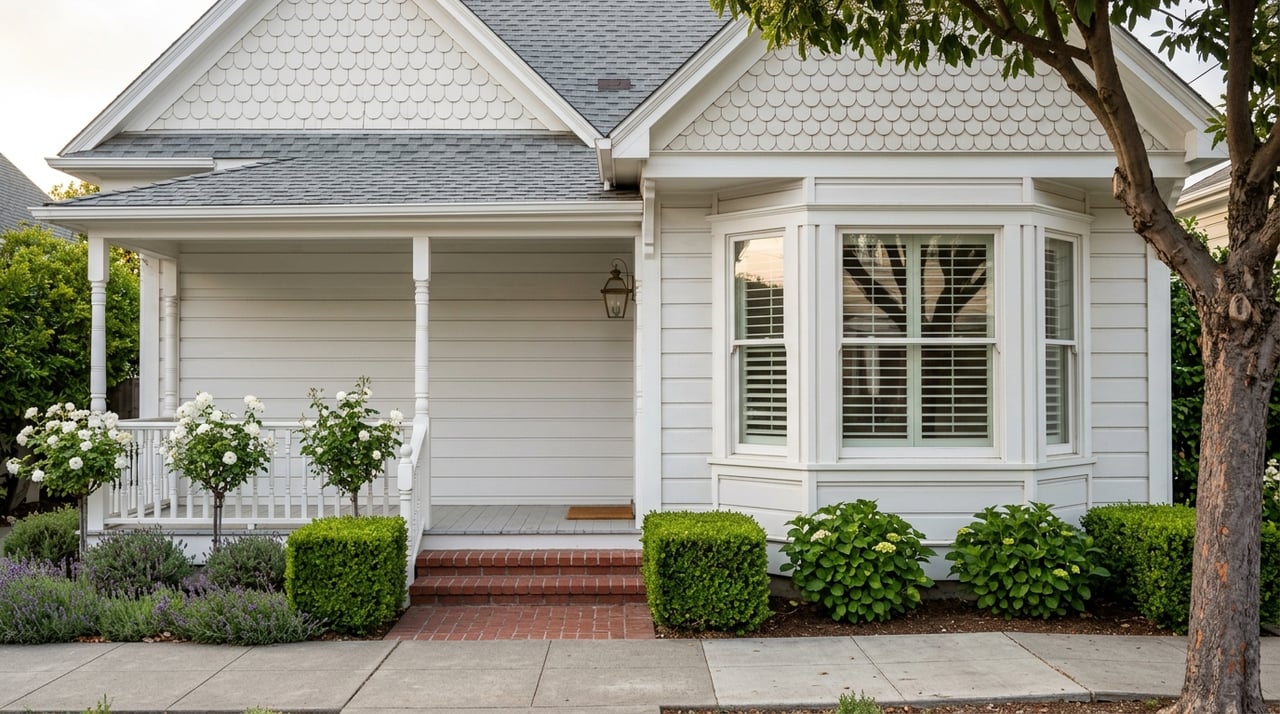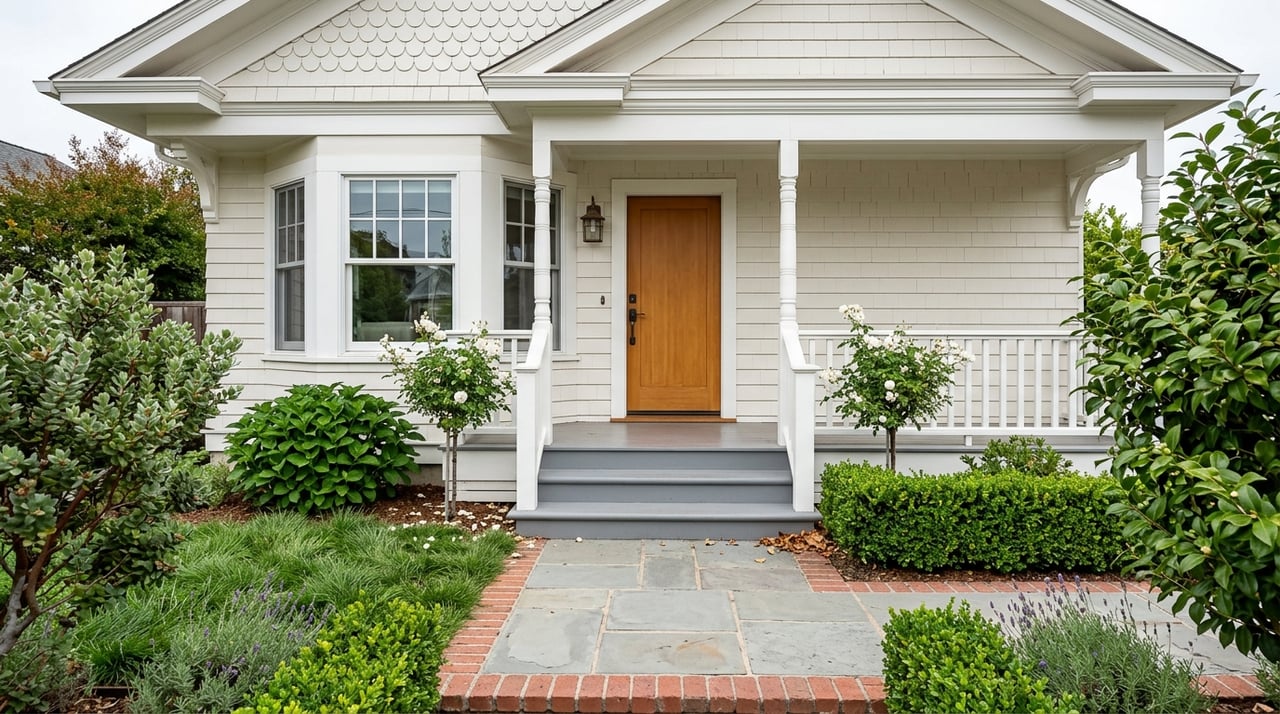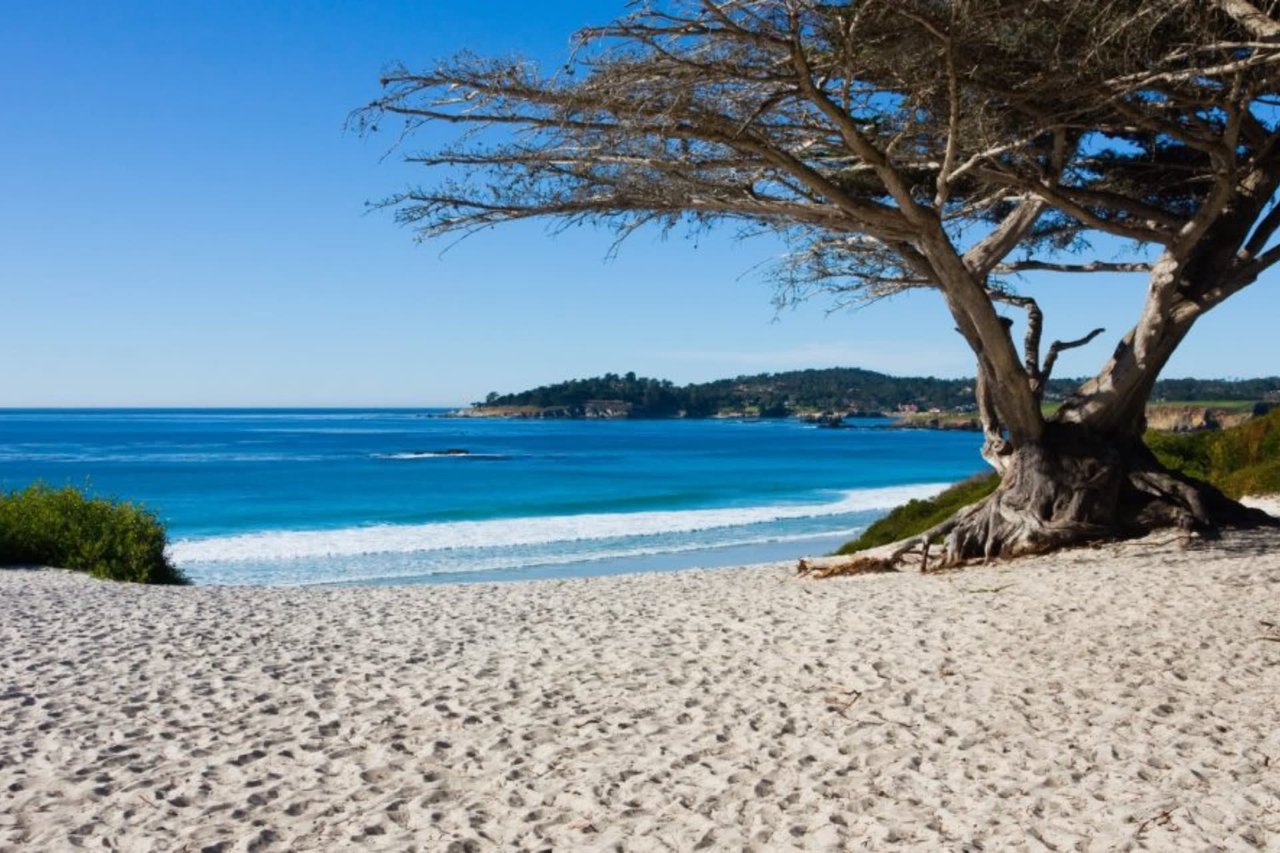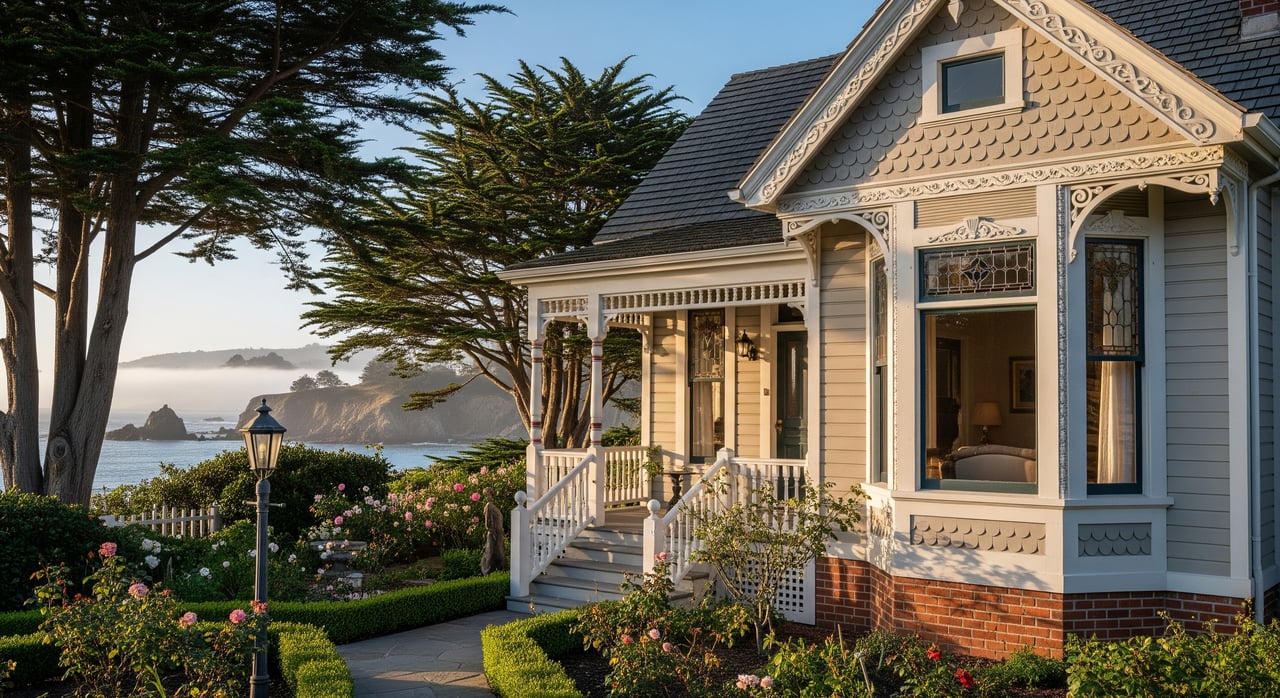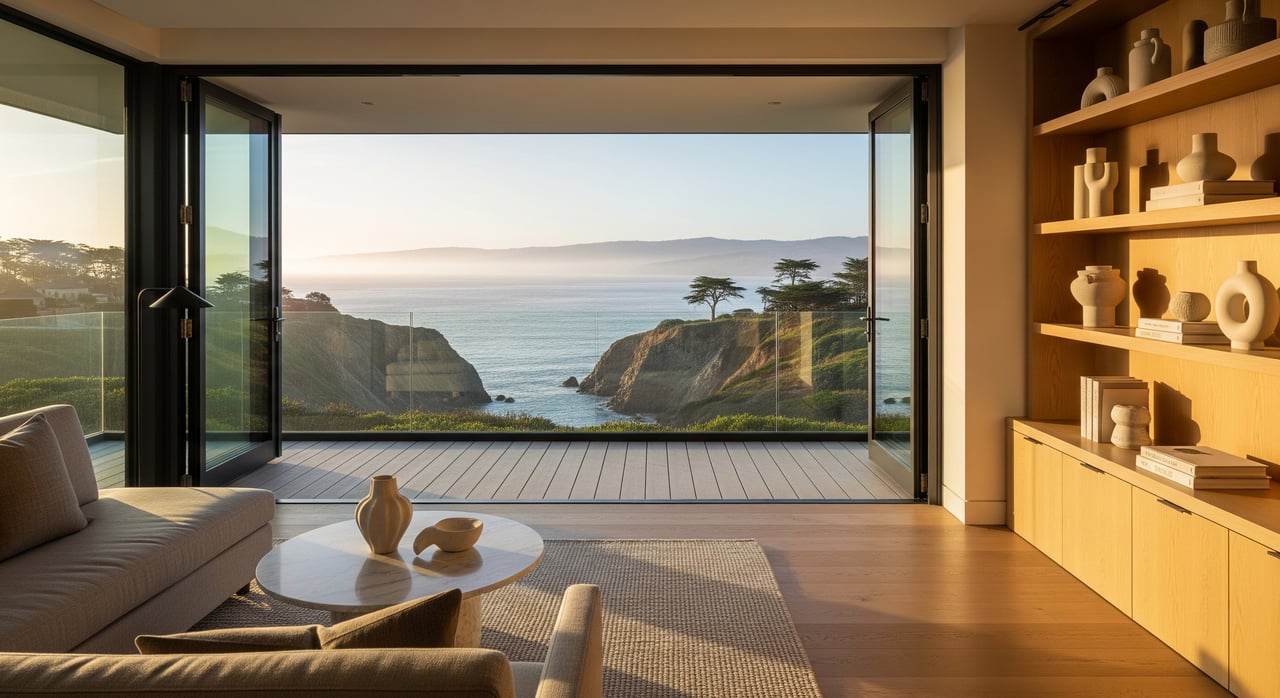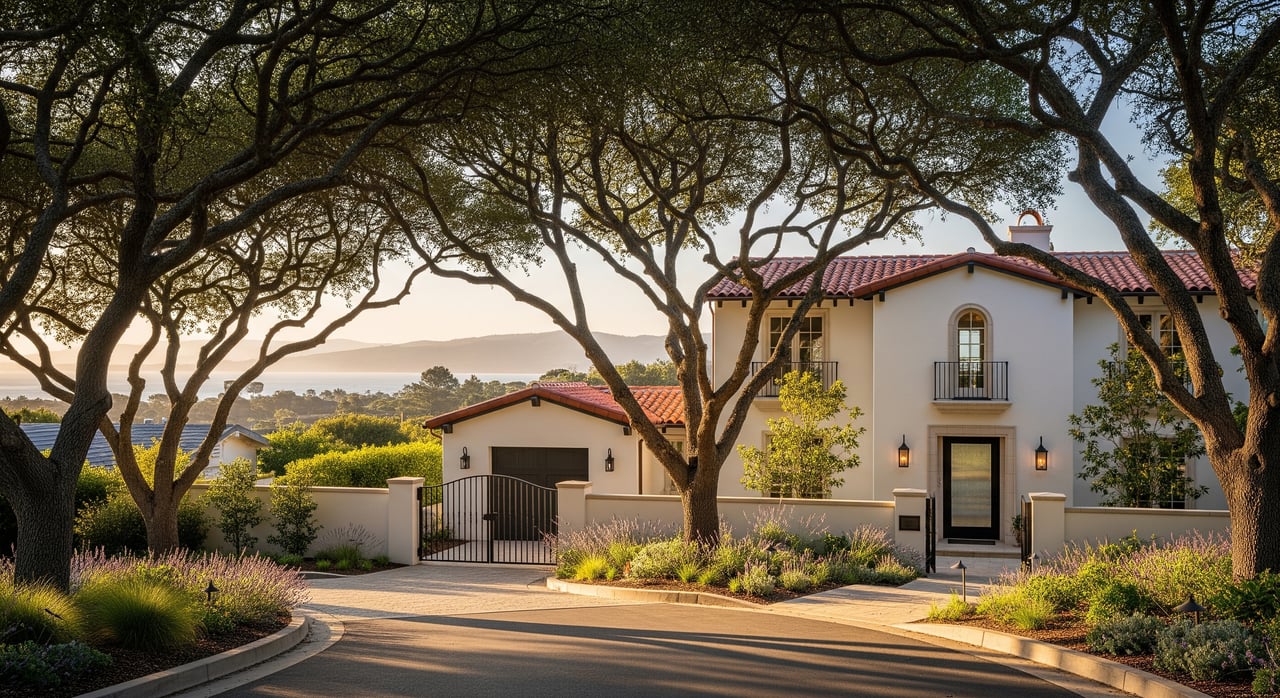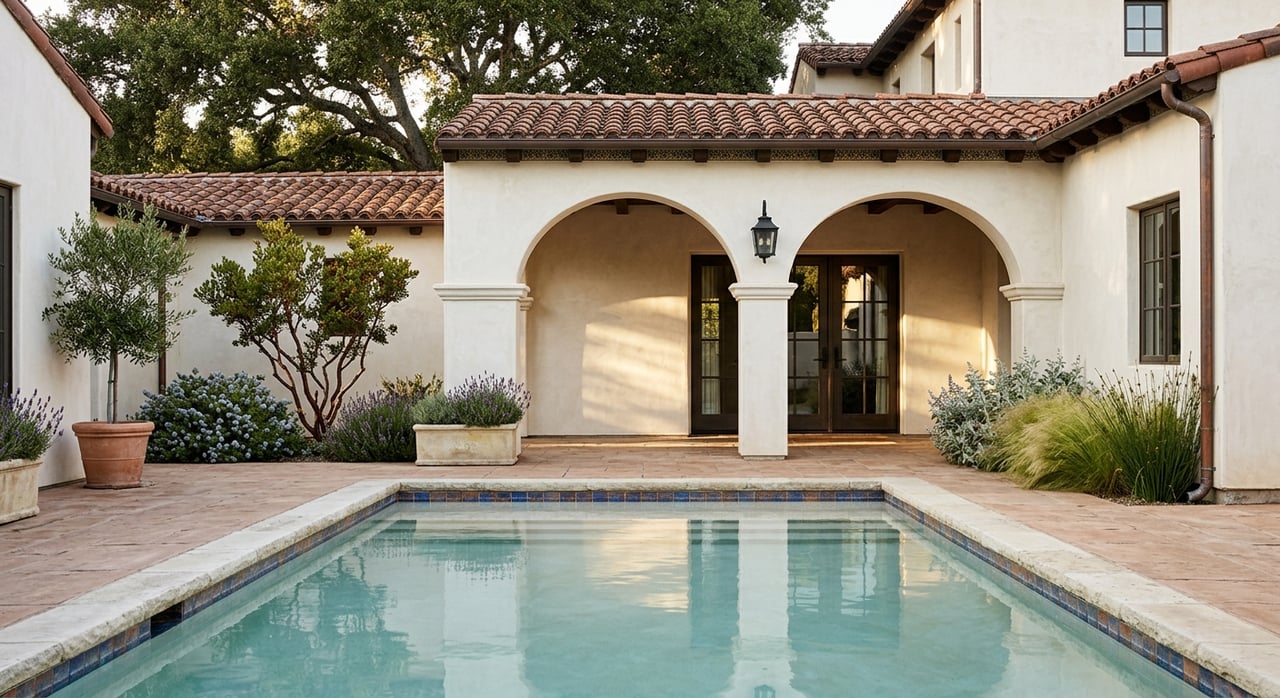
Trying to choose between Carmel Valley and Carmel-by-the-Sea for your next home? You are not alone. Both offer a distinctly Carmel lifestyle, but they live very differently day to day. If you are weighing sun versus fog, land versus walkability, or a full-time home versus a coastal retreat, this guide will help you compare the two with more confidence. Let’s dive in.
Carmel Valley vs. Carmel-by-the-Sea at a glance
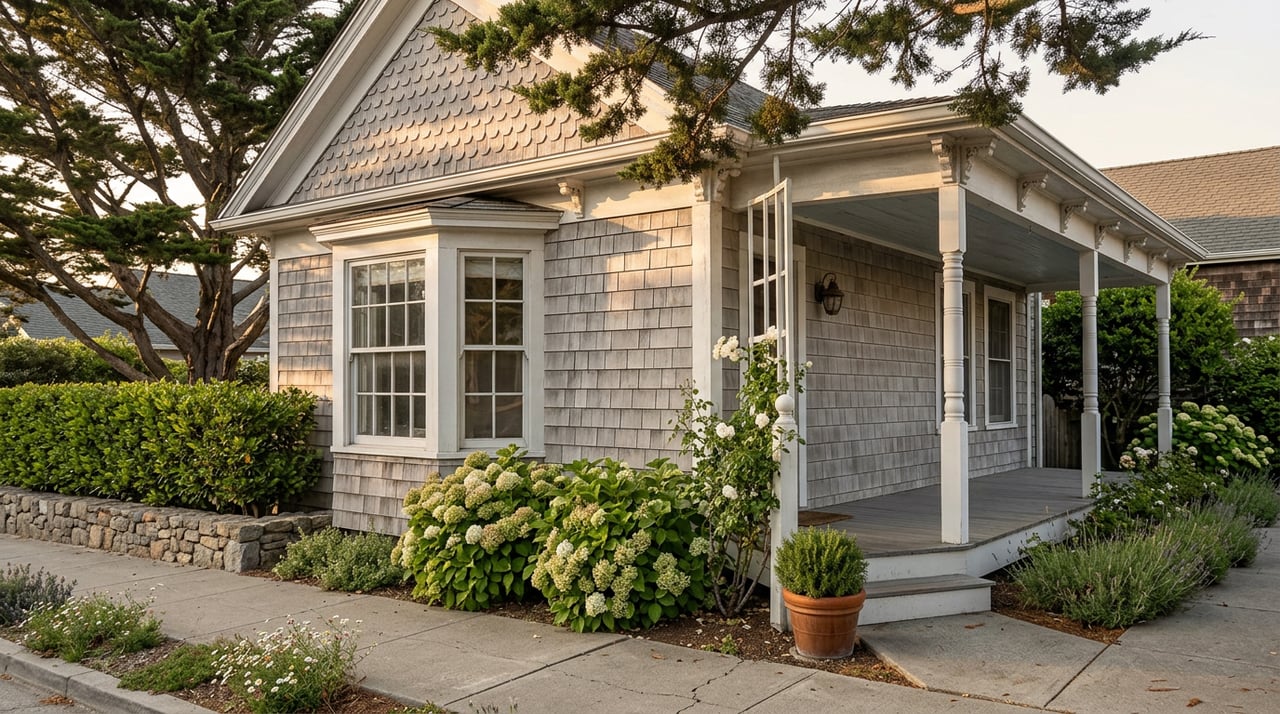
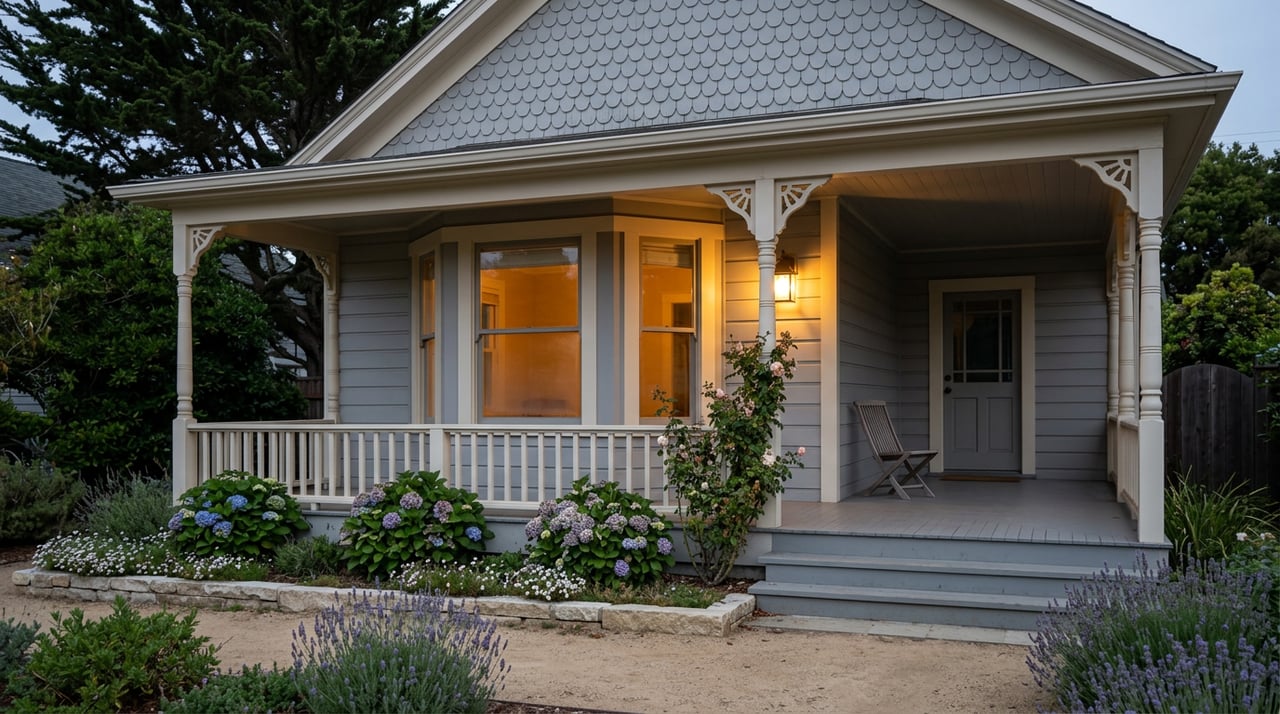
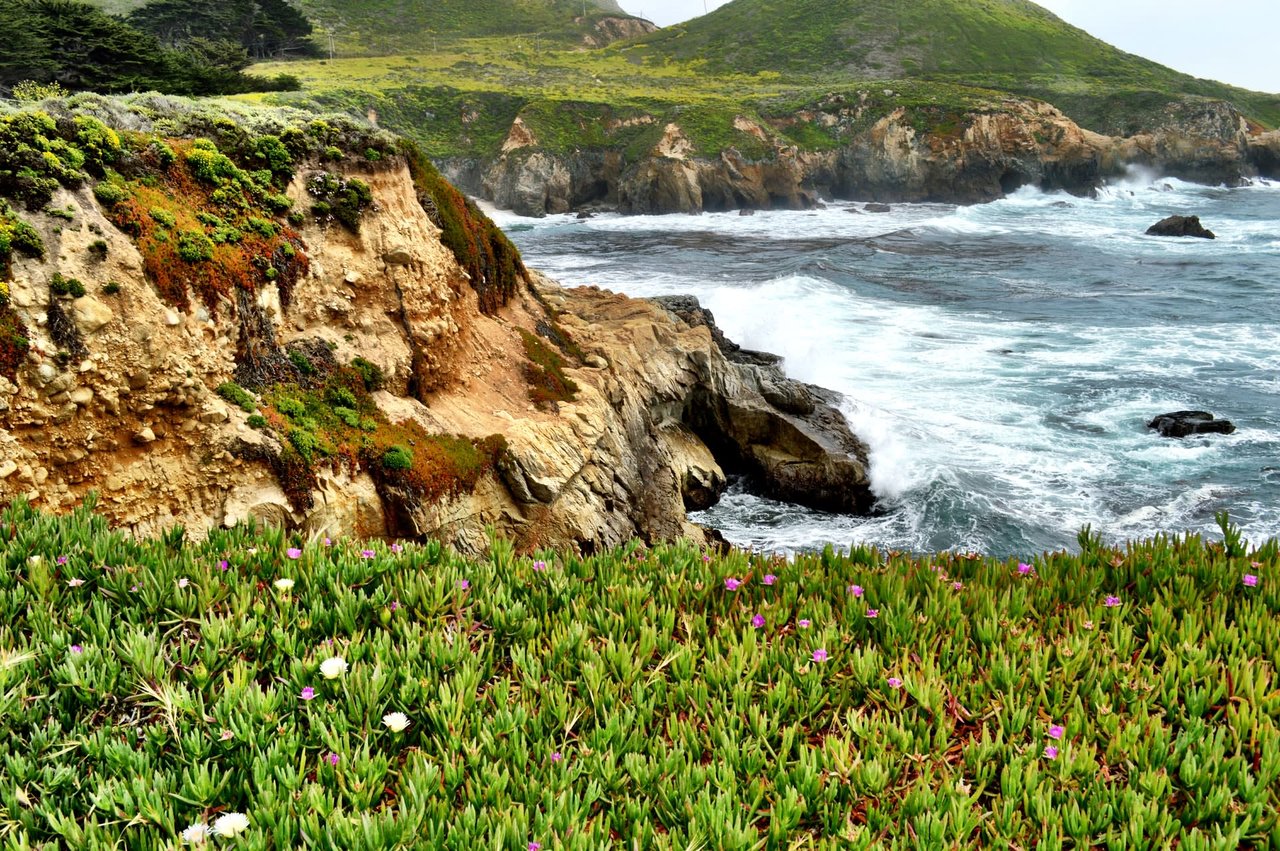
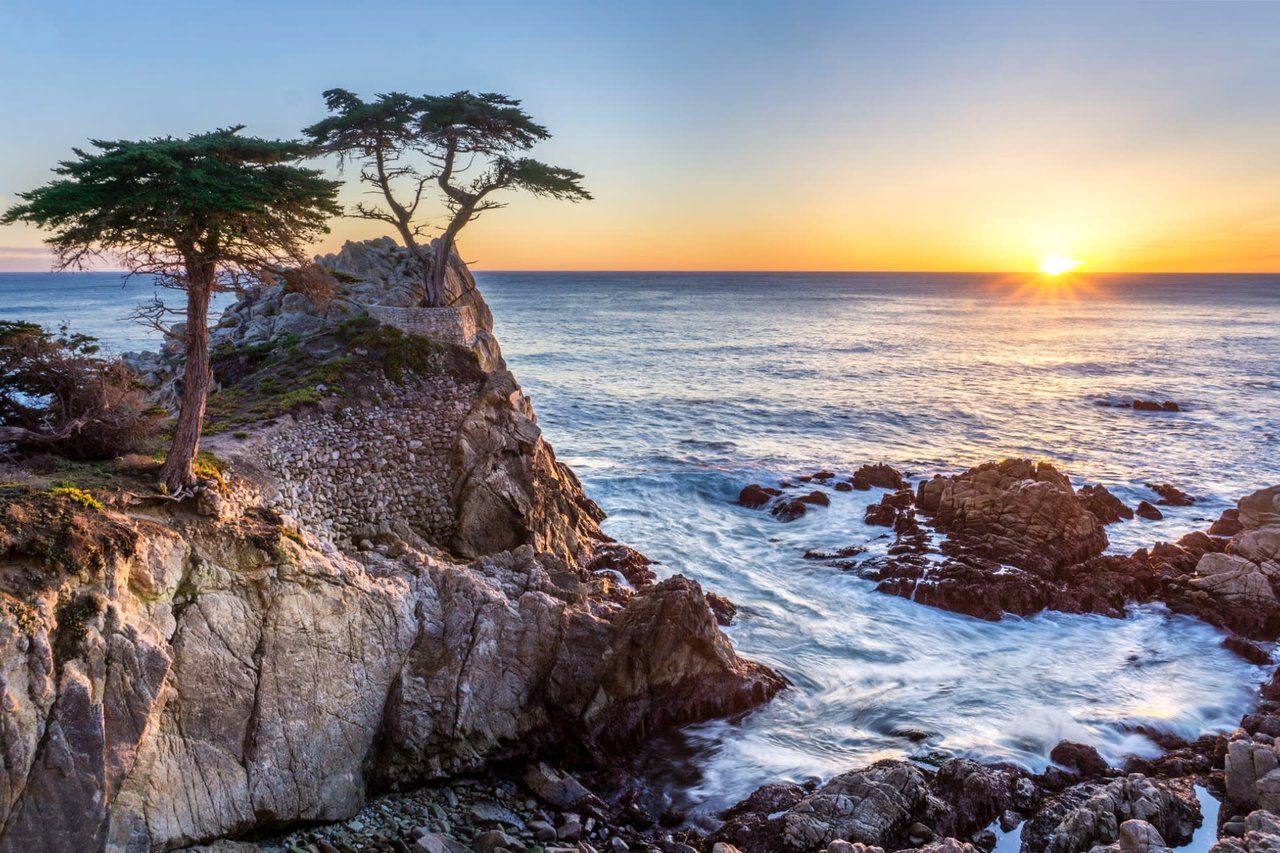
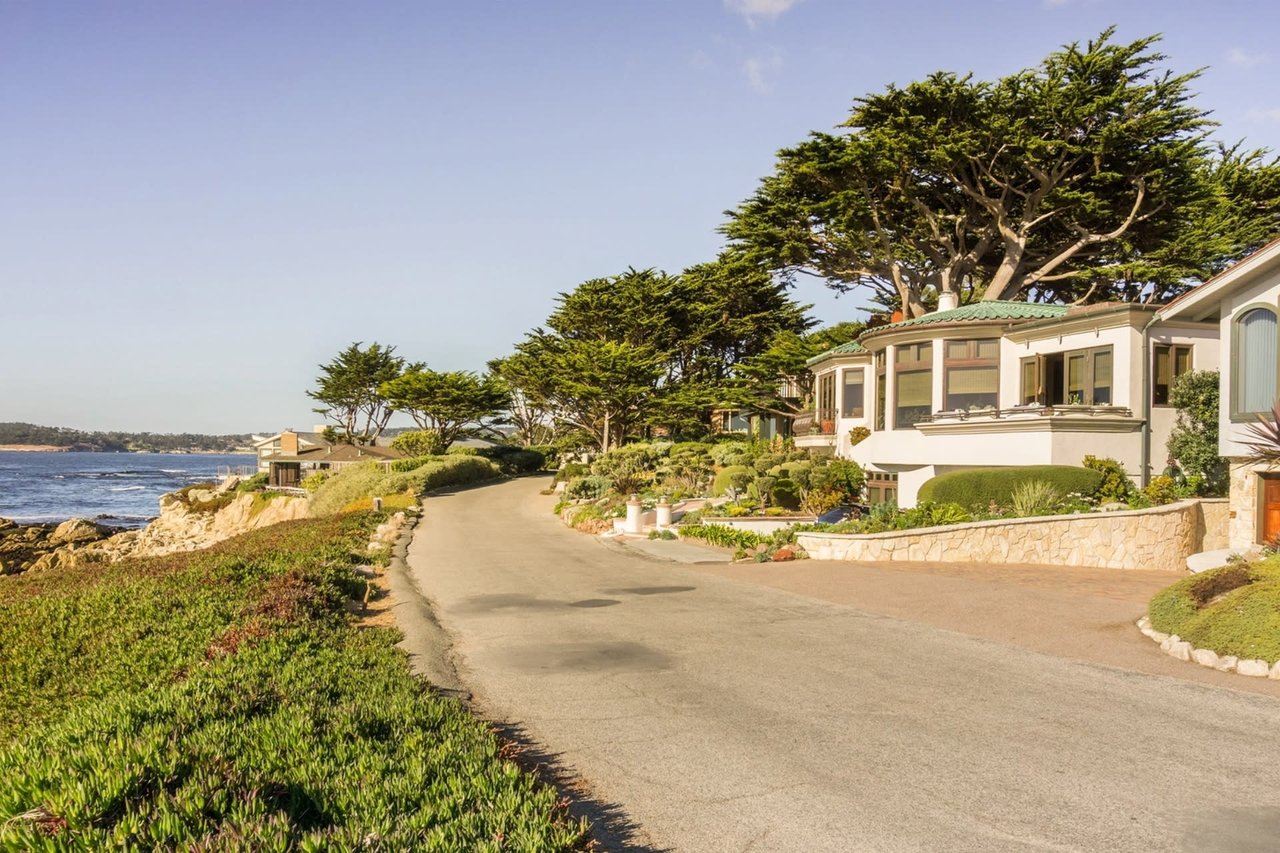
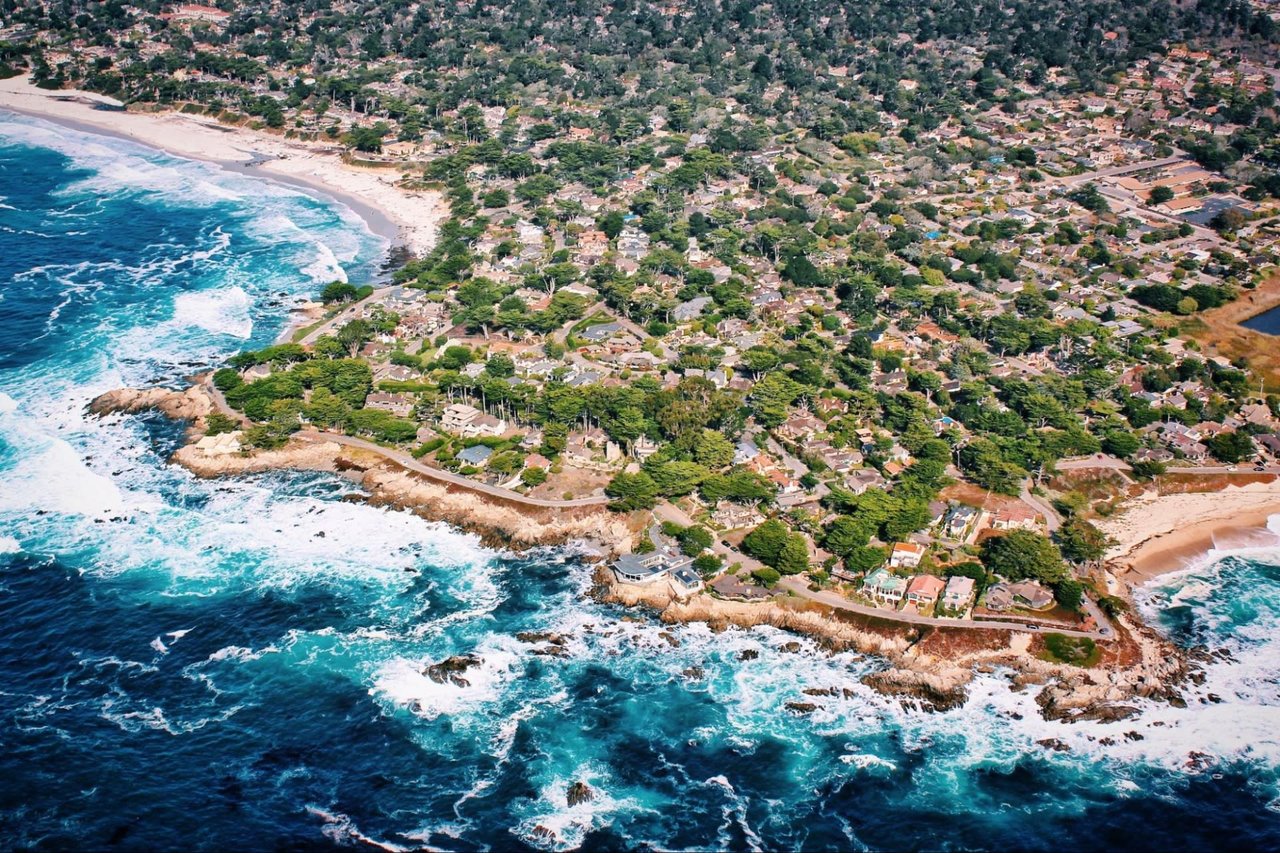
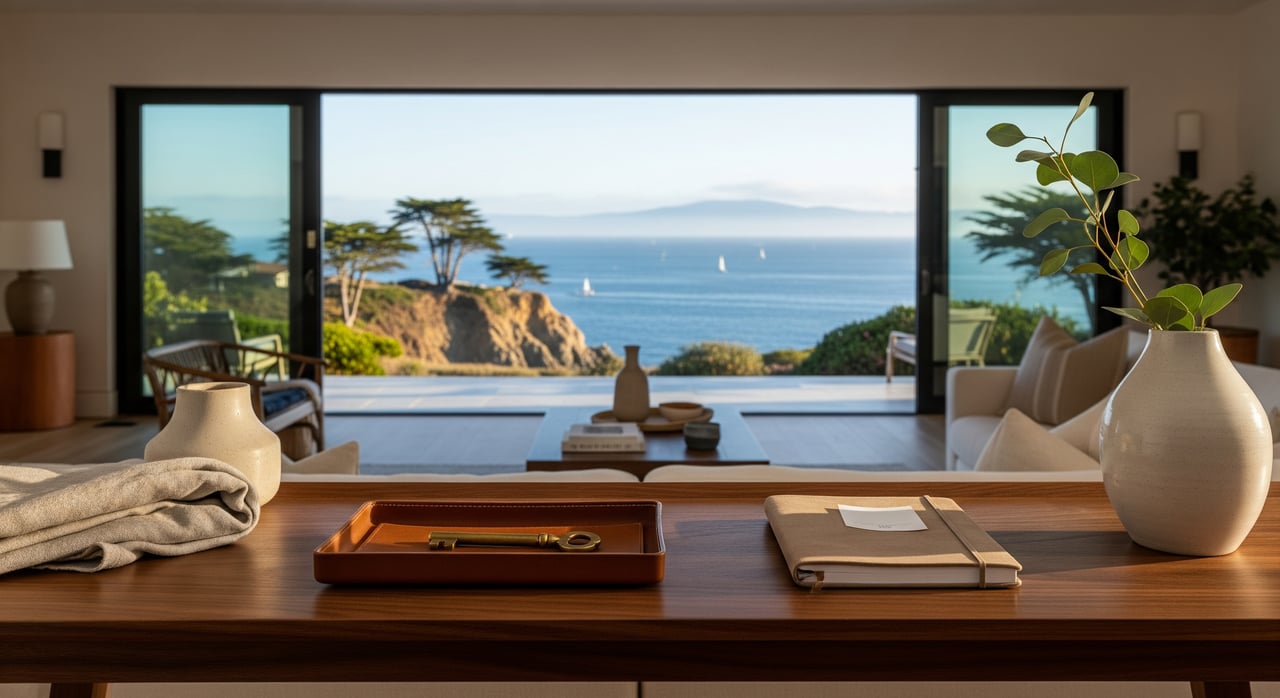
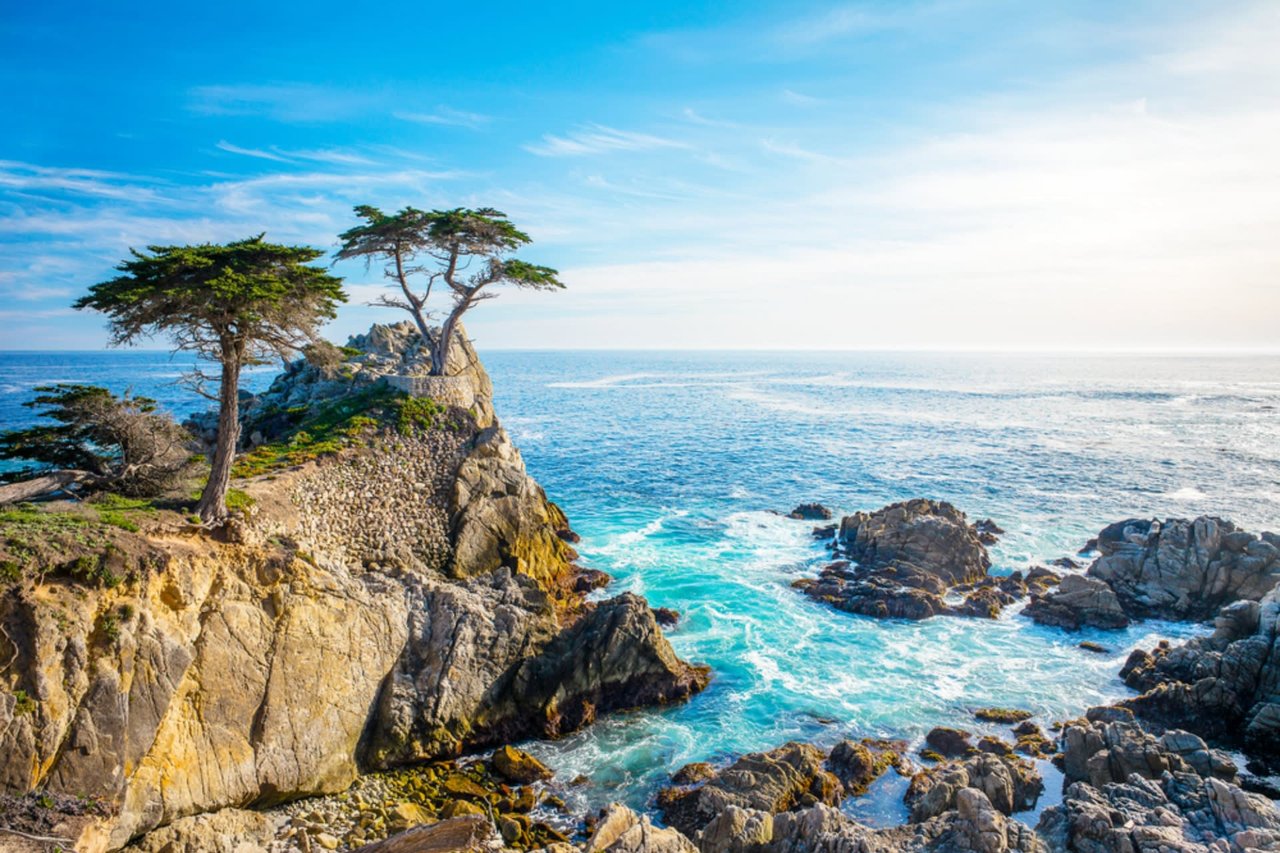
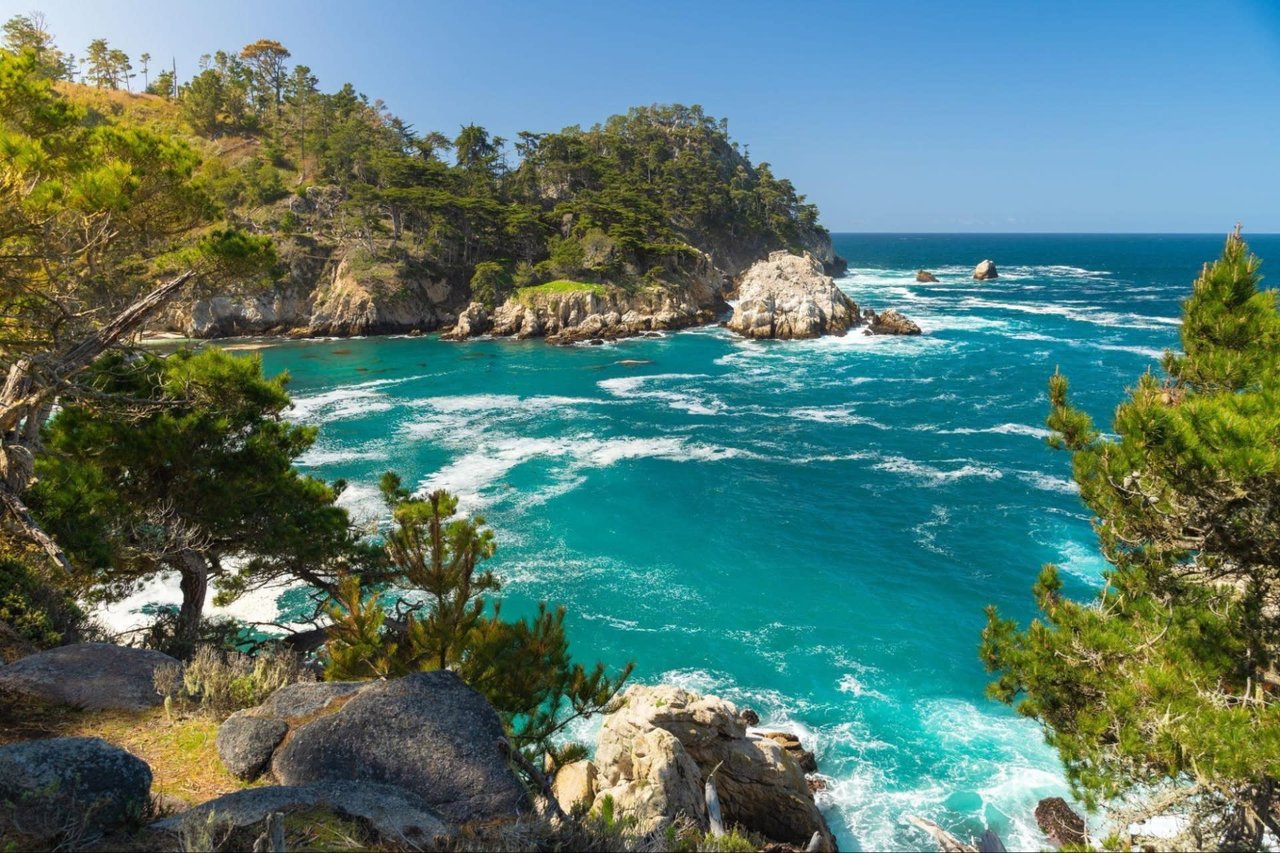
At a high level, Carmel-by-the-Sea is a compact coastal city centered around a village lifestyle. City planning documents describe it as primarily residential, with moderate temperatures, frequent fog, and a setting where many daily needs are close together.
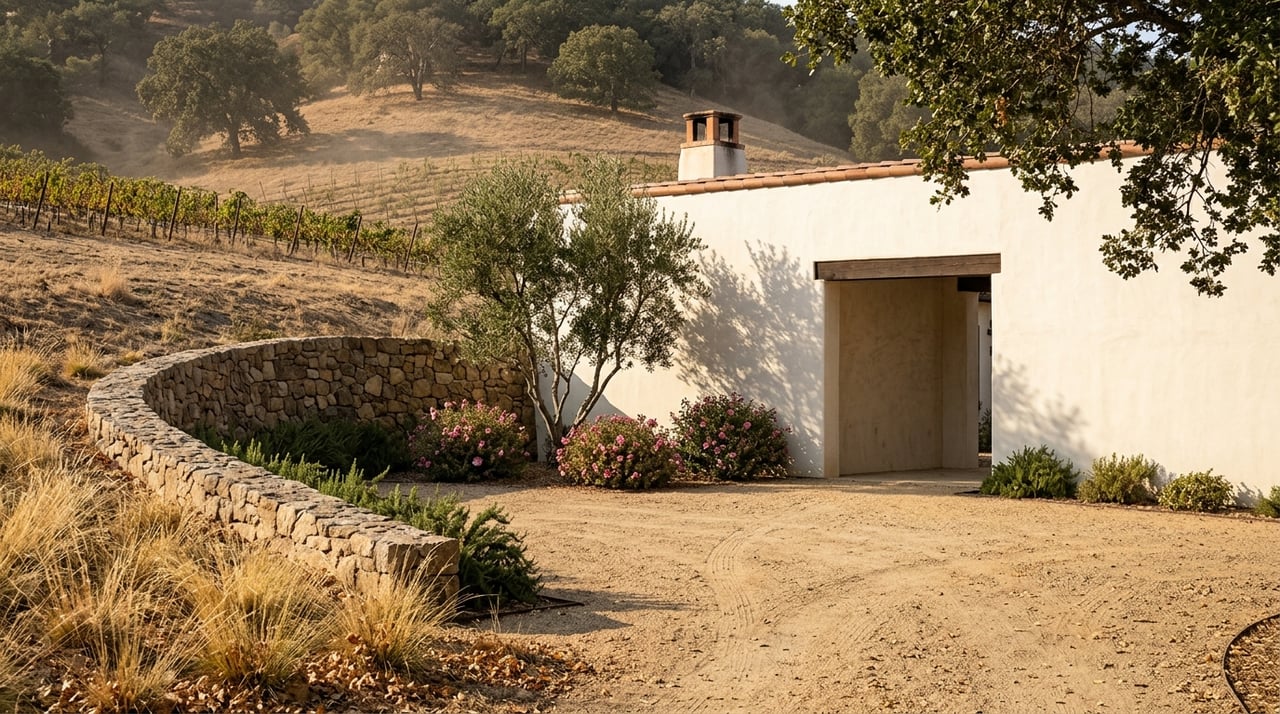
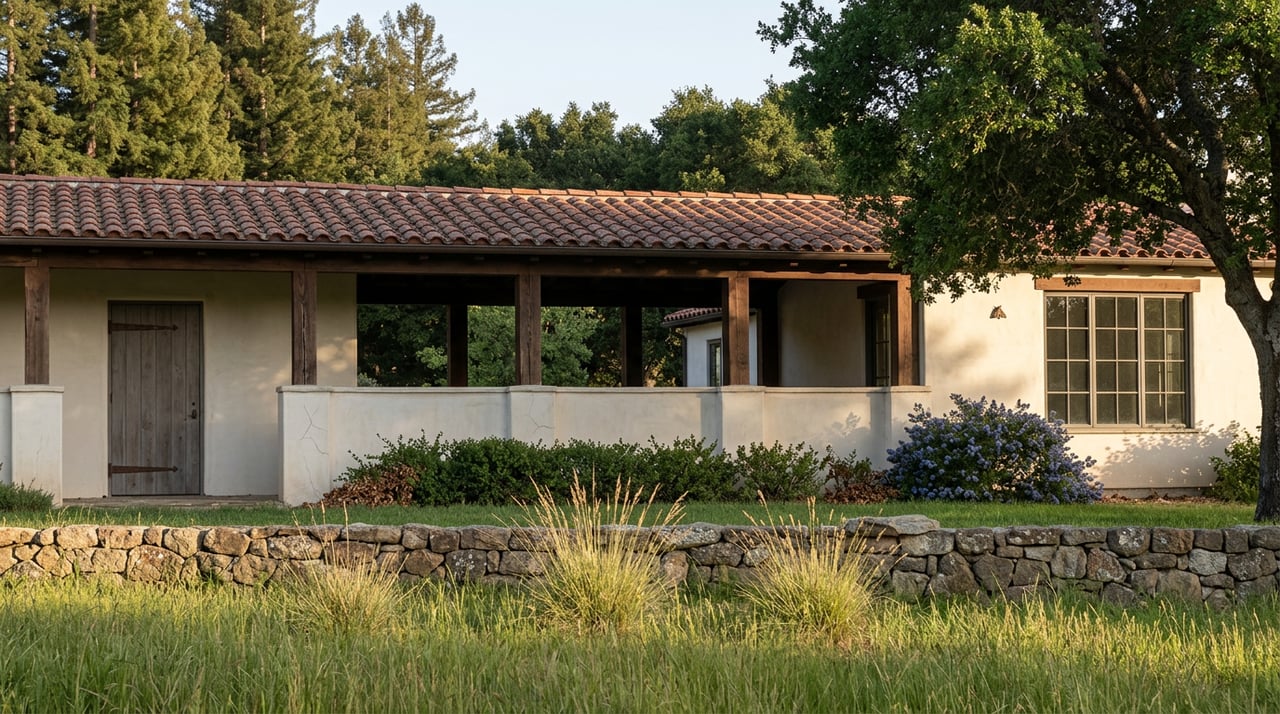
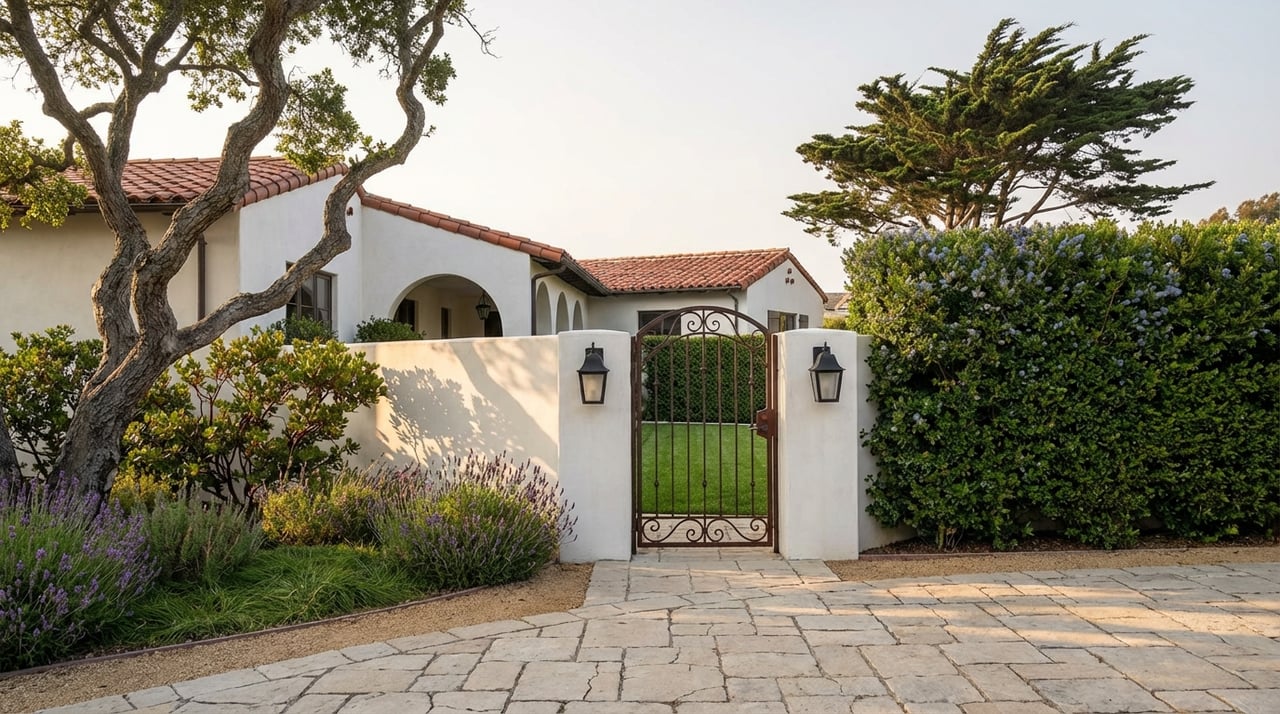
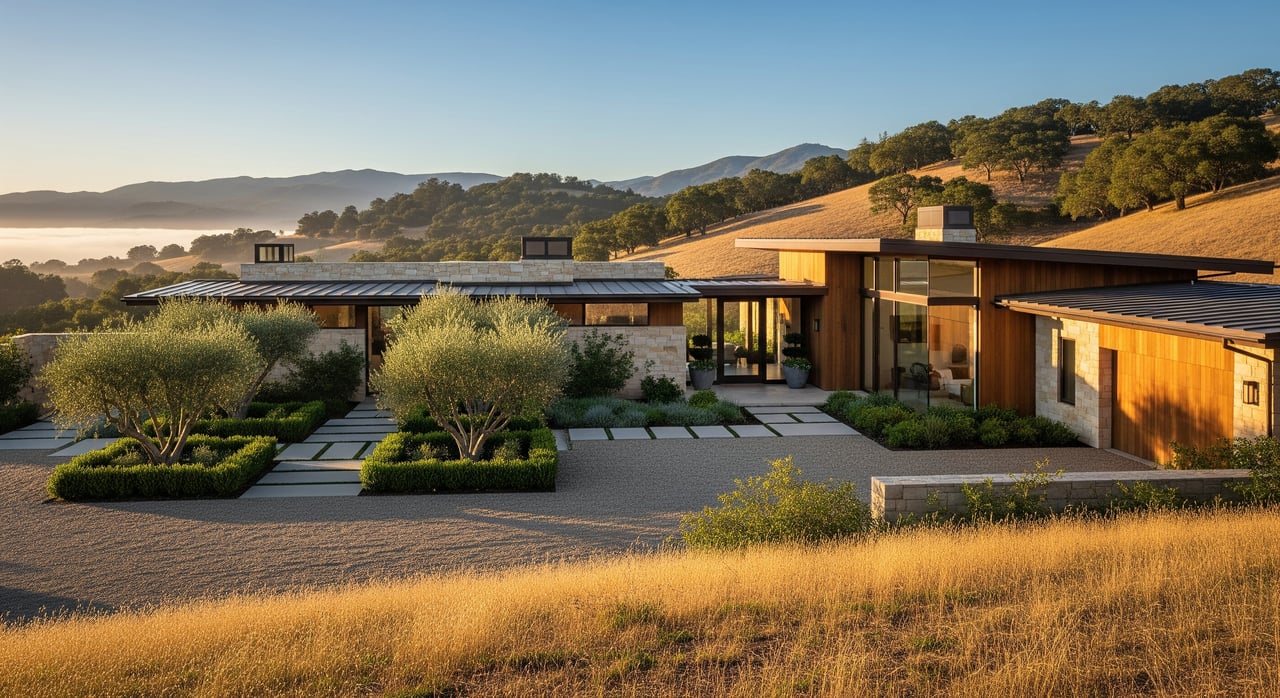
Carmel Valley is a broader 15-mile corridor in unincorporated Monterey County. County planning materials describe a rural-agricultural character with warm dry summers, mild rainy winters, and development patterns that are more spread out, with residential areas, agricultural land, and limited commercial nodes.
For many buyers, the main tradeoff is simple. Carmel-by-the-Sea offers beach access, walkability, and a compact village rhythm. Carmel Valley offers more sun, more space, and a more drive-based daily routine.
Climate feels very different
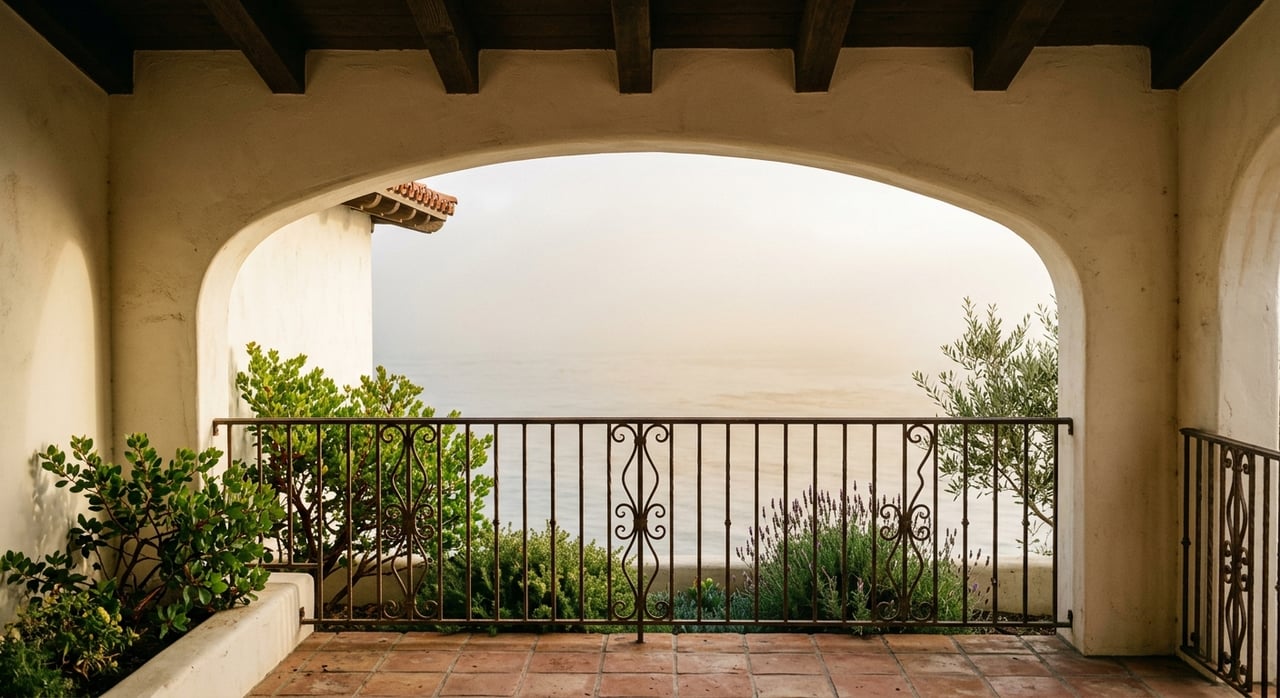
Carmel-by-the-Sea is cooler and foggier
If you love coastal air and a softer, cooler weather pattern, Carmel-by-the-Sea may feel like home. Official city planning documents describe winter temperatures around 43 to 60 degrees and summer temperatures around 53 to 72 degrees, with frequent fog and average annual precipitation of about 19 inches.
The coastal setting shapes more than just mood. Carmel-by-the-Sea is influenced by ocean weather and coastal storm exposure, and city climate planning notes hazards such as stronger storms, sea level rise, drought, wildfire risk, and increasing temperatures.
Carmel Valley is sunnier and warmer
Carmel Valley has a noticeably different feel. County planning materials describe warm dry summers, mild rainy winters, and daily air movement patterns shaped by onshore winds and nighttime offshore breezes.
In practical terms, many buyers experience Carmel Valley as the sunnier and generally warmer option. If you picture more time outdoors, more afternoon sun, or a setting that feels less marine-influenced, Carmel Valley often fits that goal better.
Home setting and land use
Carmel-by-the-Sea is compact and established
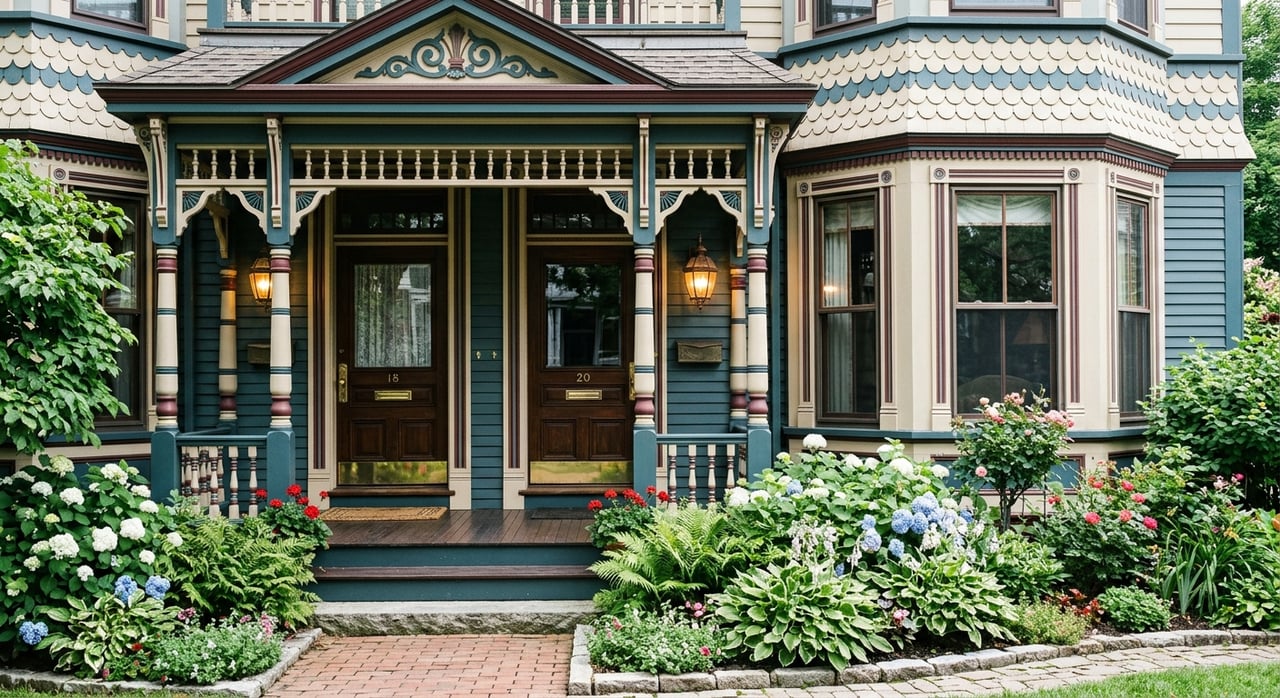
Carmel-by-the-Sea is only about one square mile, and its housing stock is mostly detached single-family homes. City documents also note there is very little room for new development, with elevated land and construction costs driven by high demand, limited vacant land, and water constraints.
That matters if you value a close-knit physical setting and established streetscapes. It also helps explain why inventory can feel especially limited in this market.
Carmel Valley offers more range
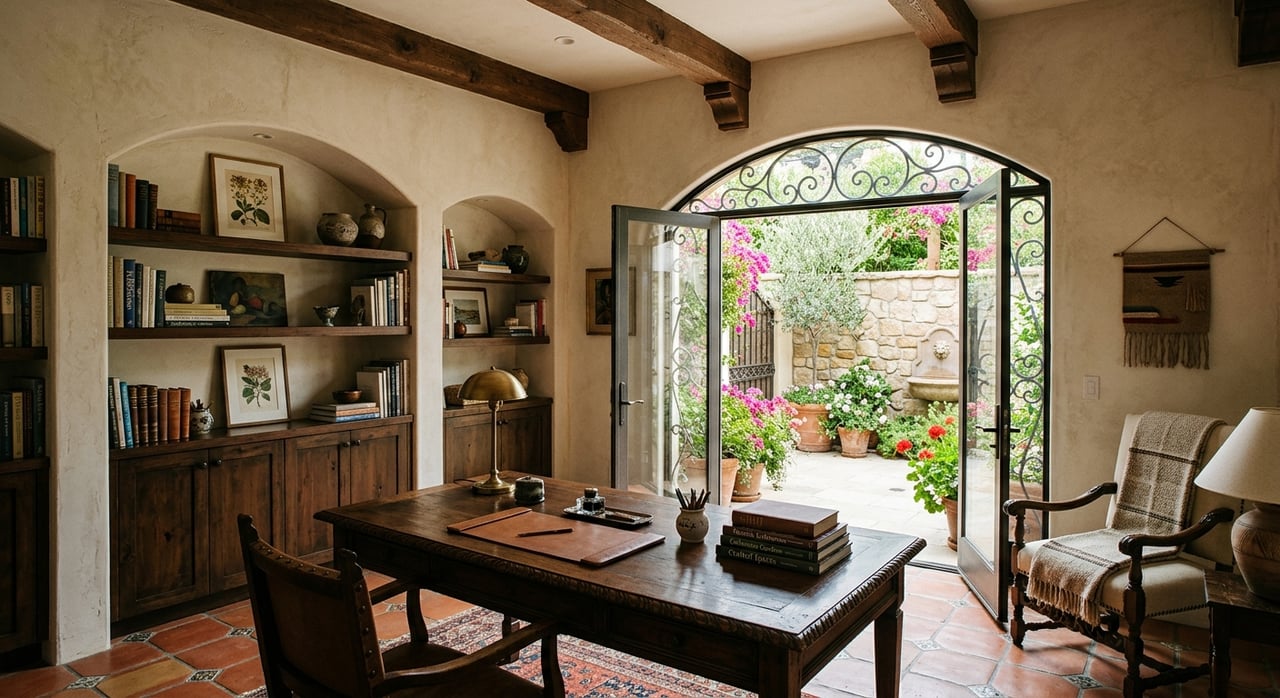
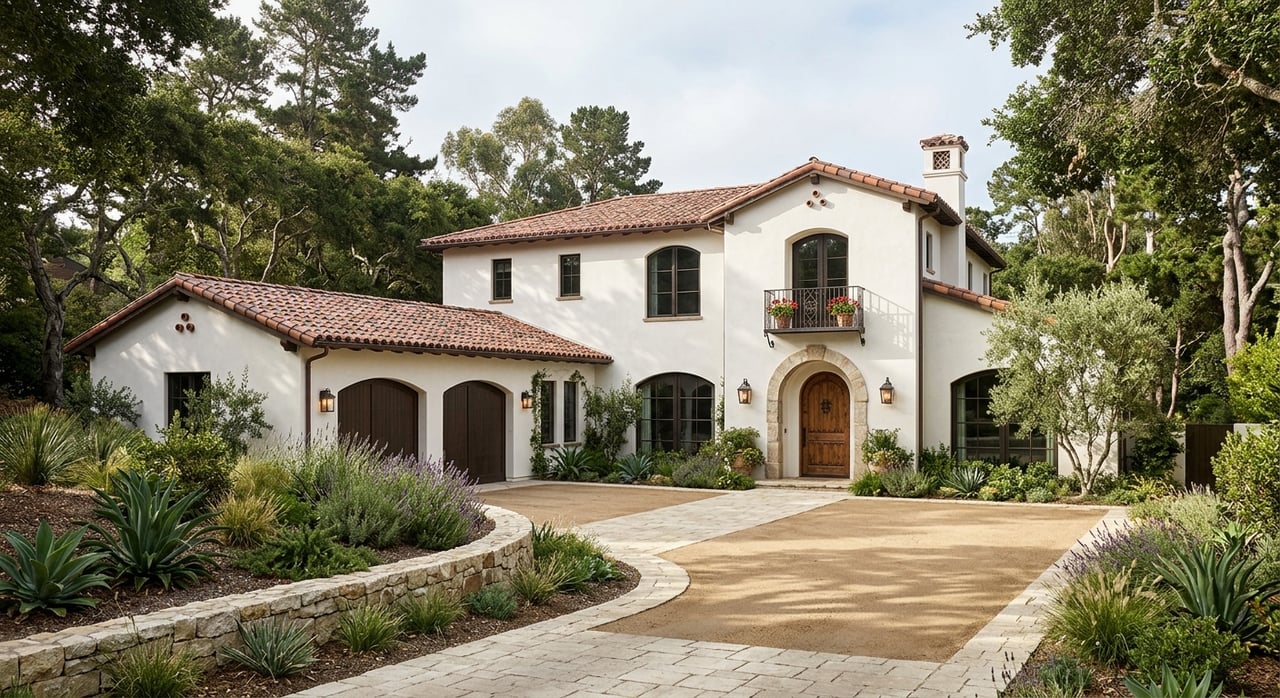
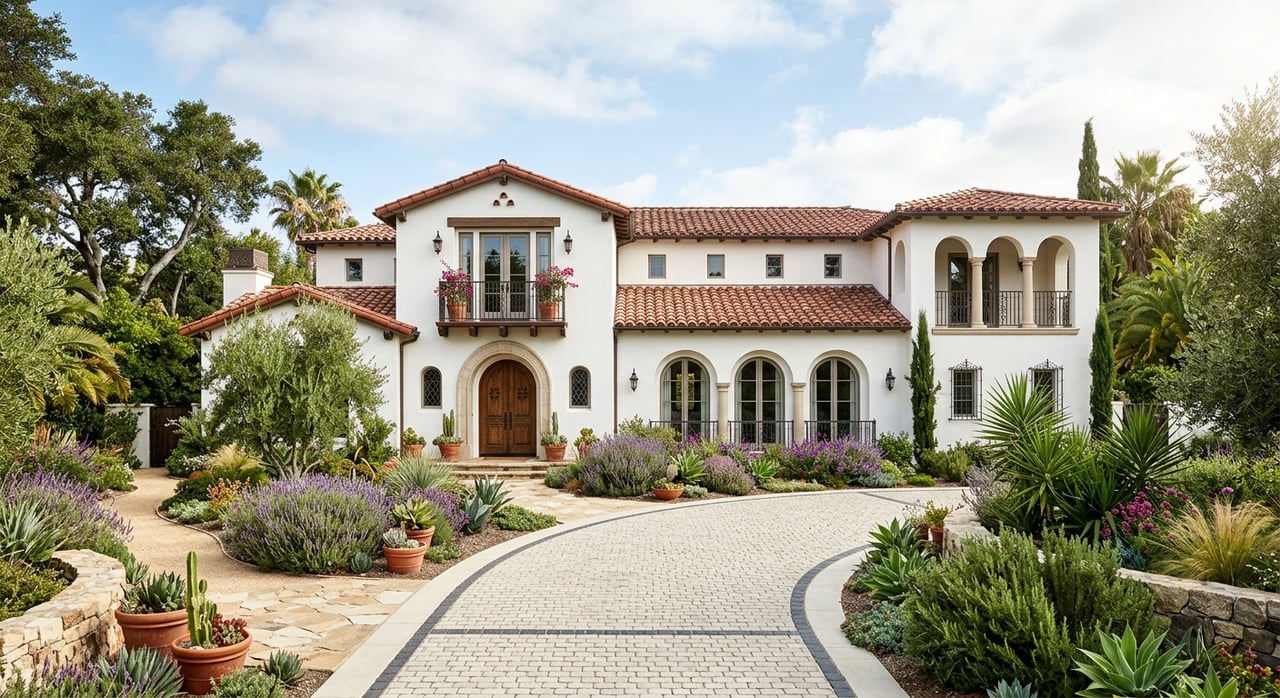
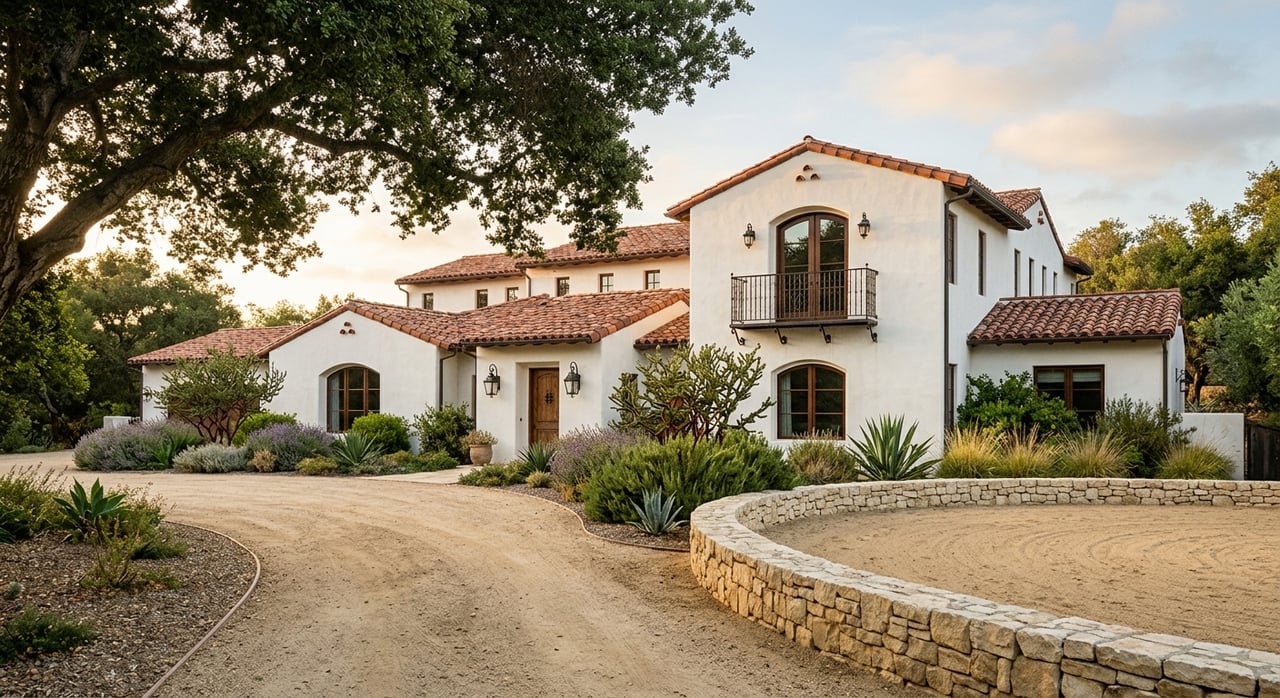
Carmel Valley is physically much larger and more varied. County materials describe a mix of valley floor, ridges, and higher-country parcels, along with rural residential development and small-scale agricultural uses.
That wider footprint gives you more variety in how a property lives. Depending on where you search, you may find homes near village services, more secluded parcels, or properties with room for gardens, orchards, or other low-density uses.
Price points can shape the decision
For many buyers, price is not the only factor, but it often sets the boundaries of the search. Recent market snapshots show Carmel-by-the-Sea well above Carmel Valley.
Redfin reported a March 2026 median sale price of $4.4 million for Carmel, compared with $1.535 million for the 93924 Carmel Valley market. Zillow’s April 2026 typical home values were $2.44 million for Carmel-by-the-Sea and $1.47 million for 93924.
That gap helps explain why Carmel Valley often appeals to buyers looking for more land and privacy per dollar. Carmel-by-the-Sea, by contrast, tends to command a premium for its coastal location, walkable village pattern, and limited supply.
Daily life and convenience
Carmel-by-the-Sea is built for walking
If you want to park once and spend the day on foot, Carmel-by-the-Sea stands out. Walk Score gives the city a 90 out of 100, described as a Walker’s Paradise, meaning daily errands do not require a car.
The official visitor guide also says that once you arrive in the village, hotels, inns, restaurants, shops, galleries, tasting rooms, cultural activities, and the beach are all within walking distance. That creates a compact, easy daily rhythm that many second-home buyers and weekend users love.
Carmel Valley is more spread out
Carmel Valley can feel walkable in and around Carmel Valley Village, but the broader area is different. Walk Score examples range from somewhat walkable village-core locations to rural addresses scoring near 0 to 16, where almost all errands require a car.
Dining and activity are also more dispersed. Current local listings emphasize Carmel Valley Village and resort-based venues rather than one dense restaurant district, so your daily routine is usually more drive-based.
Travel and regional access
Carmel-by-the-Sea has a convenience edge for short regional trips. The official visitor guide notes that Monterey Regional Airport is about 15 minutes away, and Highway 1 is the primary roadway connection.
Carmel Valley relies mainly on Carmel Valley Road and Laureles Grade for access. Monterey-Salinas Transit Route 24 connects Carmel Valley with Carmel and the Crossroads area, but county planning materials still make clear that the area is primarily road-first in how it functions.
If you plan to visit frequently for weekends or shorter stays, Carmel-by-the-Sea may feel simpler. If you are comfortable with a driving routine in exchange for more space and sun, Carmel Valley may be the stronger fit.
Which location fits your lifestyle?
Choose Carmel Valley for space and longer stays
Carmel Valley often makes the most sense if you want a primary residence or a longer-stay retreat. County planning materials support its appeal for buyers seeking more space, privacy, sun, and room for low-density uses.
This can be especially attractive if you want a property that feels grounded in day-to-day living rather than a purely destination-style experience. You may also find more flexibility across parcel size, setting, and ownership style.
Choose Carmel-by-the-Sea for coastal convenience
Carmel-by-the-Sea often fits buyers who want a second home, frequent weekend use, and the ability to walk to nearly everything. City documents note that more than 31 percent of the housing stock is vacant at any given time because of seasonal, recreational, or occasional use, which points to a strong second-home pattern.
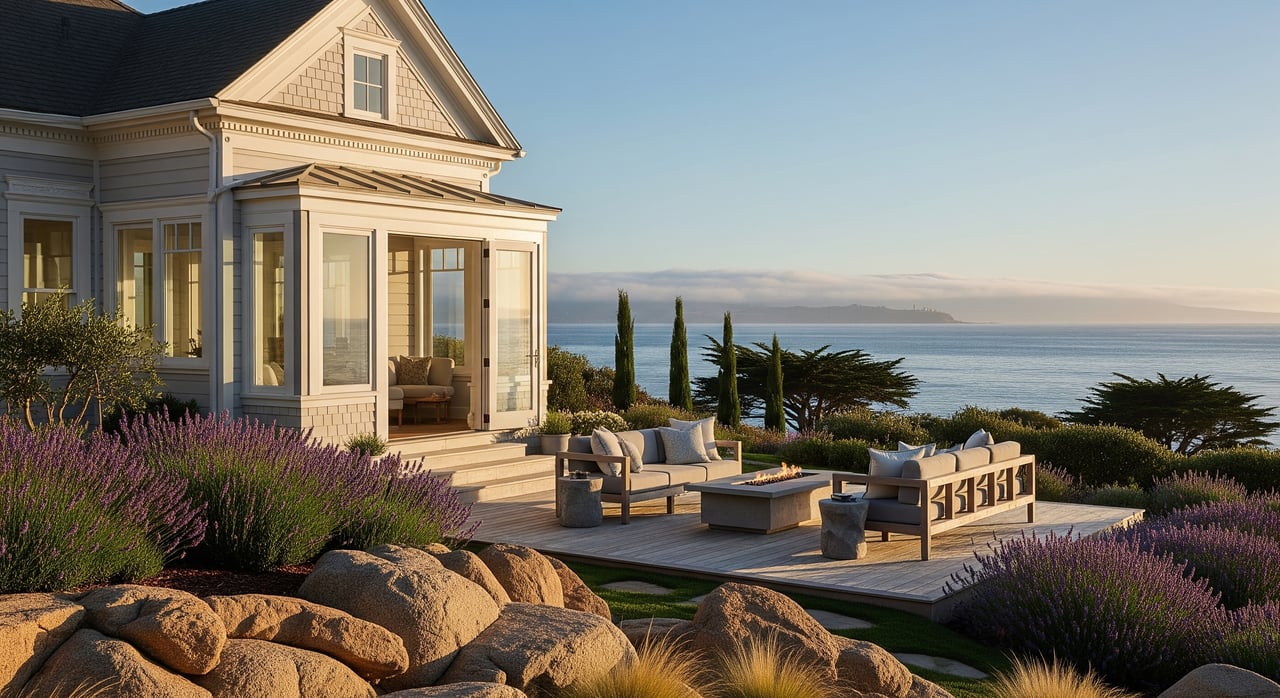
If your vision of ownership centers on beach proximity, village charm, and a lock-and-leave feel, Carmel-by-the-Sea is the premium coastal alternative. You are paying more for that convenience and setting, but for many buyers, that is exactly the point.
What about schools?
Both Carmel Valley and Carmel-by-the-Sea are within Carmel Unified School District. The district includes Carmel River School in Carmel, Tularcitos Elementary in Carmel Valley, Carmel Middle School, Carmel High School, and Carmel Valley High School as a continuation high school.
Because both areas are in the same district, schools are often less of a deciding factor than lifestyle, property type, commute pattern, and how you plan to use the home.
A practical way to decide
If you are still torn, start with how you want your ordinary week to feel. Do you want to wake up to cooler coastal air, walk to restaurants and the beach, and keep the car parked most of the time? Or do you want more sunshine, more land, and a home that feels tucked away from the village pace?
Then look at your ownership goals. A second-home buyer who wants easy weekend use may lean toward Carmel-by-the-Sea. A buyer planning longer stays, a primary move, or a property with more privacy and usable outdoor space may find Carmel Valley more practical.
The right answer is less about which place is better and more about which one fits the way you want to live. If you want local guidance on comparing village homes, valley acreage, second-home options, or ownership strategies that may include future rental use, Carmel Coast can help you evaluate both with a clear, local perspective.
FAQs
Is Carmel Valley warmer than Carmel-by-the-Sea?
- Yes. County and city planning materials describe Carmel Valley as warmer and sunnier overall, while Carmel-by-the-Sea is cooler and experiences frequent fog.
Is Carmel-by-the-Sea more walkable than Carmel Valley?
- Yes. Walk Score rates Carmel-by-the-Sea at 90, while Carmel Valley ranges from somewhat walkable in the village core to very car-dependent in more rural areas.
Are homes in Carmel-by-the-Sea more expensive than Carmel Valley homes?
- Yes. Recent market snapshots in the research report show substantially higher median sale prices and typical home values in Carmel-by-the-Sea than in Carmel Valley.
Is Carmel Valley better for a full-time home?
- For many buyers, yes. Carmel Valley often suits primary residences or longer stays because it offers more space, more sun, and a more residential rural setting.
Is Carmel-by-the-Sea better for a second home?
- It often is. City housing data shows a significant seasonal or occasional-use pattern, and the walkable village setting can be especially appealing for weekend and second-home ownership.
Do Carmel Valley and Carmel-by-the-Sea share the same school district?
- Yes. Both are within Carmel Unified School District, so schools are often less of a separator than lifestyle, property type, and daily routine.