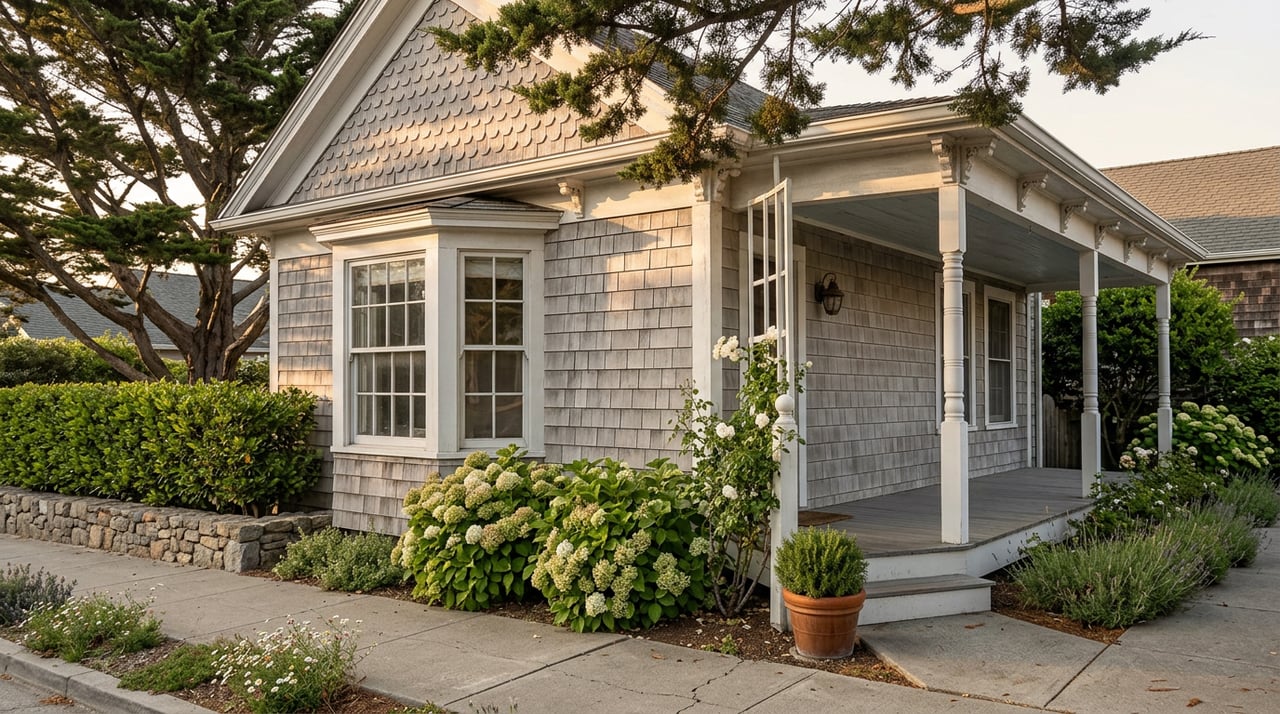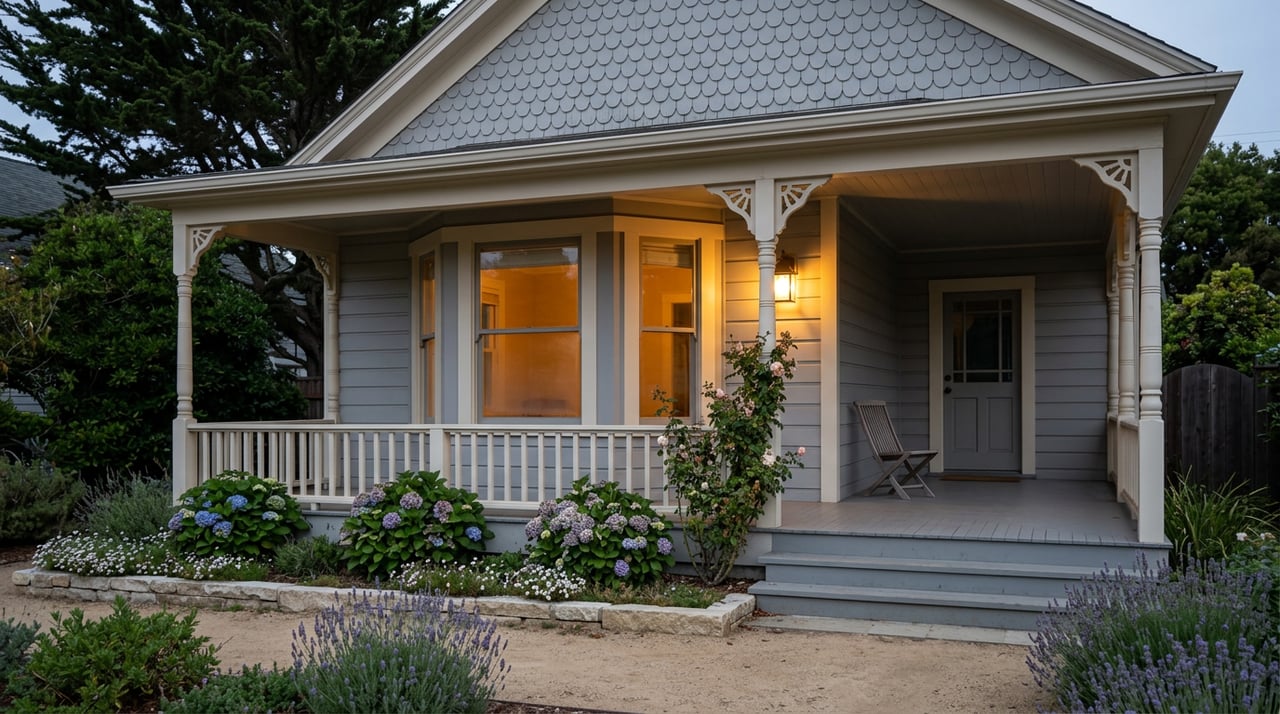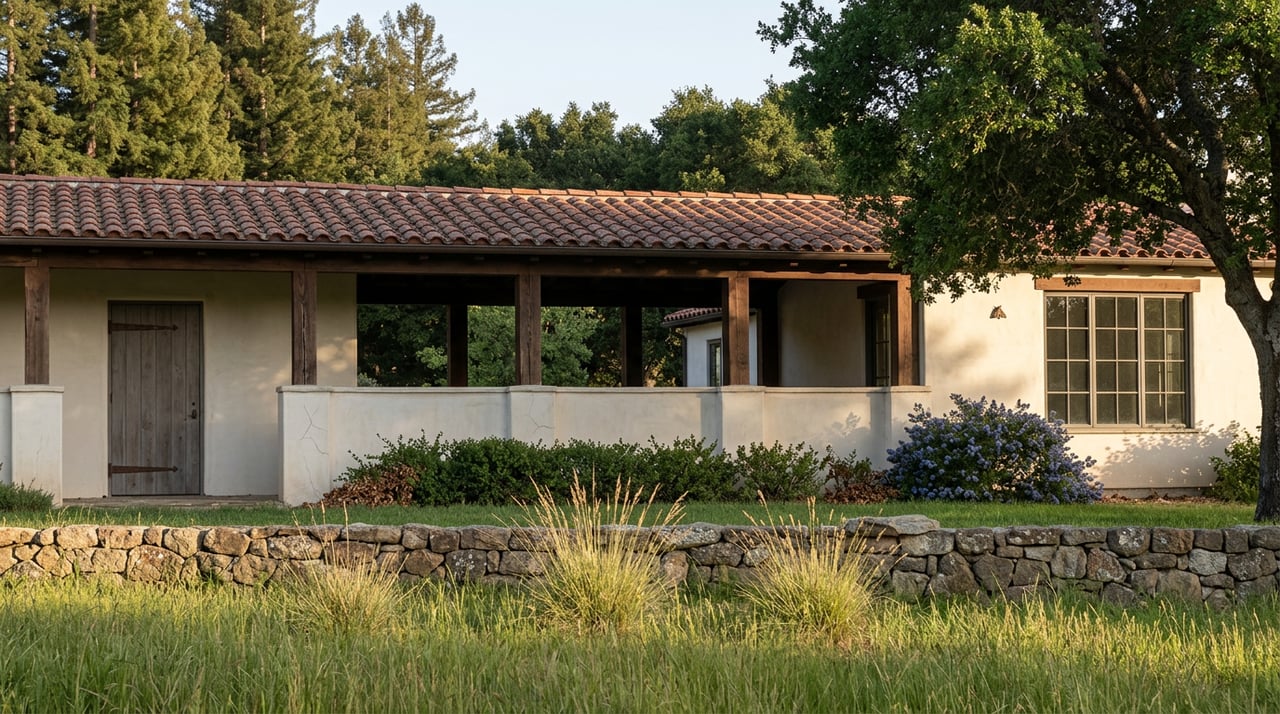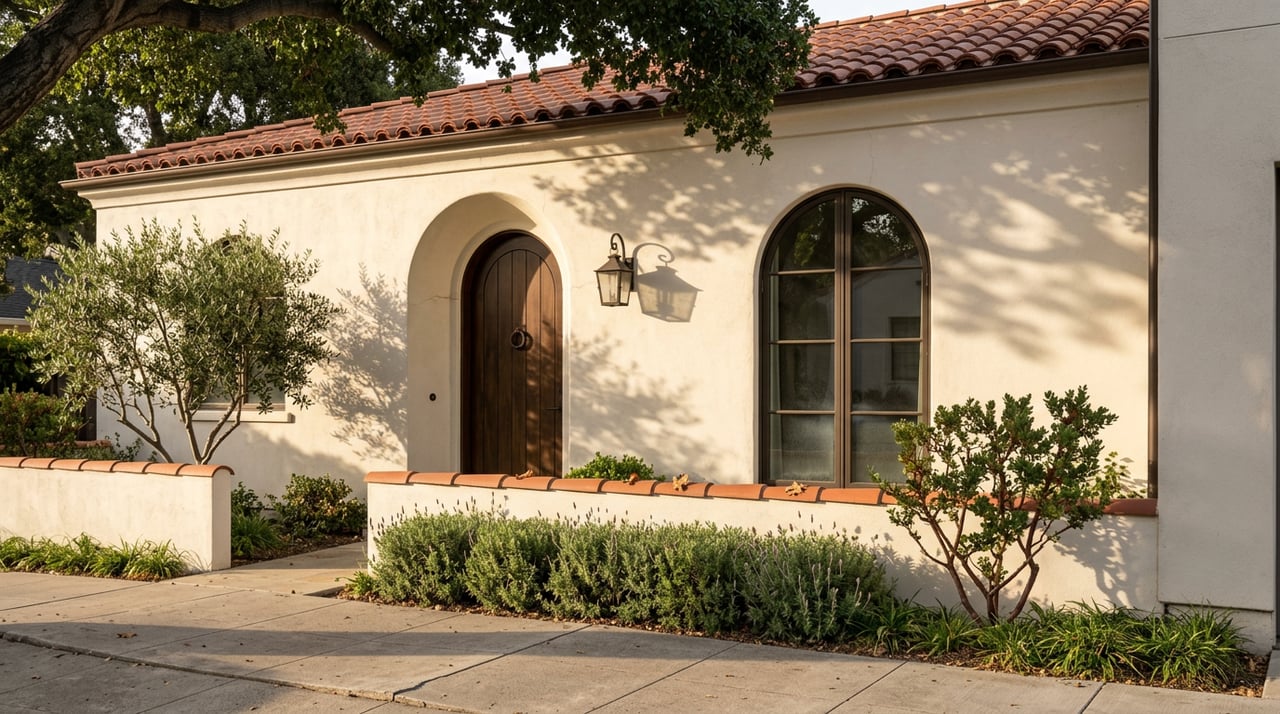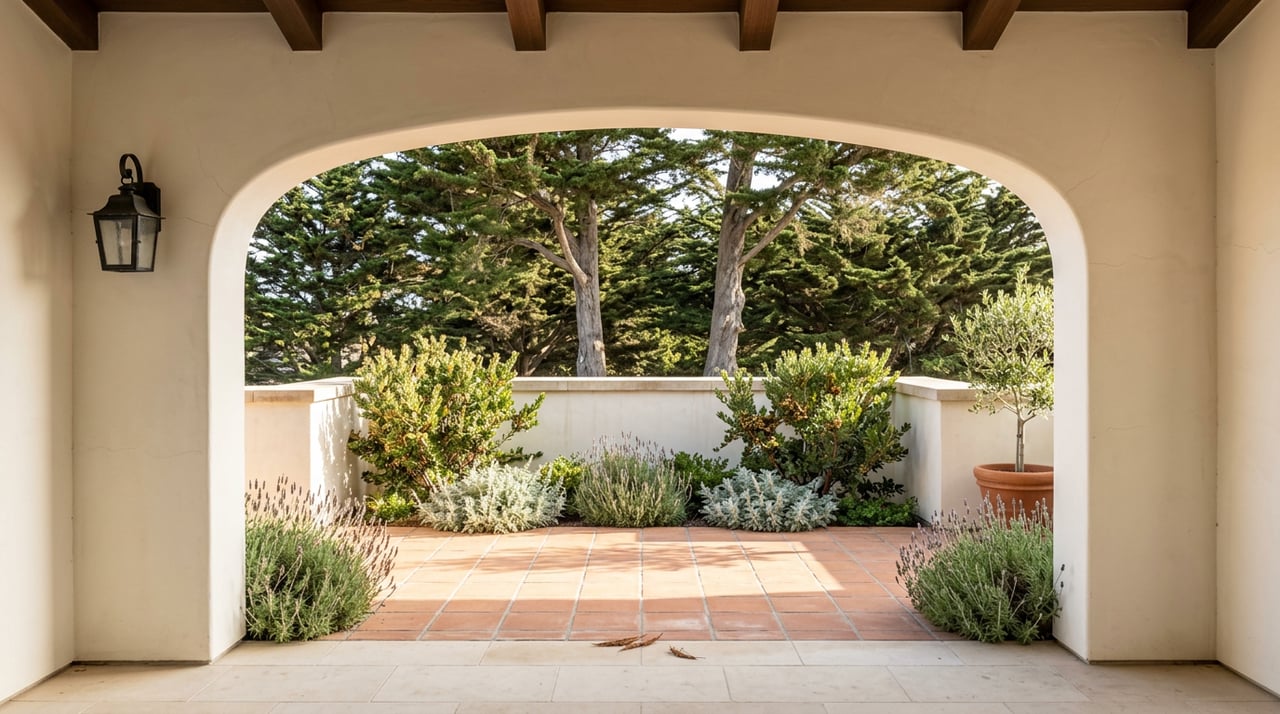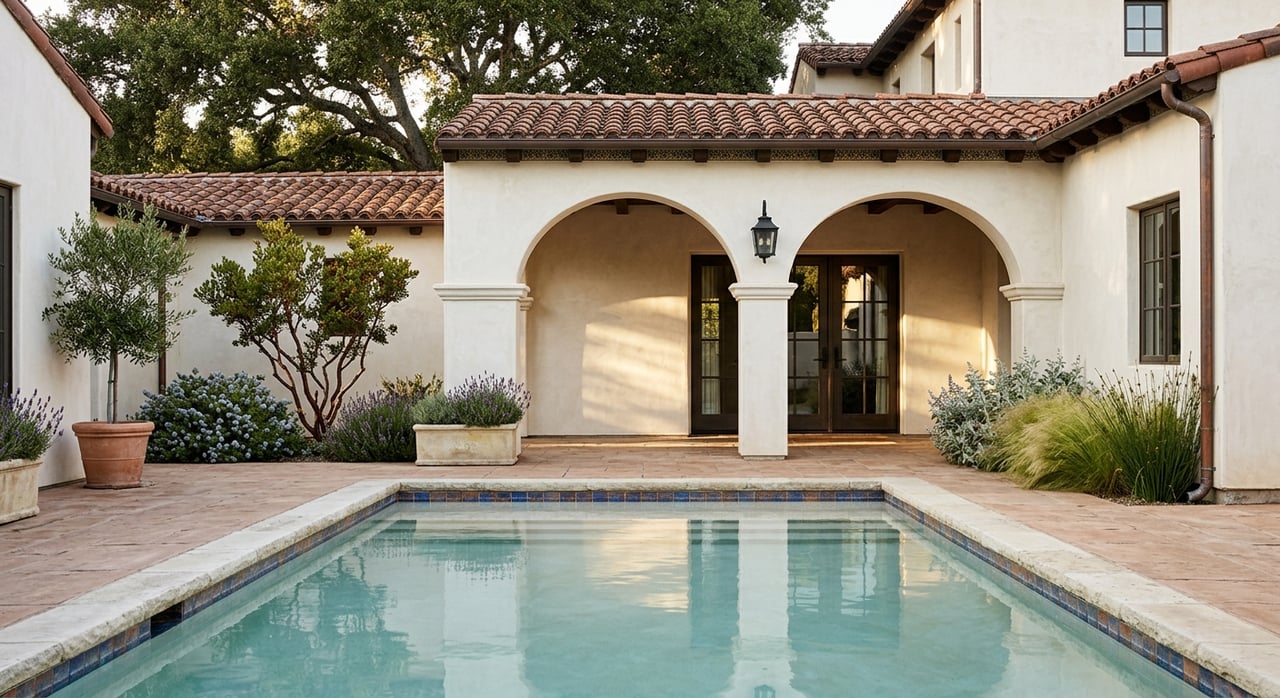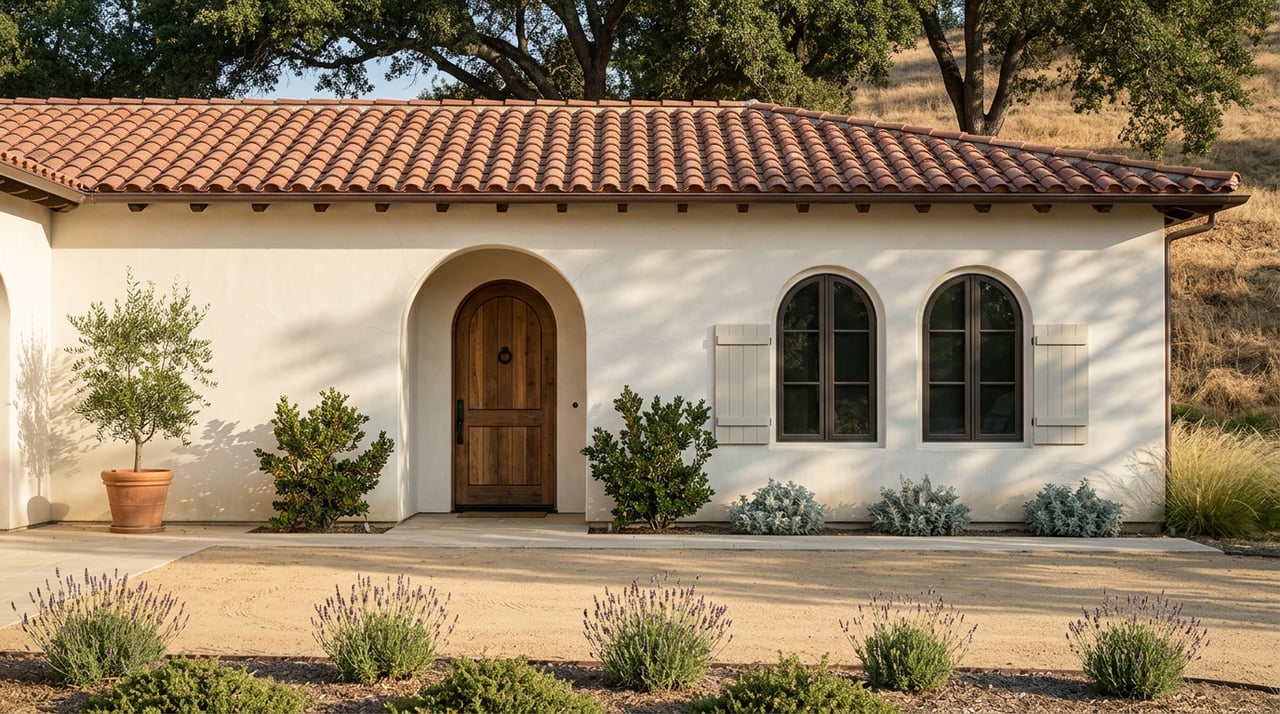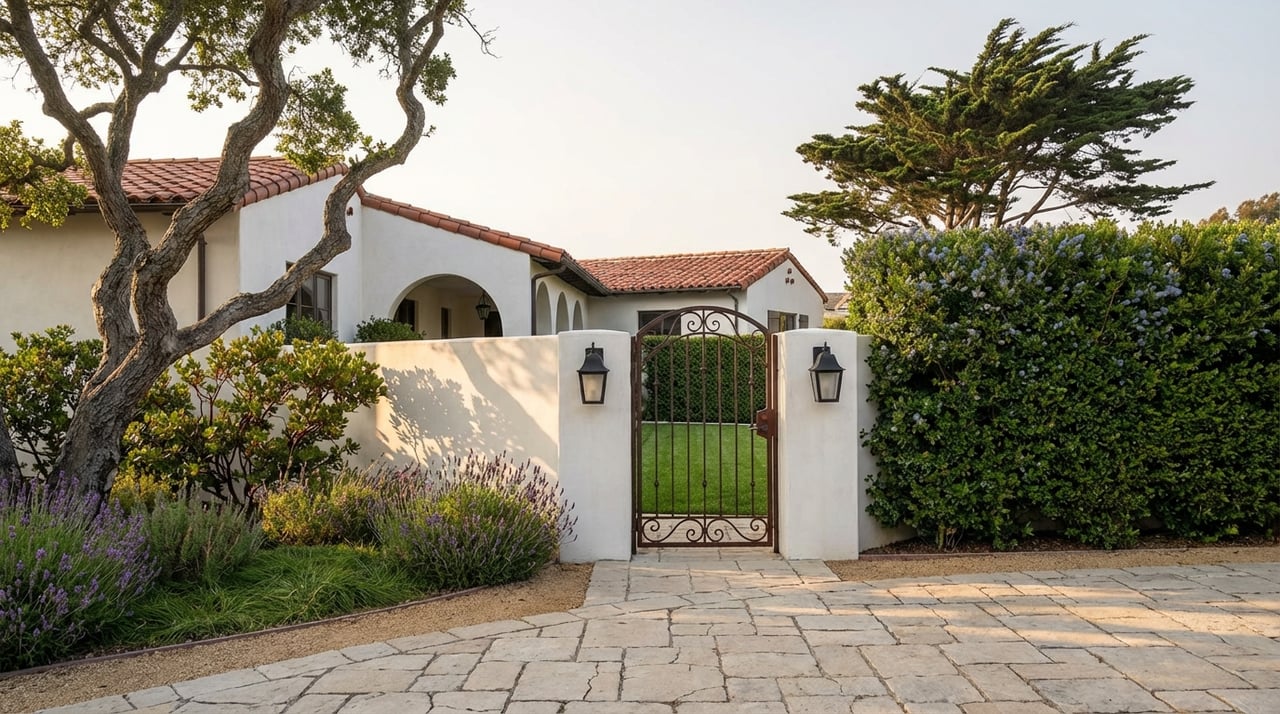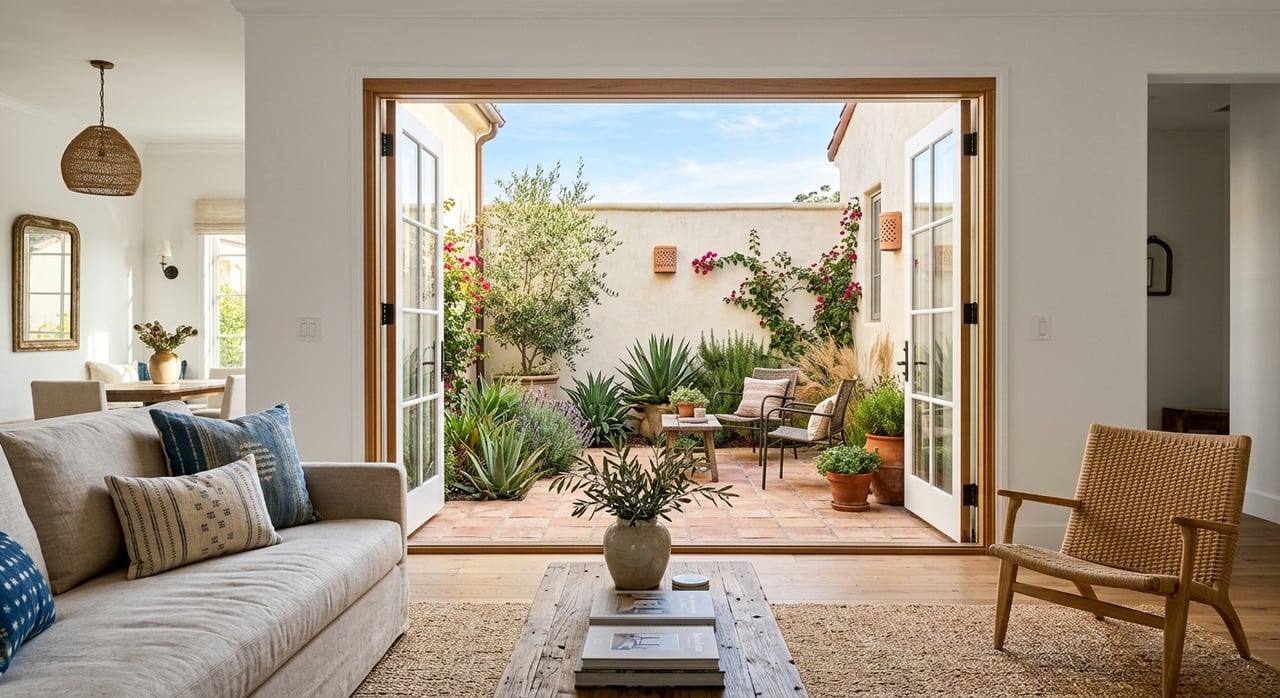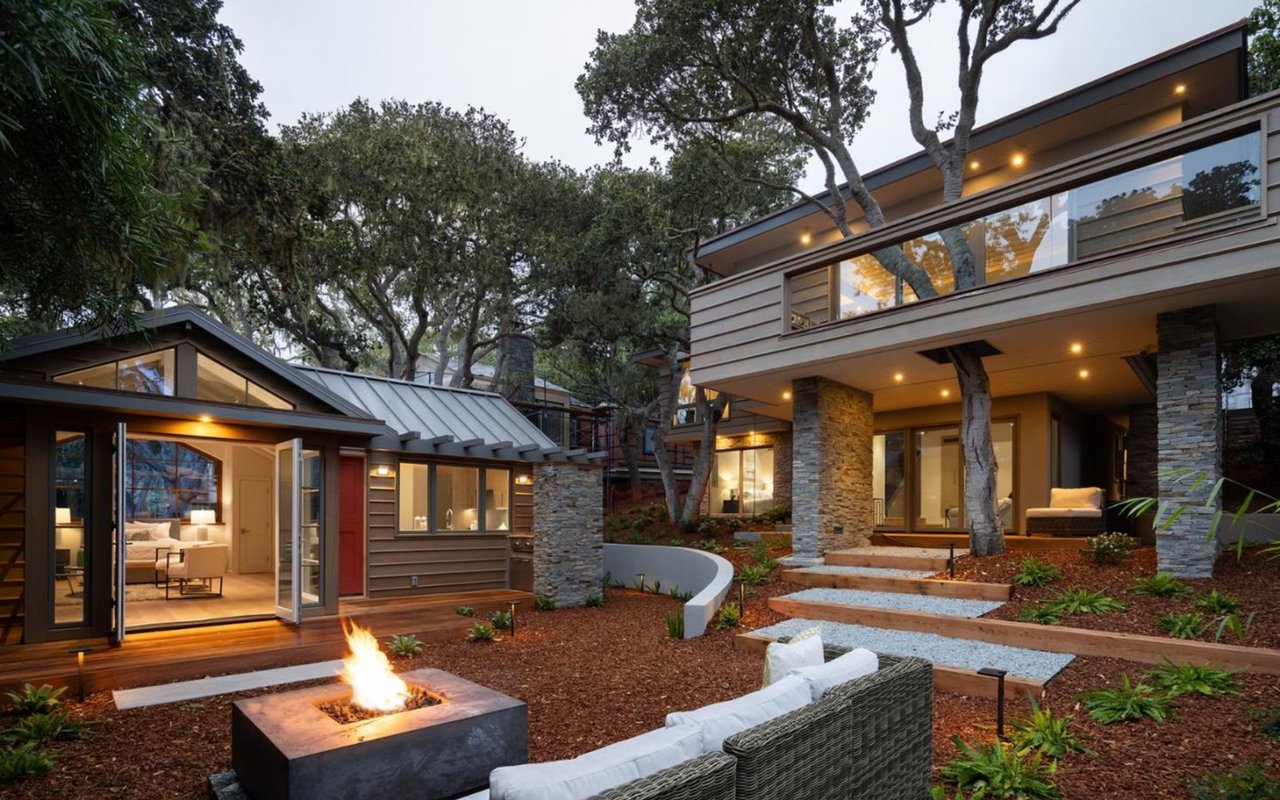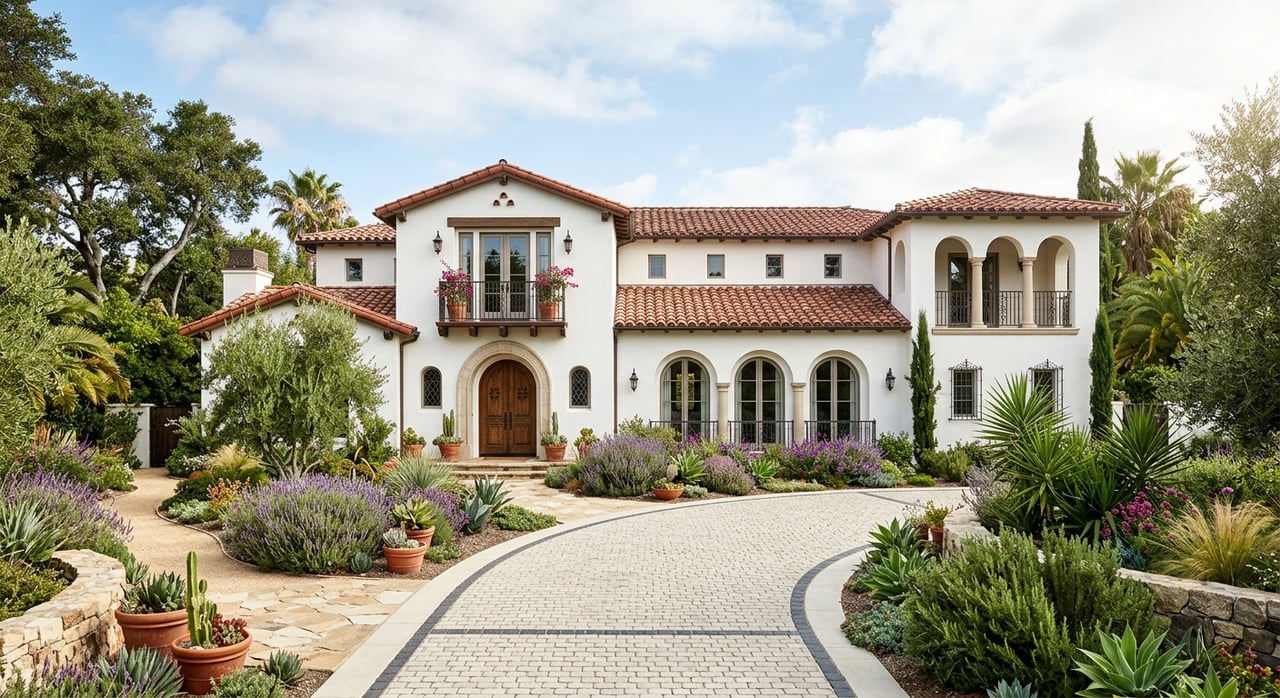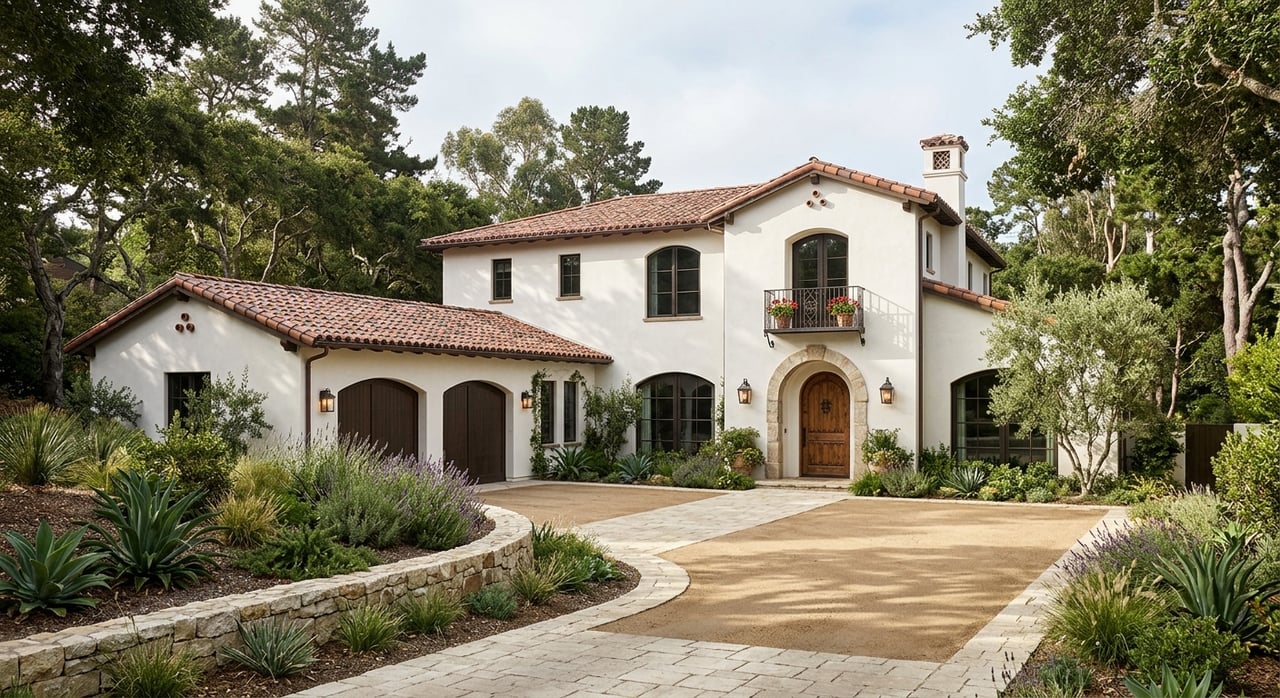
If you are dreaming about waking up beside a fairway in Pebble Beach, it helps to know that not all golf homes here live the same way. A property can share the same Pebble Beach address as another home, yet offer a very different mix of privacy, access, views, and future flexibility. Before you buy, you should understand how lot position, public access, county rules, and ownership logistics shape the ownership experience. Let’s dive in.
Pebble Beach Is a Micro-Market
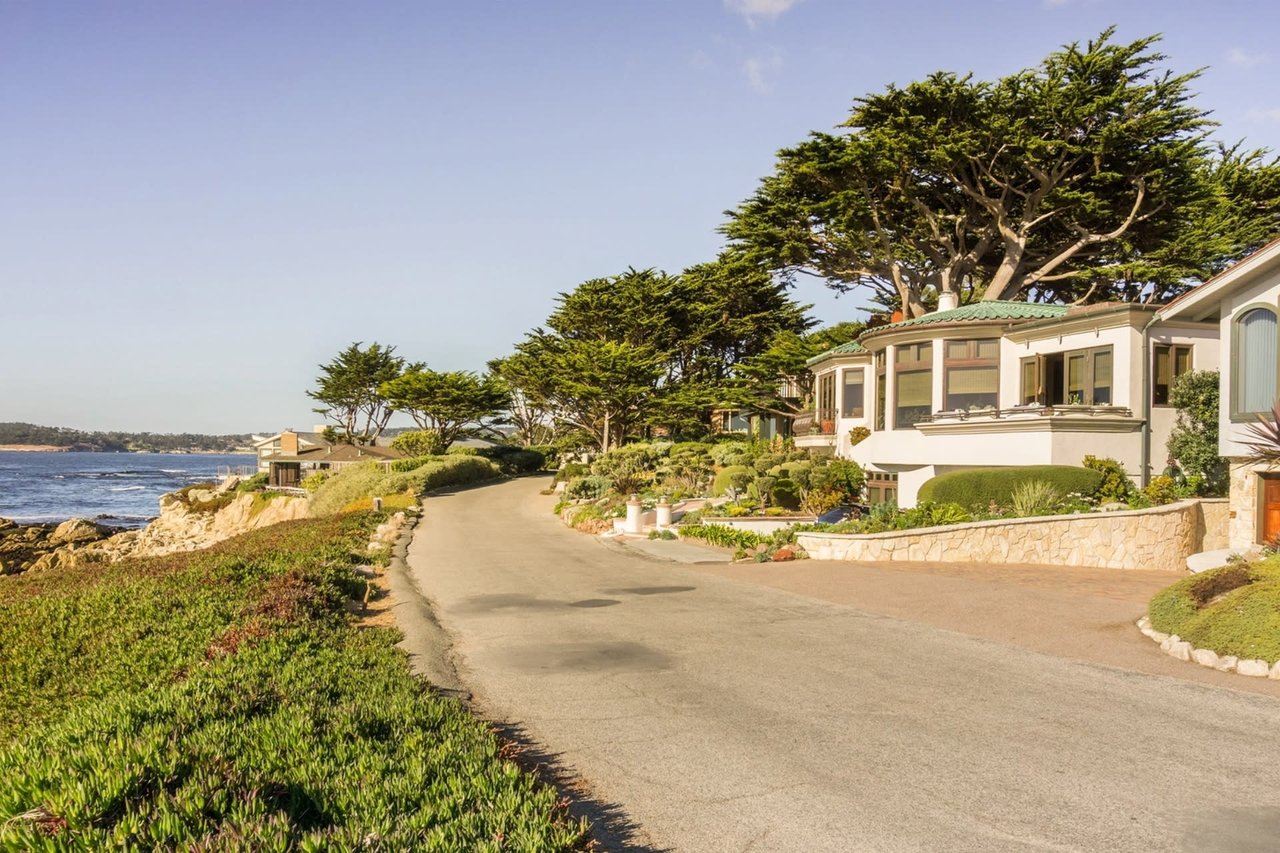
Pebble Beach sits within Del Monte Forest, a largely privately held coastal area along roughly seven miles of shoreline. Monterey County identifies planning pockets such as Spanish Bay, Spyglass Cypress, Pebble Beach East and West, and Country Club. That matters because a golf home’s value and day-to-day feel often depend more on its exact pocket and lot setting than on the Pebble Beach name alone.
You may find that two homes with similar square footage offer very different ownership experiences. One may sit closer to a public-facing route or trail, while another may feel tucked away behind trees and topography. In Pebble Beach, the details of the parcel often carry as much weight as the house itself.
Golf Location Matters More Than You Think
Pebble Beach offers seven championship courses along 17-Mile Drive, plus the nine-hole Peter Hay course. For many buyers, that makes golf access a major draw. Still, the best fit is not always the home closest to the most visible fairway.
In practice, buyers often look for a balance of course access, visual privacy, and separation from public circulation. A home that fronts a well-known roadway or sits near a public access point may deliver prestige and scenery, but it can also come with more activity nearby. A more buffered lot may offer a quieter ownership experience, even if it sits only a short distance away.
Lot Position Drives Daily Experience
County planning rules place strong emphasis on preserving public views and protecting scenic corridors. That means the setting of a lot can influence what is possible now and later, including how views, landscaping, and structures relate to surrounding roads and open areas.
When you tour a Pebble Beach golf home, look beyond the interiors. Pay attention to where the home sits in relation to the road, the fairway, neighboring homes, and any public trail or shoreline access route. Those factors can affect privacy, traffic patterns, and future design options.
17-Mile Drive Is Part of the Equation
Many buyers assume 17-Mile Drive functions like a fully private residential road, but that is not quite the case. Pebble Beach Resorts says the gates are open to the public from sunrise to sunset, vehicle admission is charged, and motorcycles are prohibited. That public access is part of what makes Pebble Beach iconic, but it can also mean visitors, daytime traffic, and occasional congestion.
If a home fronts or sits near 17-Mile Drive, you should think carefully about what that means for your lifestyle. Some buyers love being close to the heart of the Pebble Beach experience. Others prefer more distance from public circulation, especially if the property will be used as a second home or quiet retreat.
County Setbacks and Buffers Shape Homesites
County policy says development along 17-Mile Drive should maintain a natural buffer, generally preserve a minimum 100-foot setback from the road centerline, and avoid direct driveway access to 17-Mile Drive where possible. These rules help protect the scenic character of the area. They can also shape how a homesite functions and what future changes may be realistic.
That is one reason parcel-specific review is so important before you close. A beautiful lot may have limits that are not obvious during a first showing. Understanding setbacks, access patterns, and existing buffers early can help you avoid surprises.
Privacy Near Trails and Public Access
Some parts of Pebble Beach are more public-facing than others. Spanish Bay, for example, is connected to a maintained shoreline access trail running from Asilomar State Beach to Moss Beach. County policy also addresses how privacy should be protected near public access corridors.
If you are considering a home near a trail, you should pay attention to pedestrian activity, fencing, landscaping, grade changes, and window sightlines. The county recommends protecting privacy near shoreline access through separation and physical buffering when feasible. For occupied homes, the plan references recommended separations of 25 feet for lateral shoreline trails and 10 feet for vertical access trails when feasible.
For some buyers, trail adjacency is a plus because it adds easy outdoor access. For others, it may feel less private than expected. The key is knowing which experience you want before you buy.
Event Weeks Can Change the Feel of Ownership
Pebble Beach hosts world-known golf and automotive events, and those event weeks can materially change access and traffic. The 75th Pebble Beach Concours d’Elegance is scheduled for Sunday, August 16, 2026, and organizers say 17-Mile Drive will be closed to general tourist traffic on the Saturday and Sunday of Concours weekend. The Tour d’Elegance is scheduled for Thursday, August 13, 2026, beginning in Pebble Beach and traveling along 17-Mile Drive and Highway 1 to Big Sur and back.
Other recurring events matter too. Pebble Beach Resorts notes that the AT&T Pebble Beach Pro-Am is played on Pebble Beach Golf Links and Spyglass Hill, the PURE Insurance Championship is scheduled for September 18 to 20, 2026 at Pebble Beach Golf Links and Spyglass Hill, and Pebble Beach will host the U.S. Open again June 14 to 20, 2027.
Ask How You Plan to Use the Home
If you expect to use the home during peak event periods, event logistics should be part of your buying decision. During major weeks, you should reasonably expect heavier traffic, parking controls, and more public attention than in a typical month.
For some owners, that energy is part of the appeal. For others, especially second-home buyers seeking a quiet getaway, event timing can affect how and when the property feels most enjoyable. Matching the home to your seasonal use pattern is just as important as matching it to your design taste.
Remodeling in Pebble Beach Can Take More Planning
Del Monte Forest is governed by Monterey County regulations that address environmental resources, scenic and visual resources, hazards, land use, circulation, water, wastewater, and public access. For buyers, that means additions and remodels may face more review than they would in a less constrained inland market.
County planning staff state that any project in the coastal zone requiring discretionary approval needs a coastal development permit. Design Approval also applies in the county’s design control areas, including all parcels in the Del Monte Forest Coastal Land Use Plans. That review can apply to new structures, additions, decks, fences, exterior color changes, and window or exterior changes.
Even Cosmetic Changes May Need Review
If you are buying with plans to update the exterior soon after closing, do not assume the process will be simple. Depending on the parcel and the scope of work, even changes that feel cosmetic can require county review.
The county process can also involve notice to nearby owners, public hearings, and an additional appeal period after local action for some coastal-zone projects. If future expansion or major redesign is part of your plan, it is wise to confirm the approval path before you commit.
Title, Road, and Access Details Matter
Pebble Beach Company owns the private road system and remains the predominant landowner and land manager in the area. That ownership structure adds another layer of due diligence. Along with the county’s coastal and design-control rules, buyers should pay close attention to parcel-specific title matters.
In practical terms, you should confirm easements, access rights, private-road responsibilities, utility obligations, and any recorded subdivision rules that affect the property. These details can influence both ownership costs and future plans. They are especially important if you are comparing multiple homes that appear similar on the surface.
Physical Risk Is Part of the Buying Decision
The Del Monte Forest plan says most forested areas are high fire-hazard areas. It also states that new development must be sited and designed to minimize geologic, flood, and fire risks. Near the coast and on steeper lots, geotechnical and drainage review can be especially important.
For bluff and cliff-top development, county policy says projects must avoid shoreline armoring and account for future bluff retreat and erosion. If you are buying near the coast, the lot itself deserves as much attention as the architecture.
Slope Can Affect Buildability
County policies say development on slopes of 30 percent or more is generally prohibited unless the siting better meets plan objectives. That means topography is not just a visual feature. It can shape remodeling options, replacement potential, drainage solutions, and long-term maintenance.
A dramatic lot can be beautiful, but it may also carry constraints that affect what you can do over time. Before buying, you should understand how slope, bluff conditions, and site drainage interact with your goals for the property.
Utilities and Ownership Logistics Deserve a Close Look
The Pebble Beach Community Services District provides fire protection and emergency medical services through CAL FIRE, wastewater collection and treatment, recycled water storage and distribution, garbage and recycling collection, supplemental law enforcement, and undergrounding of overhead utilities. The District also notes that the forested community can lose power during rain and wind events because of fallen trees.
That makes backup-power planning a practical item, especially for second-home owners who may not be in residence year-round. If you are buying a part-time residence, you should also verify the home’s current maintenance setup, utility systems, and readiness for weather-related interruptions.
Fire Prevention Is an Ongoing Responsibility
The District’s fire-prevention program includes fuel reduction, fire-smart landscaping, home wildfire defense, defensible space, and home hardening. Before you buy, it is worth confirming the current defensible-space condition of the property and understanding what ongoing tree and landscape maintenance may be needed.
For many buyers, especially those who live out of the area, this is where local support becomes valuable. A Pebble Beach home can be deeply rewarding to own, but it also benefits from steady oversight and informed stewardship.
A Smart Pebble Beach Buyer Checklist
Before you move forward on a Pebble Beach golf home, make sure you confirm these property-specific items:
- Whether the home is inside the coastal zone
- What approvals may be needed for exterior changes or additions
- Whether the lot fronts 17-Mile Drive, a shoreline trail, or another public access corridor
- Whether privacy buffers or scenic setbacks already affect the parcel
- Private-road, utility, and maintenance obligations
- Any easements, access rights, or recorded subdivision rules
- Slope, bluff, drainage, wildfire, or geotechnical constraints
- The event calendar for the months you expect to use the home
A careful review up front can protect both your enjoyment and your long-term options. In Pebble Beach, informed buying is not about being cautious for the sake of caution. It is about making sure the home fits the way you want to live.
If you want help evaluating a Pebble Beach golf home through both a lifestyle and ownership lens, Carmel Coast can guide you through the local details with a calm, practical approach.
FAQs
What should you know about privacy when buying a Pebble Beach golf home?
- You should check whether the home sits near 17-Mile Drive, a fairway with public visibility, or a shoreline access trail, because those factors can affect traffic, sightlines, and the overall sense of privacy.
What permits might affect a Pebble Beach home purchase?
- In Del Monte Forest, future work may require coastal development review and Design Approval, and that can apply to additions as well as some exterior changes such as decks, fences, colors, and windows.
What events can affect access to a Pebble Beach golf home?
- Major events such as Concours weekend, the AT&T Pebble Beach Pro-Am, the PURE Insurance Championship, and the 2027 U.S. Open can bring heavier traffic, parking controls, and more public activity.
What property risks should you review before buying in Pebble Beach?
- You should review wildfire exposure, slope, drainage, geotechnical conditions, bluff or erosion concerns near the coast, and any site features that could affect remodels or long-term maintenance.
Why is lot location so important for a Pebble Beach golf home?
- In Pebble Beach, value and livability often depend on parcel-specific factors such as road frontage, trail access, topography, buffering, and the balance between golf access and privacy.