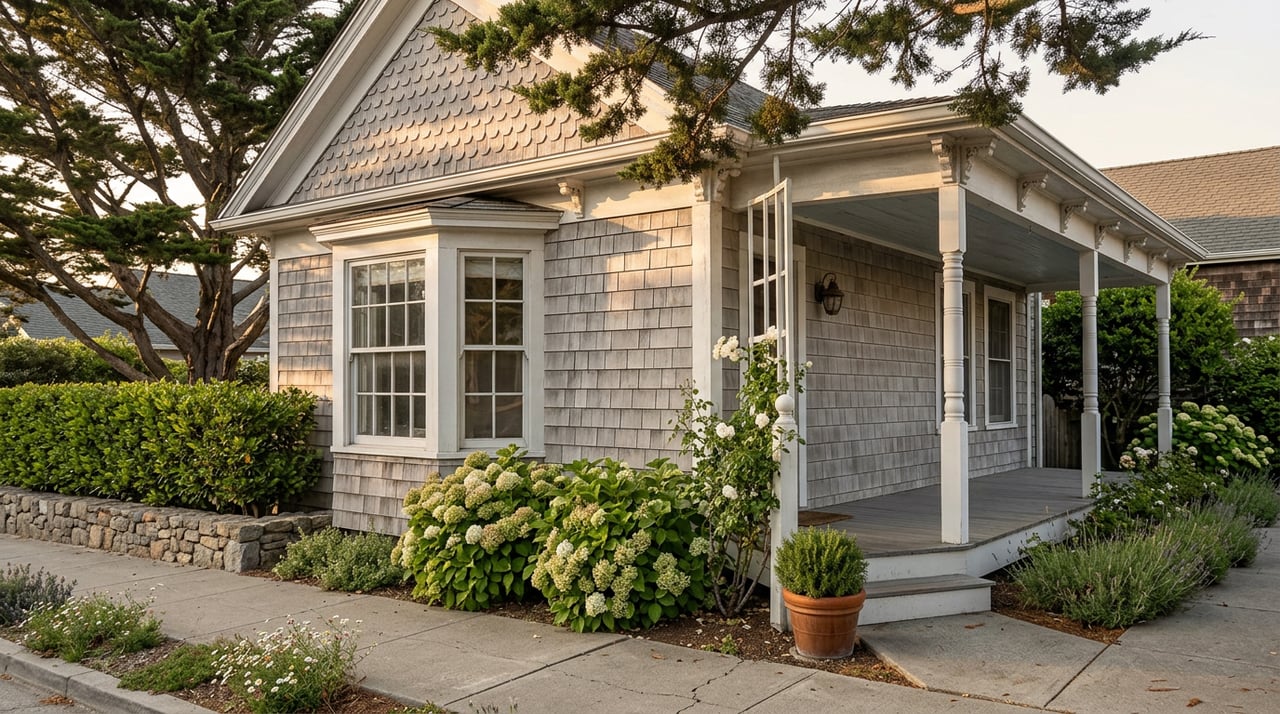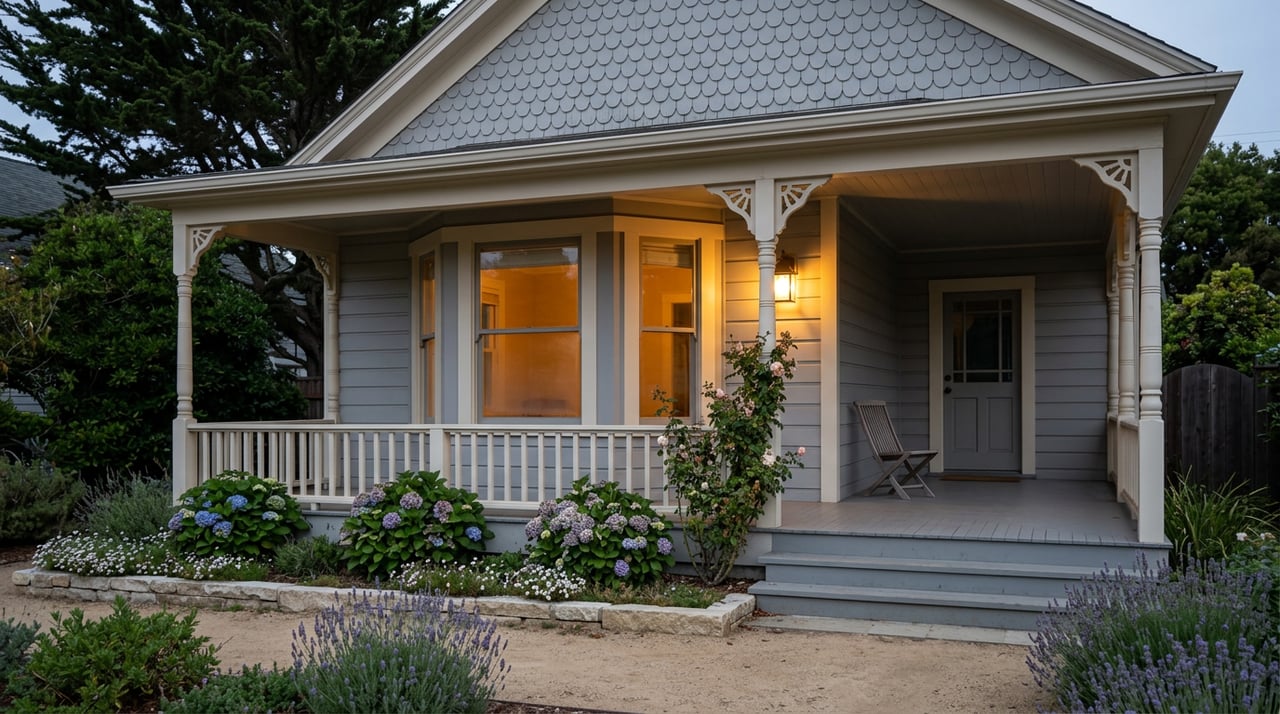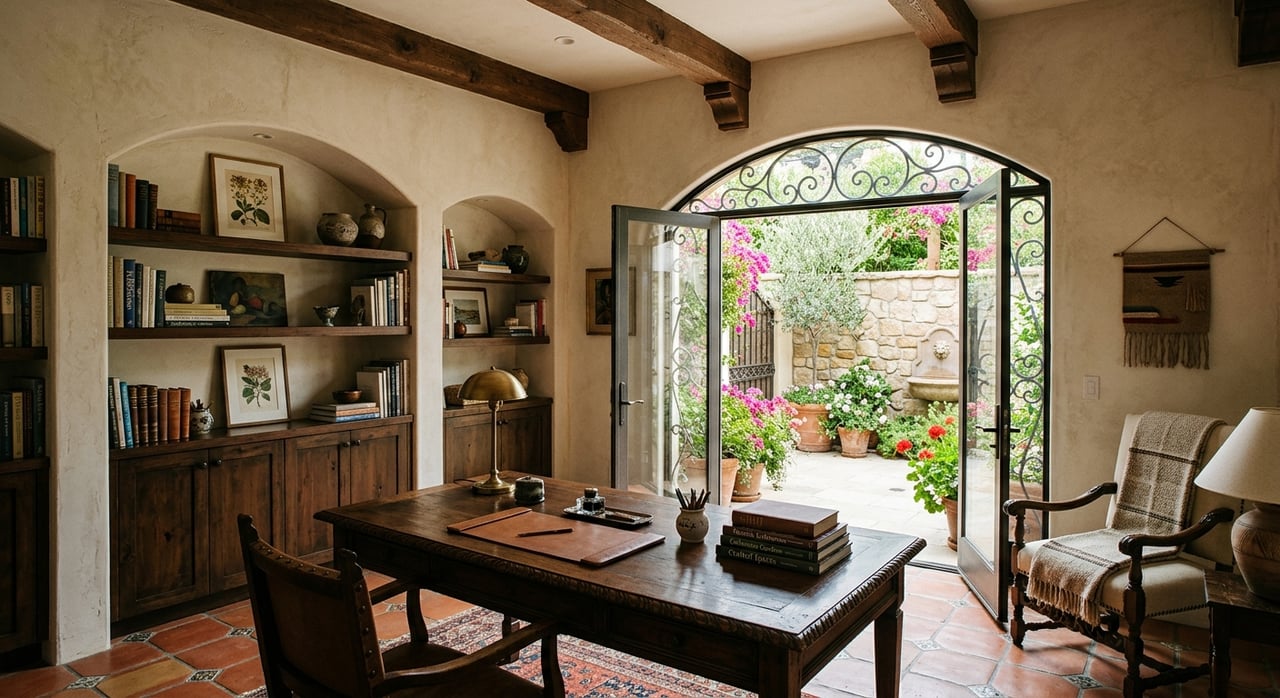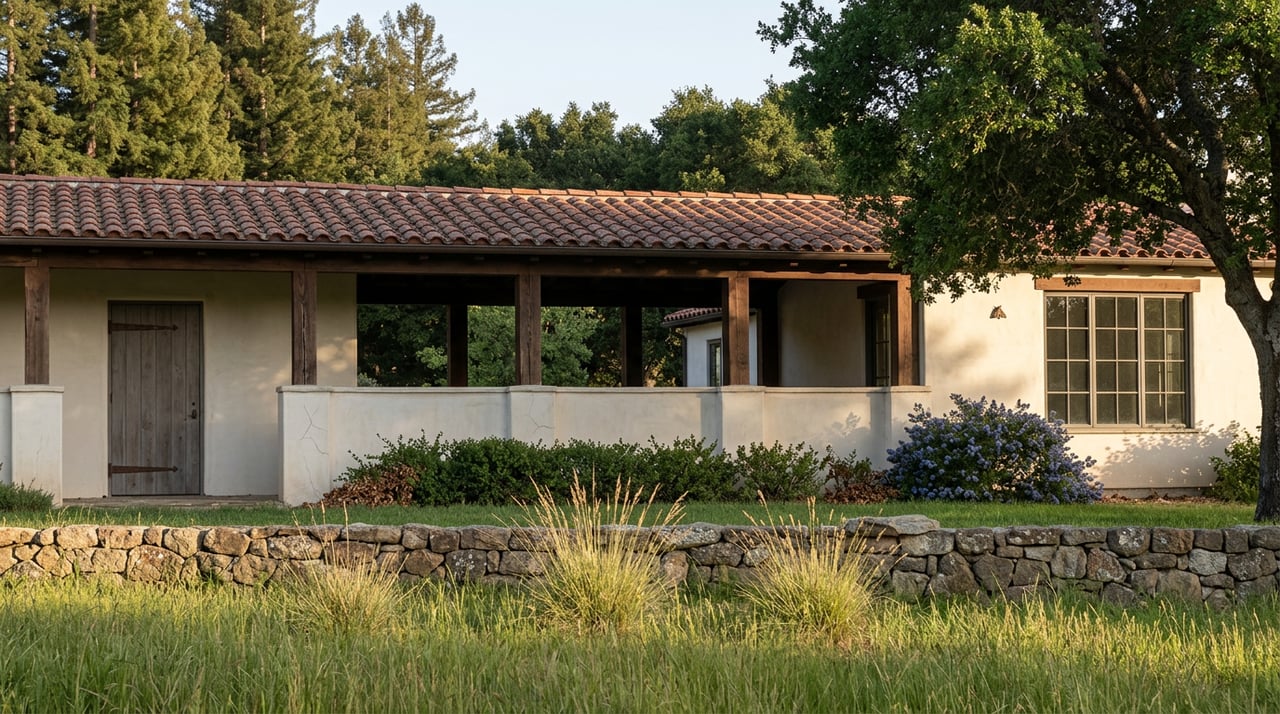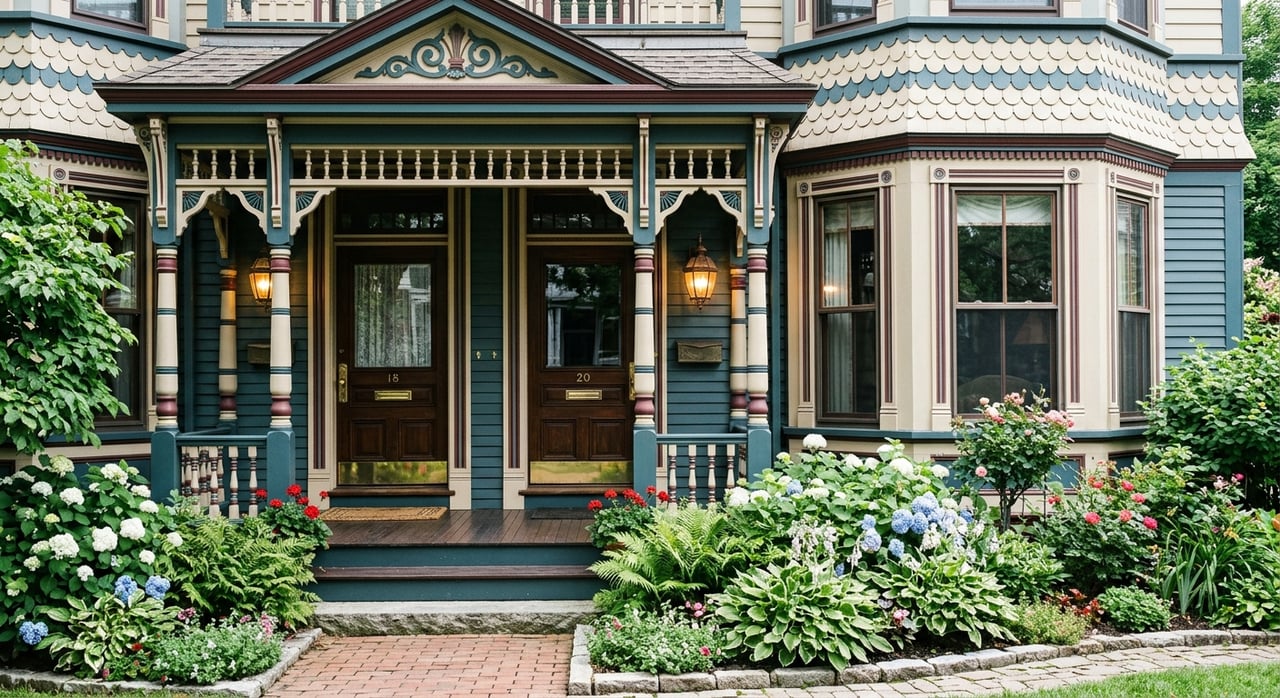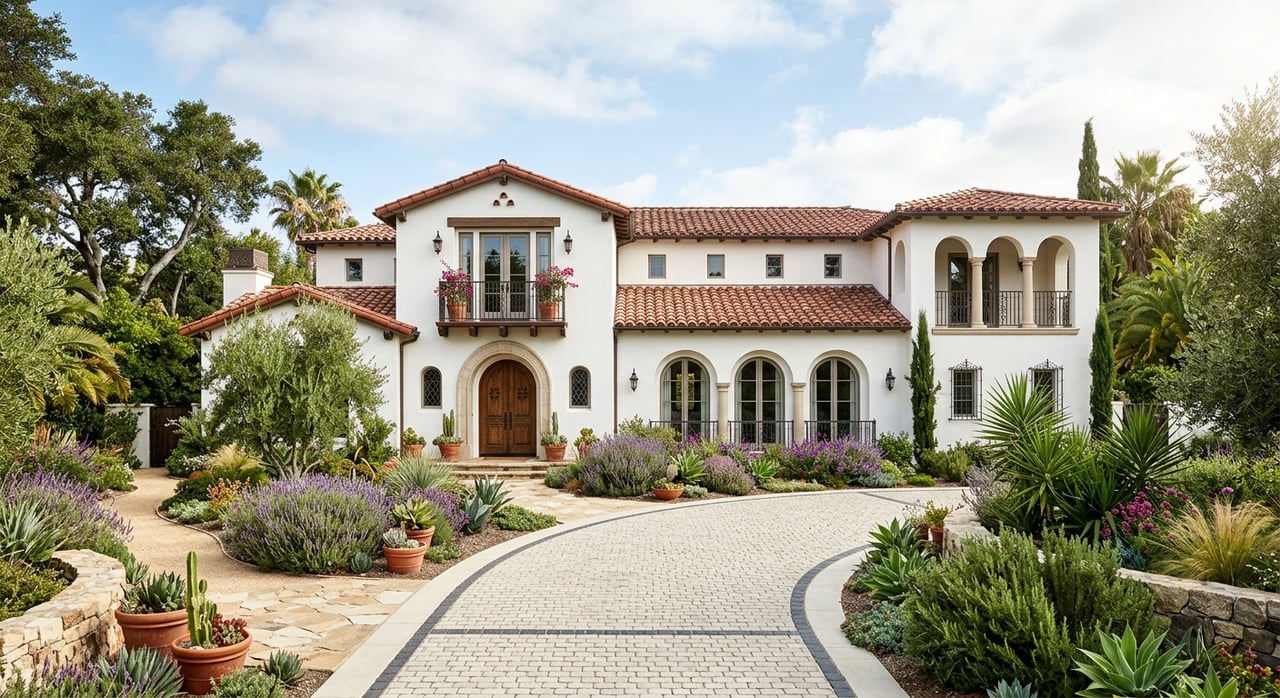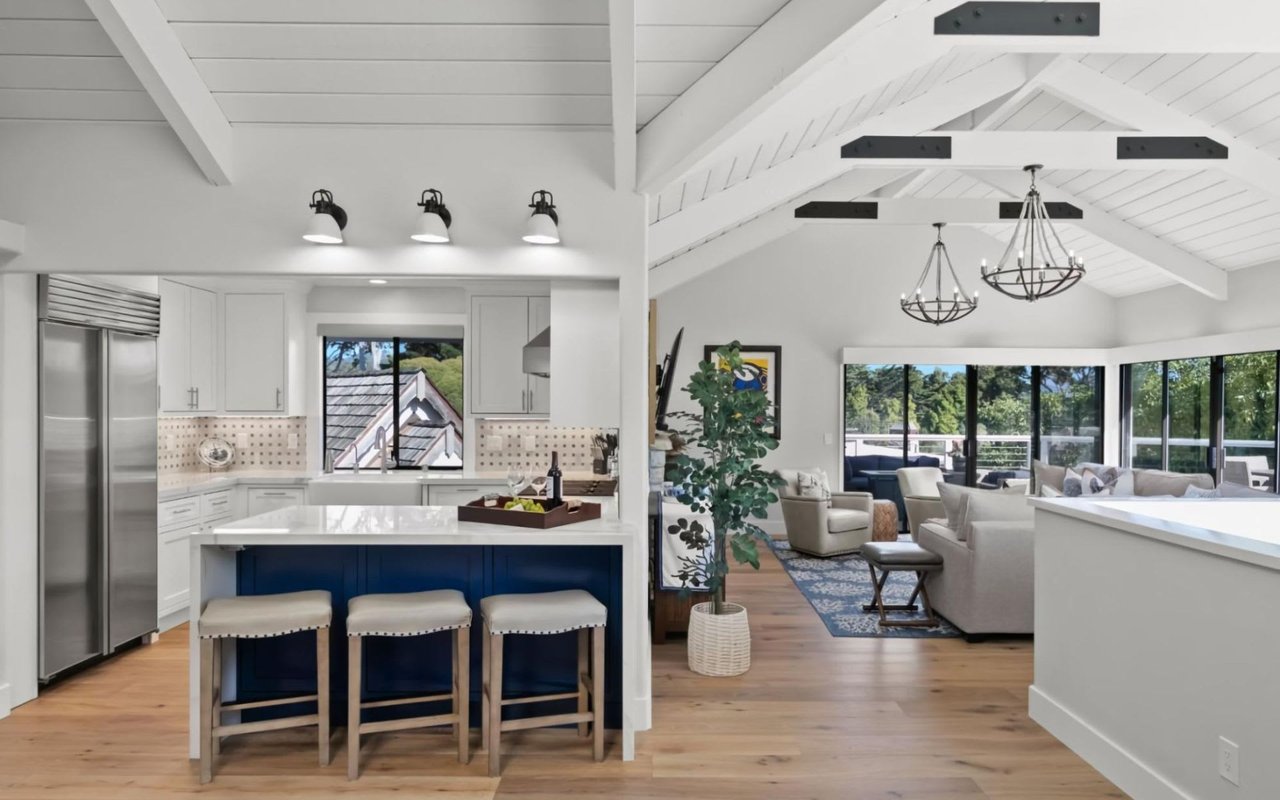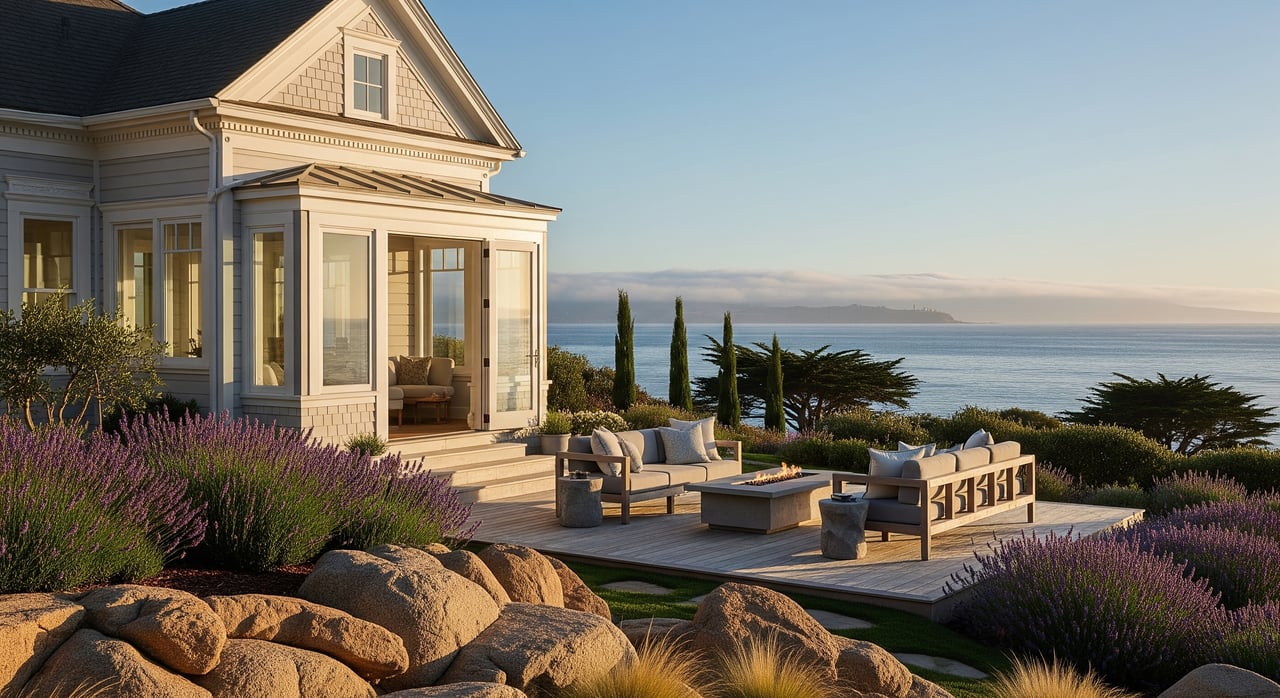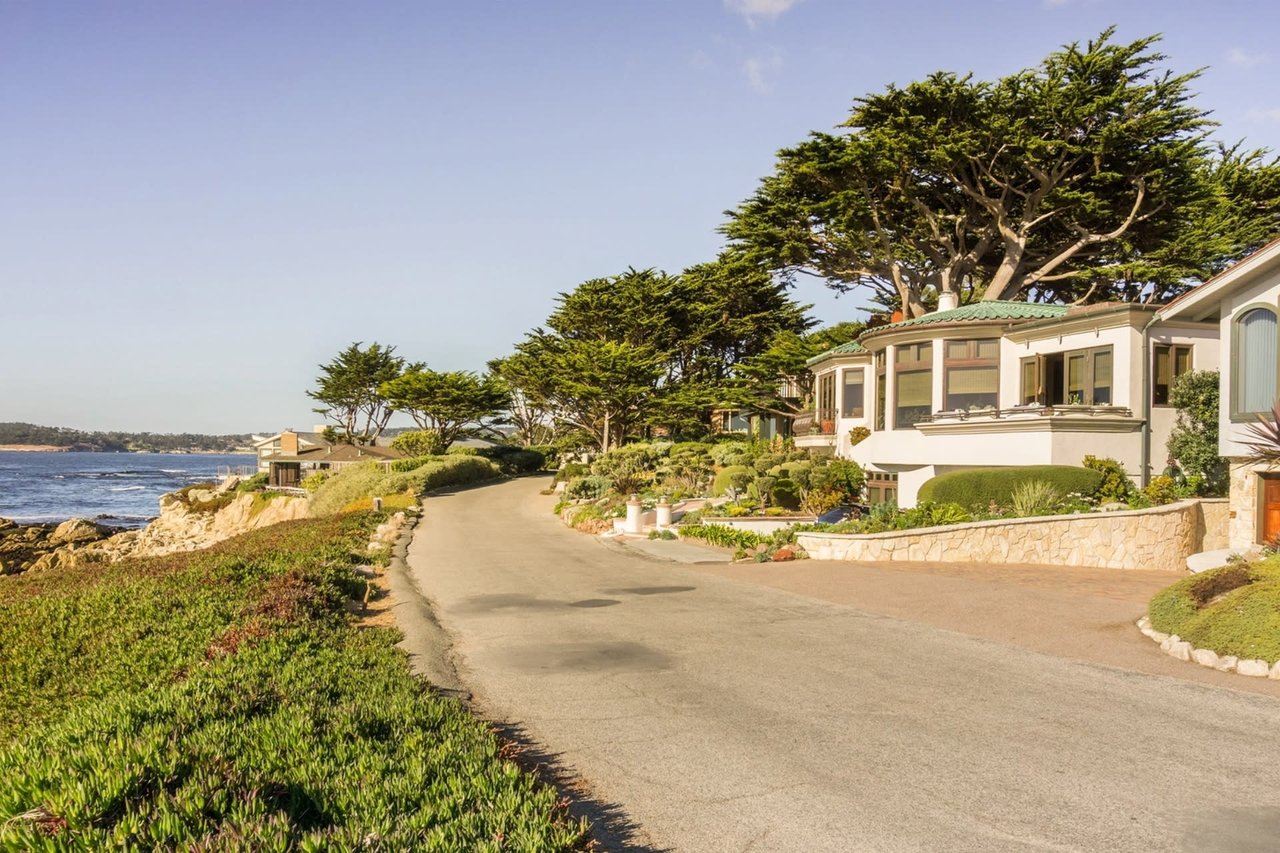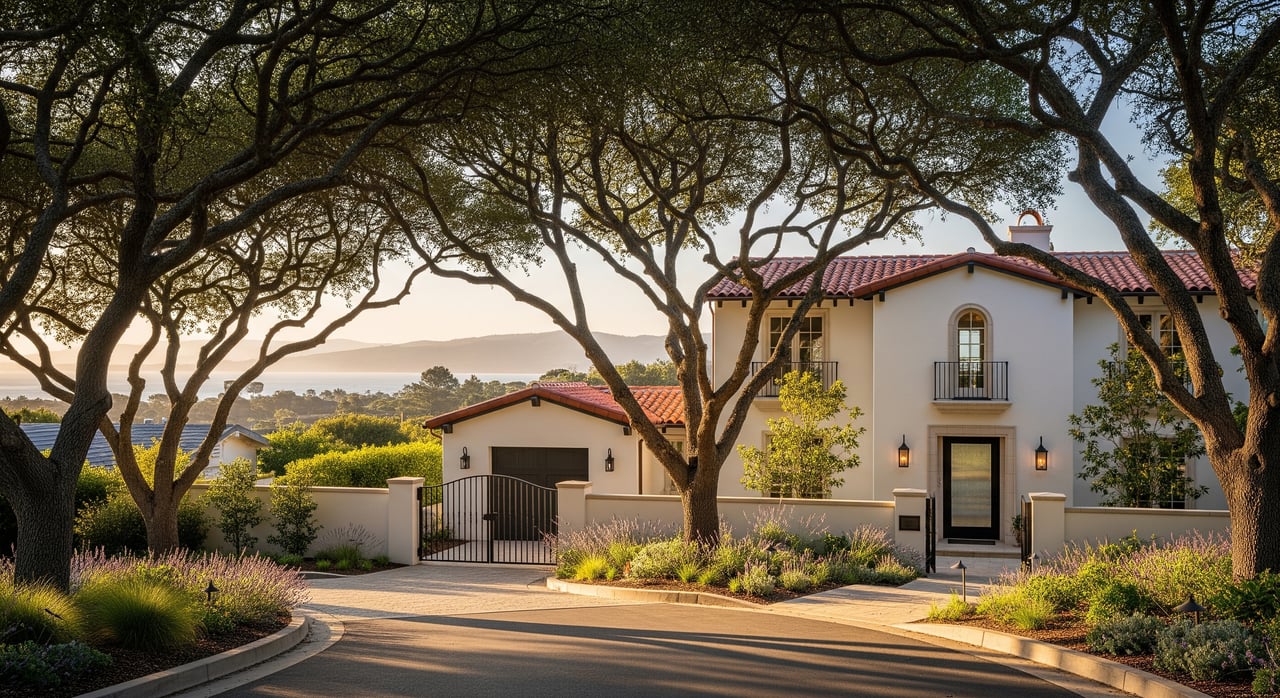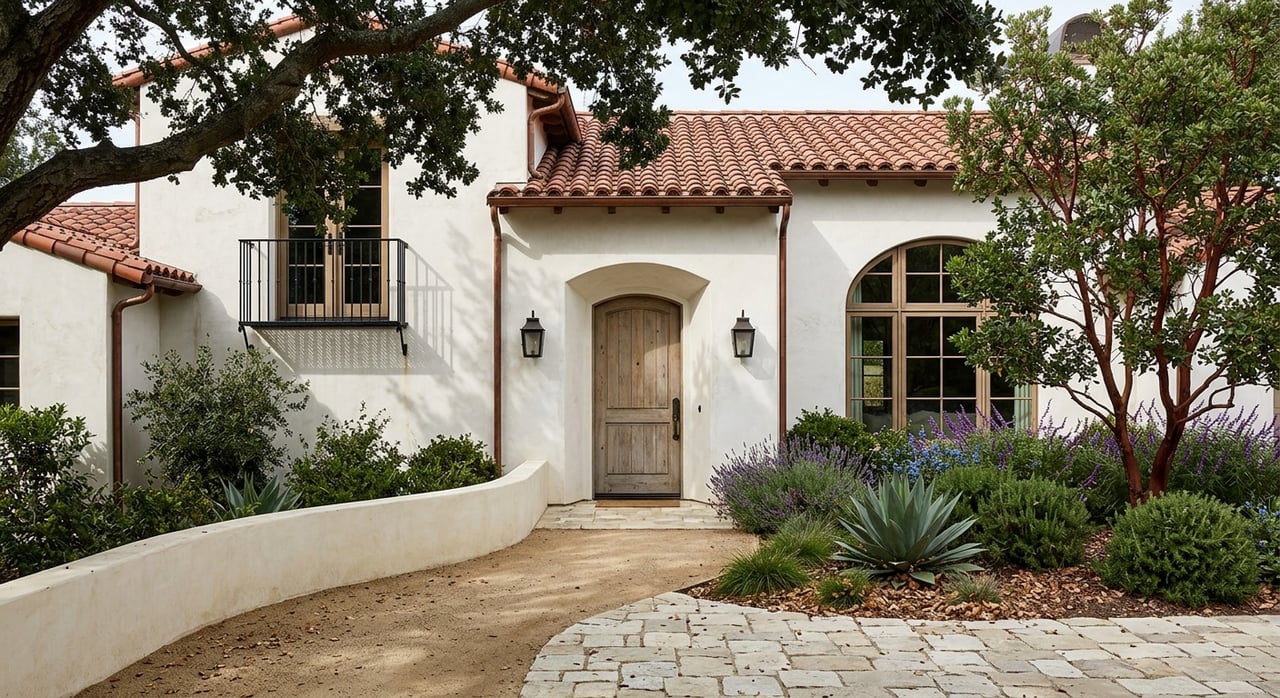
If you are thinking about building in the Santa Lucia Preserve, you are not just designing a house. You are designing a home within a conservation-first community where the land leads the process. That can feel exciting and complex at the same time, especially if you want a home that fits your lifestyle while respecting the site. This guide will walk you through how design, approvals, fire planning, and construction typically come together so you can approach the process with more clarity. Let’s dive in.
Why design works differently here
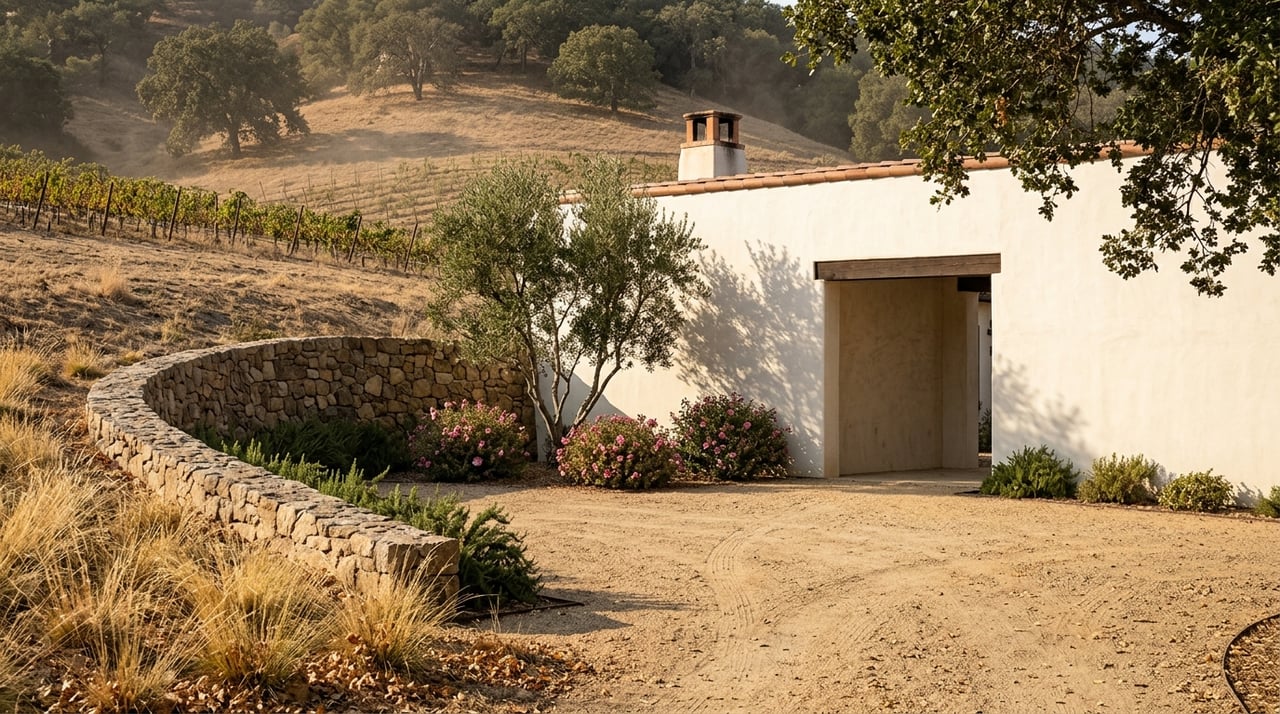
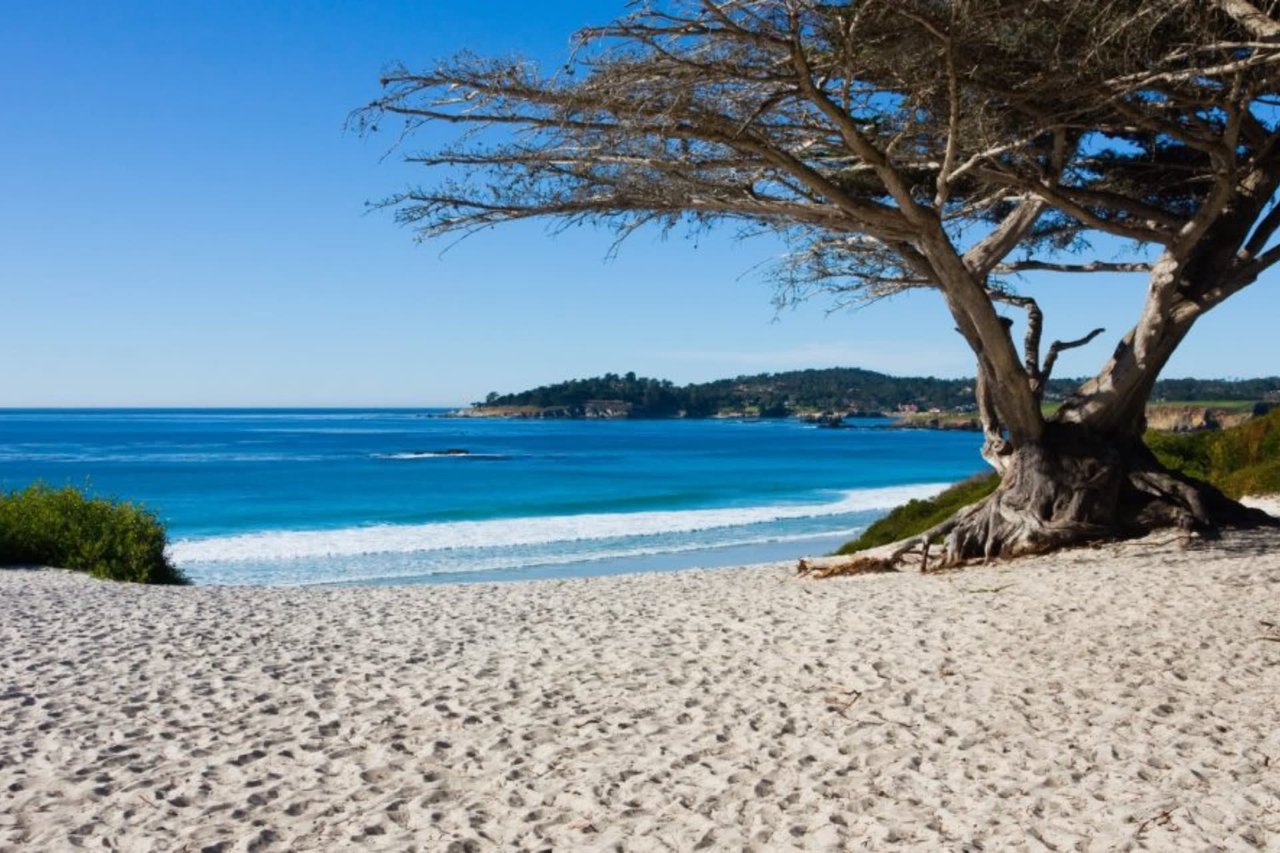
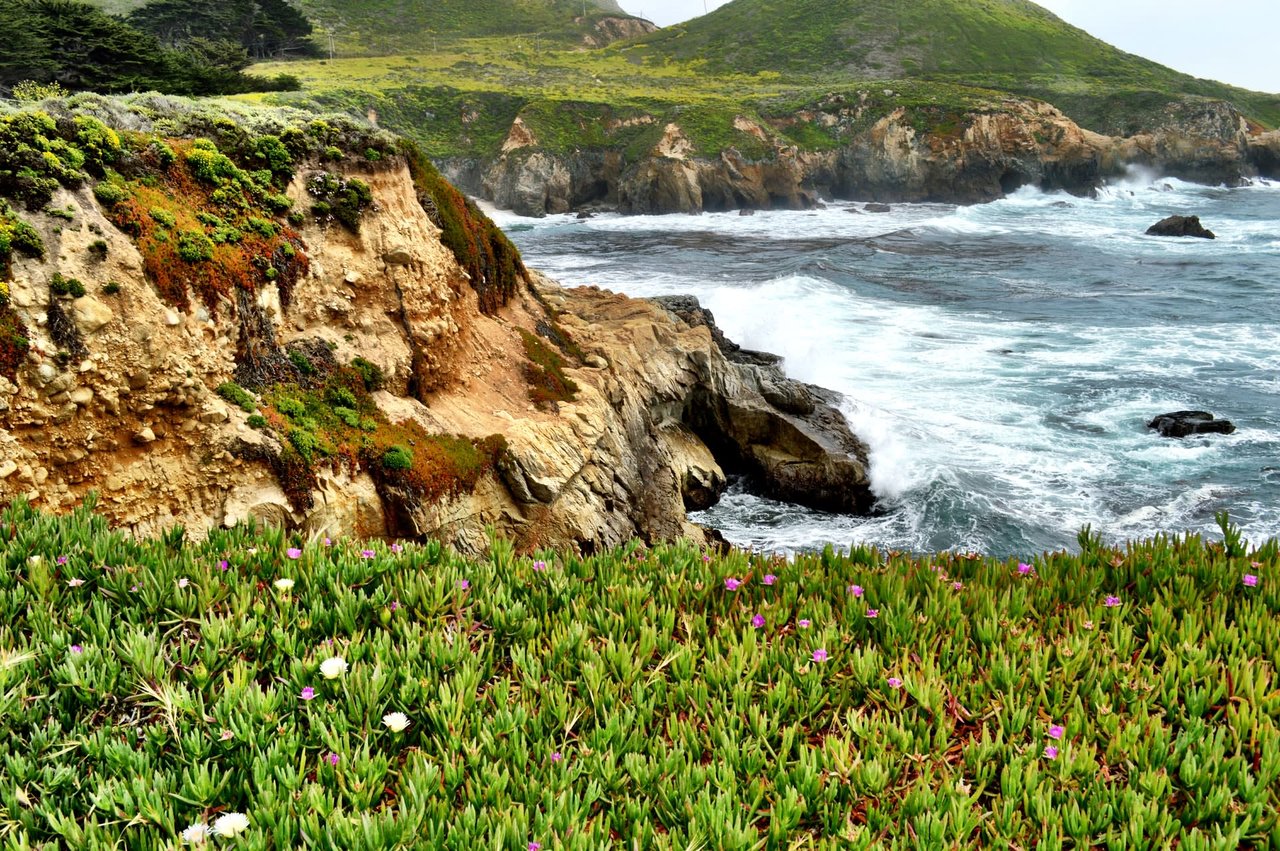
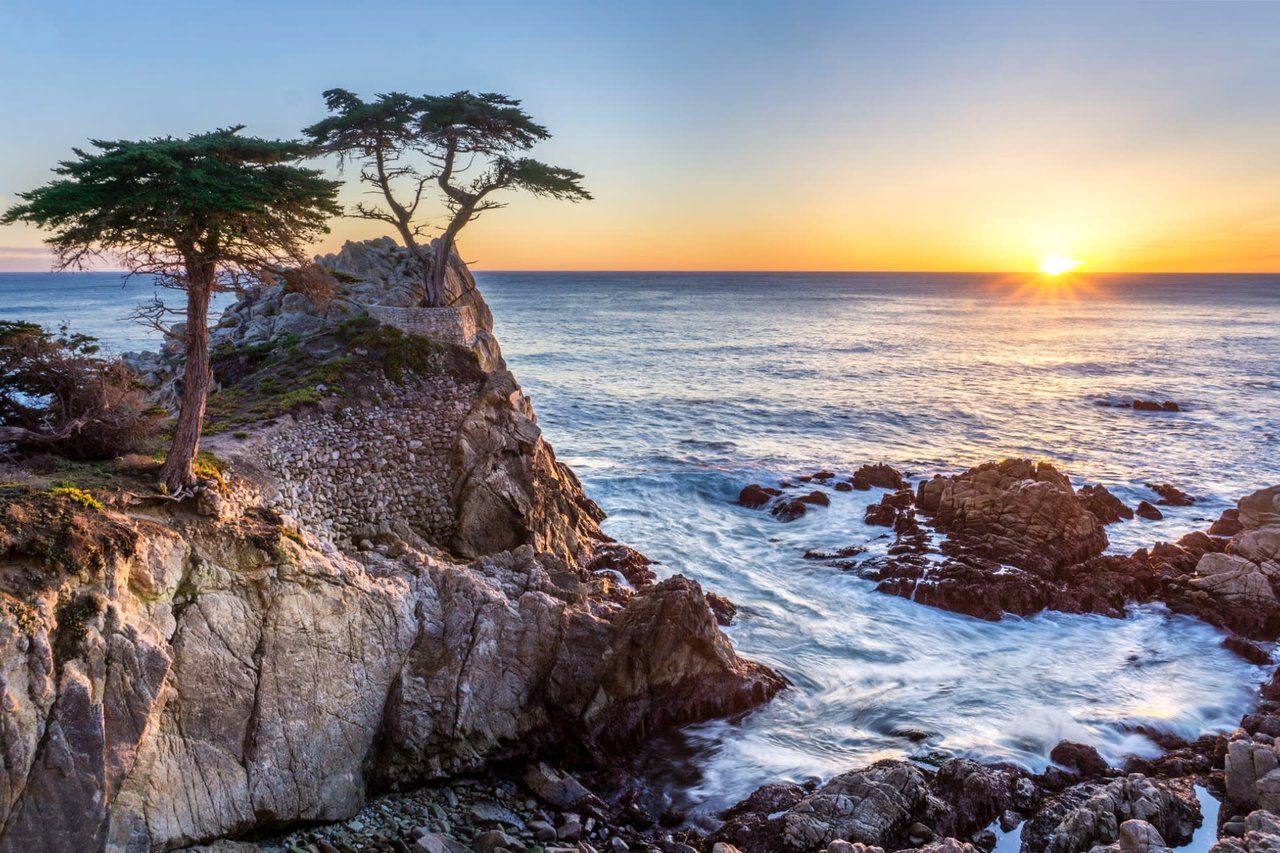
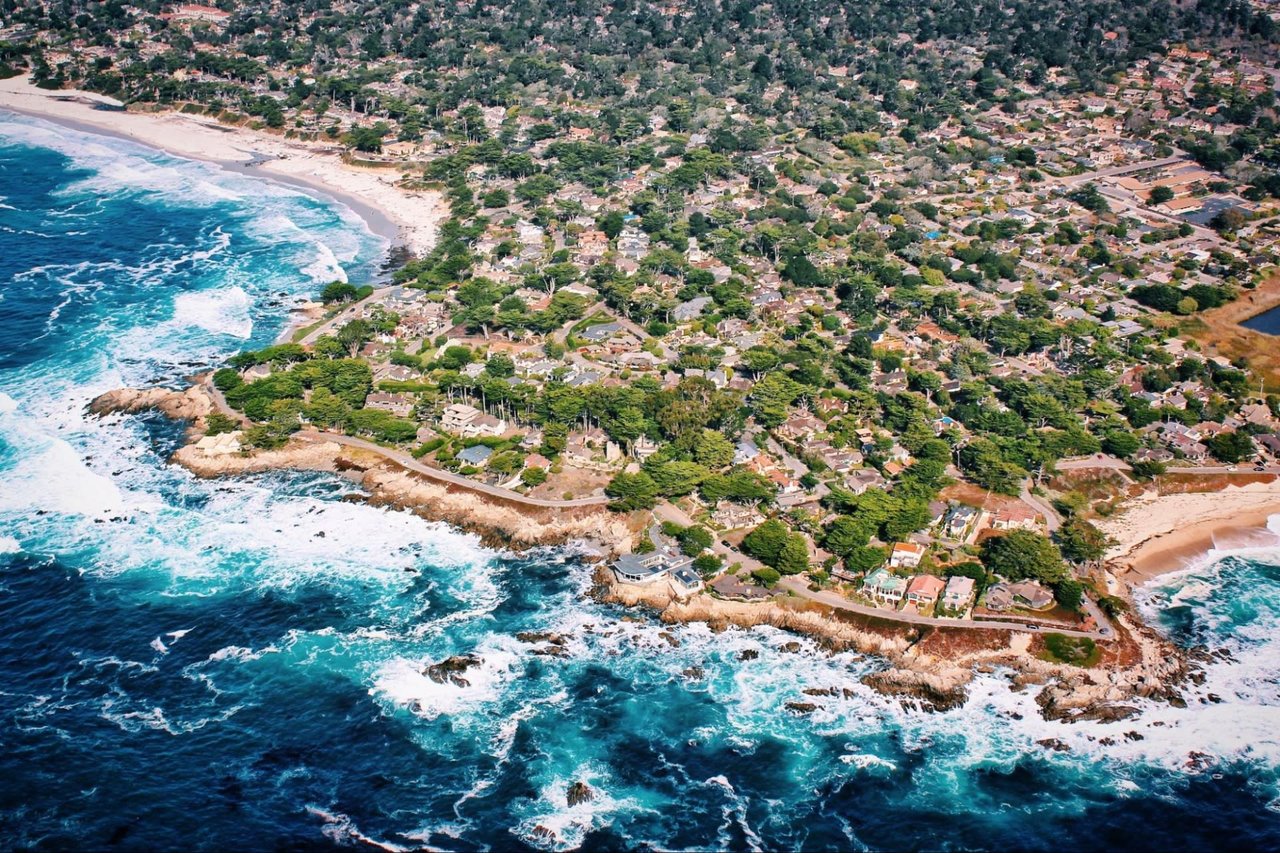
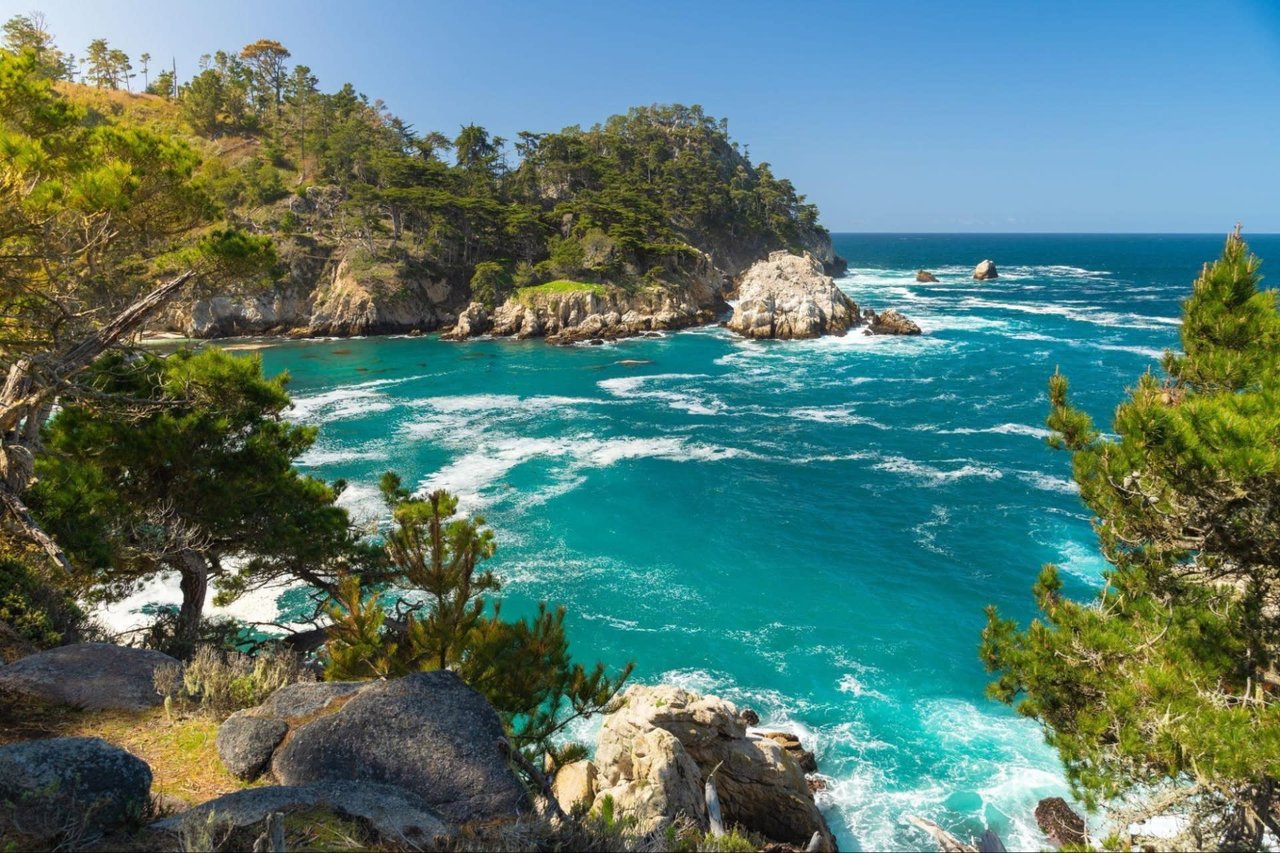
The Santa Lucia Preserve is a private 20,000-acre community located about 10 minutes from Carmel-by-the-Sea. Public sources note that roughly 18,000 acres are protected in perpetuity, with only 297 parcels, which makes this a very different setting from a conventional subdivision. The Preserve is commonly described as a place where homes are meant to merge with protected land, not dominate it.
That land-use framework shapes every design decision. The Preserve is organized around Homelands, Openlands, and Wildlands. In simple terms, the Homeland is where your residential building envelope sits, while Openlands and Wildlands support broader conservation goals.
This is why homesite planning starts with the land itself. Topography, vegetation, views, and even microclimates influence where and how a home should be designed. In practice, that means the best results often come from a site-sensitive custom approach rather than forcing a standard plan onto the property.
Start with the site, not the floor plan
It is tempting to begin with square footage goals, room counts, or a Pinterest board of finishes. In the Preserve, the smarter first move is to understand the building envelope, slope, access, sun exposure, prevailing conditions, and how the home can sit lightly on the land. That early discipline can save time later in design review and county permitting.
A strong design process usually asks a few core questions first:
- Where are the best natural building areas within the Homeland?
- How can the home respond to views without overexposing itself?
- What grading will be needed, if any?
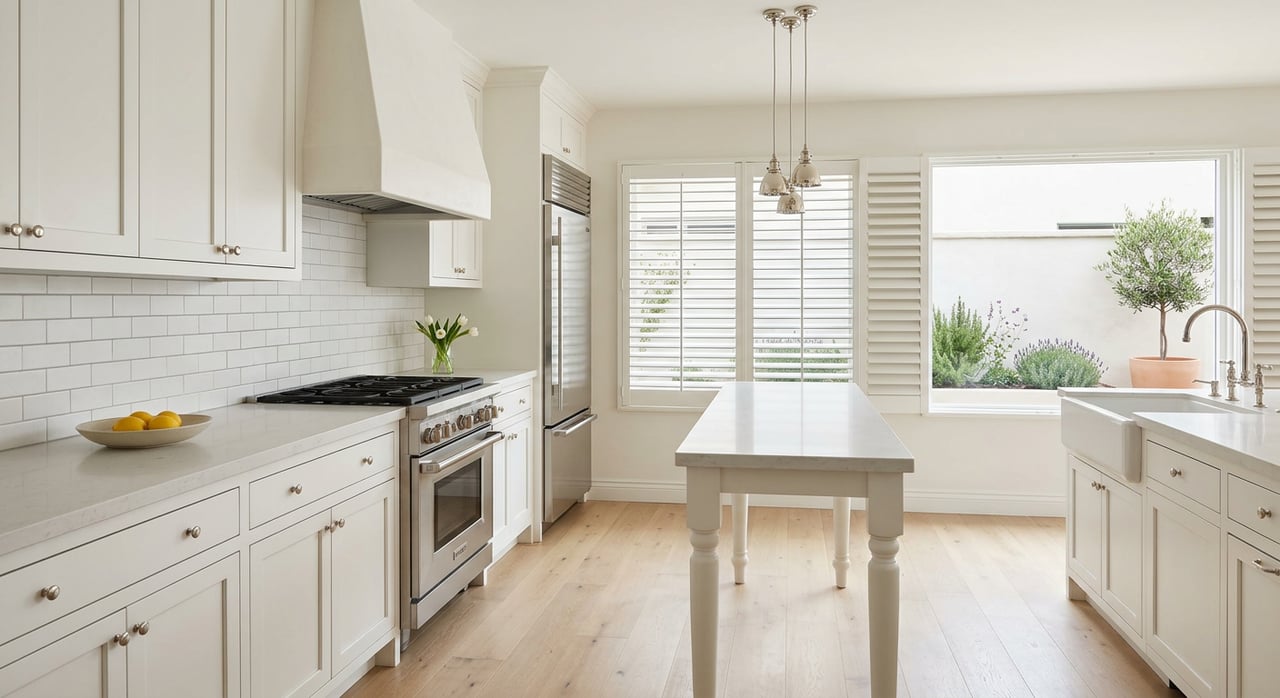
- How will indoor and outdoor living connect?
- How can the massing remain modest and subordinate to the site?
- What planting and fuel-management needs should shape the layout from day one?
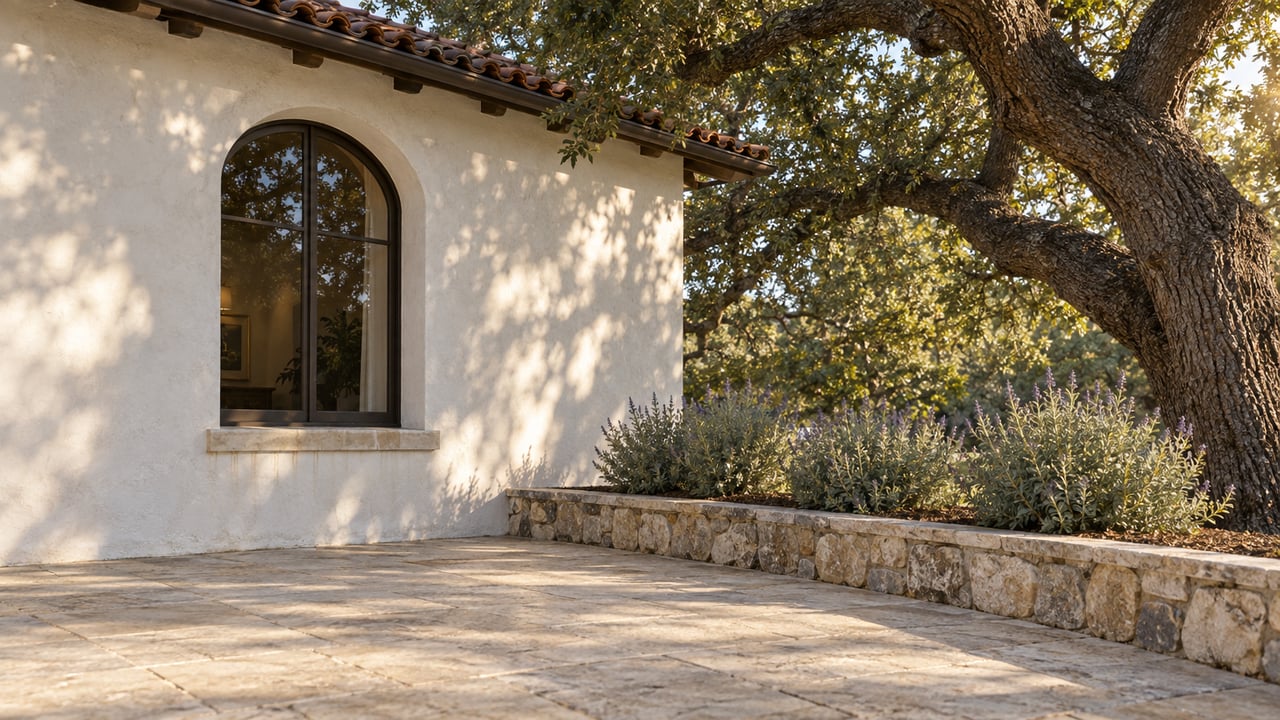
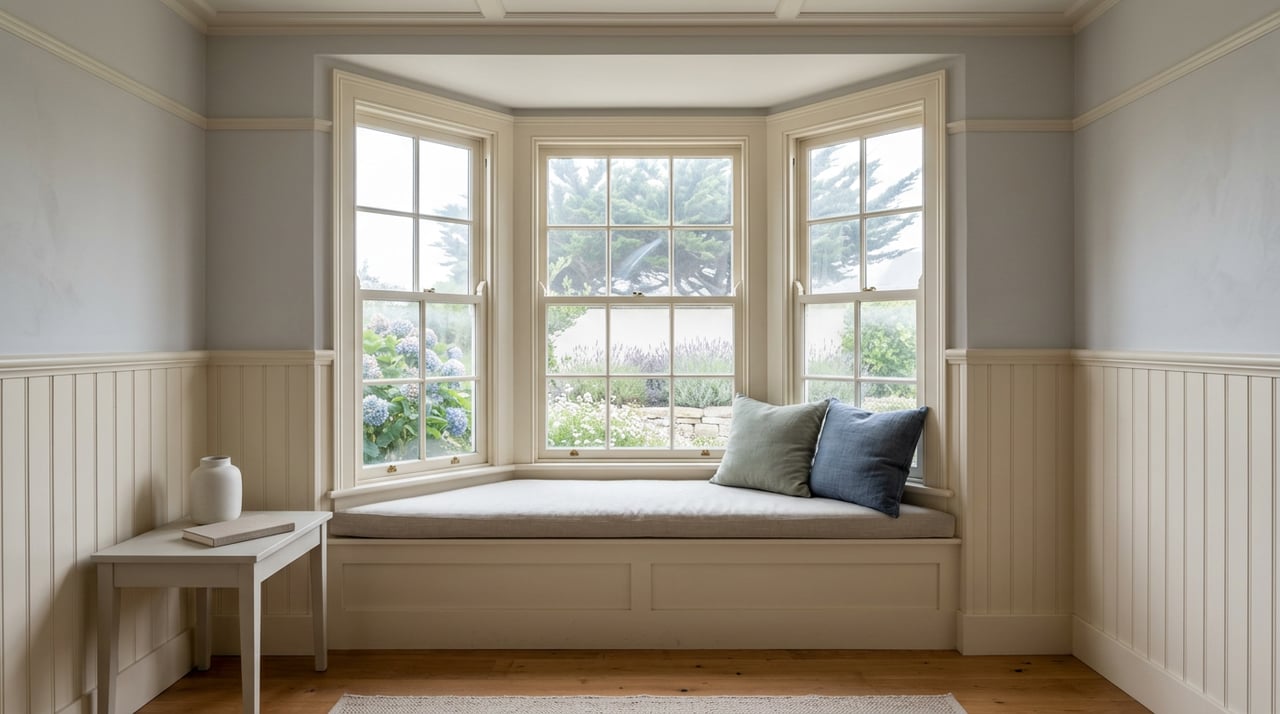
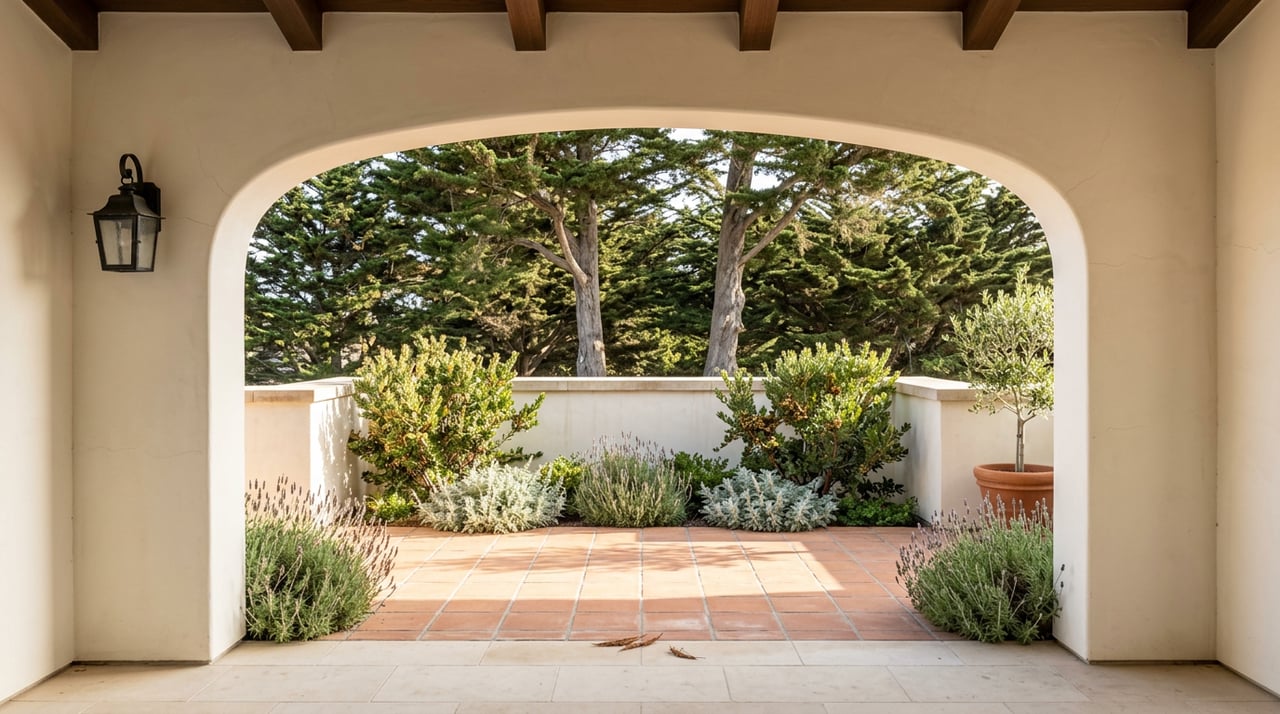
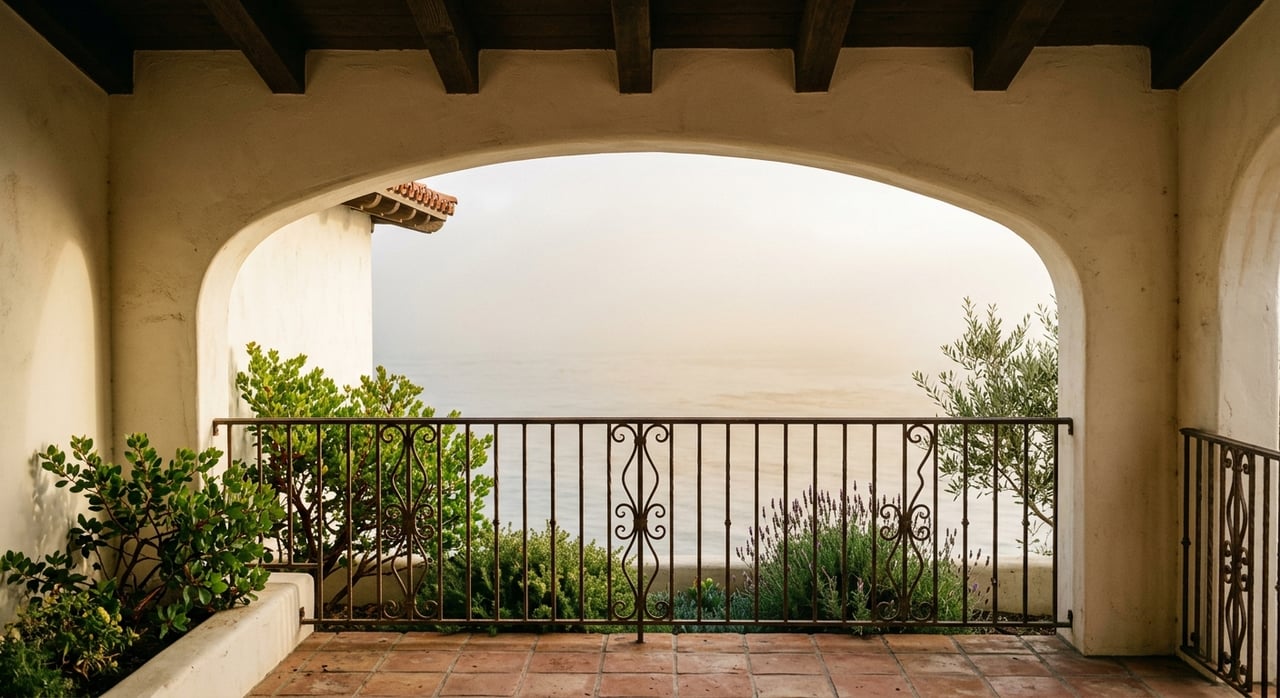
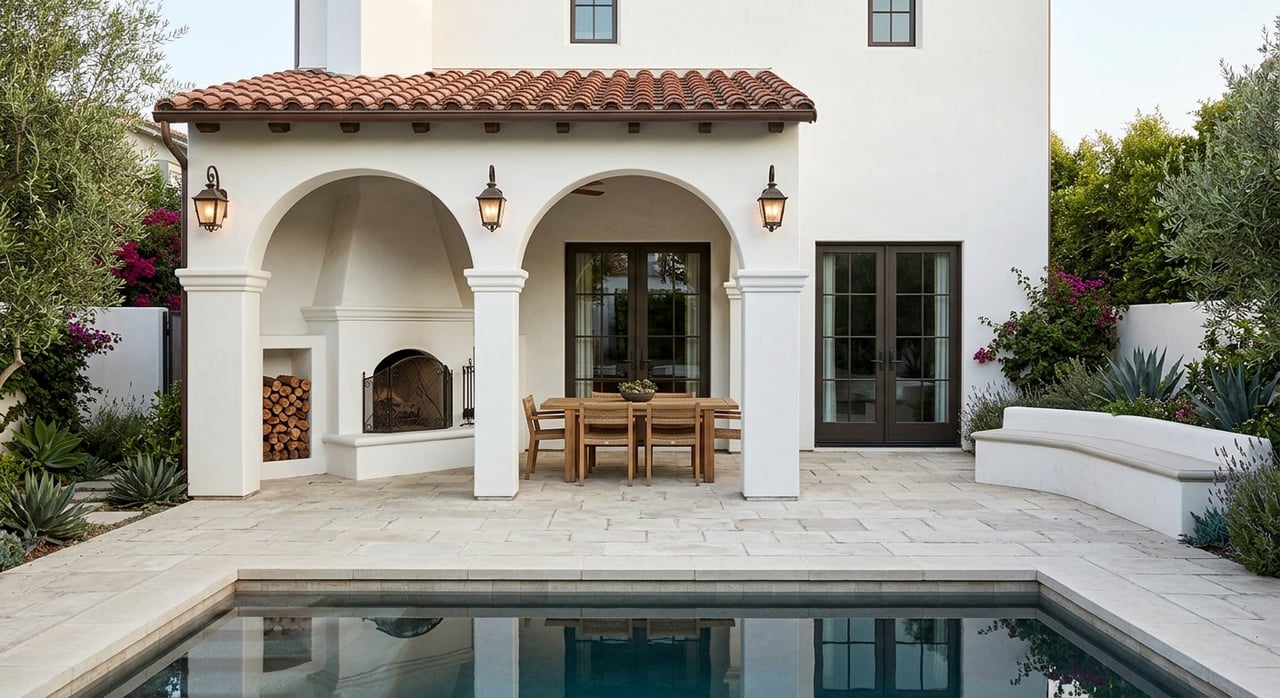
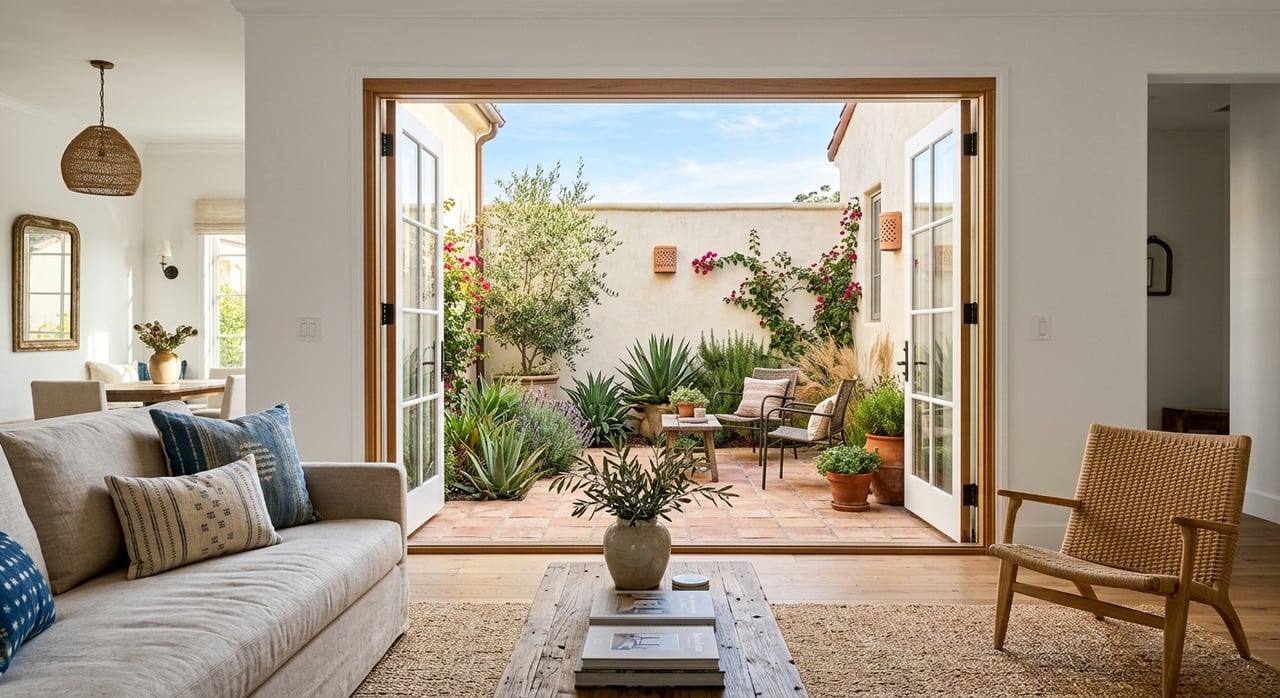
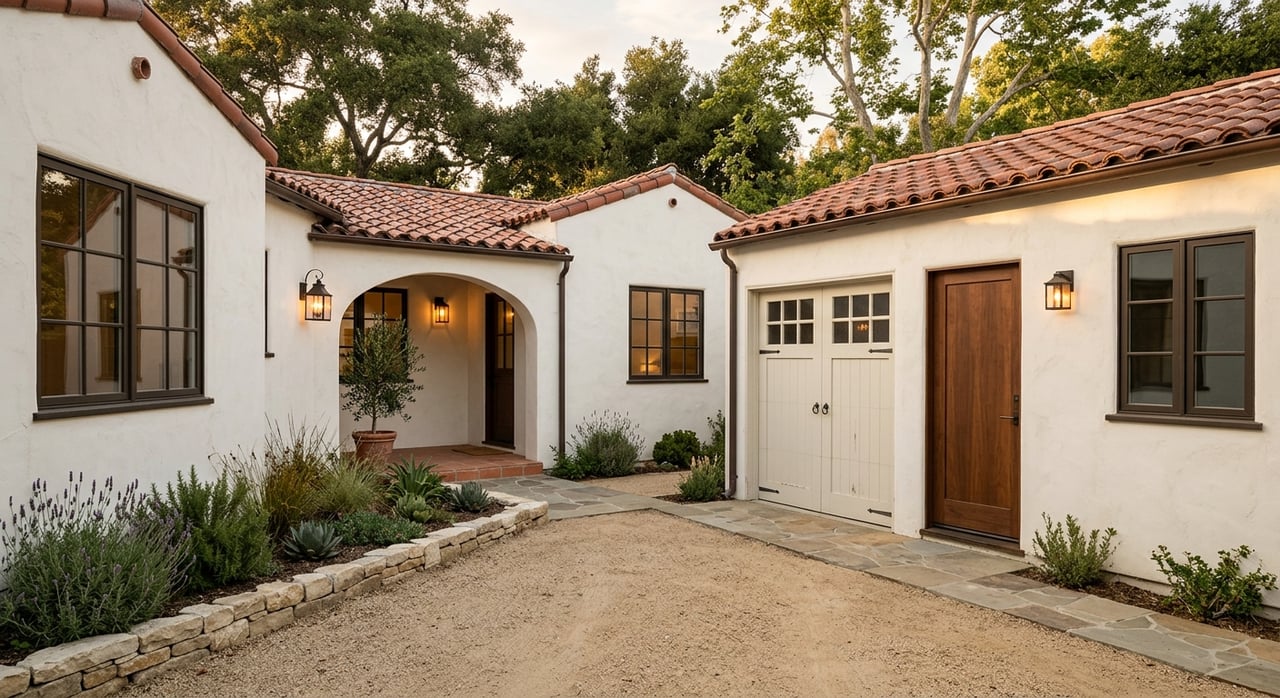
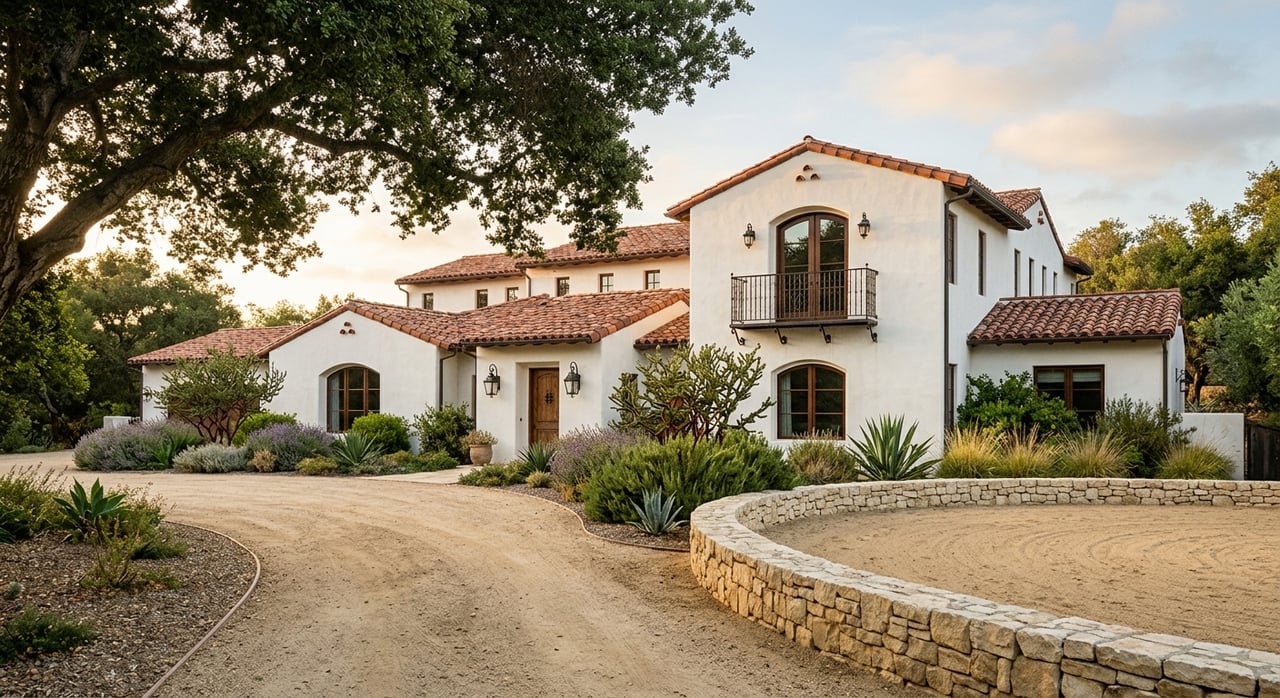
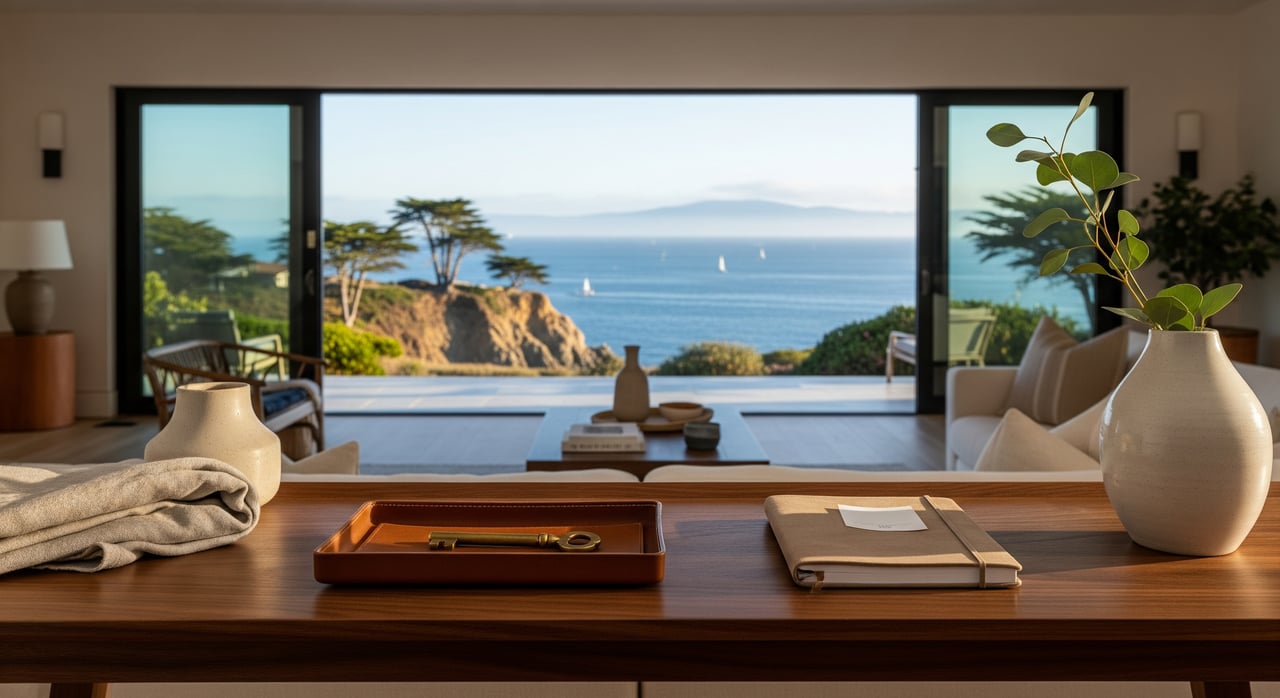
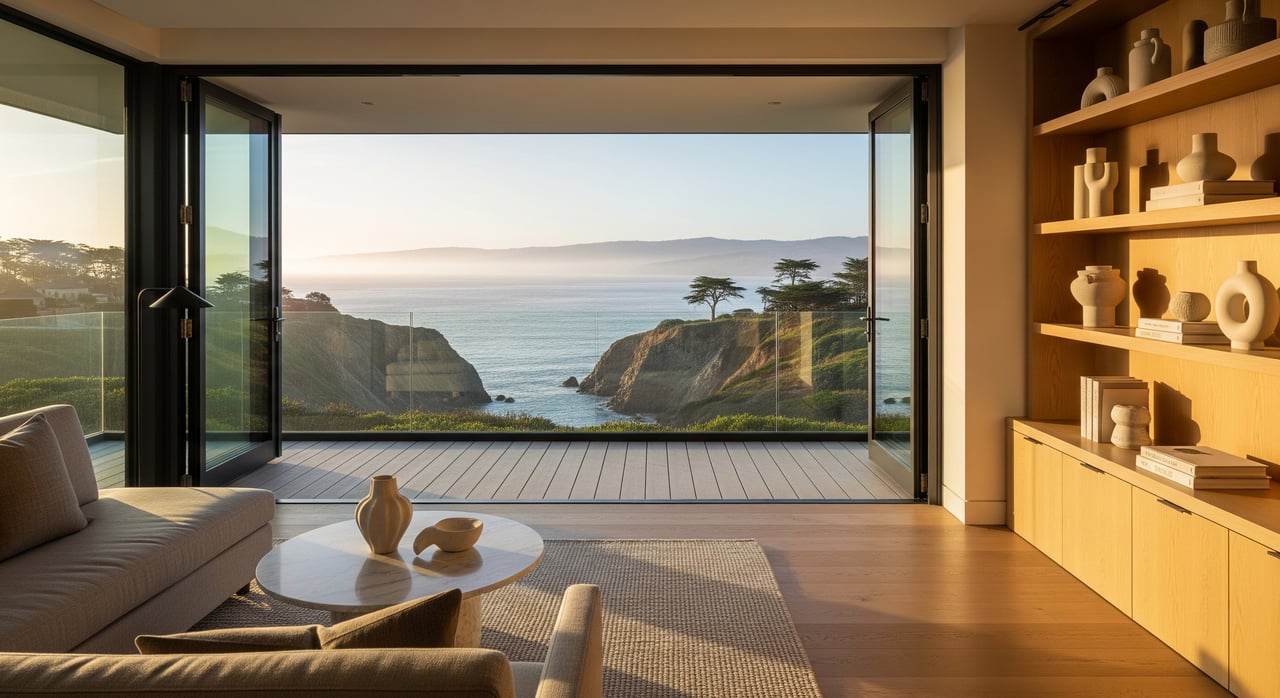
The Preserve encourages homes that blur indoor and outdoor living and use modest massing. That design direction is not just aesthetic. It supports the larger goal of blending the home into the surrounding landscape.
Understand the approval path early
One of the biggest mistakes buyers make is underestimating preconstruction. Building here involves layered review, and those layers should be treated as part of the design itself, not as paperwork at the end. A realistic takeaway is that preconstruction is often a staged, multi-month effort shaped by site conditions, design review, fuel-management approval, county permits, and utility coordination.
Design Review Board expectations
The Design Review Board, overseen by the Santa Lucia Preserve Association, includes design professionals who review new-home proposals. The published guidance is clear: homes should remain subordinate to the land, respond to landforms and landscape zones, and stay consistent with regional building traditions. That means architecture, grading, lighting, landscaping, and siting all need to work together.
This is also why your design team matters. While there is no single published checklist naming the ideal roster, the approval requirements strongly suggest the value of assembling a Preserve-experienced architect, builder, geotechnical or soils consultant, landscape architect, and qualified fuel-management consultant early in the process.
Monterey County permit requirements
Monterey County adds a separate layer of review for new single-family homes. County submittals require signed and dated plans, a full site plan, construction drawings, structural calculations, Title 24 energy calculations, truss calculations, a geotechnical report, and a soils engineer review letter.
County site plans also need to show key physical and technical details, including boundaries, roads, easements, topography, drainage, and wells. Depending on the project, some design approvals may also be referred to LUAC. The practical lesson is simple: your architectural concept and your permit package should evolve together.
Water, wastewater, and utilities
Environmental Health review is another important piece of the timeline. Monterey County reviews land-use projects and building permits for water-supply and wastewater feasibility, so those items belong on your critical-path checklist well before construction starts.
The Santa Lucia Community Services District also plays a central role because it provides water, wastewater, roads, security, storm drain, refuse, and emergency response services. The Preserve also advertises underground high-speed fiber. For owners building a primary residence, second home, or long-term retreat, utility coordination is a real design and scheduling consideration.
Design choices that fit the Preserve
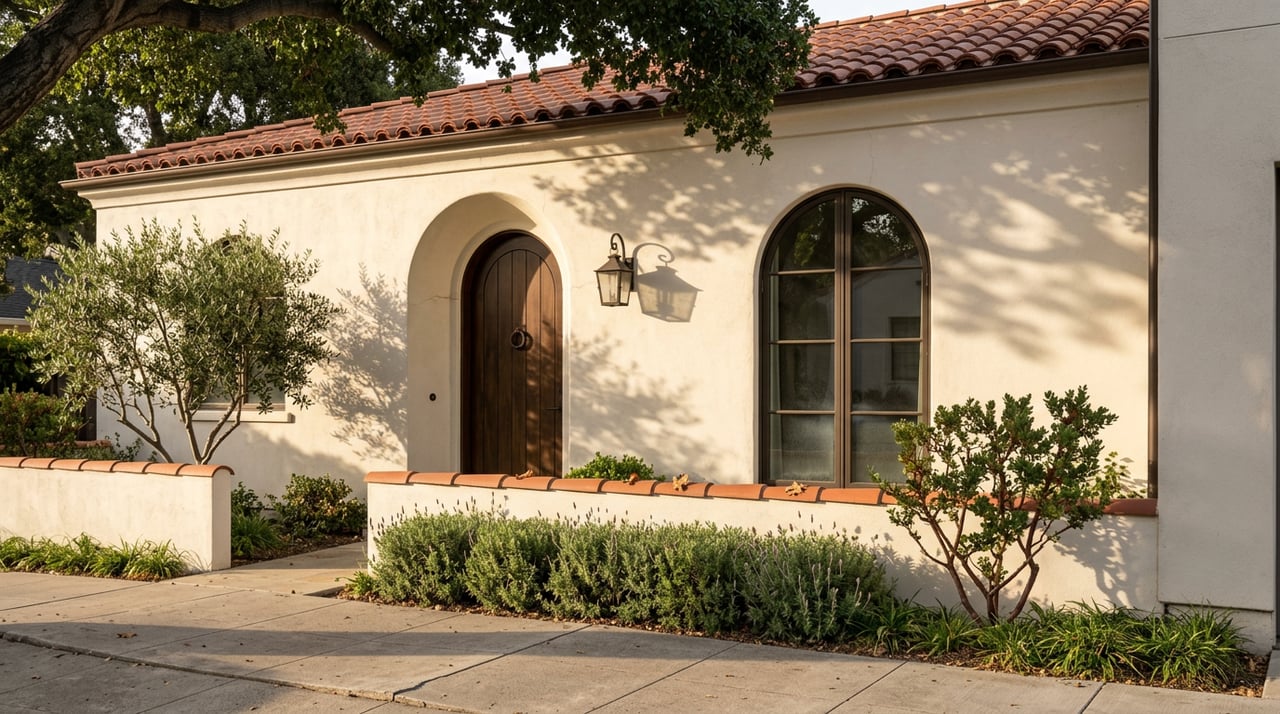
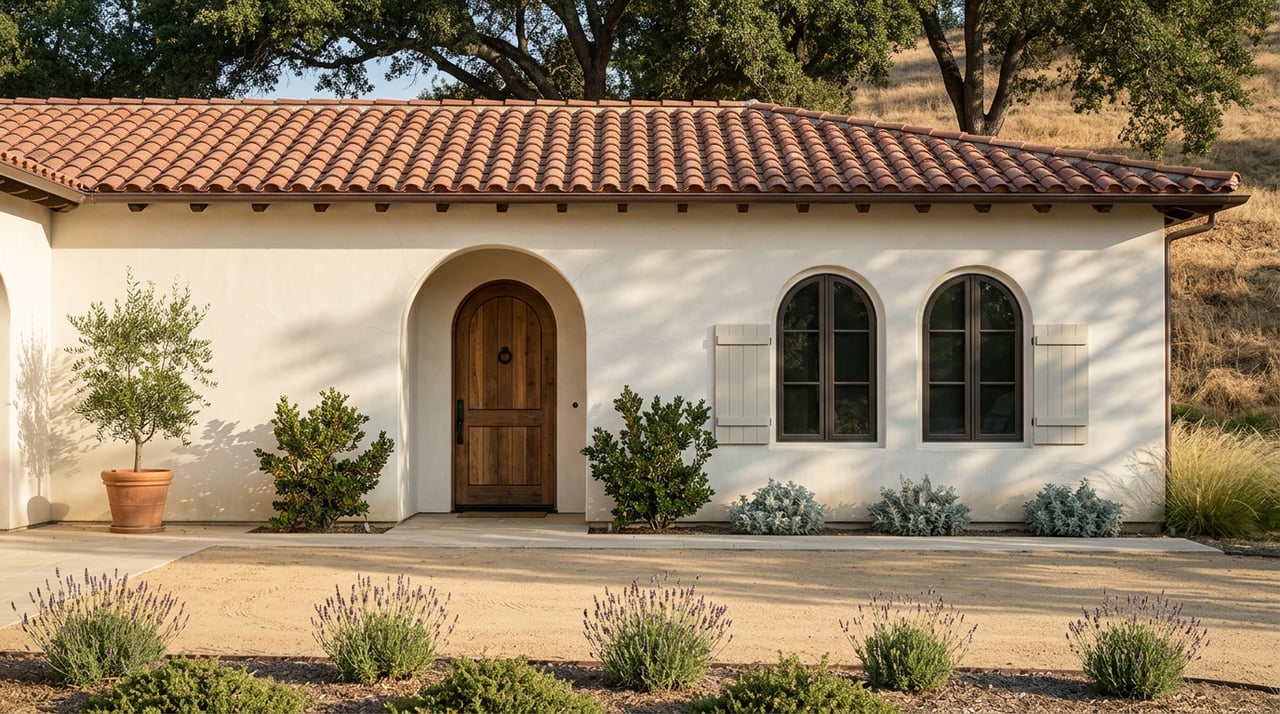
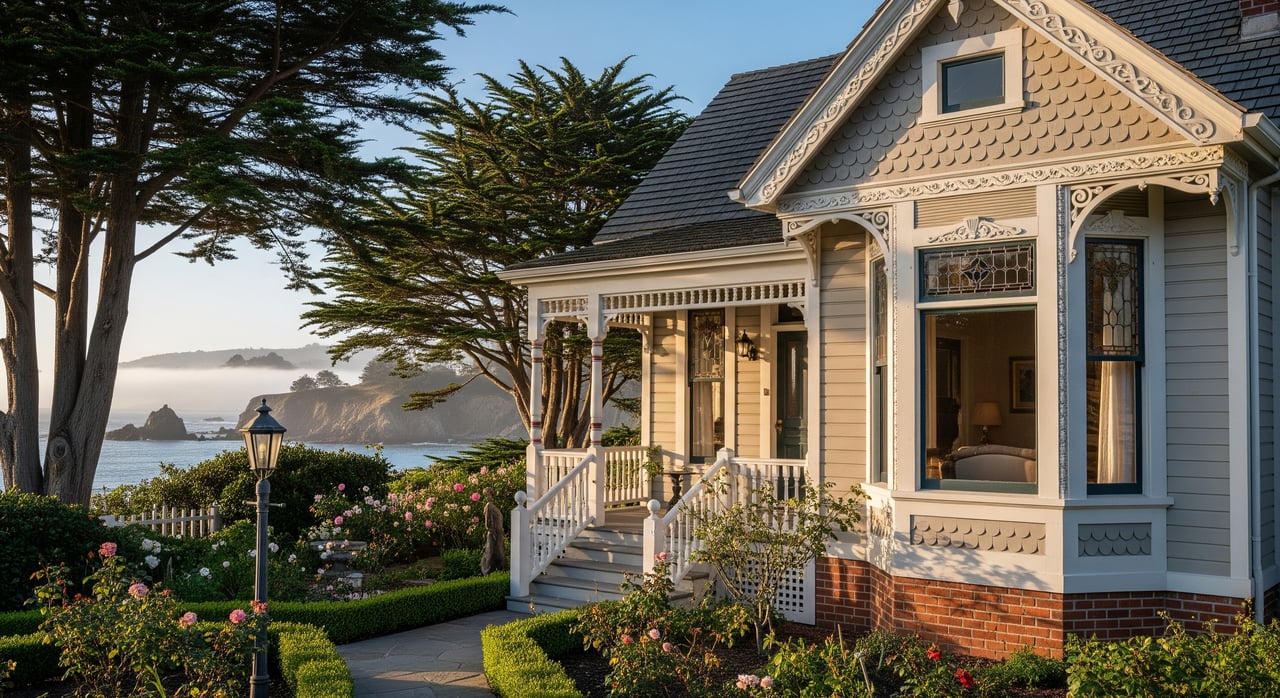
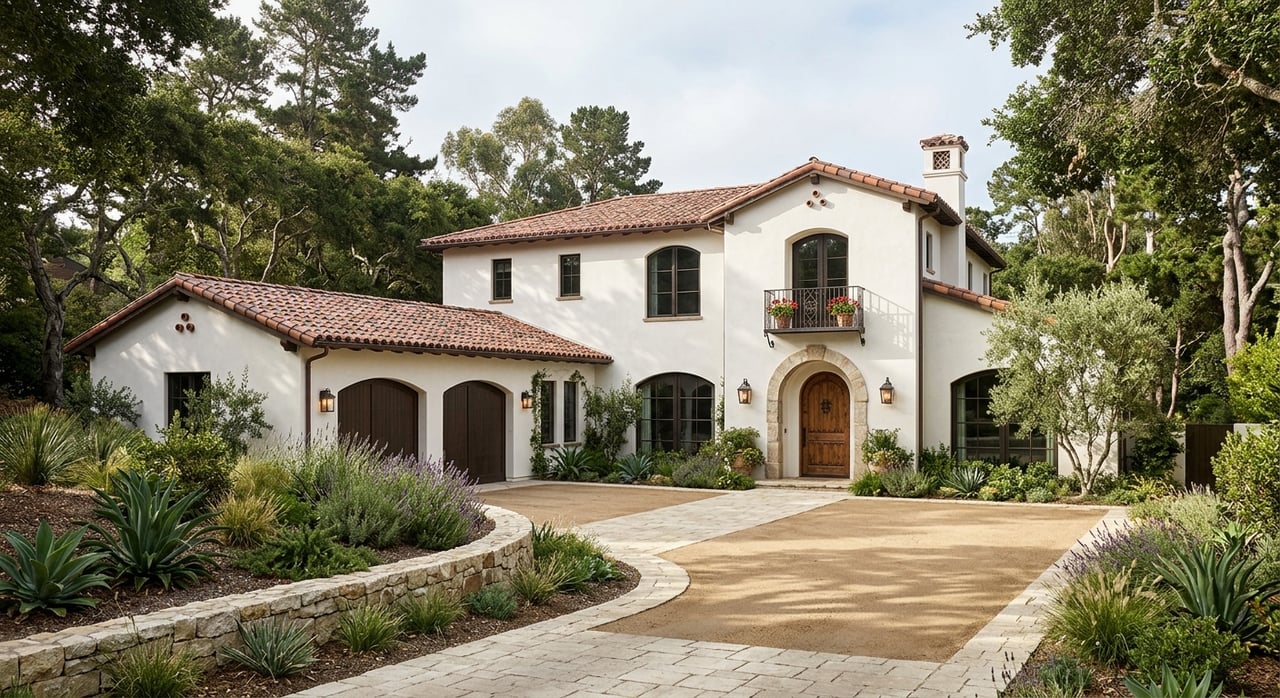
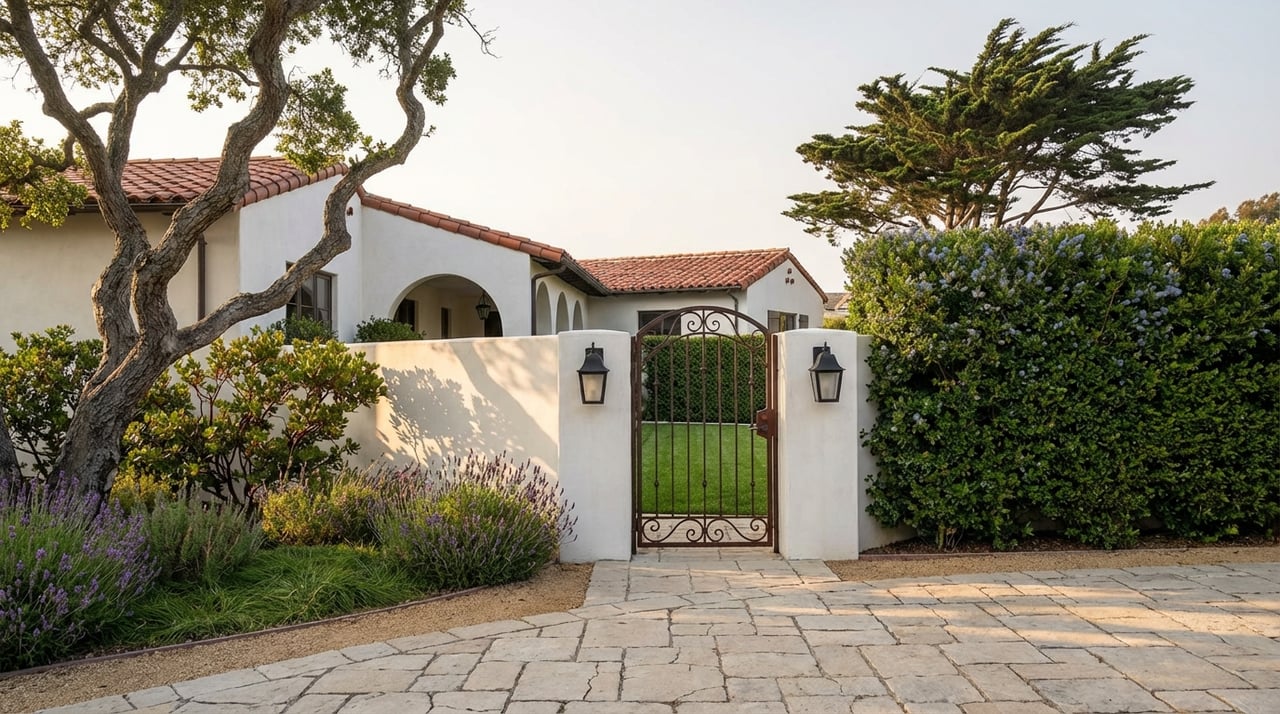
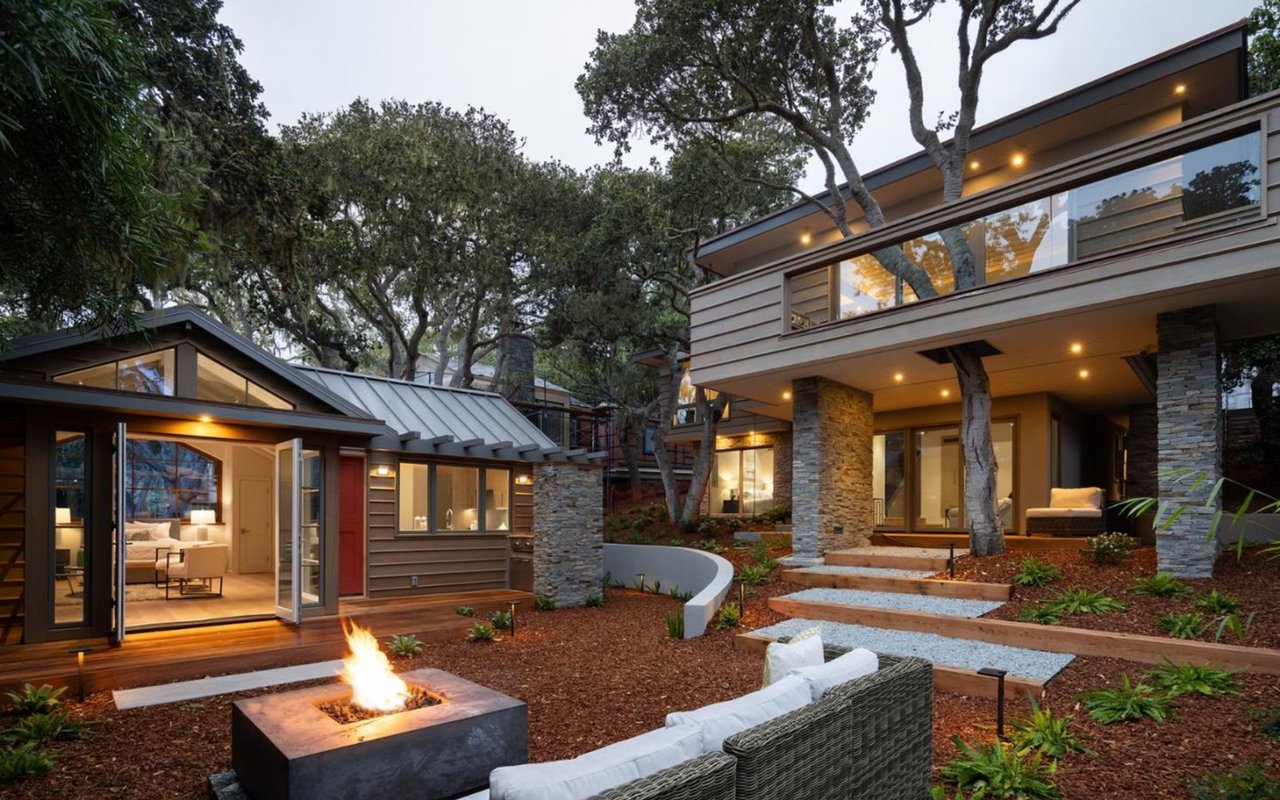
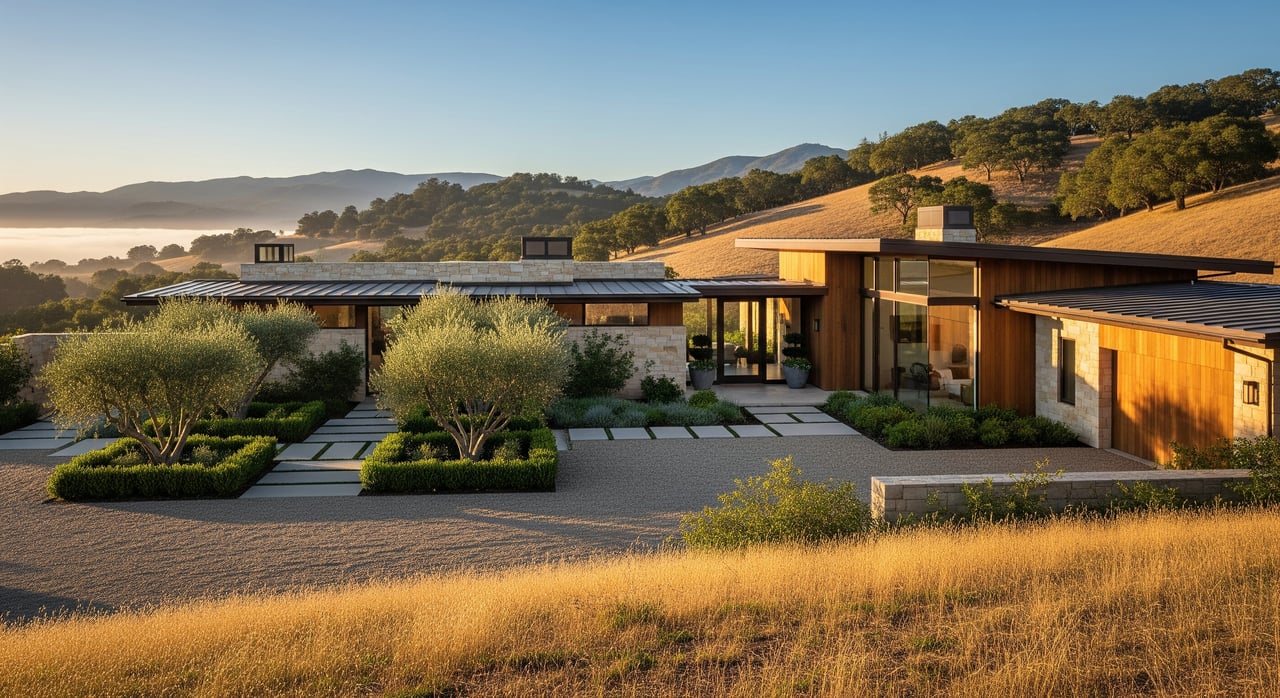
A successful home in the Preserve usually feels connected to the land rather than placed on top of it. That often means careful massing, restrained exterior forms, and a finish palette that works with the surrounding terrain. It also means thinking beyond the house itself to include grading, drainage, lighting, and landscape design from the start.
Keep the architecture site-sensitive
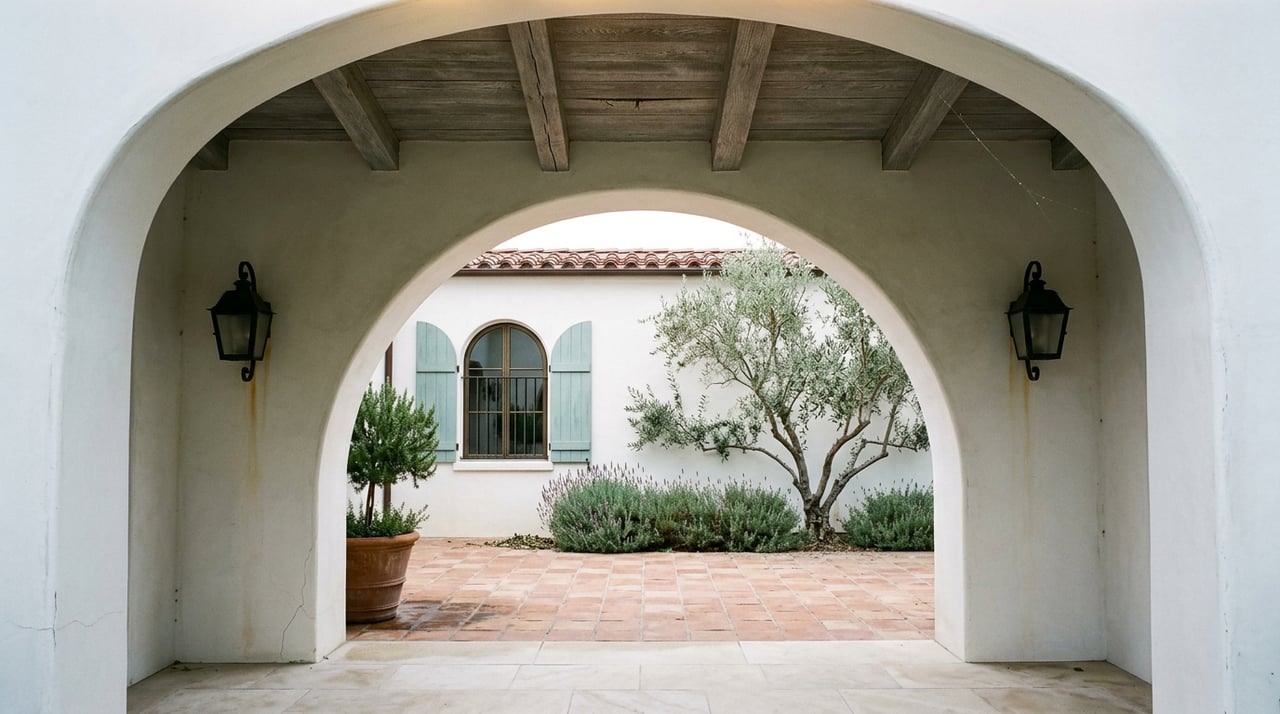
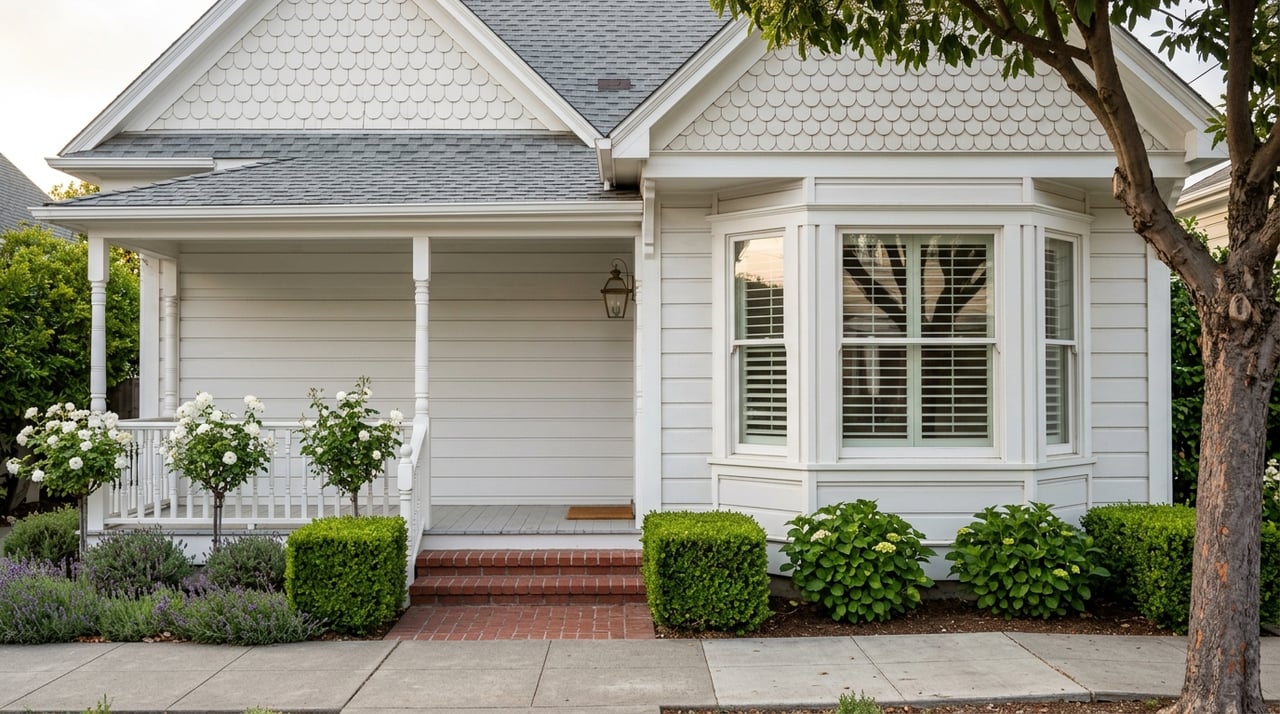
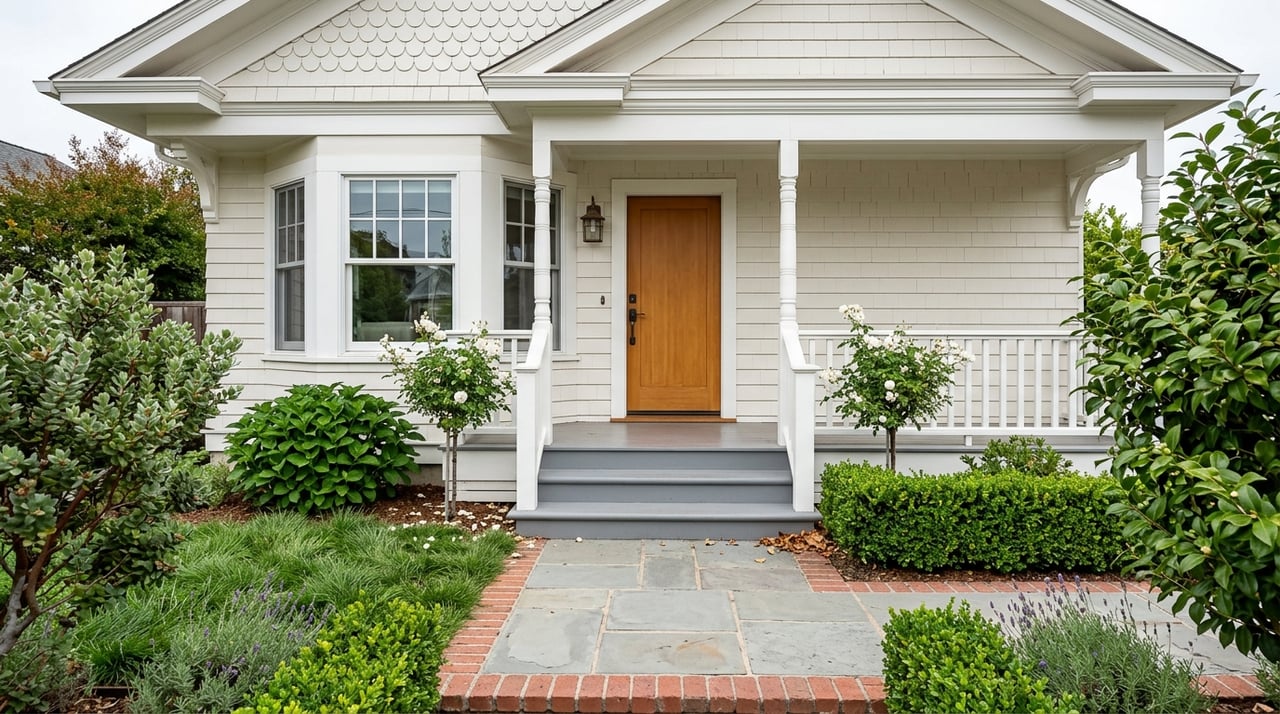
County reviewers may ask for exterior elevations, materials, roof details, and paint or stain samples. Because of that, it is wise to coordinate the building envelope, material palette, and grading plan early instead of treating exterior finishes as a last-stage decision.
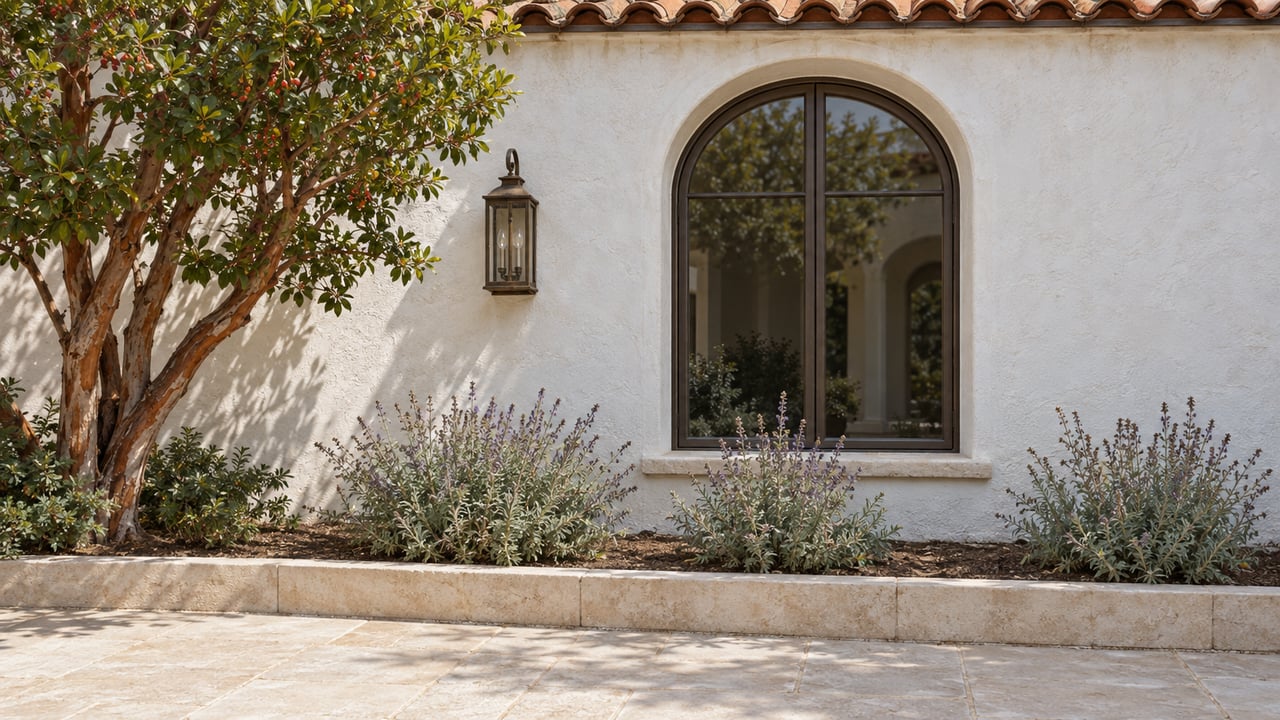
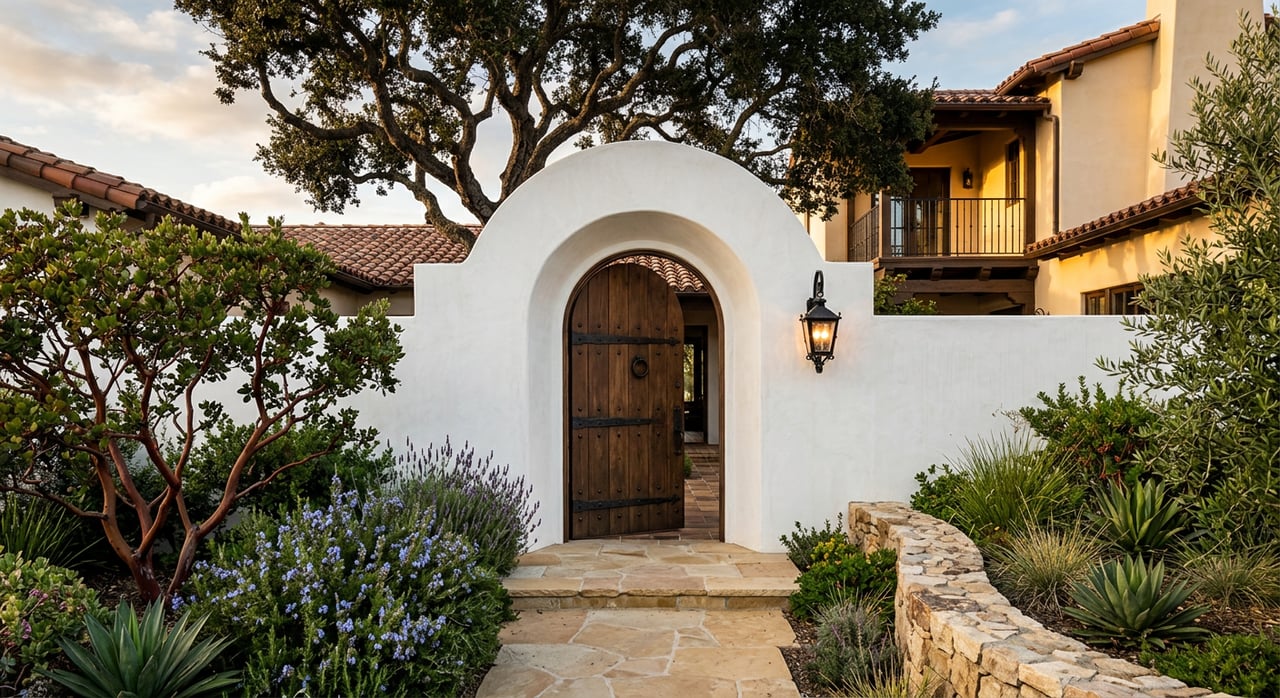
The Preserve’s guidance also supports homes that blend into the natural setting. Living roofs and native, drought-tolerant plantings are specifically identified as ways to reduce view impacts and help a home sit more quietly in the landscape. For many buyers, that creates a design opportunity to pursue understated luxury rather than visual excess.
Use wildlife-friendly features
Wildlife-friendly design is not a minor detail here. Exterior lighting must be downward-facing, shielded, low, and full-cutoff. Uplighting and multi-directional lighting are not permitted.
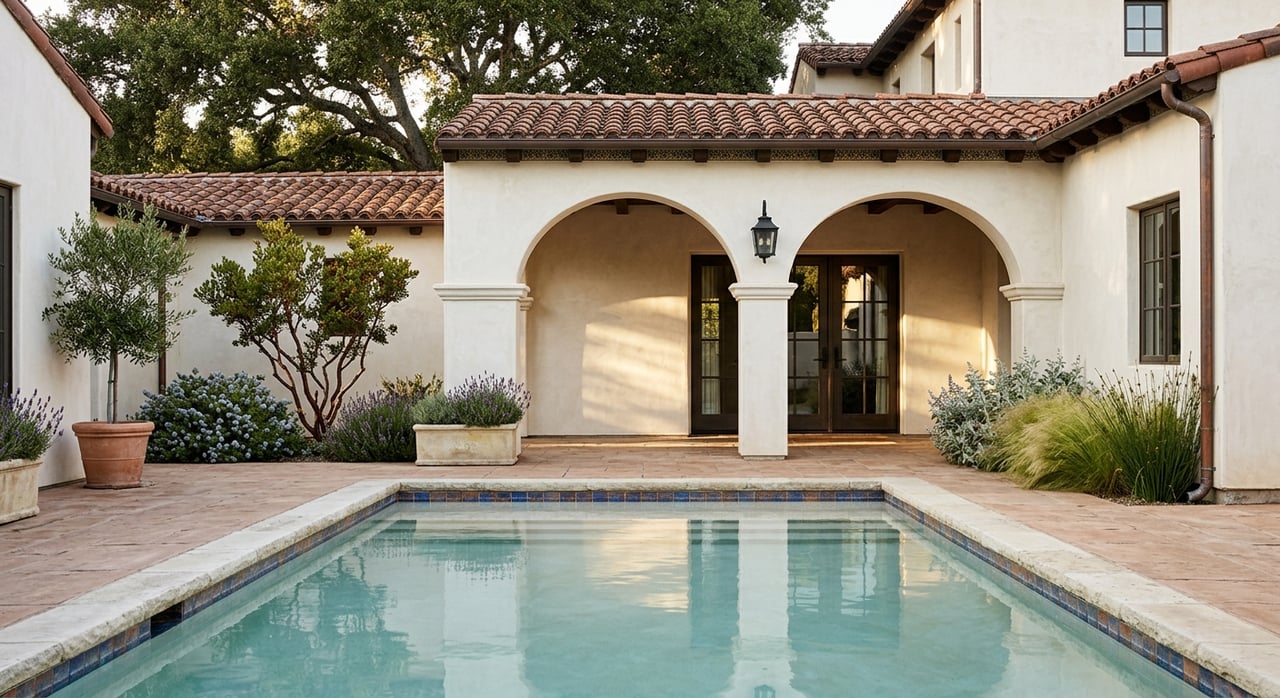
Other details matter as well. Fences may be built only within the Homeland, cannot exceed 6 feet, and require DRB approval. Pools, ponds, window wells, chimneys, and pipes should also be designed in ways that reduce the risk of wildlife entrapment.
Plan landscaping with care
Landscaping in the Preserve should support both habitat and fire resilience. The Conservancy encourages native plants, cautions against non-native plants in Openlands, and recommends site-specific screening and planting strategies.
That has practical design implications for driveways, entry sequences, privacy screening, and outdoor living areas. Instead of treating landscaping as decoration, it should function as part of the overall environmental response of the property.
Fire planning is part of design
In the Santa Lucia Preserve, fire planning is not optional. The Conservancy states that the community sits in a high fire hazard severity zone, and the Preserve received Firewise Community Certification in 2021. Fire-resistant materials, strategic siting, and ignition-resistant landscaping are part of how homes are expected to perform here.
Fuel-management requirements
New-home review begins early with fire planning. The preliminary design packet requires an Initial Fire Risk Assessment, and a lot-specific fuel-management plan must be approved before final DRB approval and again before occupancy approval. Landowners hire qualified fuel-management consultants, and the plan is updated every five years.
The standards call for a 5-foot non-combustible zone at structures, and review and inspection involve the CSD and Monterey County Regional Fire District. This is one reason fire resilience should shape site planning, hardscape, landscaping, and material selections from the first round of design.
Community fire infrastructure
Fire protection is also built into the community infrastructure. According to the Santa Lucia Community Services District, structures over 500 square feet and all buildings designed for human occupancy must have residential fire sprinklers meeting NFPA 13-D, along with an alarm tied to 24-hour monitoring. The Preserve also reports 24/7 security and an on-property fire station.
For buyers comparing custom-home opportunities in Monterey County, this is an important distinction. In the Preserve, home design and fire readiness are closely connected from the start.
What construction looks like on the ground
Construction here is carefully monitored because resource protection continues after approvals are granted. Conservancy staff work with contractors from pre-construction through final walk-through to protect Openlands, monitor erosion, and reduce disturbance to natural resources.
If work comes within 20 feet of the Homeland boundary, exclusionary fencing may be required during construction. On unbuilt lots, owners may mow and manage shrubs within Homeland boundaries before construction begins, but tree removal within the Homeland is regulated by Monterey County and also requires Conservancy and DRB approval.
This level of oversight can feel detailed, but it supports the larger vision of conservation living. For you as an owner, it also reinforces why builder selection, construction planning, and communication among consultants matter so much.
A practical roadmap for owners
If you are evaluating a homesite or preparing to build, it helps to think in phases rather than one long blur of decisions. A clear roadmap can make the process feel more manageable.
Phase 1: Due diligence and vision
Start by understanding the parcel, the Homeland envelope, site conditions, access, and utility considerations. At this stage, you are testing what kind of home the land can realistically support. This is also the time to begin aligning lifestyle goals with site realities.
Phase 2: Assemble the right team
Bring in an architect, builder, and technical consultants who understand complex custom-home planning. Because county and Preserve requirements are detailed, early coordination can prevent redesigns and delays. This is especially valuable if you are an out-of-area or second-home owner who wants a smoother process.
Phase 3: Integrate design and compliance
Develop the home design alongside fire planning, grading, landscape concepts, and utility coordination. The more these parts inform each other early, the more cohesive the final package tends to be. In the Preserve, design quality and compliance are closely linked.
Phase 4: Prepare for a measured timeline
Expect reviews, revisions, consultant reports, and multiple approvals before you break ground. A custom home here is not typically a quick-start project. The process rewards patience, planning, and a team that can stay organized from concept through completion.
Why local guidance matters
Designing a home in the Santa Lucia Preserve is as much about judgment as it is about creativity. You need to understand the parcel, the review path, the fire-planning framework, and the practical realities of building in a conservation-first environment. For many buyers, especially second-home owners, having a local advisor can make the experience far more efficient and far less stressful.
At Carmel Coast Realty, we help clients evaluate Peninsula properties with a clear eye on lifestyle, site constraints, long-term stewardship, and ownership goals. If you are exploring land or planning your next move in the Preserve, Carmel Coast can help you approach the process with local insight and steady guidance.
FAQs
What makes designing a home in the Santa Lucia Preserve different?
- The Preserve uses a conservation-first model where homes are designed within defined Homelands and must respond to landforms, vegetation, views, microclimates, and wildlife considerations.
What approvals are needed to build in the Santa Lucia Preserve?
- Most projects involve Design Review Board review, Monterey County permits, Environmental Health review for water and wastewater feasibility, and coordination with the Santa Lucia Community Services District.
What fire-planning steps are required for a new home in the Santa Lucia Preserve?
- New-home review requires an Initial Fire Risk Assessment and a lot-specific fuel-management plan that must be approved before final DRB approval and again before occupancy approval.
What design features are encouraged in the Santa Lucia Preserve?
- The Preserve encourages modest massing, indoor-outdoor living, native or drought-tolerant planting, and design choices that help the home blend into the natural landscape.
What lighting and fencing rules apply in the Santa Lucia Preserve?
- Exterior lighting must be downward-facing, shielded, low, and full-cutoff, while fences are allowed only within the Homeland, cannot exceed 6 feet, and require DRB approval.
How long does it take to start building in the Santa Lucia Preserve?
- There is no single published schedule, but the review layers suggest a staged, likely multi-month preconstruction process shaped by design review, fire-planning approval, county permits, utilities, and site-specific conditions.