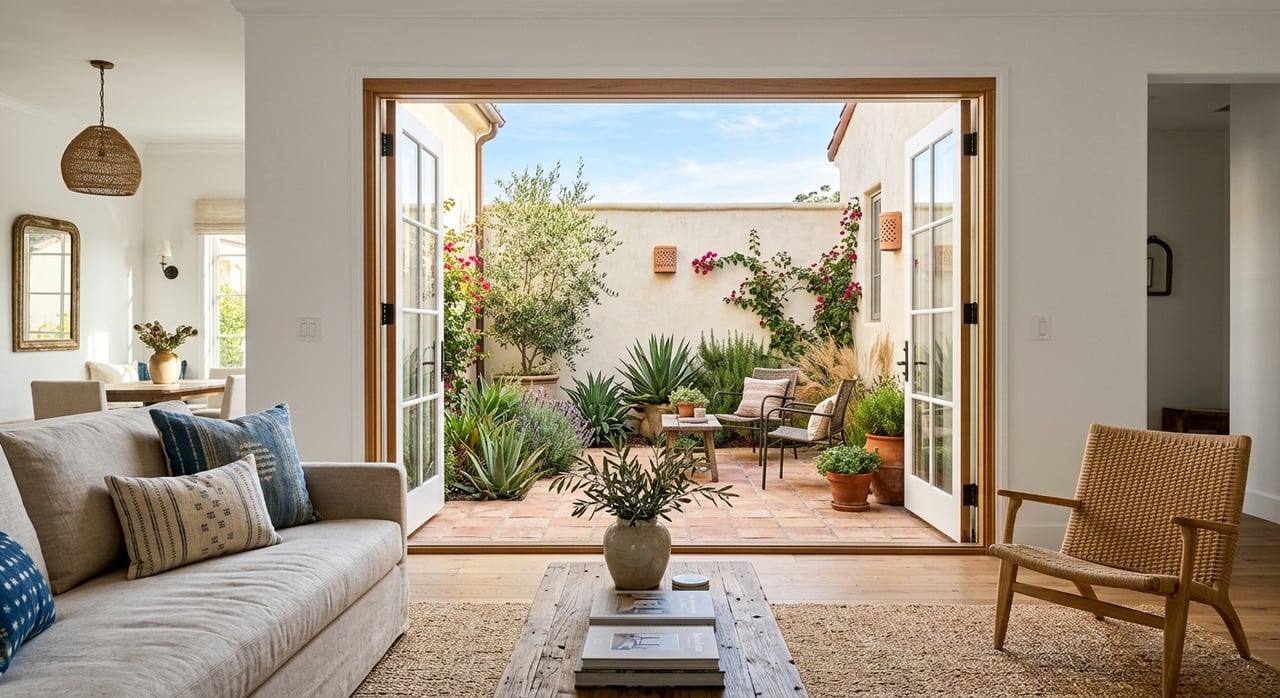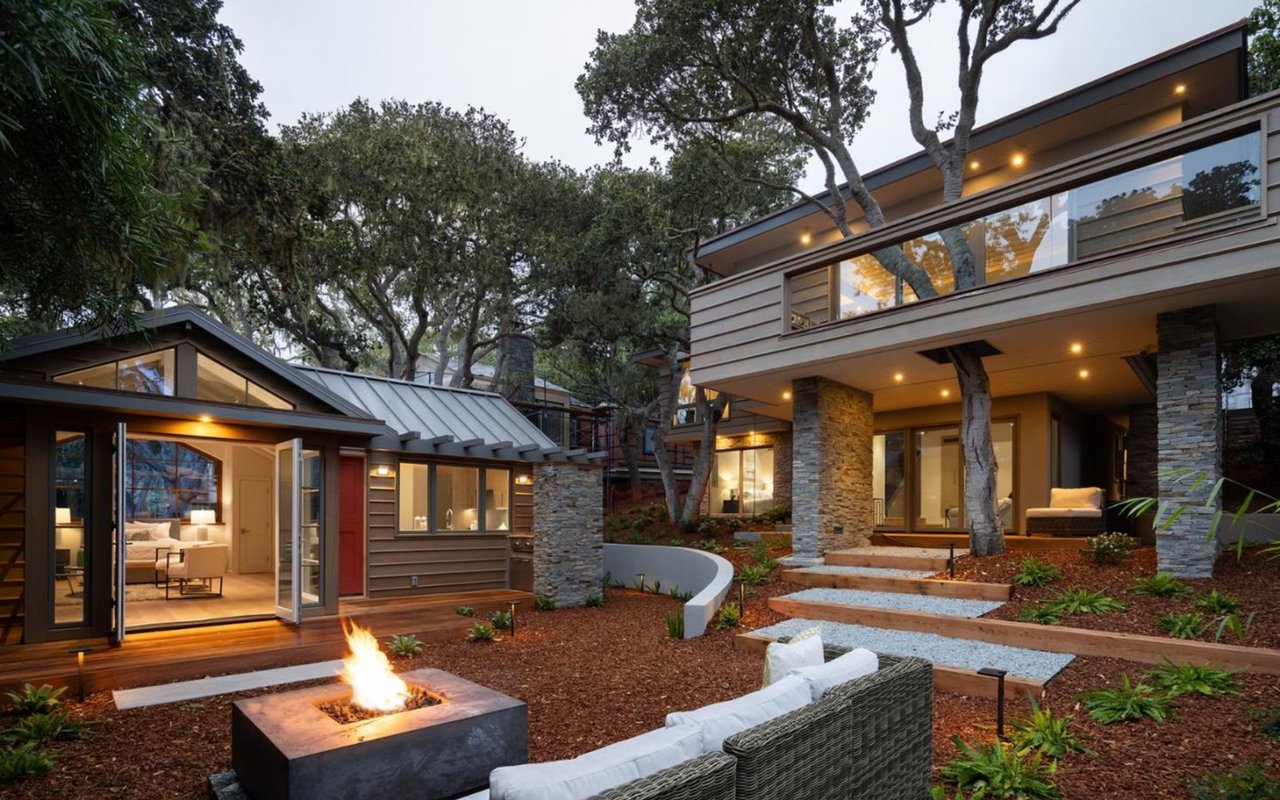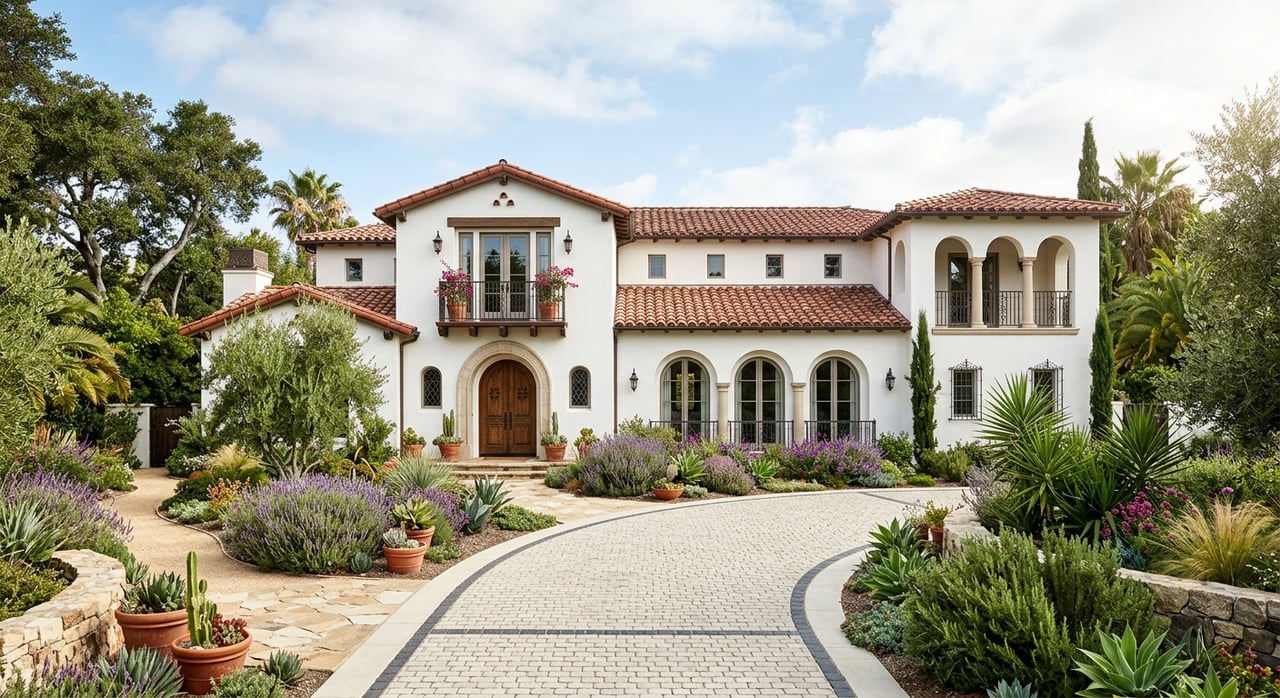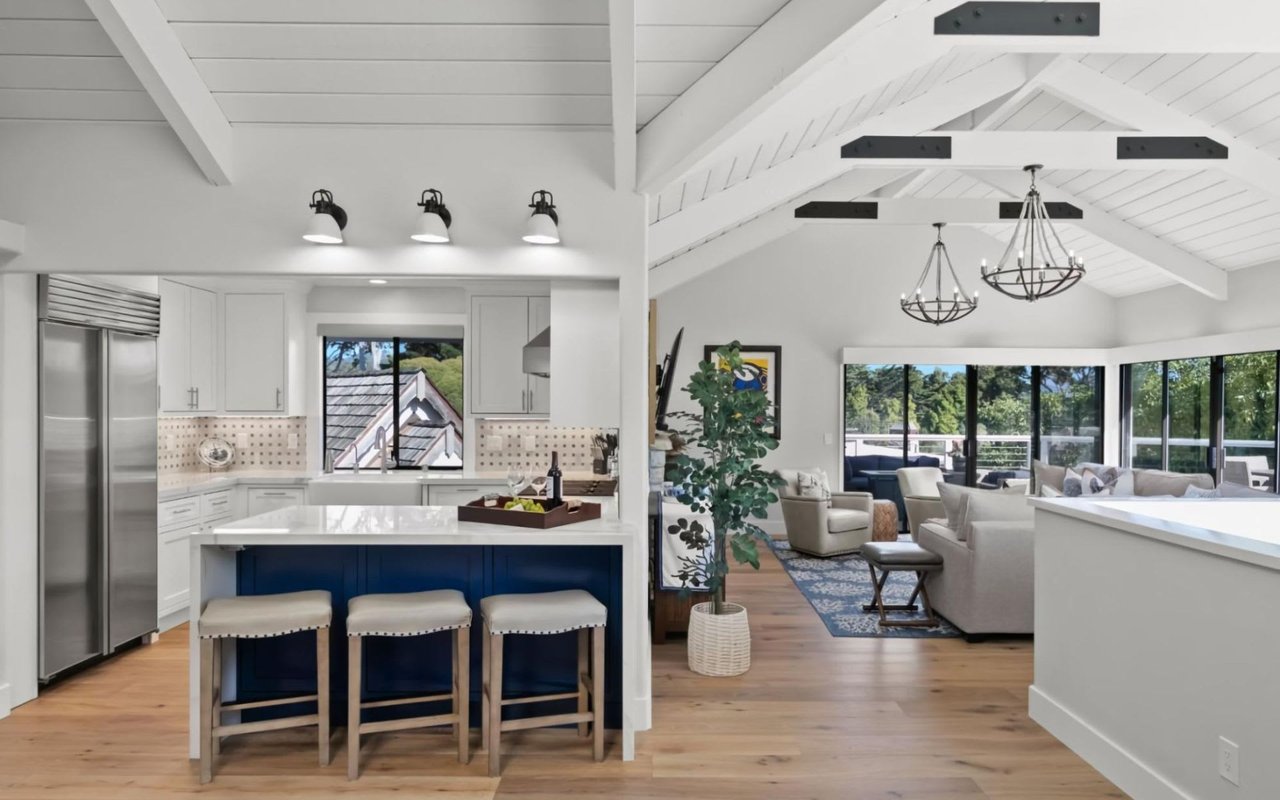
If you are comparing Del Rey Oaks with nearby Peninsula cities, you are probably trying to answer a simple question: what will daily life actually feel like there? That matters whether you are buying a full-time home, a second home, or a property with future flexibility in mind. The good news is that Del Rey Oaks, Monterey, and Seaside each offer a distinct experience, even though they sit close together. This guide will help you understand the differences in housing, convenience, recreation, and overall lifestyle so you can narrow your search with more confidence. Let’s dive in.
Del Rey Oaks at a Glance
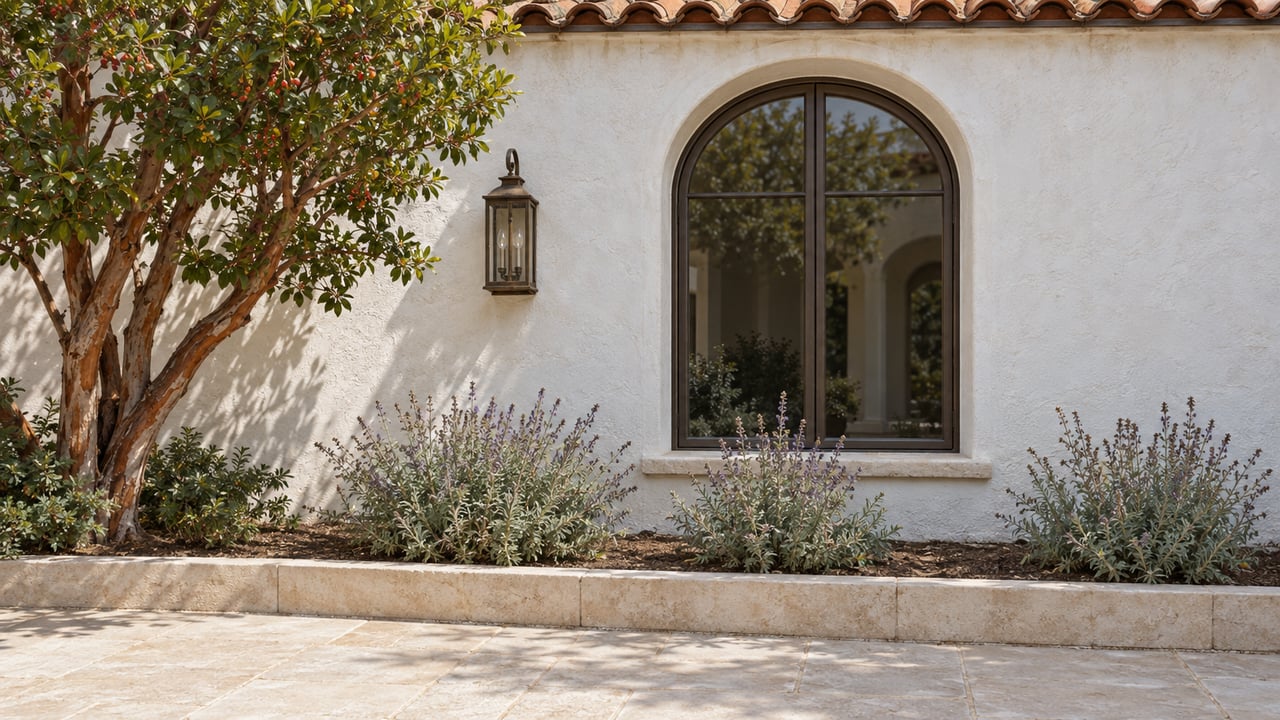
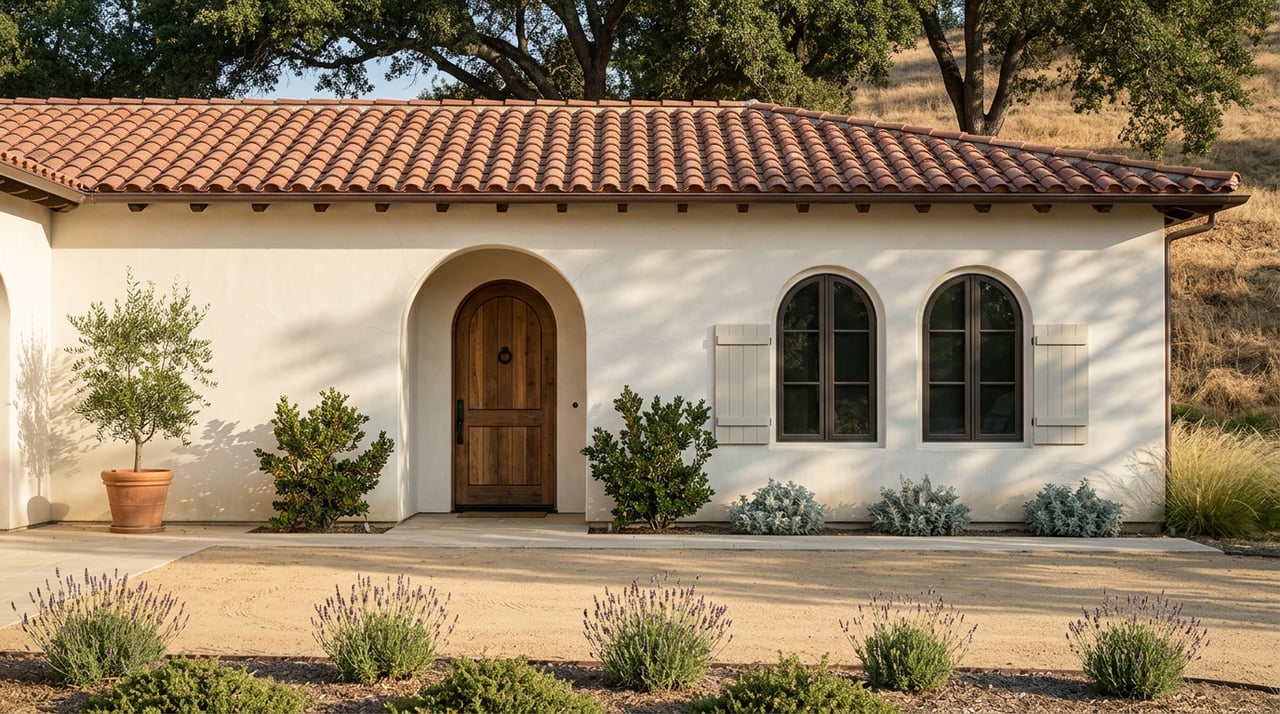
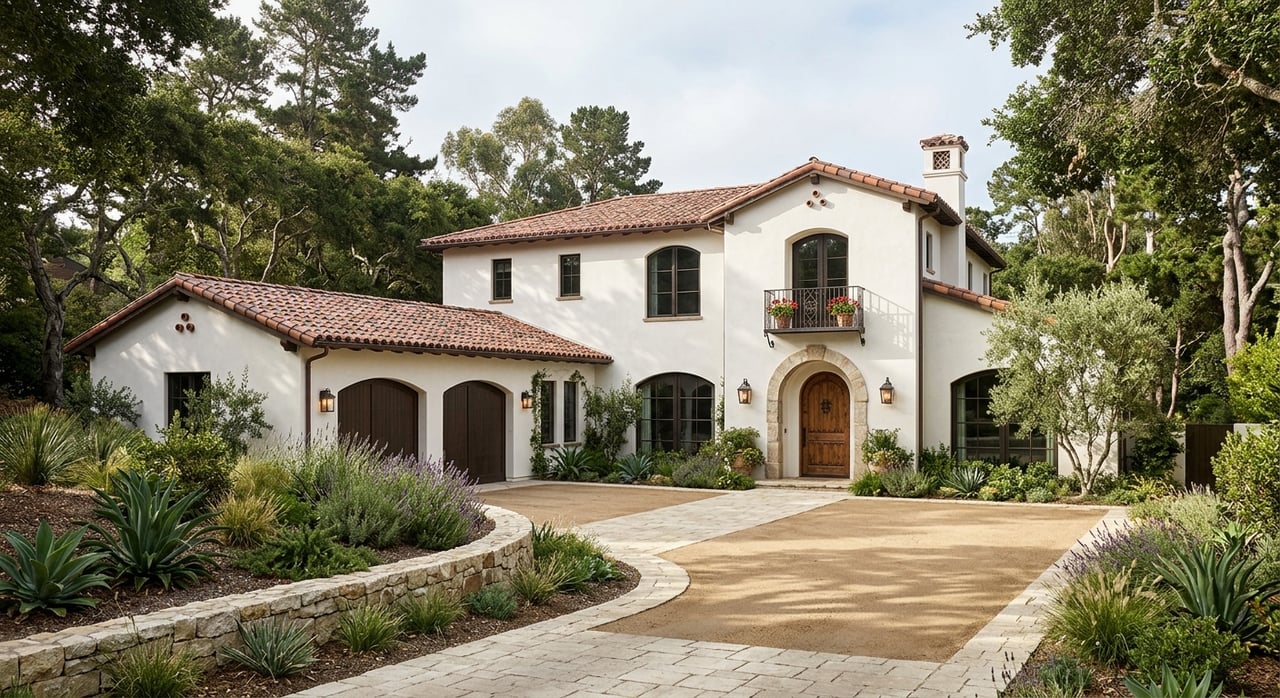
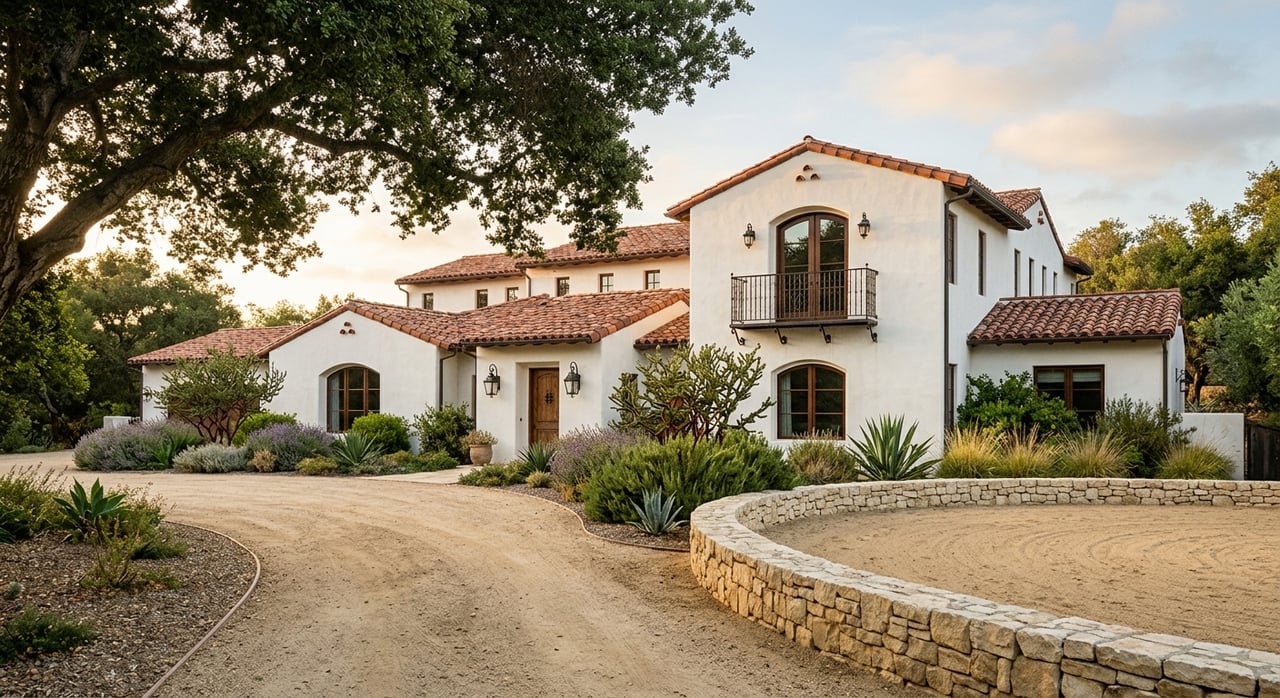
Del Rey Oaks is the smallest and most residential option in this comparison. The city describes itself as a small town on the Monterey Peninsula, and its housing pattern supports that identity.
According to the city’s housing element, no new housing units were built after 2000. The same planning documents note limited development area, limited vacant land, and severe water constraints, which helps explain why Del Rey Oaks has seen little multifamily development.
That older, established feel shows up in the housing mix too. In the 2012 to 2016 period, about 82 percent of homes were single-family units, making Del Rey Oaks the strongest fit if you want a quieter residential setting.
How Del Rey Oaks Compares Nearby
When buyers compare Del Rey Oaks with Monterey and Seaside, the biggest differences usually come down to three things:
- Housing style and density
- Daily convenience and transportation
- Dining, shopping, and recreation
If you start with those categories, the contrast becomes much easier to understand.
Housing Style and Neighborhood Feel
Del Rey Oaks feels established
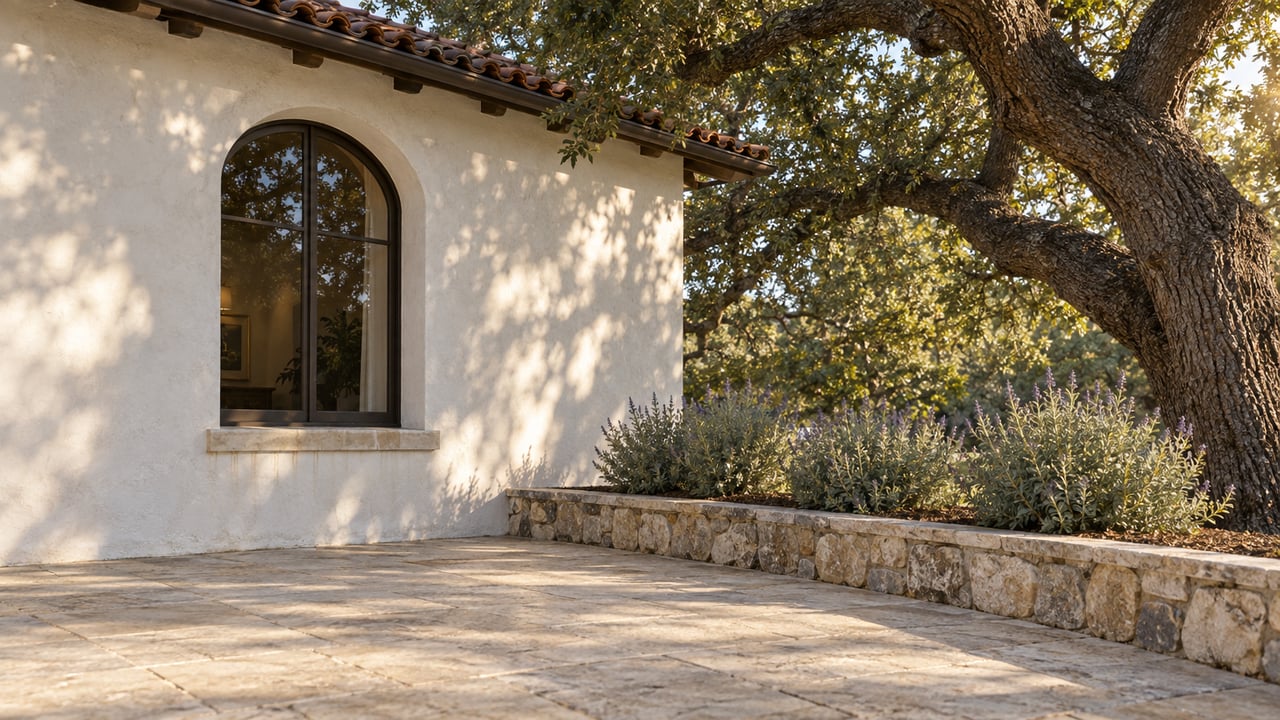
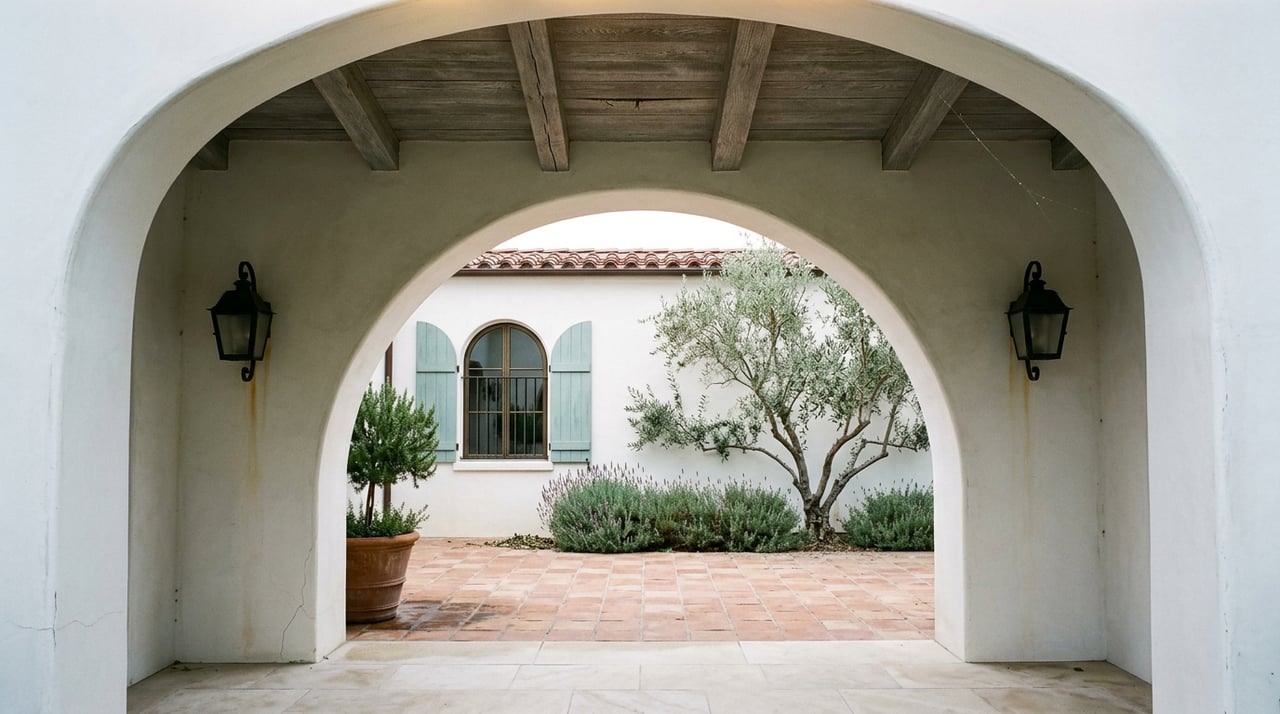
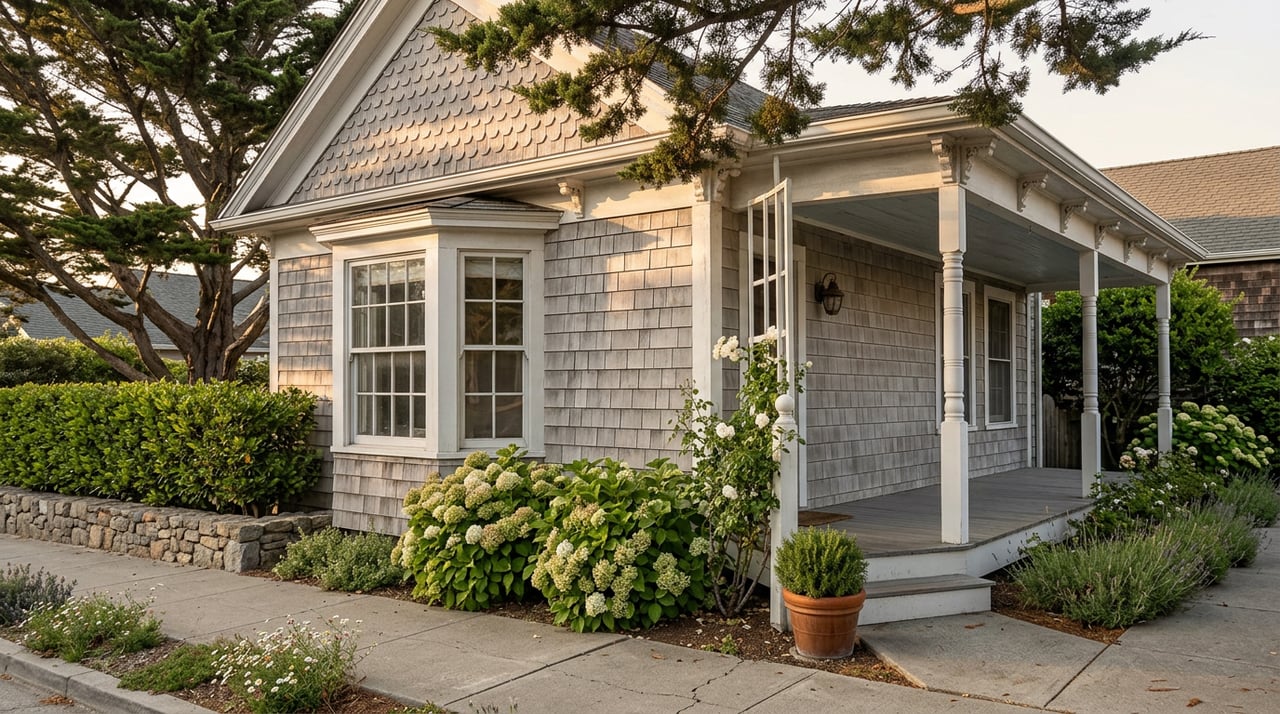
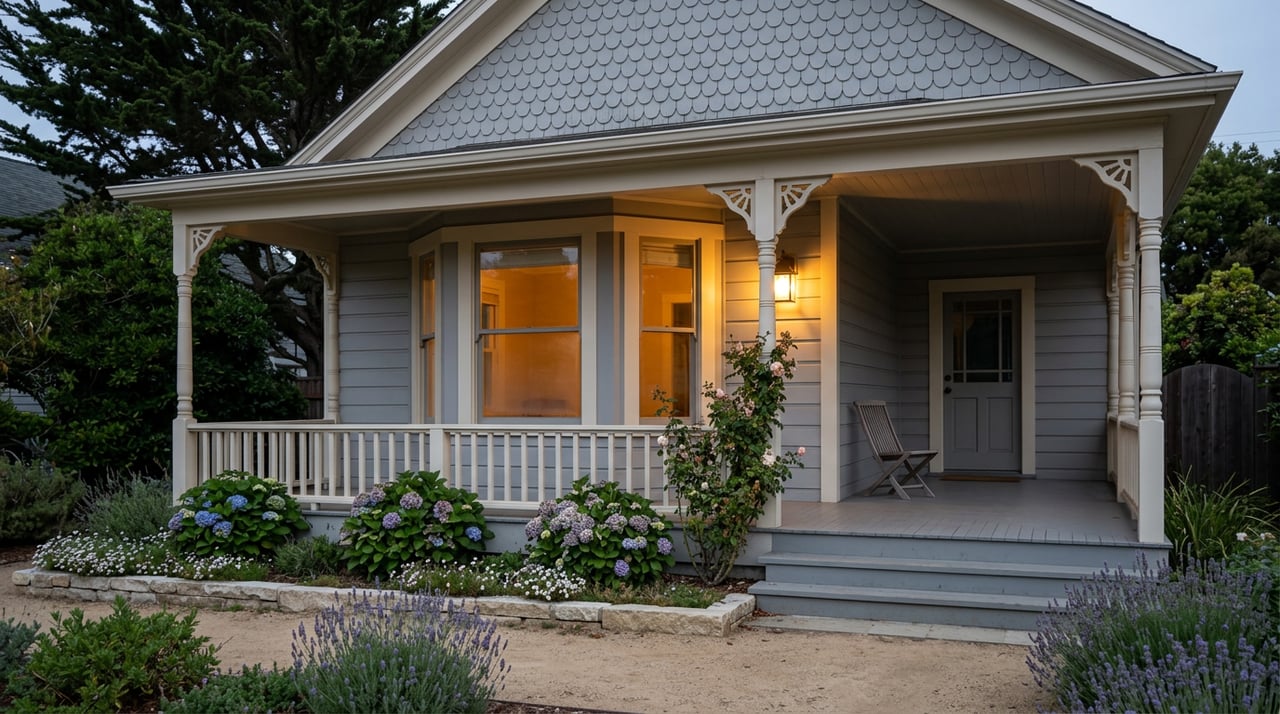
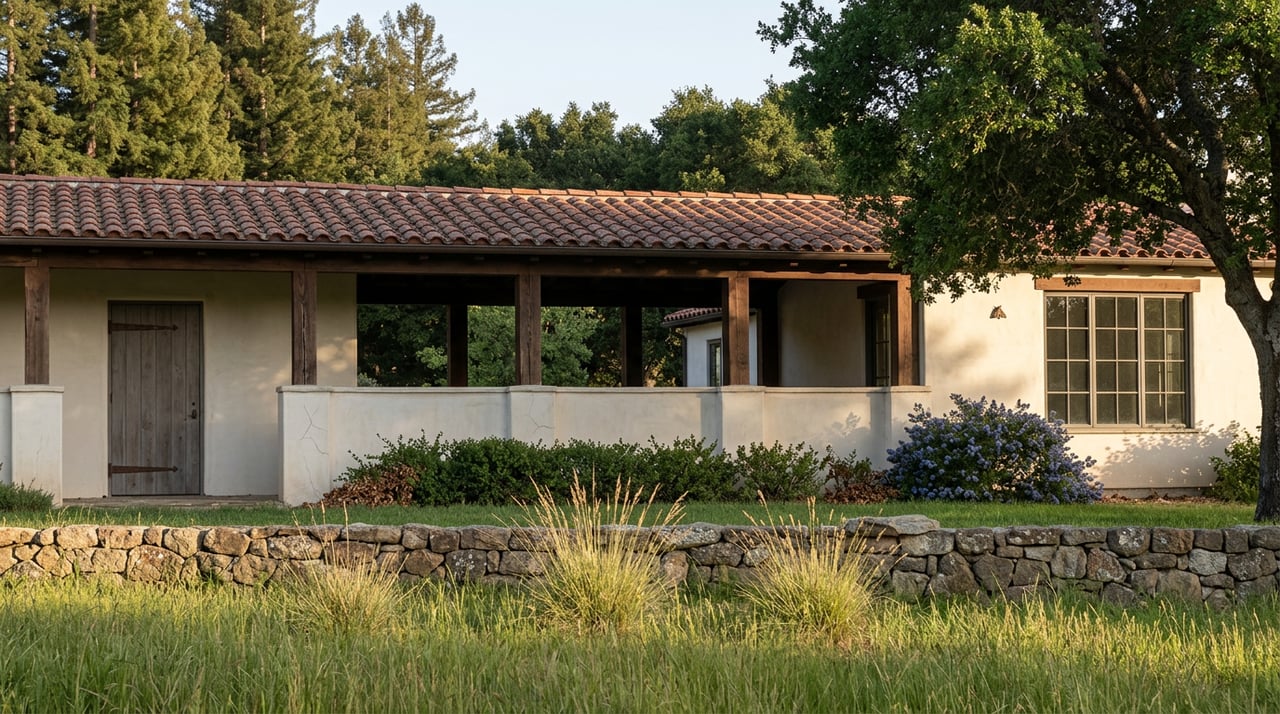
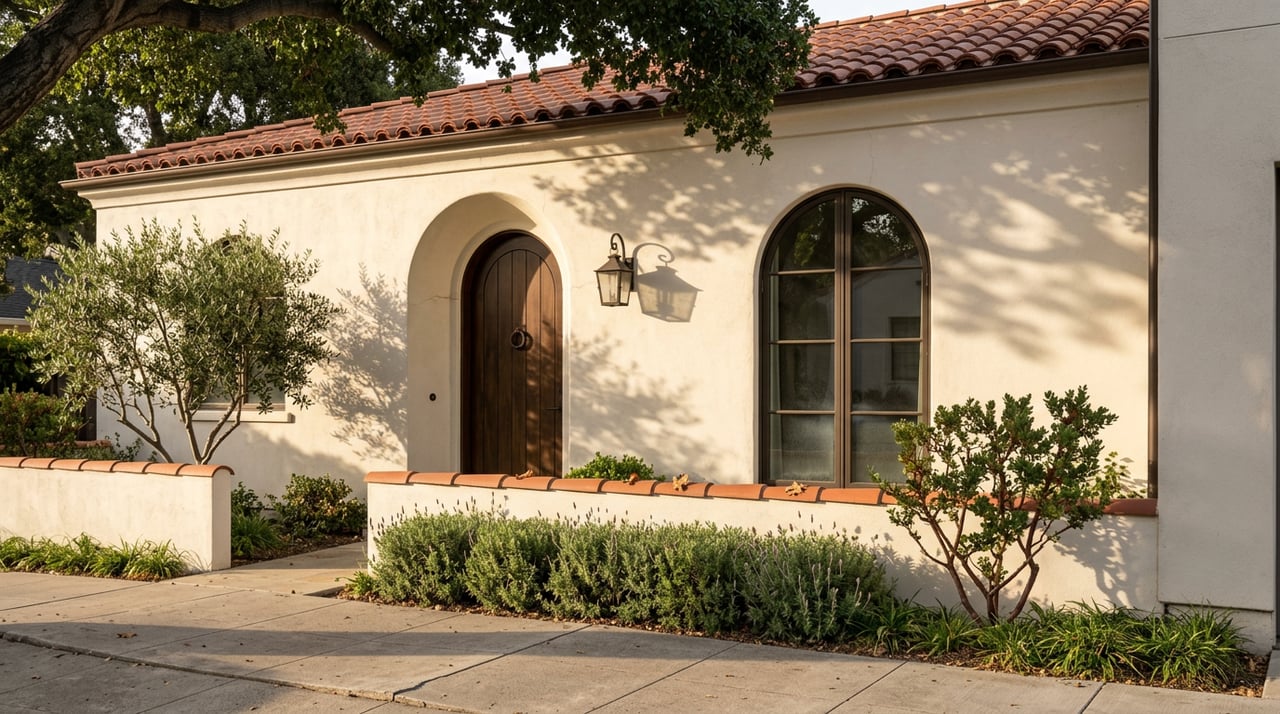
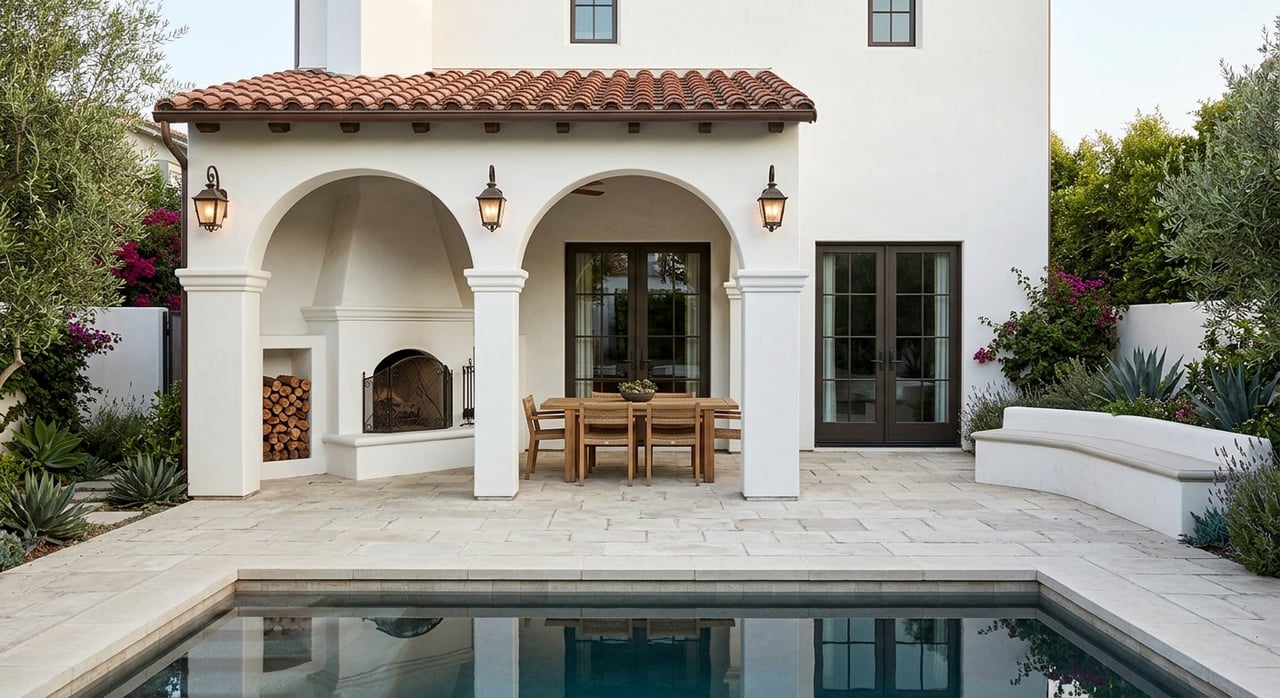
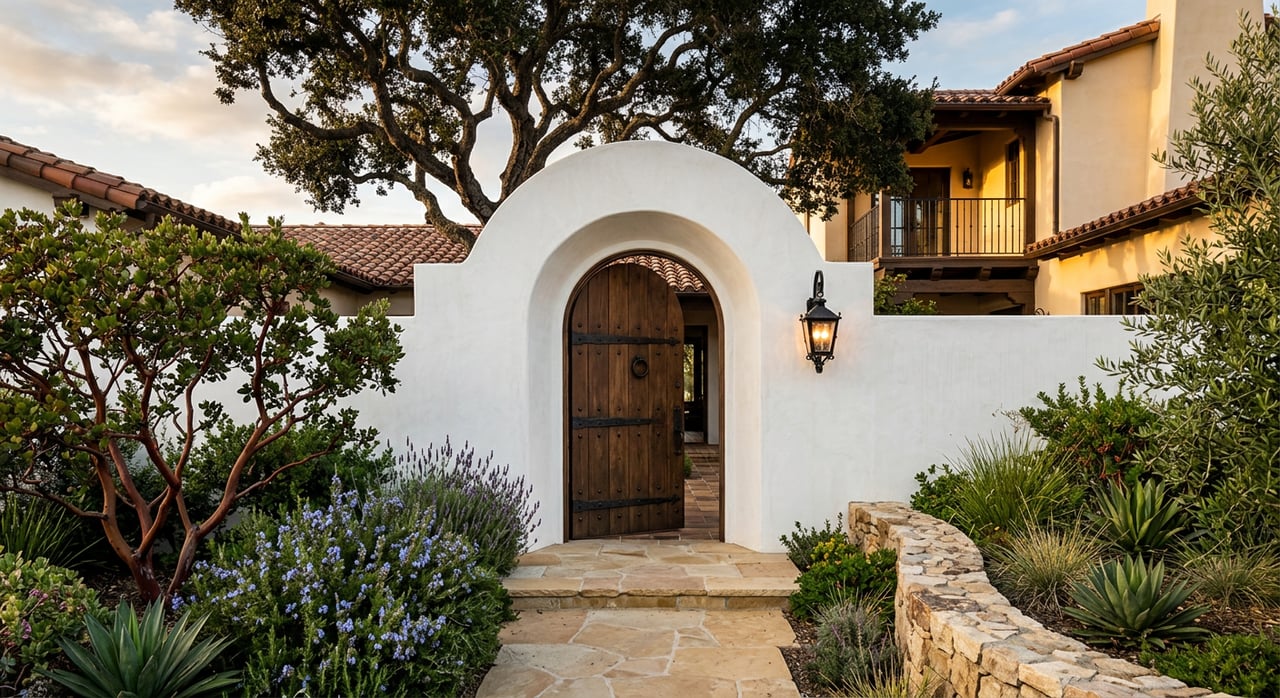
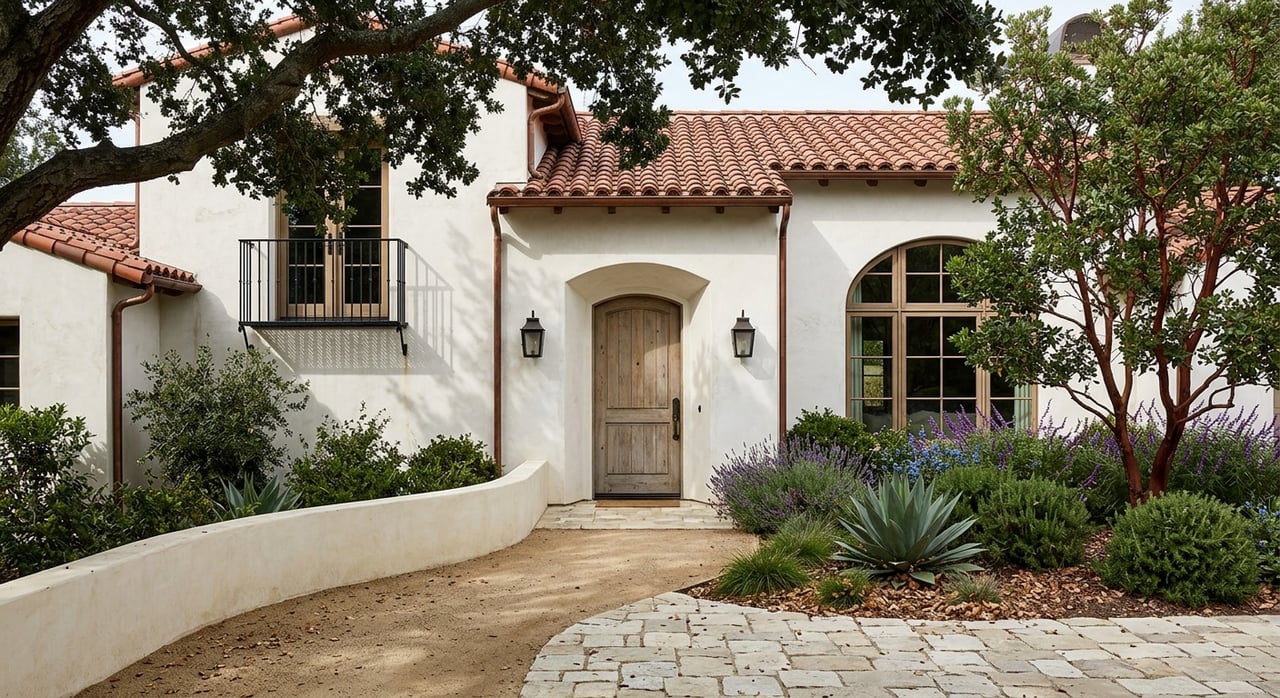
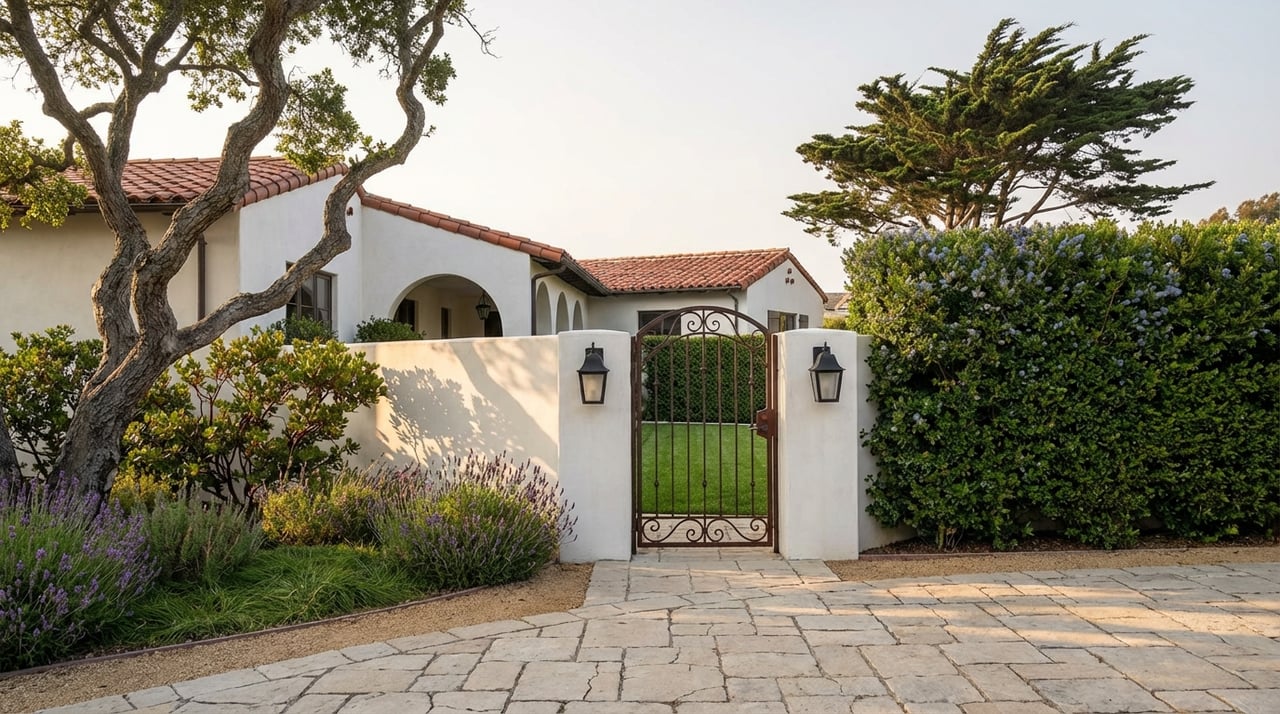
Del Rey Oaks stands out for its low-key, residential character. With a housing stock heavily weighted toward single-family homes and very little recent development, it tends to feel settled rather than fast-changing.
For many buyers, that translates into a calmer environment and a more tucked-away atmosphere. If you prefer a smaller city where the residential pattern is the main story, Del Rey Oaks has the clearest identity of the three.
Monterey offers the widest housing mix
Monterey has the broadest range of housing forms and eras in this comparison. City planning documents describe a mostly built-out community where newer housing is directed toward higher-density, previously developed mixed-use areas.
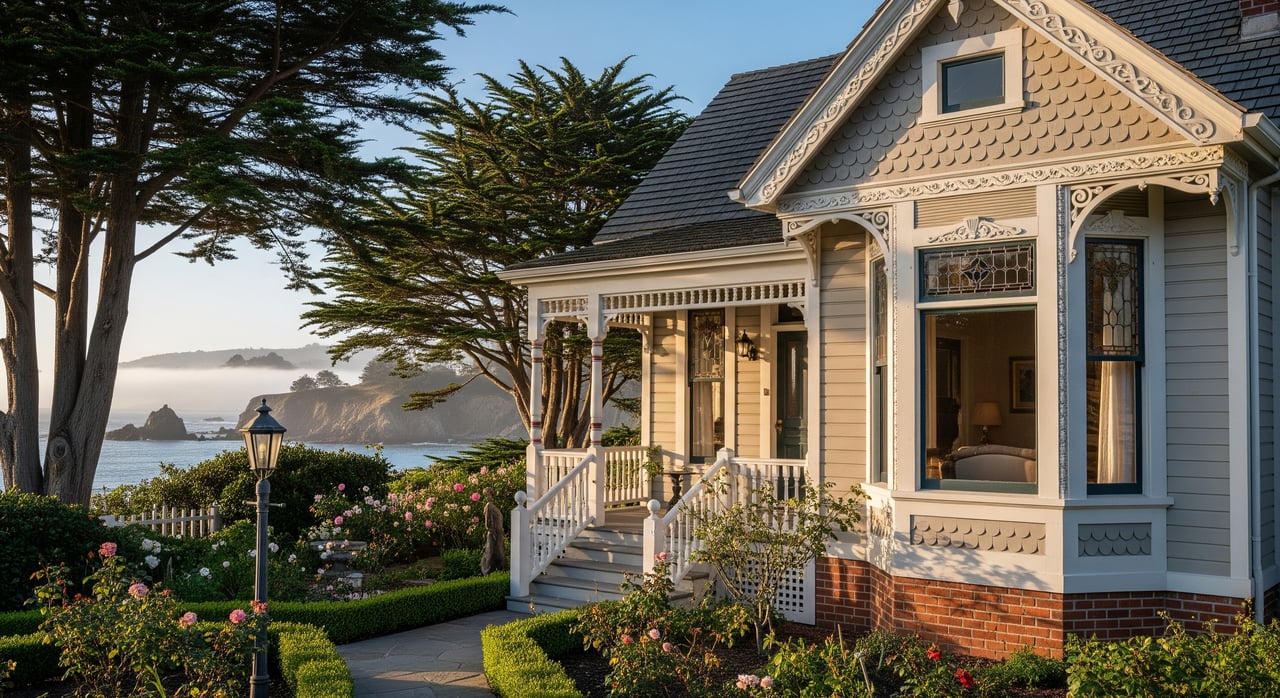
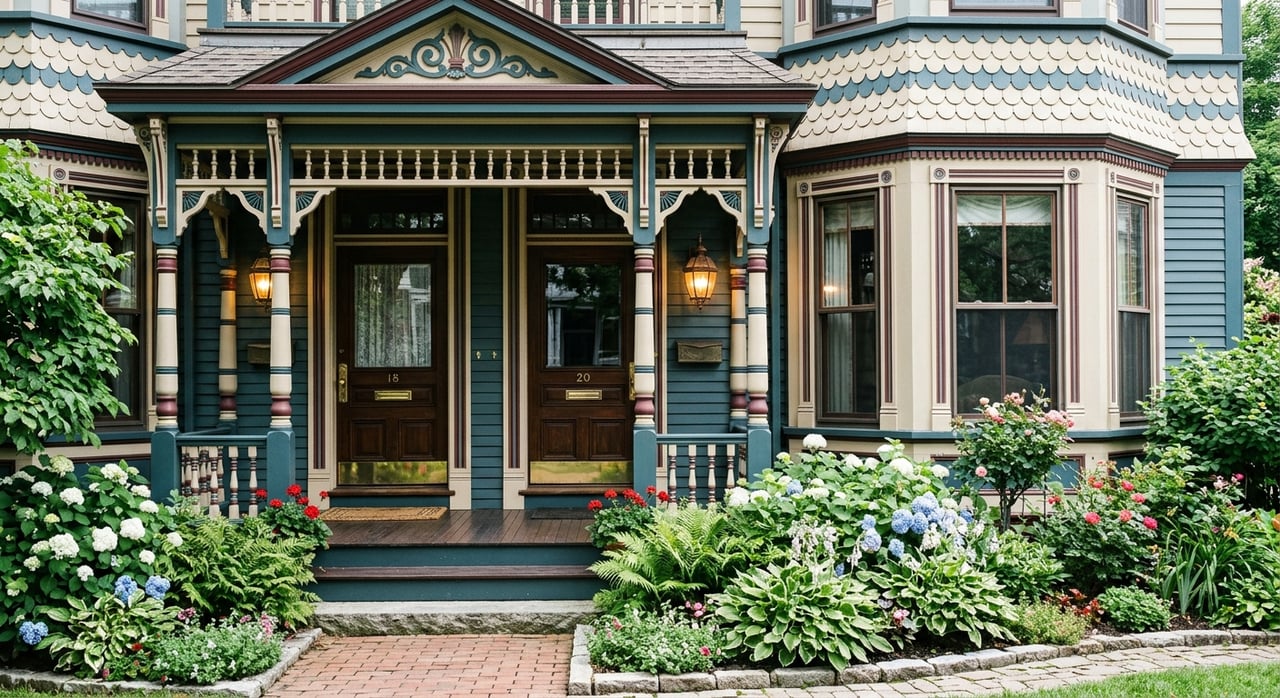
You will also find a substantial mix of attached and multifamily housing alongside single-family homes. Historic surveys in areas like New Monterey and Lower Old Town describe older single-family neighborhoods, cottages, Craftsman-era homes, and apartment infill, while Cannery Row includes mixed-use waterfront development.
Seaside sits in the middle
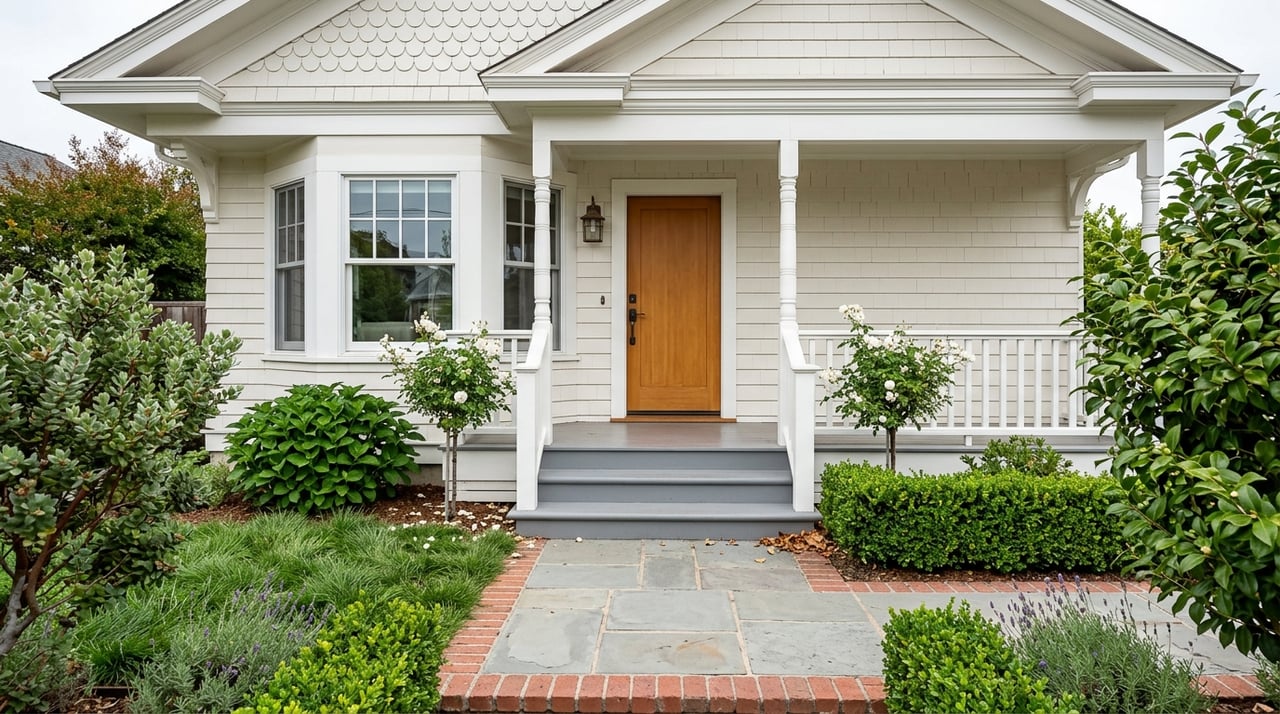
Seaside lands between Del Rey Oaks and Monterey in both form and feel. The city’s technical appendix shows that about 74 percent of housing units were single-family in 2022, but planning efforts also point to attached and multifamily infill.
That means Seaside still has a strong single-family base, but it also shows more active evolution than Del Rey Oaks. If you want a city that feels practical and service-oriented, with growth along major corridors, Seaside may feel like a balanced middle ground.
Location and Daily Convenience
Del Rey Oaks is central on the Peninsula
One of Del Rey Oaks’ most useful advantages is its location between Monterey and Seaside. MST lists a Del Rey Oaks Shuttle along with multiple regional Peninsula routes, which supports the idea that Del Rey Oaks works well as a central home base.
In practical terms, that can make quick trips in either direction easier. At the same time, many shopping and dining options are outside the city itself, so convenience often comes from nearby access rather than a large in-city commercial core.
Monterey prioritizes walkability
Monterey is the strongest option if you care most about a walkable setting with dining, services, and recreation clustered together. Its downtown plan emphasizes a pedestrian environment, mixed services and retail, and bike- and transit-friendly strategies.
That can be a strong lifestyle match if you want to spend more of your day on foot near downtown or the waterfront. The tradeoff is that parking and one-way circulation can matter more here than in Del Rey Oaks or Seaside.
Seaside supports everyday movement
Seaside’s bikeways plan focuses on connections between residential neighborhoods, businesses, schools, and services. The city also anticipates growth tied to former Fort Ord and California State University Monterey Bay, pointing to a day-to-day pattern shaped by errands, cross-town trips, and increasing bike use.
For some buyers, that creates a practical and connected feel. It may not read as compactly walkable as Monterey, but it can feel more commerce-oriented than Del Rey Oaks.
Dining, Shopping, and Recreation
Del Rey Oaks leans toward open space
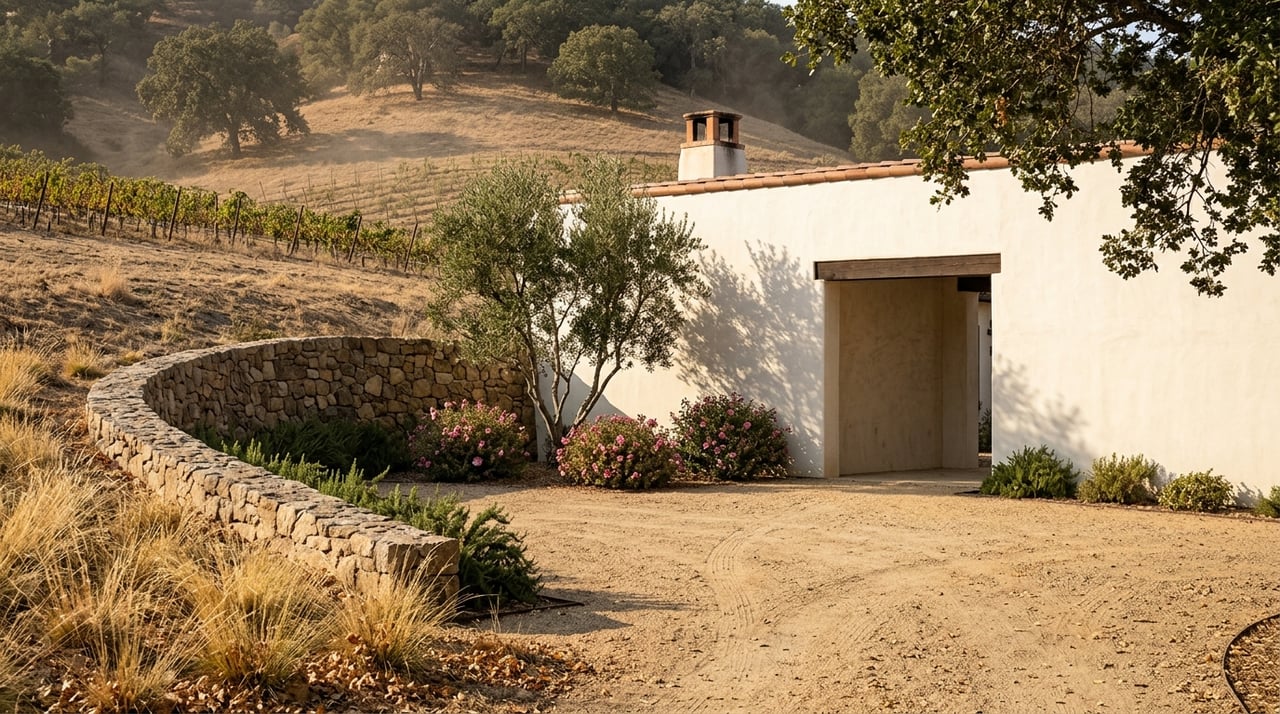
Del Rey Oaks has the lightest in-city amenity mix of the three, but it has notable recreation assets for its size. The city highlights Del Rey Oaks Park, Frog Pond Wetland Preserve, and the Fort Ord Rec Trail and Greenway.
That makes Del Rey Oaks a strong fit if your idea of convenience includes parks, trails, and open space close to home. It is less of a match if you want a city where restaurants and shopping are part of the immediate neighborhood fabric.
Monterey is strongest for waterfront activity
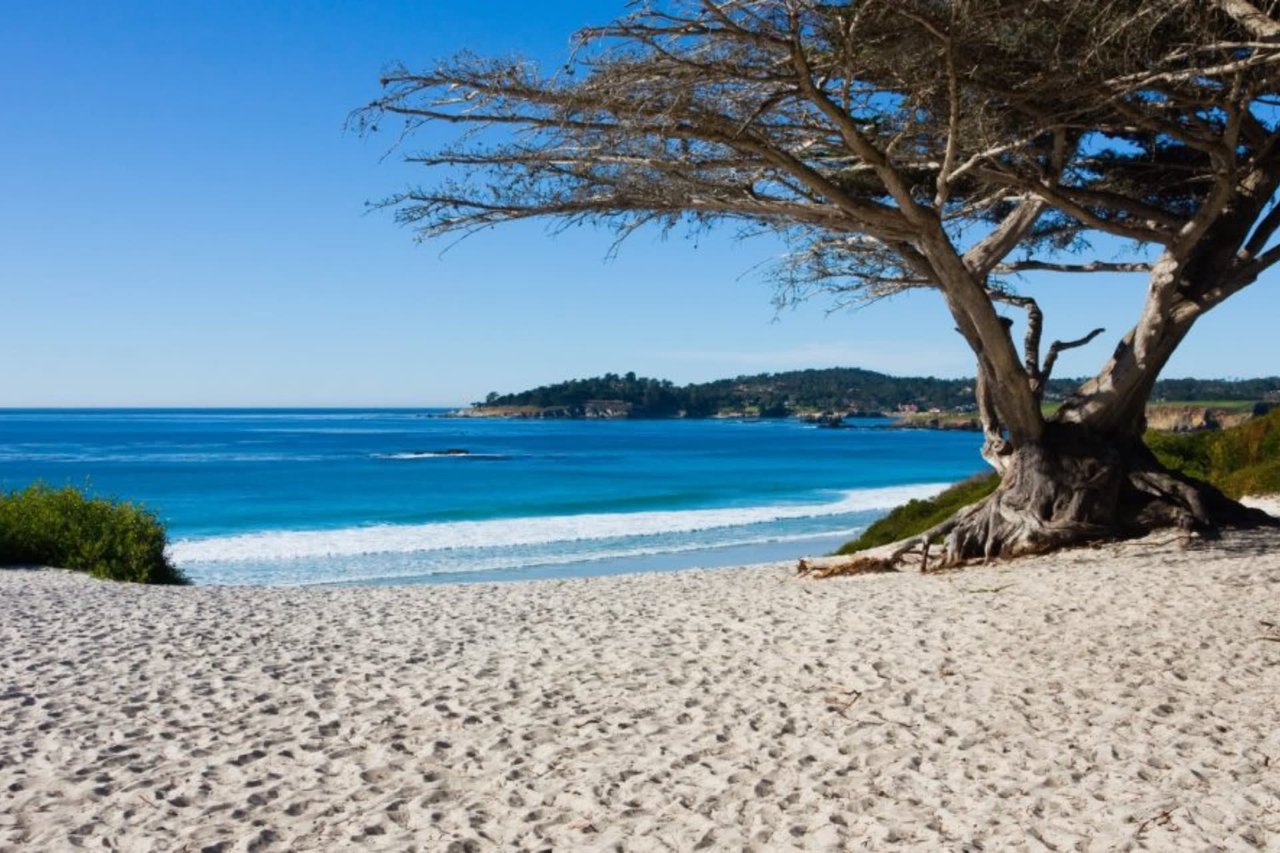
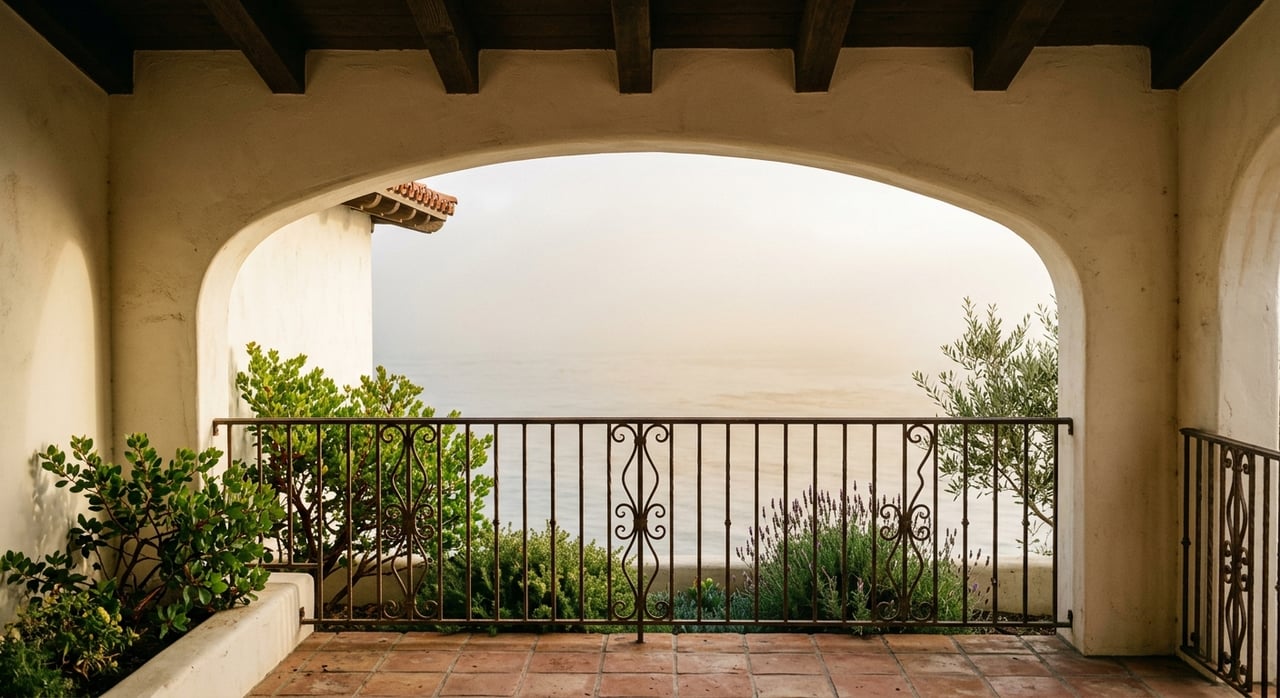
Monterey has the deepest concentration of dining and recreation tied to downtown and the waterfront. City plans highlight a lively pedestrian center, along with major public-access destinations such as Fisherman’s Wharf, Cannery Row, beaches, and the Monterey Bay Recreation Trail.
If you want the option to pair daily life with restaurants, retail, special events, and bayfront recreation, Monterey is the clearest fit. Among these three cities, it offers the strongest walk-to-dining and waterfront-lifestyle combination.
Seaside offers broad everyday amenities
Seaside provides a wider everyday service mix than Del Rey Oaks and a less tourist-focused feel than Monterey. The city describes amenities that include golf at Bayonet and Blackhorse, eclectic restaurants, abundant shopping, and Seaside Beach.
Its parks system is also extensive. The parks master plan notes nearly 90 acres of parkland, 25 parks, an indoor pool, a teen center, baseball fields, a large multi-use field, and 12 large free special events each year.
Which City Feels the Least Busy?
If your top priority is a place that feels the most residential and least busy, Del Rey Oaks is the strongest candidate. Its older housing pattern, limited development, and lighter in-city retail profile all support a quieter atmosphere.
That does not mean isolated. Because Del Rey Oaks sits between Monterey and Seaside, you can still reach a wider set of Peninsula amenities without living in the middle of the busiest commercial areas.
Which City Is Best for Walkability?
If walkability is your main goal, Monterey leads this comparison. The city’s downtown planning is built around pedestrian access, mixed services, retail activity, and multimodal travel.
That makes Monterey especially appealing if you want regular access to restaurants, waterfront recreation, and a more layered urban experience. It is the most walkability-focused choice here, but also the one where circulation and parking become a more active part of daily life.
Which City Has the Best Everyday Convenience Mix?
If you want broader everyday convenience without as much of Monterey’s visitor-oriented energy, Seaside may be the best fit. It offers a stronger commercial and service presence than Del Rey Oaks, along with a substantial parks and events system.
For buyers who value practical day-to-day access to shopping, recreation, and city services, Seaside often feels the most balanced. It sits between the quieter residential tone of Del Rey Oaks and the denser mixed-use energy of Monterey.
Best Fit by Buyer Priorities
Here is a simple way to think about the three cities:
| Priority | Best Match | Why |
|---|---|---|
| Quiet residential setting | Del Rey Oaks | Small-town identity, established housing, limited new development |
| Walkability and waterfront access | Monterey | Strong pedestrian focus, downtown activity, bayfront recreation |
| Everyday services and active city amenities | Seaside | Broad shopping and recreation mix, growing corridors, practical connections |
Your best fit depends on how you want your home to support your day-to-day routine. Some buyers want a calm base near the action, while others want to step out the door and be in the middle of it.
A Smart Way to Compare in Person
Online research can narrow the field, but these cities are close enough that the differences become clearest when you experience them in sequence. A short tour can reveal how each place handles traffic flow, access to parks and services, and the overall pace of daily life.
That matters even more if you are buying a second home or planning for long-term flexibility. A quiet residential base, a walkable waterfront setting, and a service-rich city each support ownership in very different ways.
If you are weighing Del Rey Oaks against Monterey or Seaside, it helps to look beyond price alone and focus on fit. The right choice is the one that aligns with how you want to live, visit, or hold the property over time.
If you want help comparing Peninsula micro-markets and finding the right match for your goals, Carmel Coast can guide you with local insight and a clear, practical approach.
FAQs
How does Del Rey Oaks compare with Monterey for daily lifestyle?
- Del Rey Oaks feels quieter and more residential, while Monterey offers more walkable access to dining, retail, and waterfront recreation.
How does Del Rey Oaks compare with Seaside for convenience?
- Del Rey Oaks works well as a central home base, but Seaside has a broader in-city mix of everyday shopping, services, parks, and events.
Which Peninsula city feels most residential near Del Rey Oaks?
- In this comparison, Del Rey Oaks is the city that feels the most residential and least busy.
Which city near Del Rey Oaks is best for walkable dining?
- Monterey is the strongest match if you want walkable dining and easy access to waterfront activity.
Is Seaside or Del Rey Oaks better for parks and recreation?
- Both offer recreation benefits, but Seaside has a larger park system and event program, while Del Rey Oaks stands out for its smaller-scale park and open-space access.
What should buyers compare first between Del Rey Oaks, Monterey, and Seaside?
- Start with housing feel, daily convenience, and access to recreation, since those factors shape the biggest lifestyle differences between the three cities.