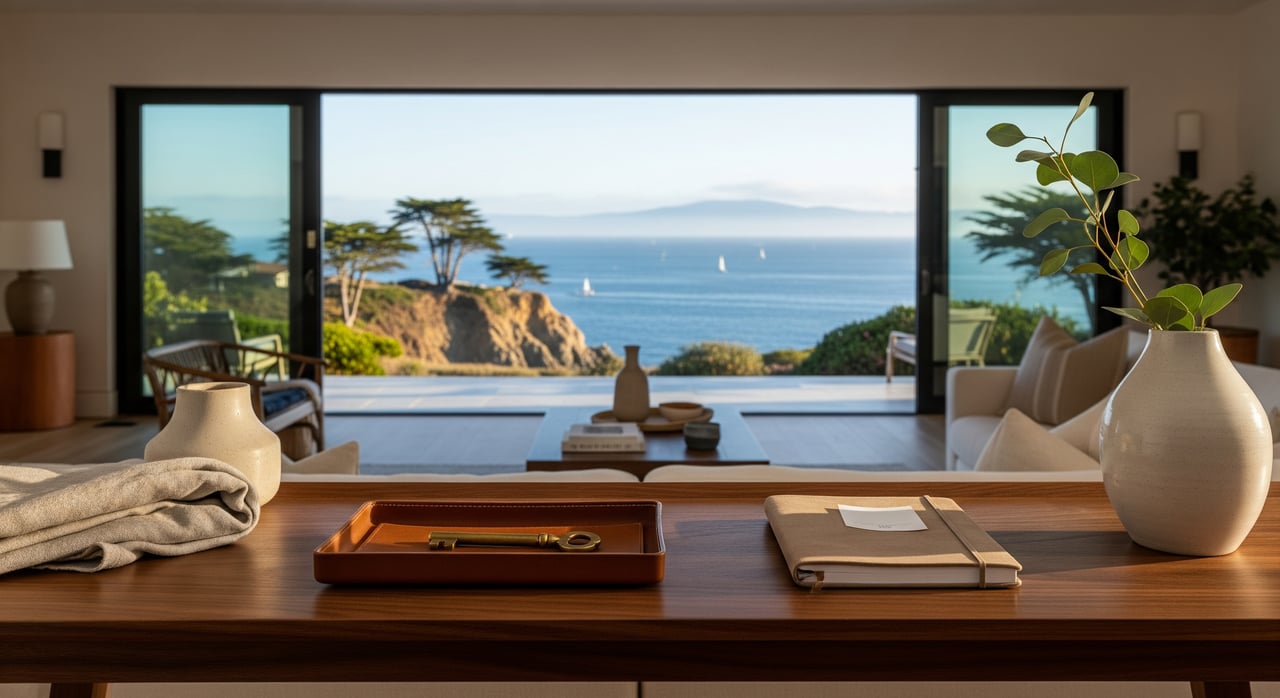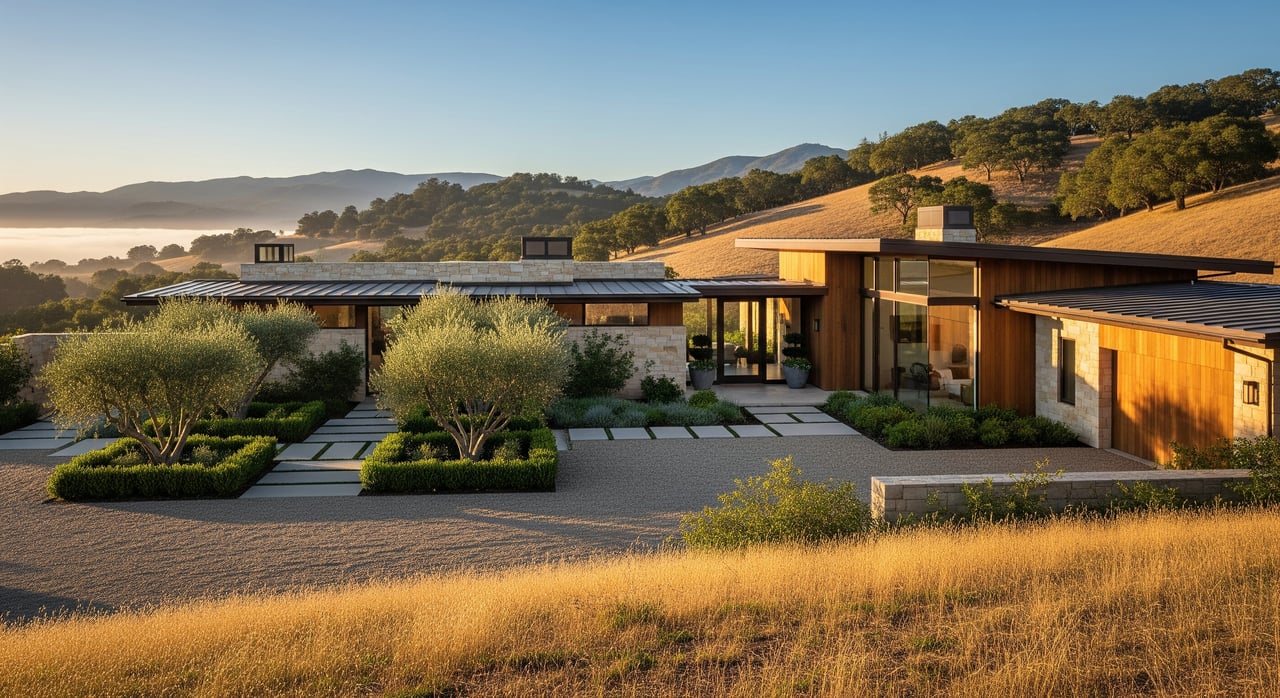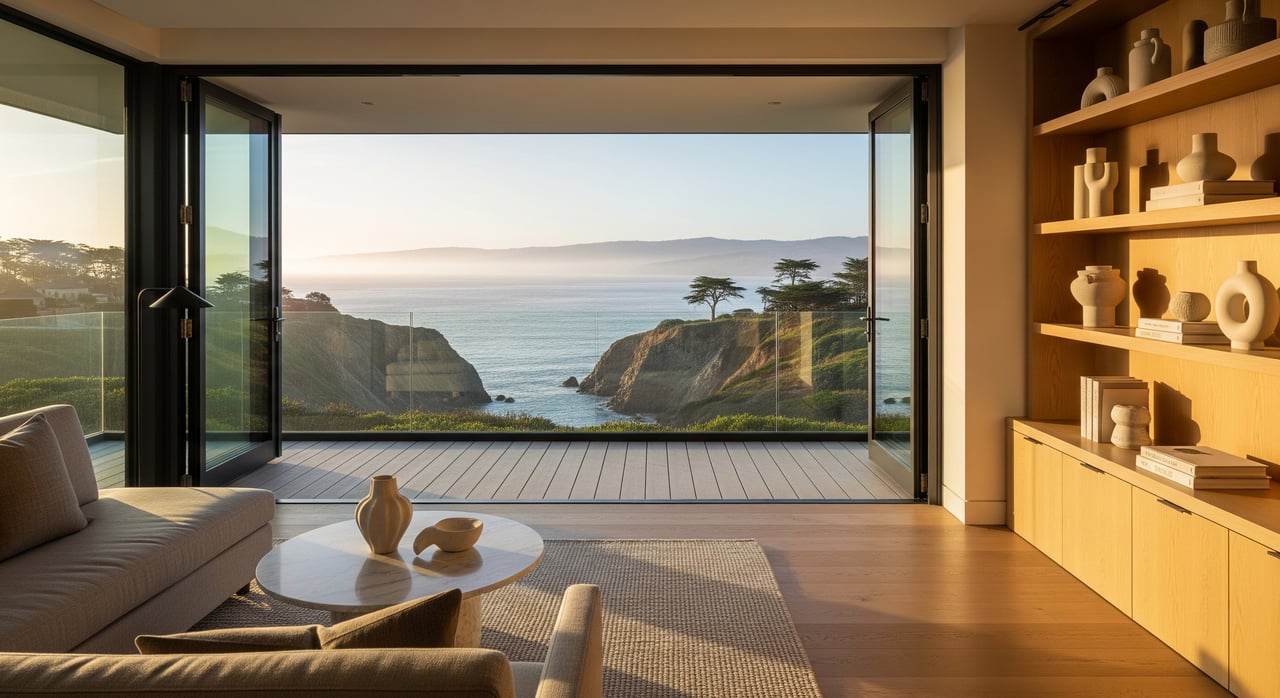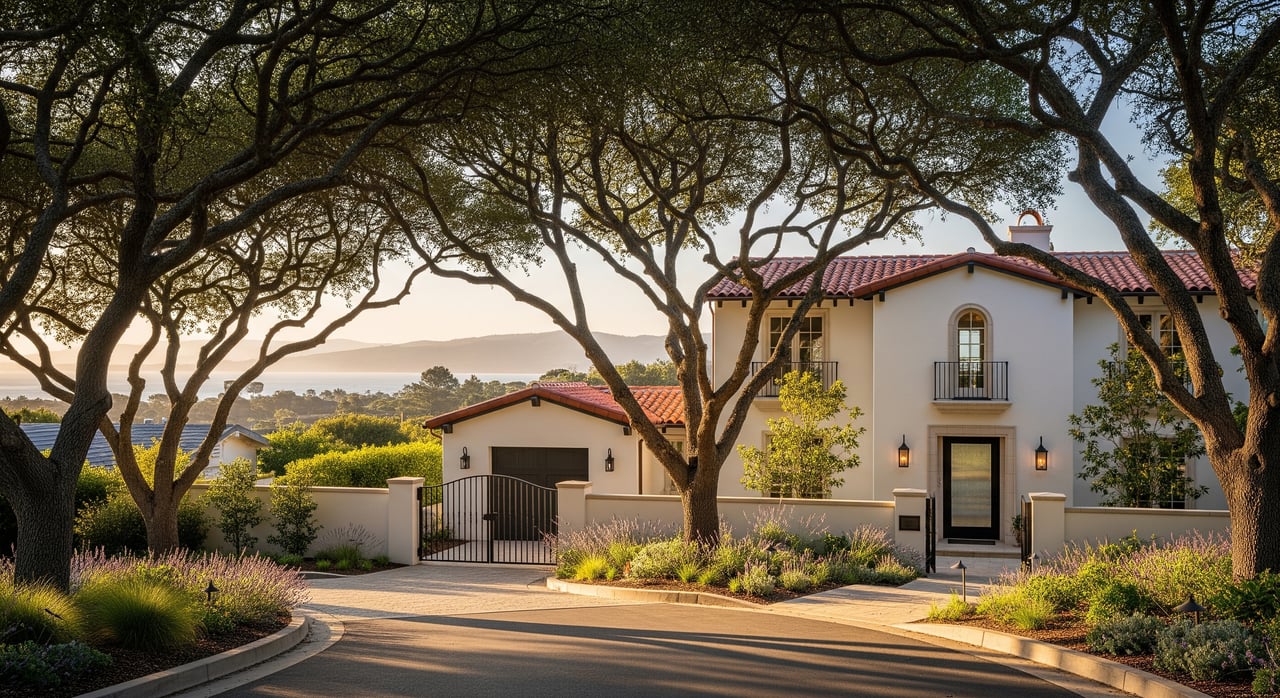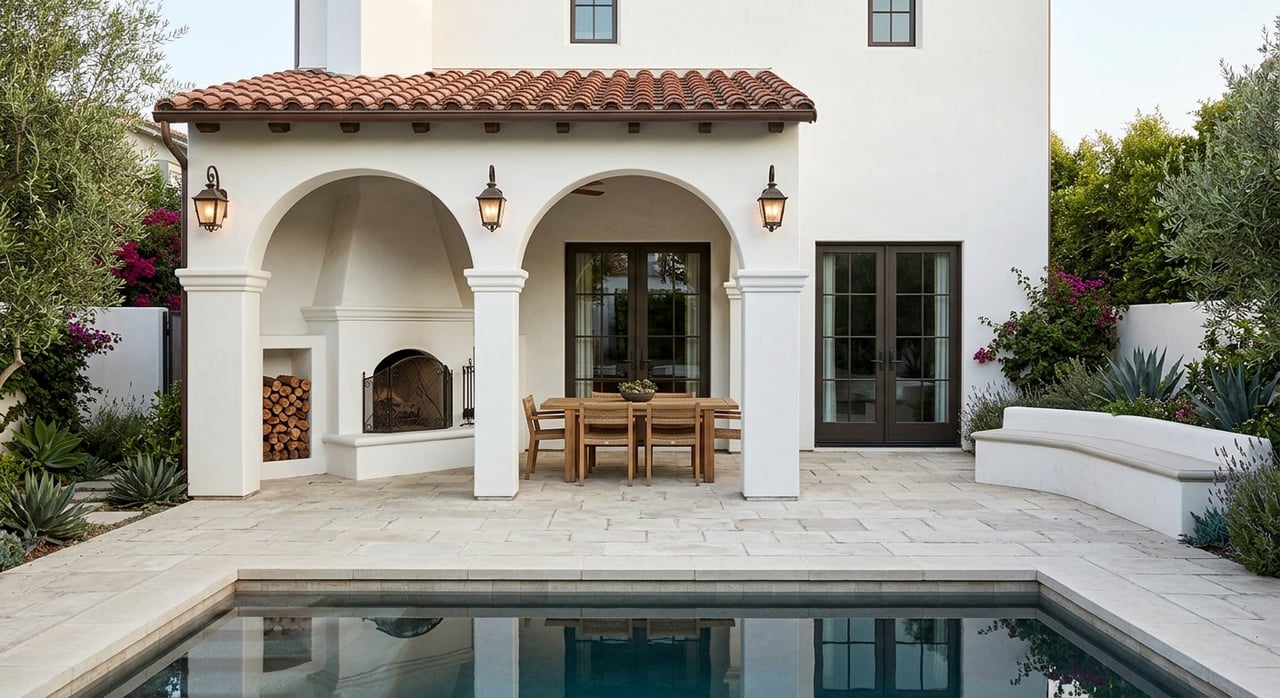
Dreaming about a place where weekends feel slower, sunnier, and a little more tucked away? Carmel Valley stands out for exactly that reason. If you are considering a second home here, it helps to understand how the lifestyle, property types, and county rules shape ownership before you make a move. Let’s dive in.
Why Carmel Valley Feels Different
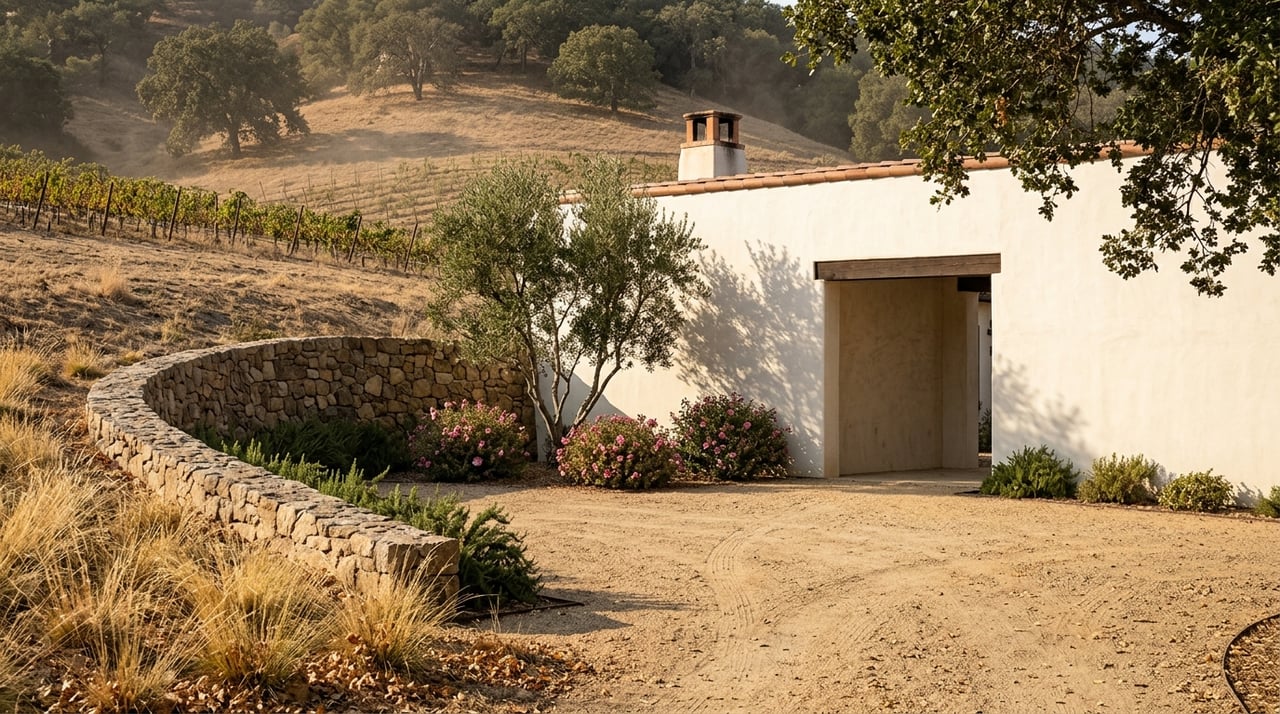
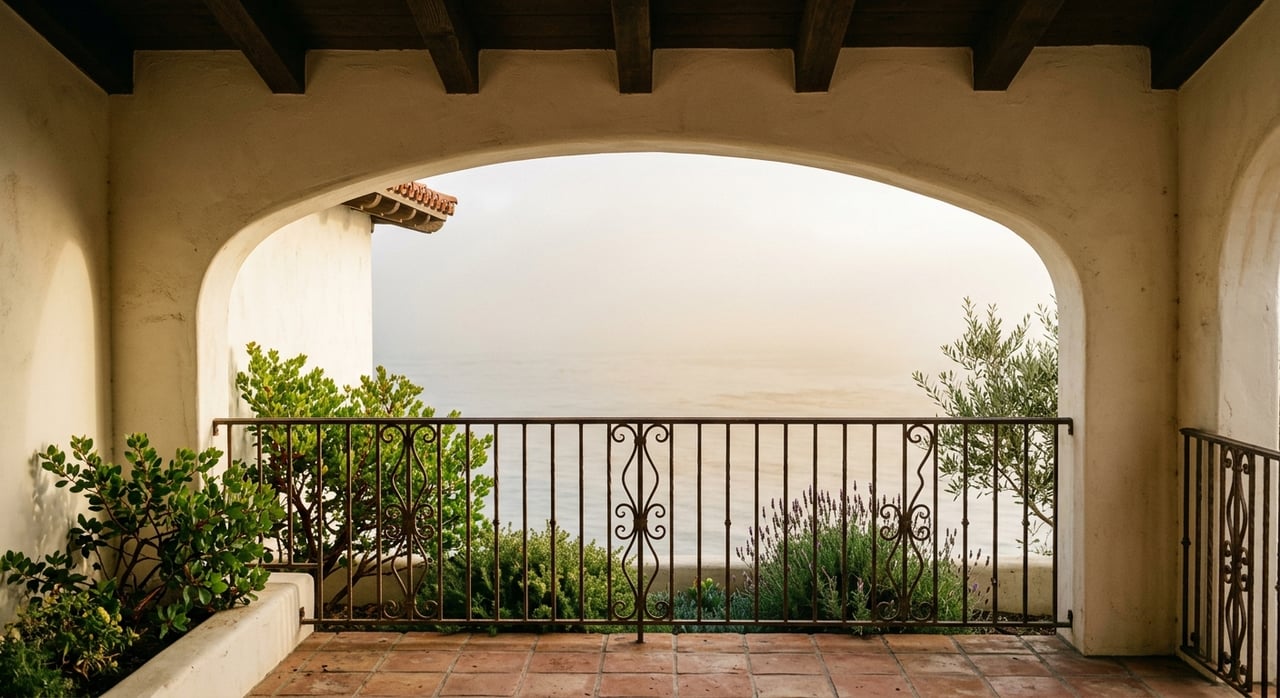
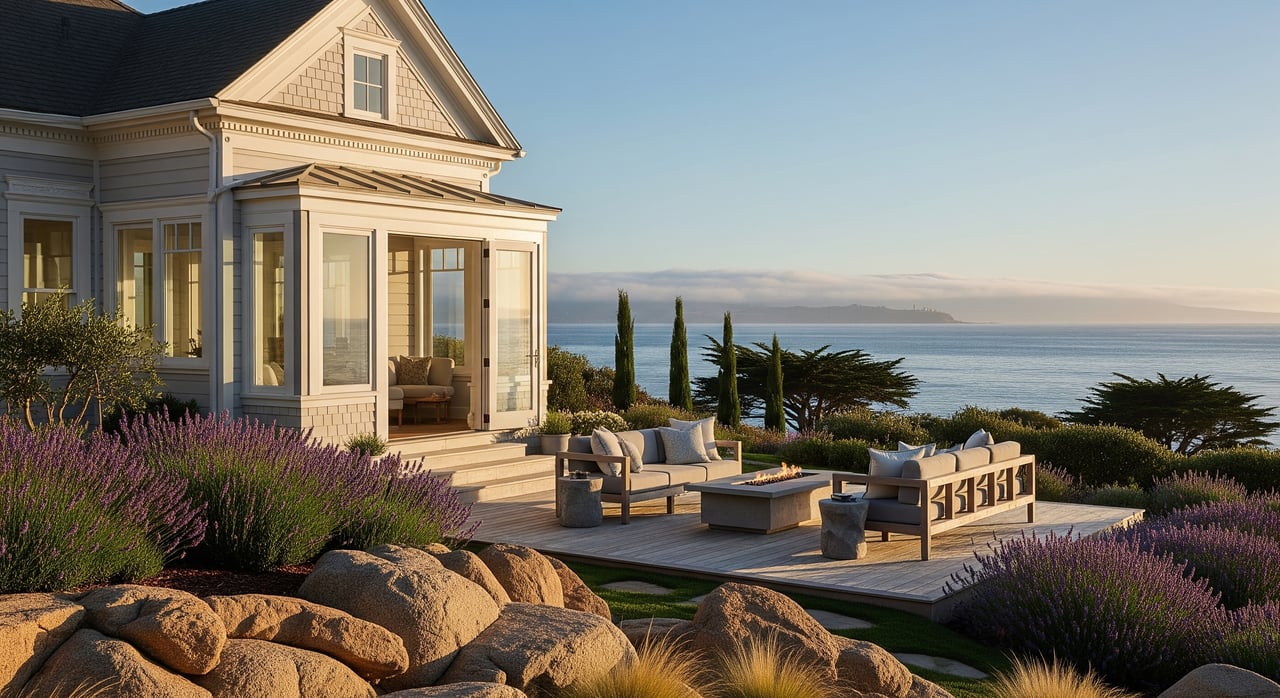
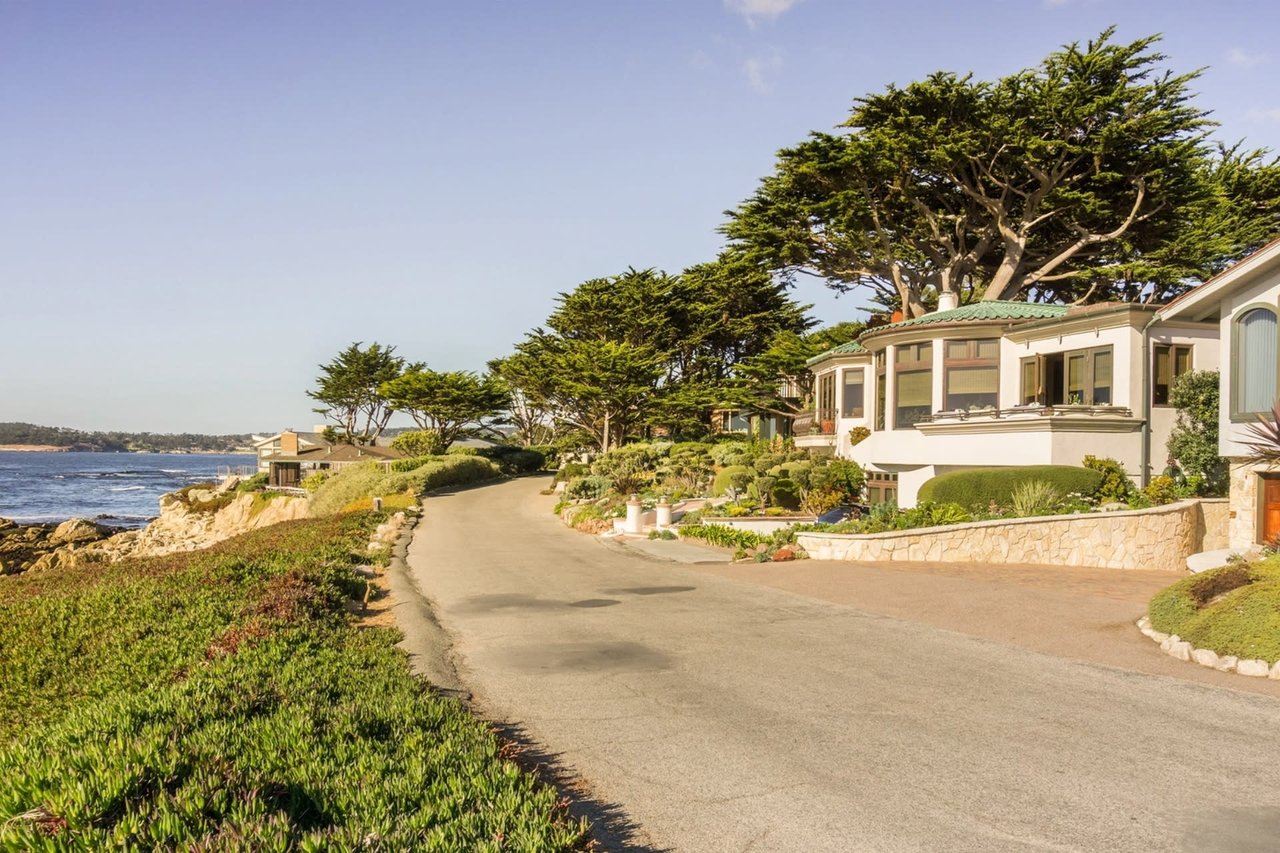
Carmel Valley offers a distinct inland setting within Monterey County. Compared with the shoreline, it is known for a warmer, more rustic, wine-country feel set against the Santa Lucia Mountains. That difference shows up in everyday living, from sunny afternoons to cooler evenings.
Climate data for the Carmel Valley station helps explain the appeal. Average highs run from about 64°F in January to about 81°F in September, with average lows from about 39°F to 51°F and roughly 17.9 inches of annual precipitation. For many second-home buyers, that combination creates a retreat-like atmosphere that feels separate from city routines.
Another part of the draw is access. Carmel Valley is about 5 miles from the Pacific Ocean and is considered an easy drive from Silicon Valley and the San Francisco Bay Area. If you want a weekend home that feels removed without feeling isolated, that balance is a big part of the story.
What Weekend Life Looks Like
Weekend living in Carmel Valley often centers on a simple mix: wine tasting, outdoor recreation, and resort-style downtime. Carmel Valley Village is known for its concentration of wineries and tasting rooms, along with a relaxed setting that encourages a slower pace. For many owners, that means your weekend plans do not need to be complicated to feel special.
Outdoor access is another major advantage. Garland Ranch Regional Park spans 4,462 acres and offers hiking routes from easy to strenuous, plus horseback riding, birding, limited mountain biking, and dog-friendly access. If your ideal second home includes morning trail time and long afternoons outside, Carmel Valley supports that rhythm well.
Resort amenities also shape the area’s lifestyle appeal. Bernardus Lodge & Spa includes spa facilities, estate vineyards, a pool, bocce, croquet, tennis, and concierge services across 28 acres. Carmel Valley Ranch adds a broader resort setting across 500 acres, including Spa Aiyana, fitness and outdoor wellness amenities, while The Quail Golf Club offers an 18-hole semi-private course, on-site lodging, a restaurant, and spa services.
Best-Fit Homes for Second-Home Buyers
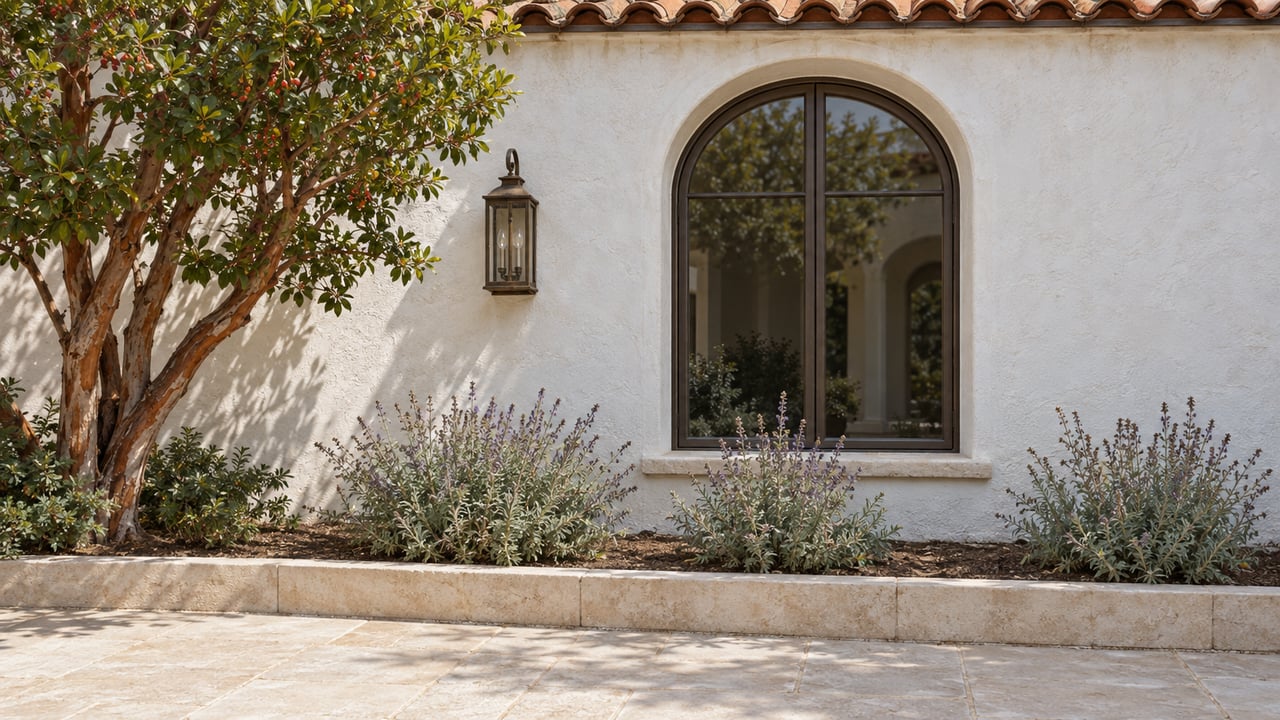
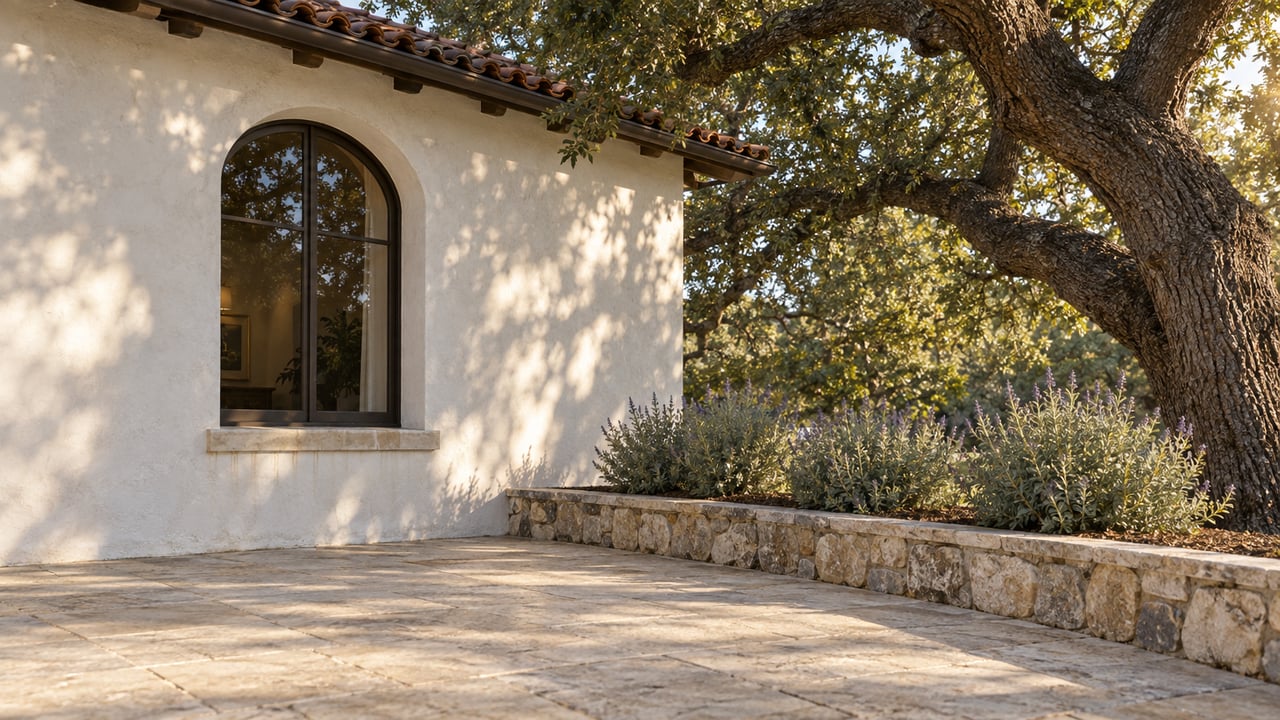
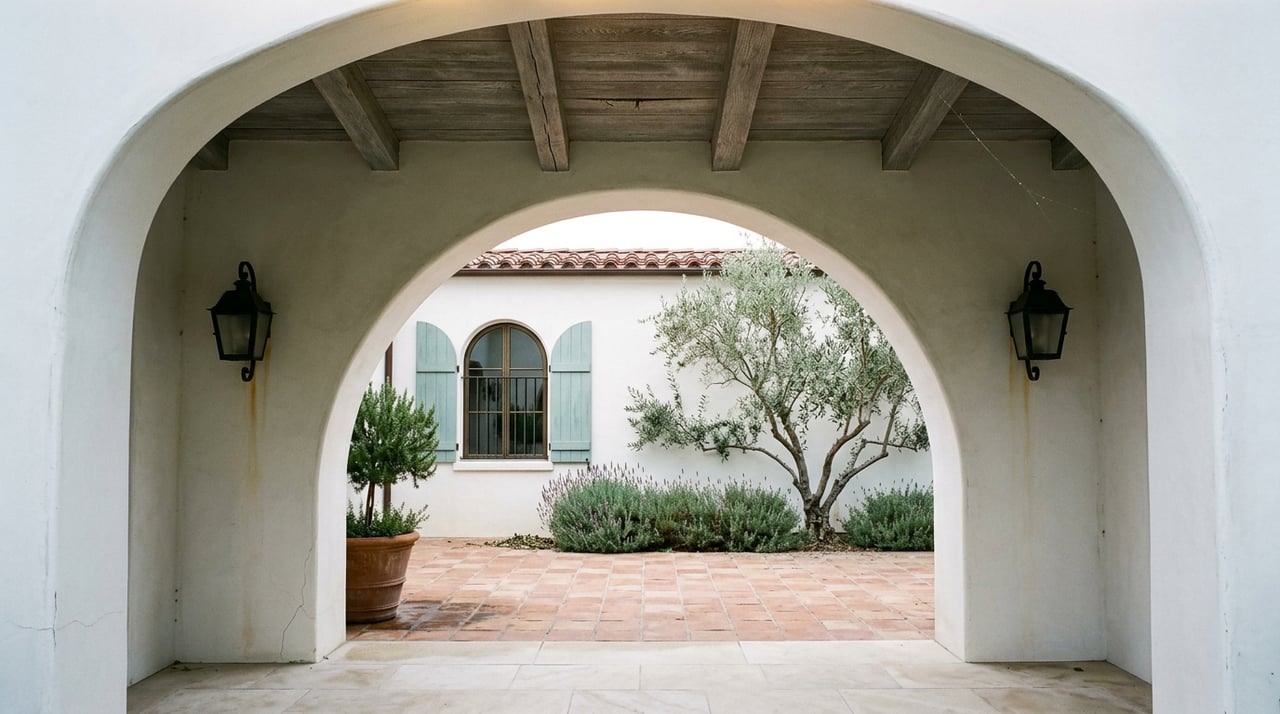
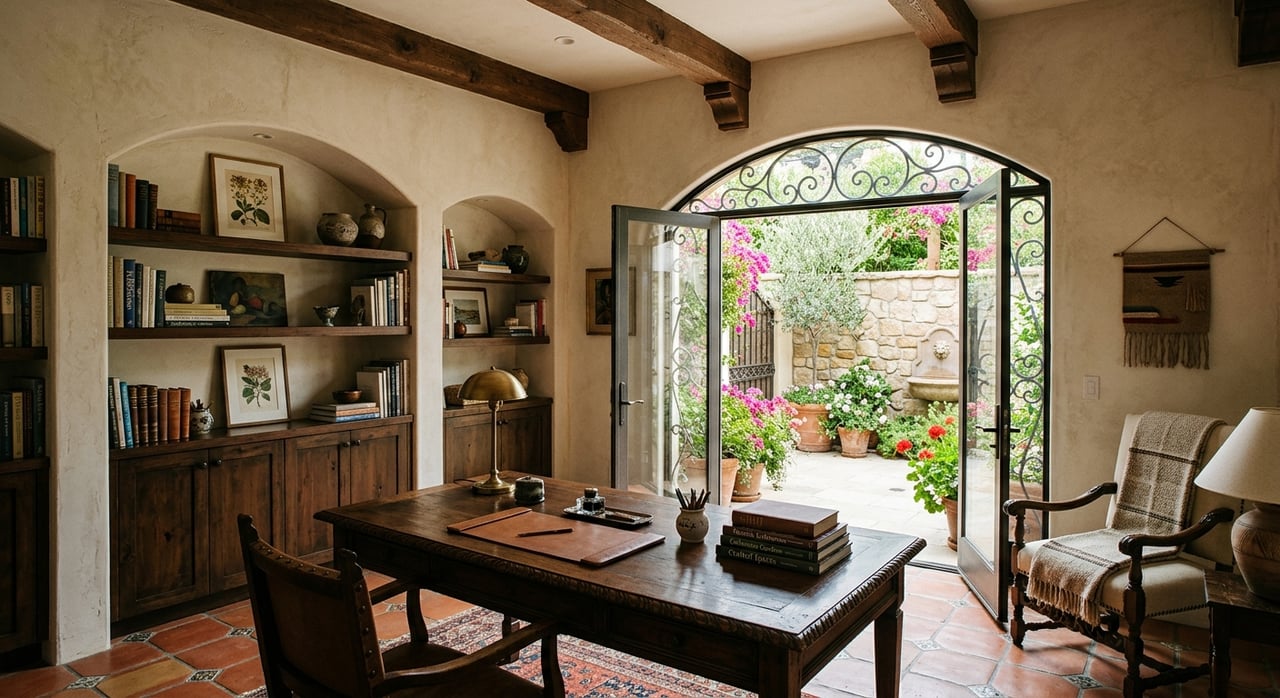
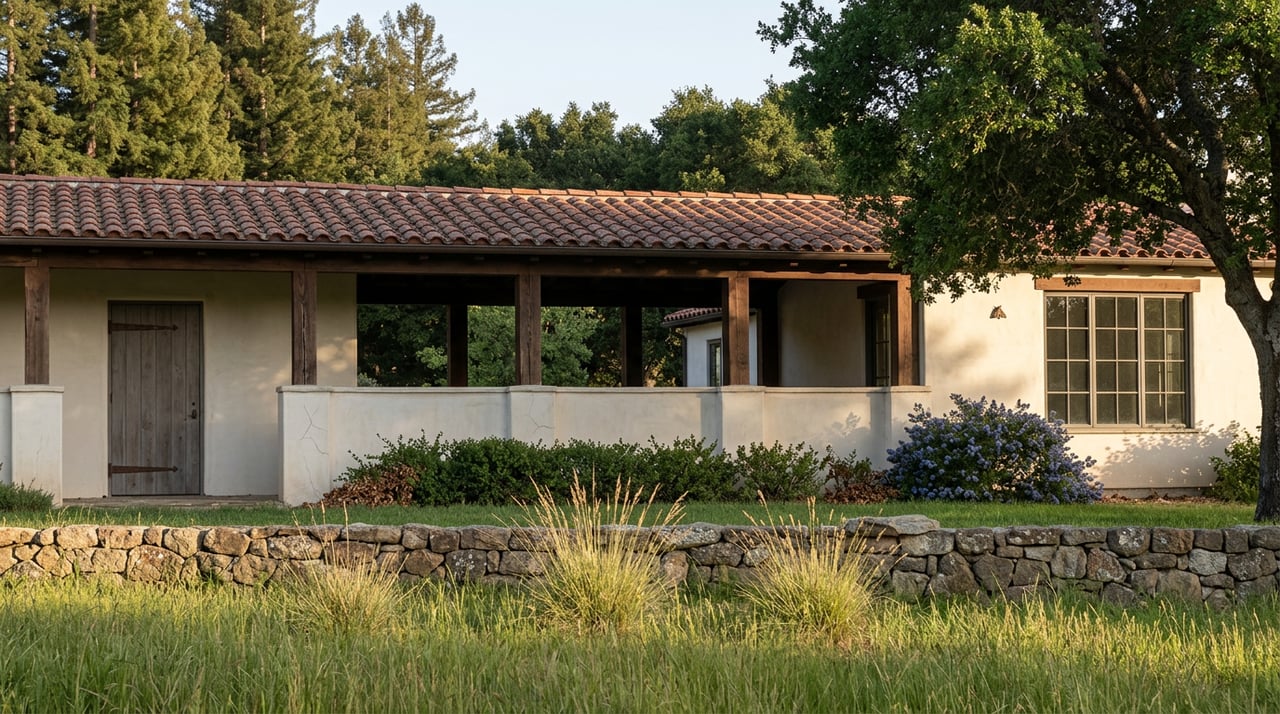
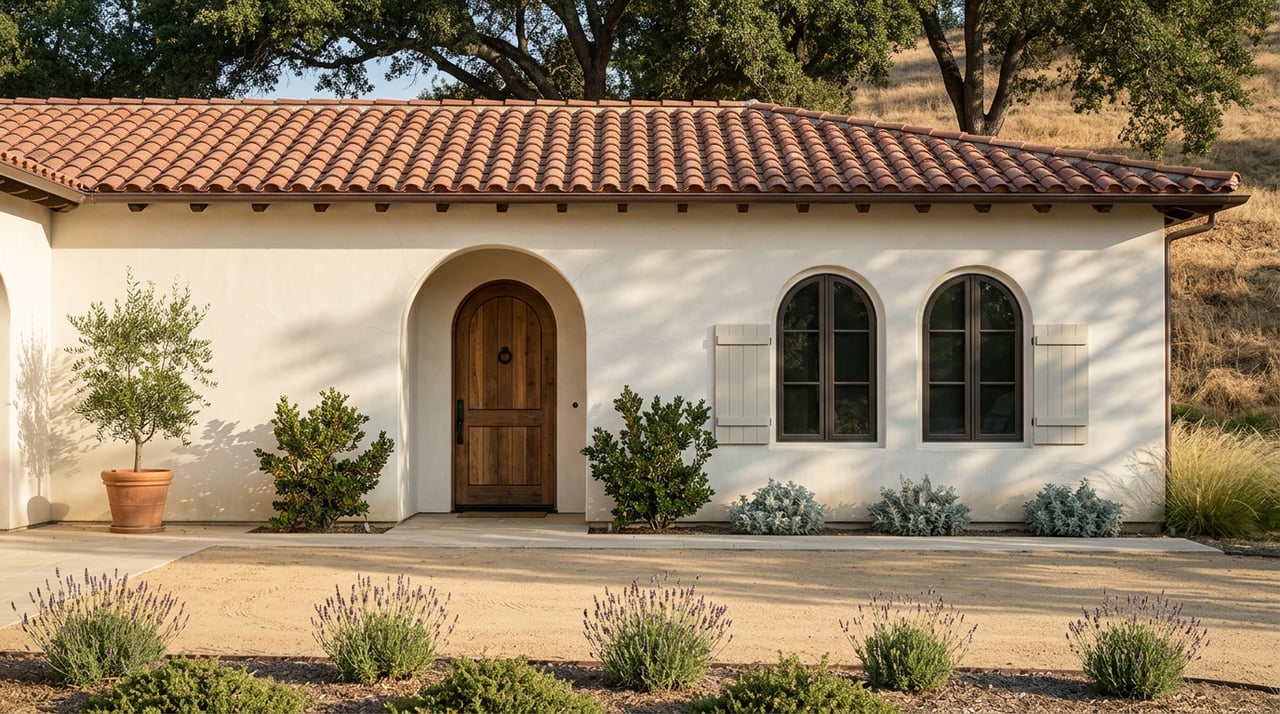
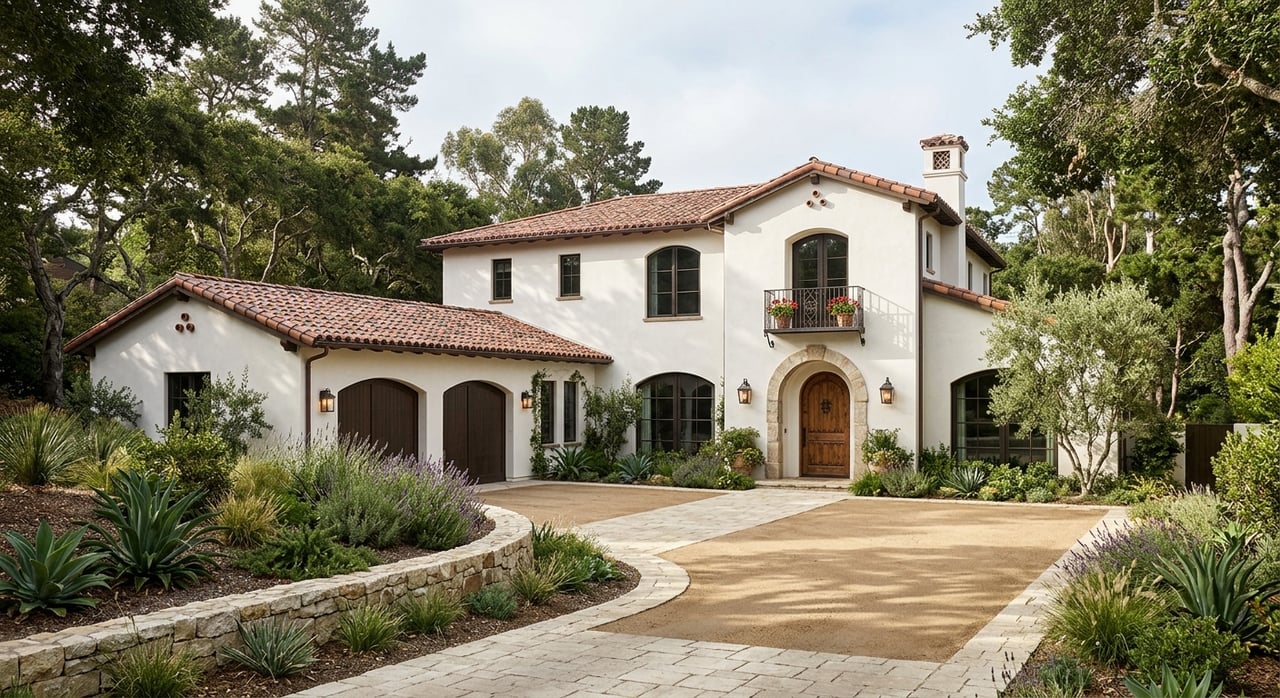
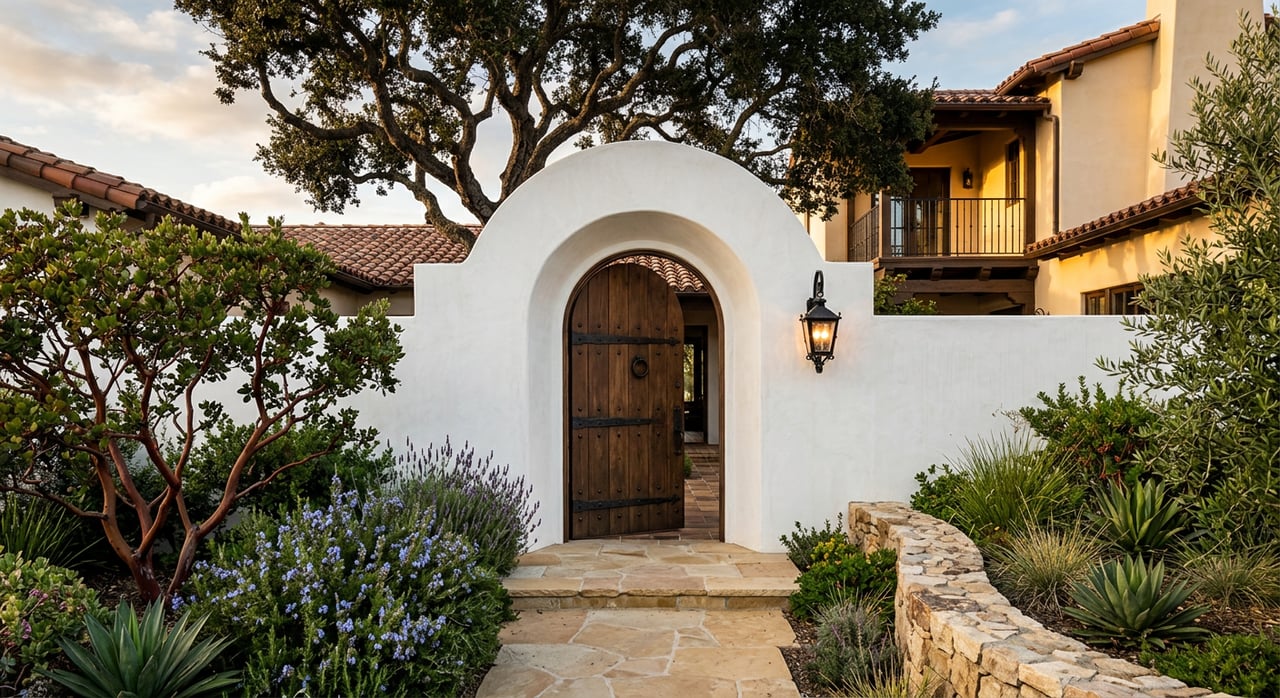
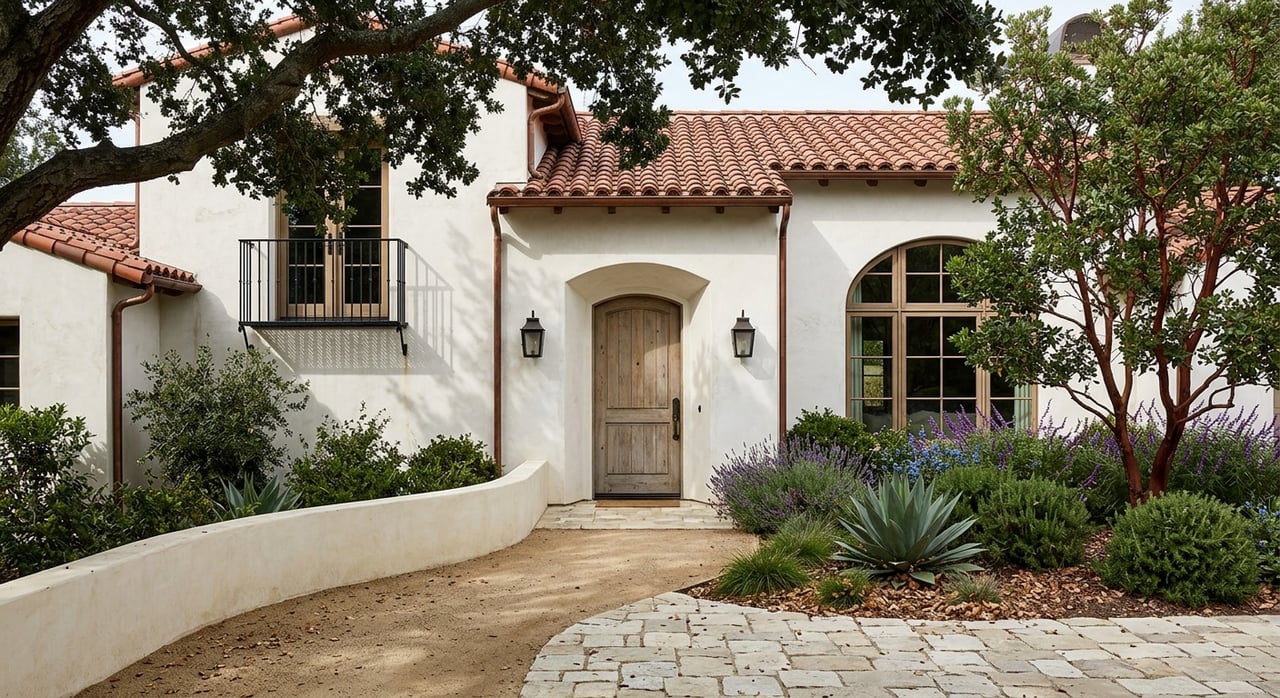
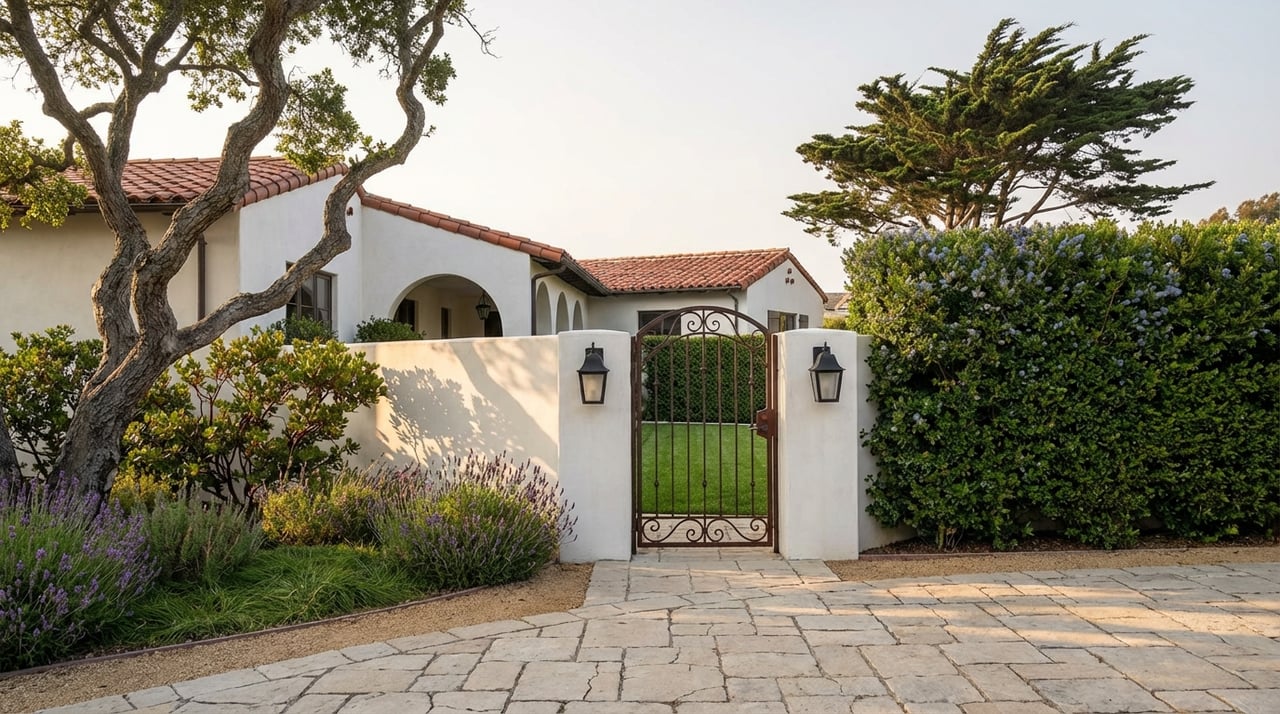
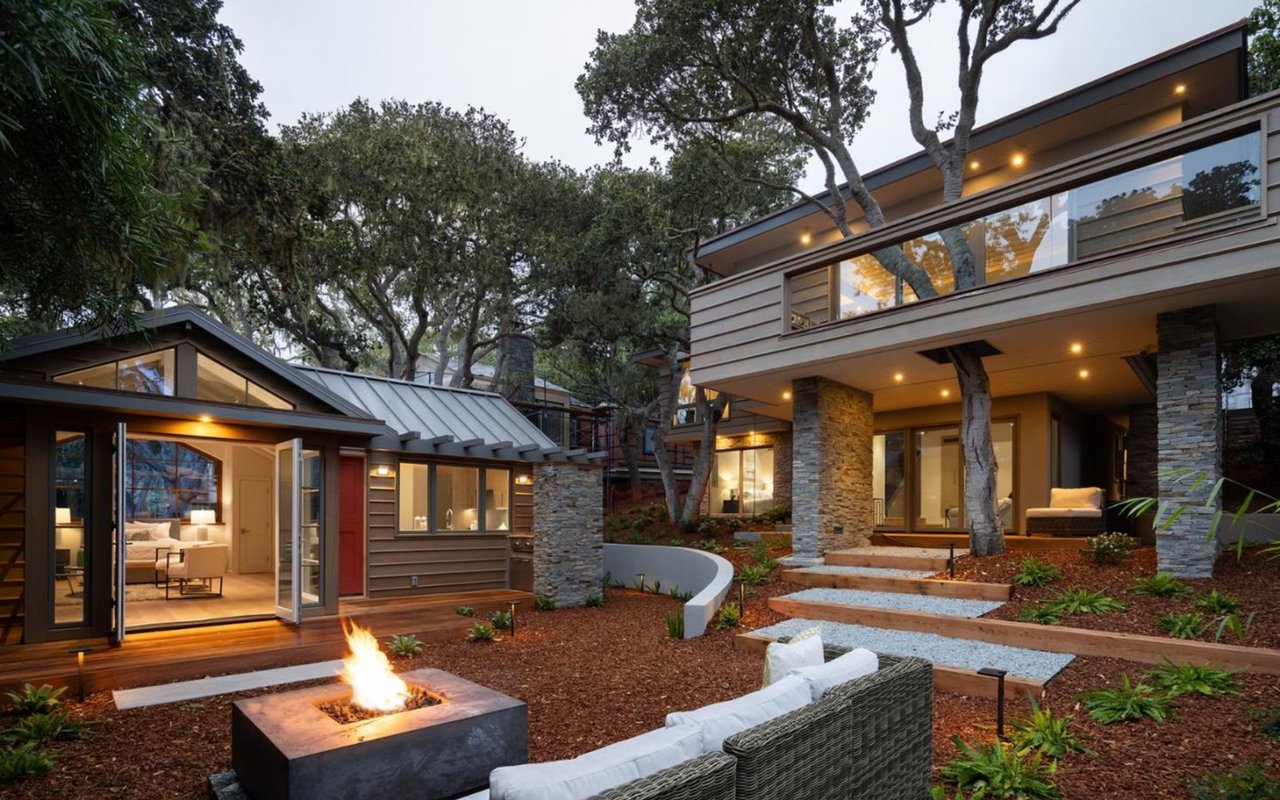
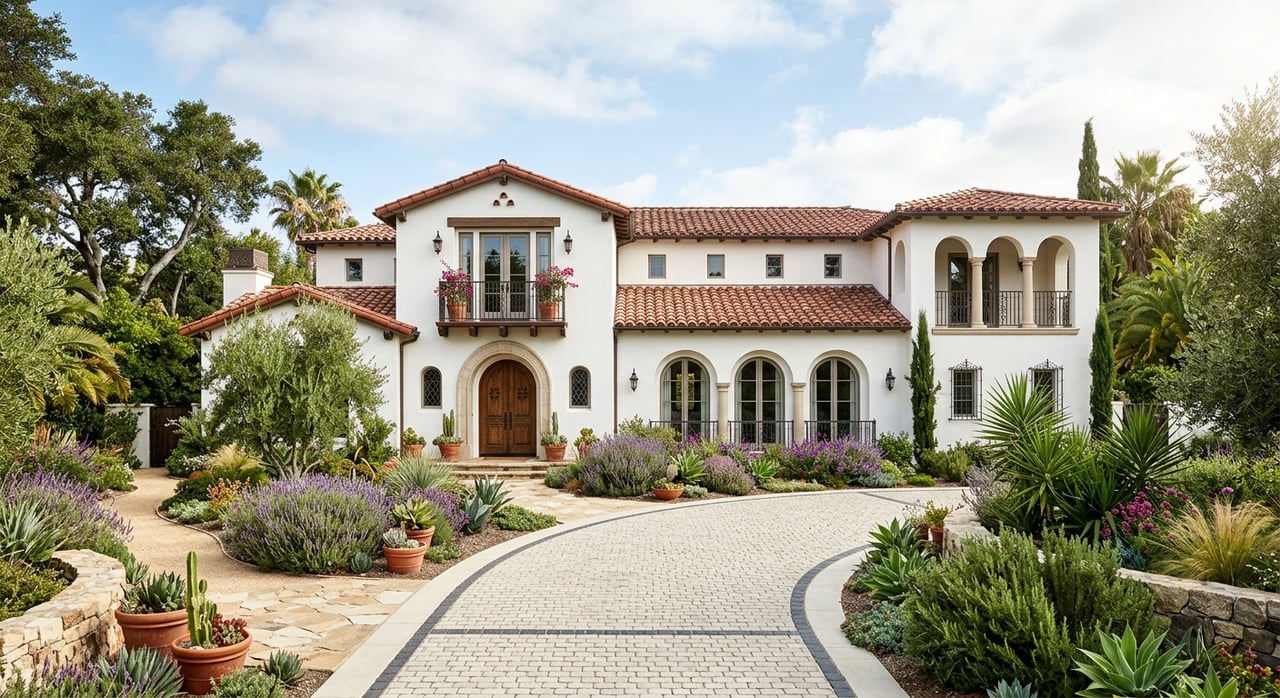
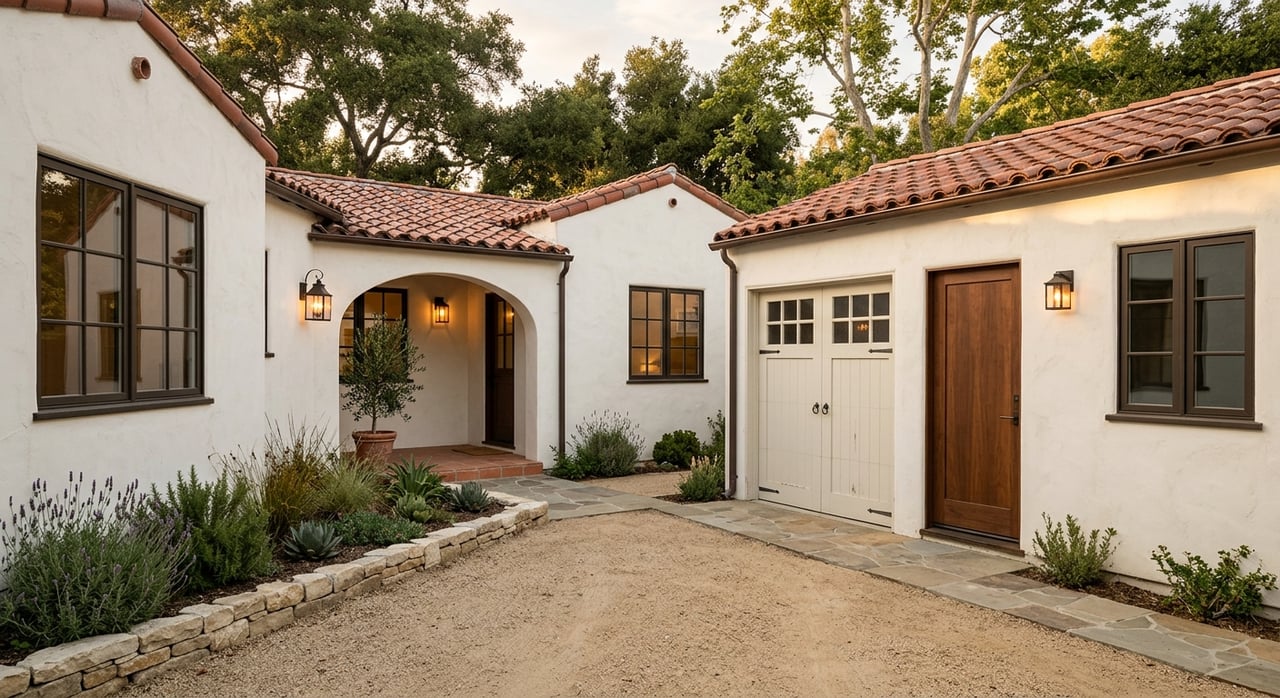
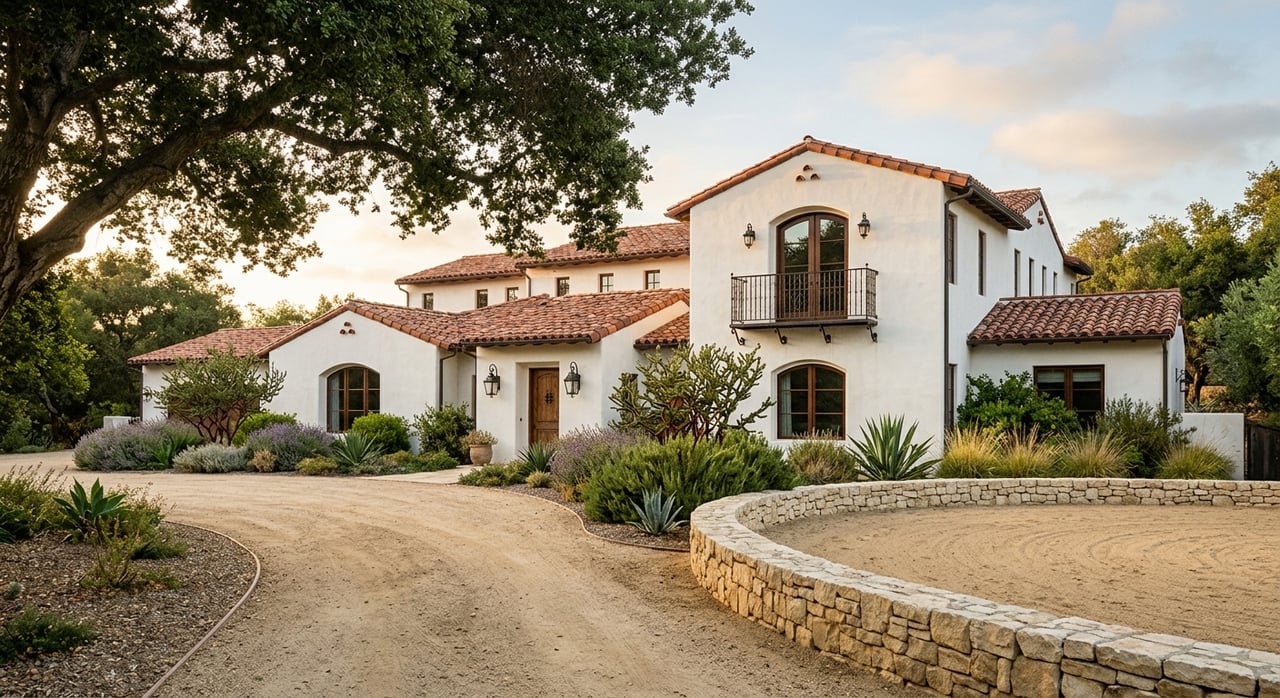
Carmel Valley generally reads as a detached-home and estate market rather than a dense condo market. Monterey County planning materials emphasize preserving rural character and following a rural architectural theme with design review. In practical terms, that helps explain why the area feels low-density and landscape-driven.
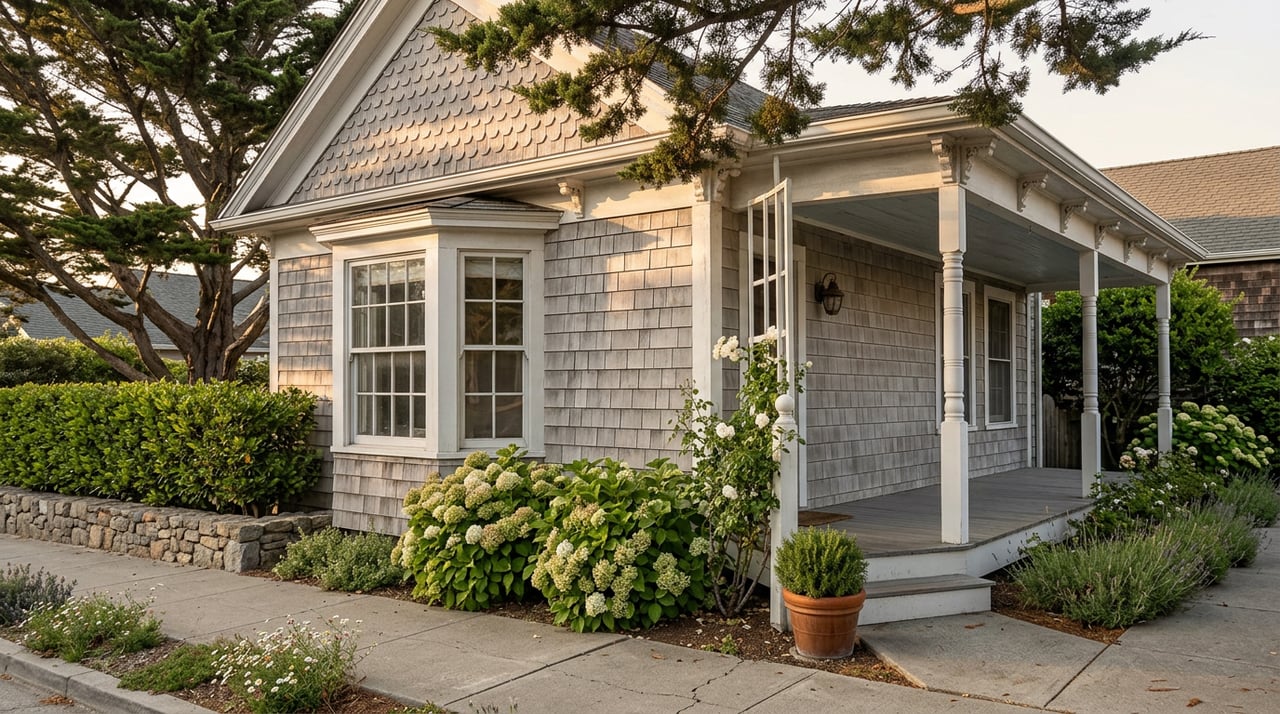
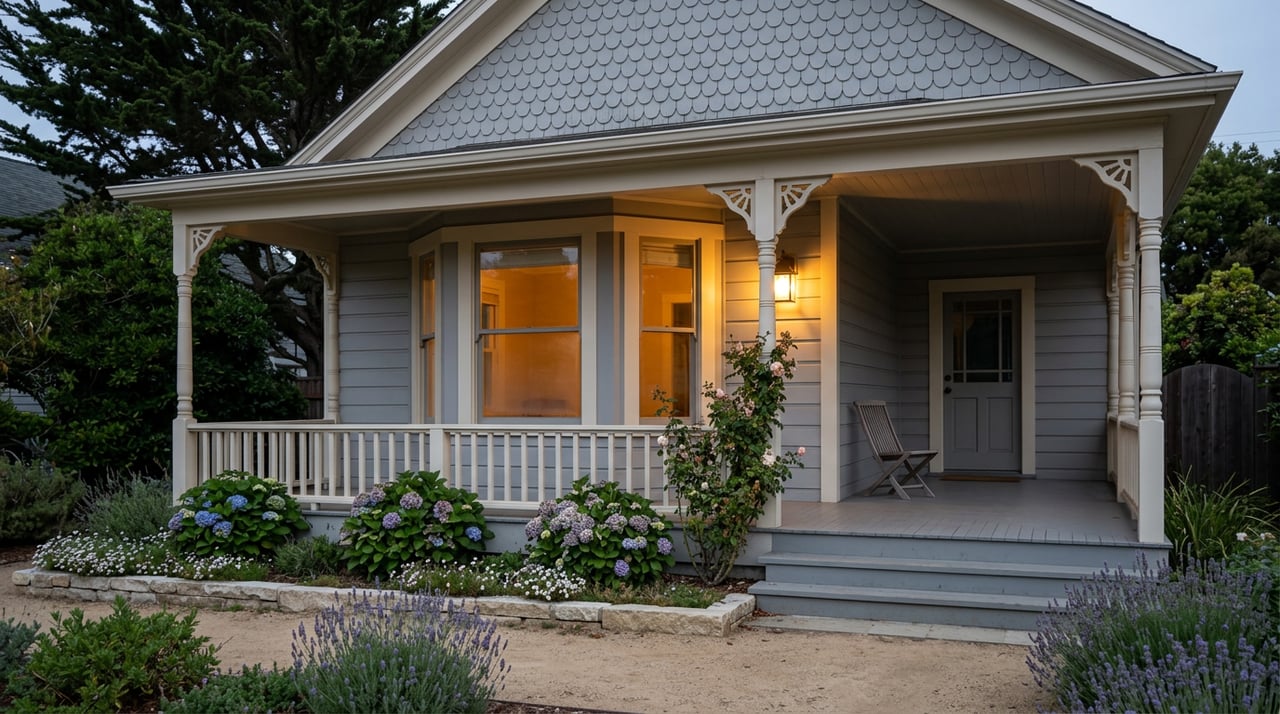
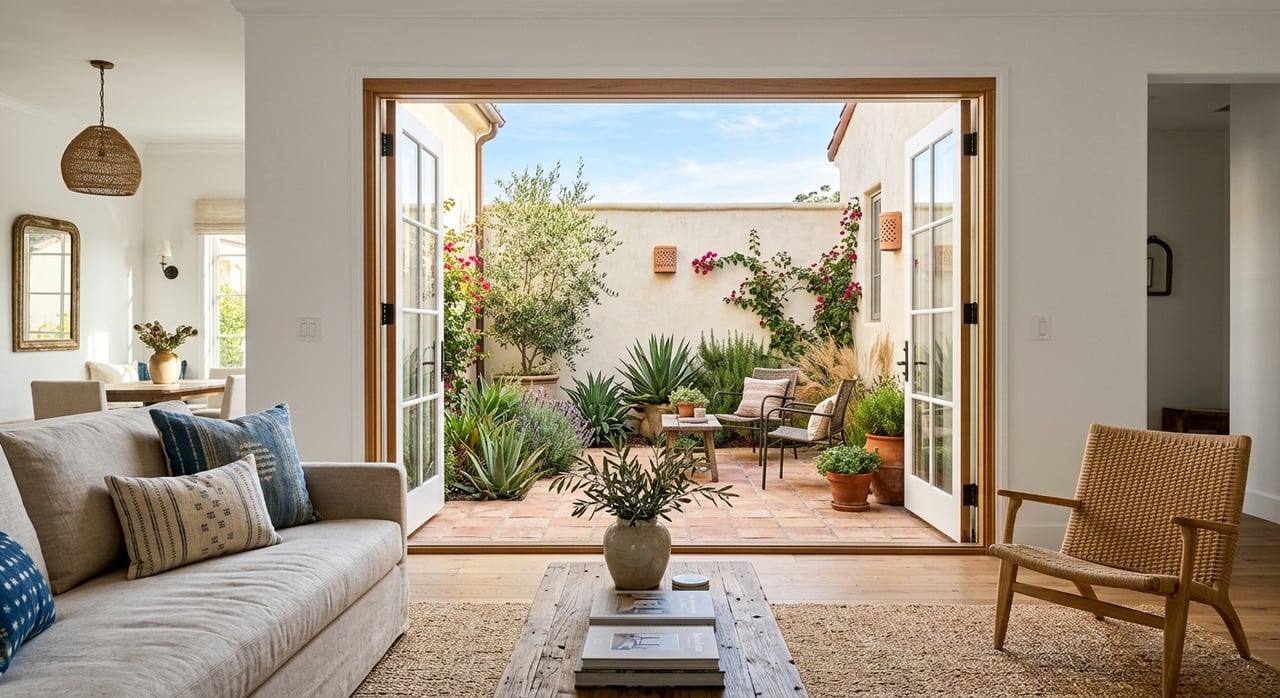
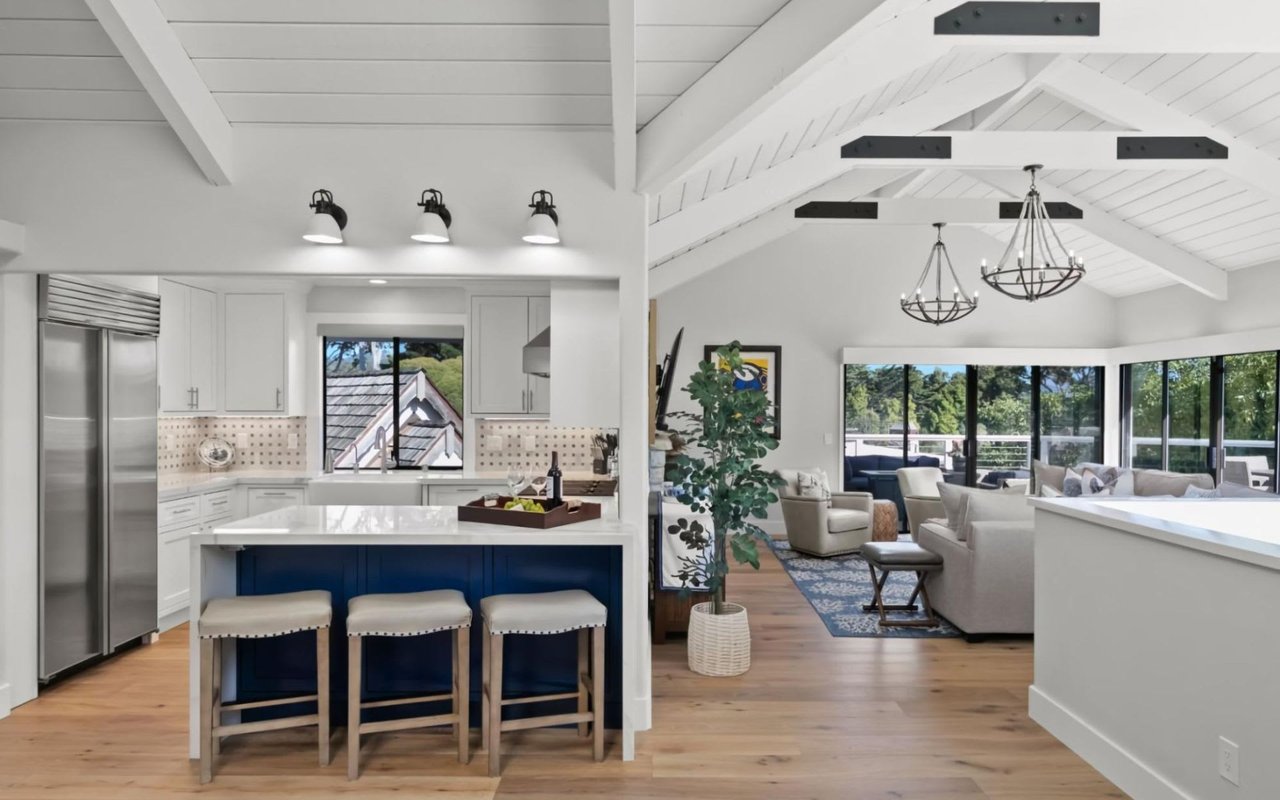
For many weekend buyers, the best fit depends on how you plan to use the home. A smaller house near the village or resort nodes can be easier to manage if you want a lock-and-leave setup. It may also place you closer to tasting rooms, dining, and the amenities that shape a typical weekend here.
If privacy is the goal, larger parcels can offer a more classic country-house experience. The tradeoff is usually more hands-on ownership, with greater attention needed for access, landscaping, wells or septic systems, and routine maintenance. That does not make acreage a poor fit, but it does mean your ownership plan should match the property’s operational reality.
What Rural Ownership Can Mean
A second home in Carmel Valley can be wonderfully peaceful, but rural ownership comes with details that deserve careful review. Because the area is unincorporated Monterey County, county rules guide many of the practical issues tied to land use and property operations. That matters whether you are buying for personal use, occasional hosting, or long-term hold.
For example, utility and infrastructure questions can carry more weight here than they might in a more urban setting. Water and wastewater status, septic condition, and overall site maintenance are especially important when evaluating a home. On certain parcels, those details can shape both convenience and future costs.
Fire preparedness is another key part of ownership due diligence in hillside and rural settings. CAL FIRE fire hazard mapping and defensible-space requirements are central considerations for many Carmel Valley properties. If you are comparing homes, this is one of the areas where parcel-level review matters.
Rental Income: Know the Rules First
Many second-home buyers ask the same question: can this property help offset costs when I am not using it? In Carmel Valley, the answer depends heavily on county rules, zoning, and the specific parcel. You should not assume short-term rental income is available without verification.
Because Carmel Valley is in unincorporated Monterey County, county rules apply rather than city rules. The county imposes a 10.5% transient occupancy tax on transient stays of up to 30 days in unincorporated areas, and vacation-rental operators need county registration and licensing. Those rules are the starting point, not the whole picture.
The bigger issue for investor-minded buyers is use restriction. Monterey County guidance states that commercial vacation rentals are not allowed in Carmel Valley residential zones. Within the Carmel Valley Master Plan area, county guidance allows homestays and limited vacation rentals under specific conditions, but the distinctions are important.
Homestays and Limited Vacation Rentals
A homestay requires the owner to be present, and the home must be the owner’s primary residence. That means a true second home usually will not fit the homestay model. If you are buying a weekend property for occasional personal use, this is a major point to understand early.
Limited vacation rentals are also restricted. In the Carmel Valley Master Plan area, non-hosted rentals are capped at three per year. For most buyers, that makes Carmel Valley a lifestyle purchase first, not a market where you should underwrite the property based on frequent short-term rental use.
This is where local guidance can save time and frustration. Before you rely on any income plan, confirm zoning, registration requirements, water and wastewater documentation, and any parcel-specific constraints. In a market like Carmel Valley, careful due diligence is part of buying well.
A Smart Second-Home Checklist
If you are evaluating weekend or second-home options in Carmel Valley, a focused checklist can help you compare properties more clearly.
- Confirm parcel zoning and allowed uses
- Review water and wastewater status
- Inspect septic documentation and condition when applicable
- Check access, road conditions, and maintenance needs
- Understand landscaping and ongoing stewardship requirements
- Review fire hazard considerations and defensible-space obligations
- Verify any assumptions about rental use with county rules
This kind of prep is especially helpful if you live outside the area and want a home that fits your preferred level of involvement. A property that looks ideal on paper can feel very different once you account for operations, maintenance, and use restrictions.
Is Carmel Valley the Right Fit?
Carmel Valley is a strong fit if you want warm weather, wine-country weekends, outdoor access, and a quieter inland setting within Monterey County. It can be especially appealing if you value detached homes, open space, and a lifestyle that feels more retreat-like than suburban. For many buyers, that combination is exactly the point.
It may be less ideal if your main goal is frequent short-term rental income from a second home. County rules make that strategy much more limited than some buyers expect. In Carmel Valley, the best purchases tend to start with lifestyle alignment and then build in practical ownership planning from there.
If you want help weighing lock-and-leave convenience against acreage, privacy, and long-term stewardship, working with a local team matters. Carmel Coast helps buyers evaluate Carmel Valley properties with a clear view of lifestyle fit, ownership demands, and the local rules that can shape your options.
FAQs
What makes Carmel Valley appealing for a weekend home?
- Carmel Valley offers a warmer inland climate, a relaxed wine-country setting, outdoor recreation, and resort amenities, all within an easy drive of the Bay Area and near the coast.
What types of second homes are common in Carmel Valley?
- Carmel Valley is generally better known for detached homes and estate-style properties than dense condo inventory, reflecting Monterey County’s rural-character planning approach.
What should buyers know about Carmel Valley rural properties?
- Buyers should closely review access, landscaping needs, water and wastewater status, septic systems when applicable, and fire preparedness considerations before purchasing.
Can you use a Carmel Valley second home as a short-term rental?
- You should not assume that you can. Monterey County rules apply, and commercial vacation rentals are not allowed in Carmel Valley residential zones.
What is the difference between a homestay and a limited vacation rental in Carmel Valley?
- A homestay requires the owner to be present and the home to be the owner’s primary residence, while limited vacation rentals in the Carmel Valley Master Plan area are capped at three non-hosted rentals per year.
What due diligence matters most for a Carmel Valley second-home purchase?
- The most important checks usually include zoning, allowed uses, water and wastewater documentation, septic condition, access, and fire hazard or defensible-space requirements.